

This post contains affiliate links. We may earn a commission if you purchase through them, at no extra cost to you.
Last updated: September 2026
The Face Oils That Actually Work After Retinol
Retinol does its job by accelerating cell turnover — and that process strips moisture faster than most people expect. The flaking, tightness, and occasional redness that show up in week two aren’t signs it’s working. They’re signs your skin needs something to seal the deal after the active does its thing. A face oil applied over your retinol (or right after, if you’re layering) is one of the most practical fixes in a retinol routine, and yet most guides skip straight to moisturizer recommendations.
These 5 picks cover the range from a $10 cold-pressed jojoba to a $55 retinol-infused night oil — chosen for formulation quality, non-comedogenic profiles, and how well they actually sit on compromised skin. If you’re just getting started with the ingredient, the best retinol options for sensitive skin are worth reading first. For everyone else, here’s what to reach for after.
How We Evaluated
Picks were filtered by formulation quality, skin-type compatibility, and price-per-ounce value. We prioritized non-comedogenic oils with established barrier-support profiles — ceramide-adjacent lipids, linoleic-rich bases, and antioxidant actives that complement rather than compete with retinol. Products with heavy fragrance loads or known sensitizing ingredients were excluded, particularly given that post-retinol skin is already in a compromised state.
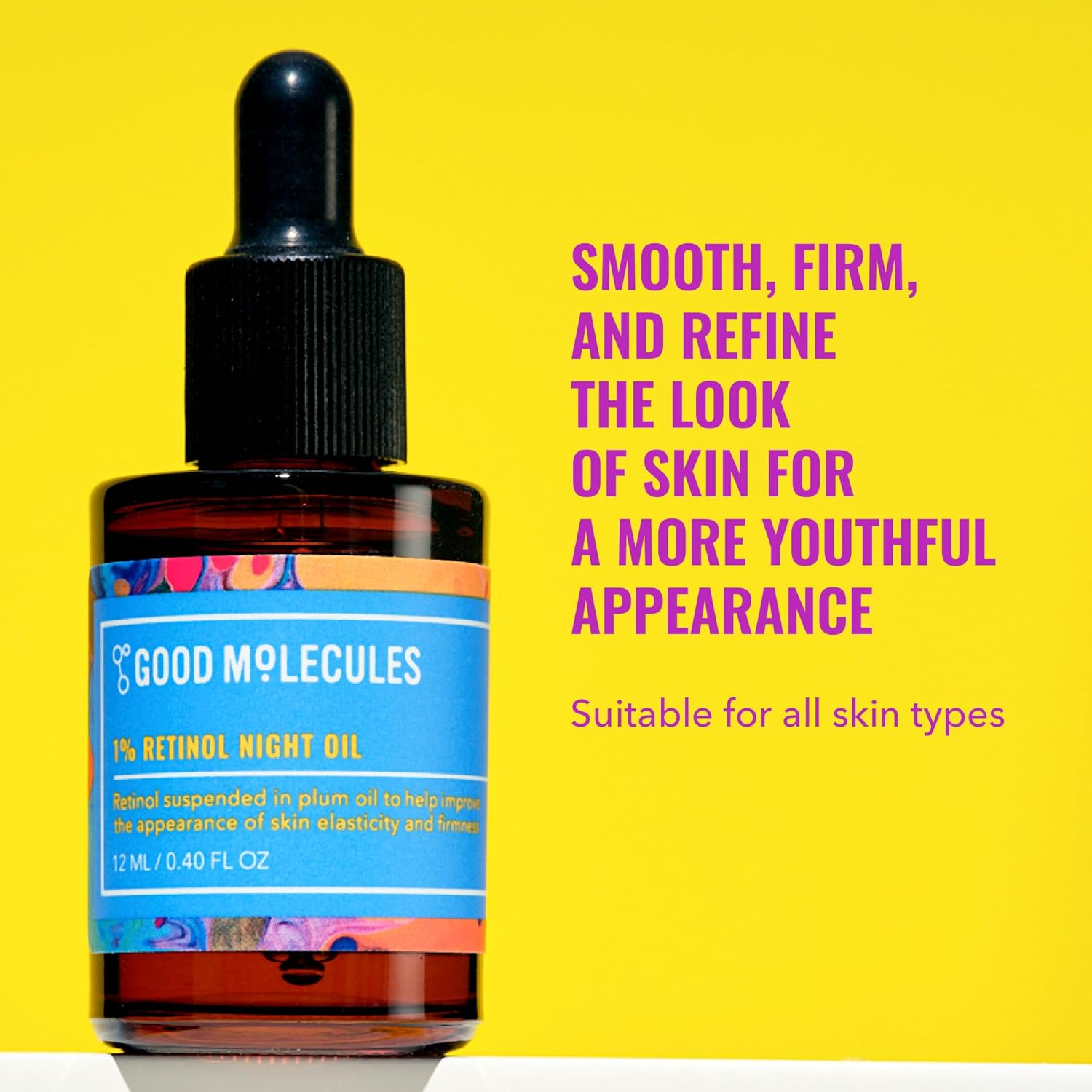
Good Molecules 1% Retinol Night Oil — the hero pick in this roundup.
Quick Picks
Best Single-Ingredient Workhorse
Cliganic Organic Jojoba Oil — The go-to for anyone who wants a clean, unfussy base that won’t clog pores or interact with actives. Four ounces for under $10 is genuinely hard to beat.
Skip if: You want something that also targets fine lines or pigmentation — this is pure barrier support, nothing more.
Best Under $15 With Actives
Good Molecules 1% Retinol Night Oil — Combines retinol and rosehip in one step, making it a smart pick for anyone who wants to consolidate their routine. The $12 price point does a lot of the heavy lifting here.
Skip if: You’re already using a separate retinol serum — doubling up on retinol without intention is how irritation starts.
Best for Scar-Prone or Uneven Skin
Bio-Oil Skincare Oil — A dermatologist-recommended formula with a long track record on scars and uneven texture. Affordable and widely available.
Skip if: Fragrance sensitivity is a concern — Bio-Oil does contain parfum, which can be an issue on already-sensitized skin.
Best Splurge With a Purpose
Sunday Riley Luna Retinol Sleeping Night Oil — The only pick here that earns its $55 price tag through formulation complexity, not branding. Worth it if you want retinol and barrier support in a single elegant step.
Skip if: You’re a retinol beginner — the concentration here isn’t for first-timers.
Best Budget Blend
Palmer’s Cocoa Butter Skin Therapy Oil for Face — Ten facial oils in one bottle at under $10. The value is real; the formula is decent. Not the most sophisticated option, but it does the job for dry skin on a tight budget.
Skip if: You’re acne-prone — cocoa butter in the base makes this a risky choice for breakout-prone skin types.

Pros
- One percent retinol is a clinically relevant dose for visible cell turnover
- Oil texture absorbs without heavy residue, sitting well as a final PM step
- Fragrance-free at this price tier is genuinely uncommon and worth noting
Cons
- Twelve milliliters is a short supply for a product used up to three times weekly
- One percent retinol is too aggressive for first-time retinoid users without a buffer strategy
- Oil format may not layer cleanly under occlusive moisturizers for some skin types

Pros
- Retinol and vitamin C together address both texture and dullness in one product
- Absorbs faster than single-oil alternatives like straight rosehip or argan
- At roughly a dollar per ml, it undercuts most prestige facial oils significantly
Cons
- Retinol concentration is undisclosed, limiting confidence in anti-aging efficacy
- Rosehip fragrance is noticeable and may irritate reactive or sensitized skin
- One-ounce size runs out quickly if used as a primary moisturizer step

Pros
- Vitamin A supports cell turnover, vitamin E reinforces the skin barrier
- Absorbs faster than most body oils, leaving minimal greasy residue on skin
- Drugstore price point makes consistent long-term use financially practical
Cons
- Contains fragrance — a meaningful concern for sensitive or rosacea-prone skin
- Visible improvement on established scars requires weeks of daily application
- Small 2 oz size runs out quickly when used as a full-body treatment

Pros
- Mimics skin's natural sebum, reducing surface greasiness after application
- Thin enough to layer under moisturizer without disrupting subsequent steps
- Four-ounce size offers strong value per ounce for a daily-use oil
Cons
- Contains no active ingredients — purely occlusive and emollient, nothing more
- Dropper applicator can make precise facial dosing messier than a pump
- Slight initial slip on skin may feel unfamiliar to those used to serums

Pros
- Retinol in an oil carrier visibly softens the irritation response over time
- Turns sheer on absorption, making it easier to layer than most facial oils
- Sustainability credentials are substantive, not just marketing — 90% of seed byproduct is repurposed
Cons
- Oil-based delivery makes this unsuitable for oily or breakout-prone skin types
- Price per ml is high relative to retinol serums with comparable active concentrations
- Retinol percentage is not disclosed, making potency difficult to benchmark against competitors
Full Breakdown
Cliganic Organic Jojoba Oil — The Reliable Foundation
Four ounces of cold-pressed, hexane-free jojoba for under $10 is the kind of value that makes it hard to justify spending more for a plain carrier oil. Jojoba’s molecular structure closely mimics the skin’s natural sebum, which is exactly what you want after retinol has spent the night accelerating turnover and leaving the barrier slightly exposed.
It suits almost every skin type — including oily and acne-prone — because it’s technically a liquid wax, not a true oil, and it’s non-comedogenic at normal usage amounts. The texture is lightweight and absorbs without much residue, though it’s not as fast-sinking as a silicone-based formula.
The trade-off is that this is a single-ingredient product. It won’t address pigmentation, fine lines, or any other concern beyond moisture and barrier support. Skip it if you’re looking for an oil that multitasks — this one does one thing, and it does it well.
Good Molecules 1% Retinol Night Oil — Two Steps in One
Combining 1% retinol with a rosehip oil base at $12 is a genuinely smart formulation move, and Good Molecules doesn’t get enough credit for it. Rosehip is naturally high in linoleic acid, which helps reinforce the barrier while the retinol works — so you’re not just adding an active on top of stressed skin, you’re pairing it with something that actively supports recovery.
This suits retinol users who are past the beginner stage and want to streamline a multi-step night routine. The texture is dry-finish and absorbs quickly, which makes it easier to layer under a moisturizer if needed.
Here’s the catch: at 1%, this is a meaningful retinol concentration. Using it on top of another retinol product is how you end up over-exfoliated by Thursday. It’s a replacement for your retinol step, not an addition to it. Skip it if your current retinol routine is already working — there’s no reason to switch unless you want the oil format specifically.
Bio-Oil Skincare Oil — Solid Track Record, One Caveat
Bio-Oil has been a pharmacy staple for decades, and its reputation on scars and uneven texture is well-earned. The formula combines vitamins A and E in a lightweight mineral oil base, and the dermatologist-recommended label isn’t just marketing — it has a real history of use in clinical settings for scar management.
For post-retinol use, it works best on normal-to-dry skin that’s dealing with texture irregularities or hyperpigmentation alongside the usual retinol dryness. It’s non-comedogenic, which matters, and the 2 oz bottle at $11 is reasonable value.
One thing the brand doesn’t say loudly: it does contain fragrance. On skin that’s already sensitized from retinol use — especially in the first few weeks — that’s worth knowing before you commit. The formula is solid. The fragrance inclusion is the only real reason to hesitate, particularly for reactive skin types.
Sunday Riley Luna Retinol Sleeping Night Oil (If Budget Isn’t the Issue)
Sunday Riley’s Luna is the most formulation-forward product on this list, and the $55 price reflects that — though not always in the way prestige brands tend to justify it. The retinol here is encapsulated for time-release delivery, which genuinely reduces the irritation spike you get from standard retinol formulas. Blue tansy and Hawaiian white honey round out the base with anti-inflammatory and humectant support.
It’s designed for experienced retinol users with dry-to-normal skin who want to consolidate their night routine into a single oil step. The texture is rich but not heavy, and it absorbs well enough to wear alone without a separate moisturizer on most nights.
The trade-off is straightforward: $55 for roughly one ounce is a steep cost-per-use, and the results — while real — aren’t dramatically different from pairing a good $10 jojoba with a separate mid-strength retinol. Worth it for the convenience and the texture experience. Not worth it if you’re just chasing the name.
Palmer’s Cocoa Butter Skin Therapy Oil — Decent Value, Know the Limits
Palmer’s packs ten facial oils — including rosehip, argan, and sweet almond — into a one-ounce bottle for under $10, and the vitamin C and E additions give it a mild antioxidant angle. For dry skin on a budget, it delivers more variety than a single-ingredient oil at a comparable price.
The formula is better suited to dry and normal skin types. Cocoa butter, while emollient and effective for moisture retention, sits higher on the comedogenic scale — meaning acne-prone or oily skin types are taking a real risk here. The rosehip fragrance is also present, which adds to the sensitization concern for post-retinol skin.
Cheaper than Bio-Oil and does roughly the same work for dry skin, with a slightly more complex oil blend. The problem is that the cocoa butter base limits who can actually use it without consequence. Skip it entirely if you’re acne-prone — this is one of those products where the value proposition only holds for a specific skin type.
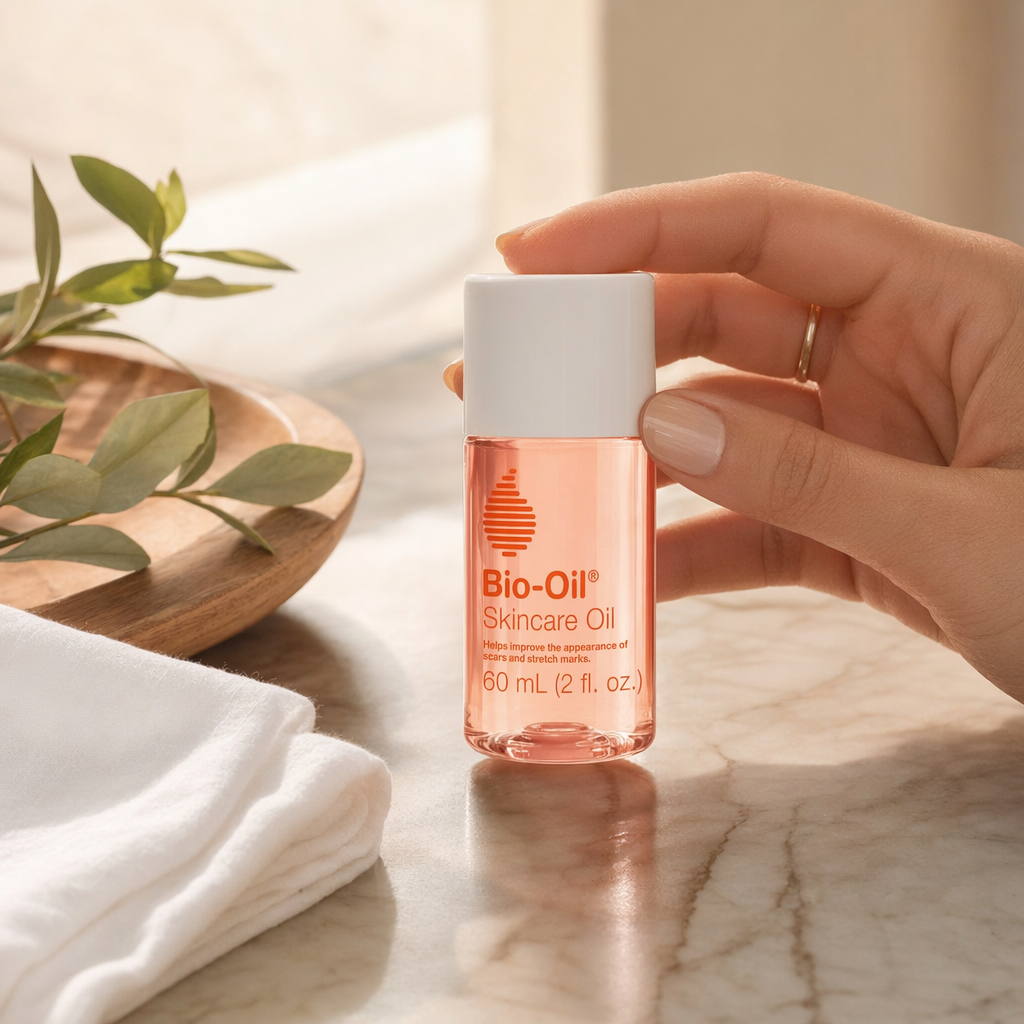
Daily application of Bio-Oil Skincare Oil for Scars Stretch Marks — consistency beats concentration.
Side-by-Side Comparison
| Product | Best For | Key Active | Texture | Price Tier | Skip If |
|---|---|---|---|---|---|
| Cliganic Jojoba Oil | All skin types, barrier repair | Jojoba (liquid wax) | Lightweight, fast-absorb | $ | Want multi-tasking actives |
| Good Molecules 1% Retinol Night Oil | Experienced retinol users | 1% Retinol, Rosehip | Dry-finish oil | $ | Already using a retinol serum |
| Bio-Oil Skincare Oil | Scars, uneven texture | Vitamins A & E | Lightweight, slightly slick | $ | Fragrance-sensitive skin |
| Sunday Riley Luna | Dry skin, retinol veterans | Encapsulated retinol, blue tansy | Rich, absorbs clean | $$$ | Retinol beginners, tight budget |
| Palmer’s Skin Therapy Oil | Dry skin, budget blends | Rosehip, Vitamin C & E blend | Medium-weight | $ | Acne-prone or oily skin |
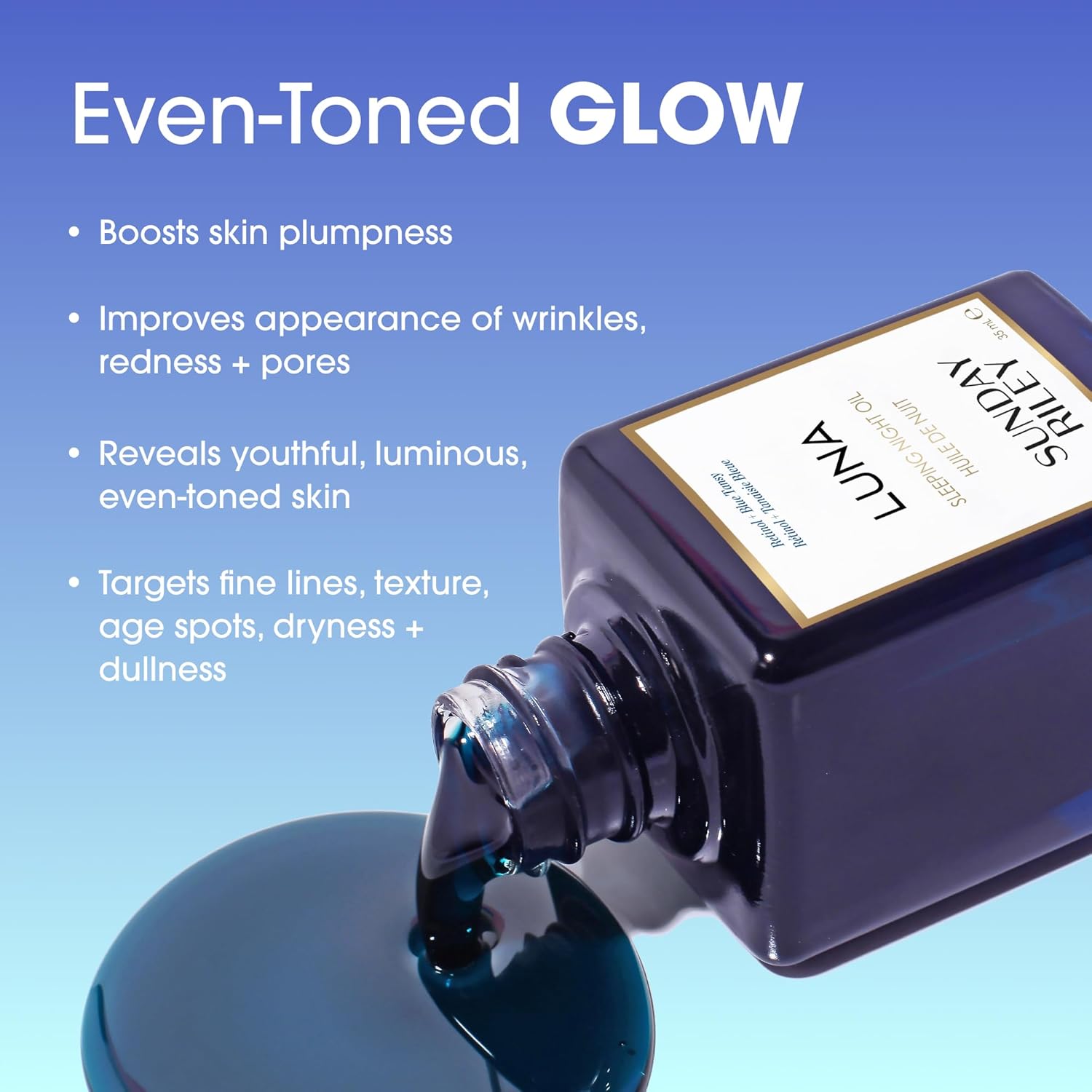
Sunday Riley Luna Retinol Sleeping Night Face Oil — the budget-tier pick that holds its own.
What to Know Before You Buy
What Actually Matters in a Post-Retinol Oil
The most important thing a face oil does after retinol is reinforce the lipid barrier without introducing new irritants. That means prioritizing oils high in linoleic acid — rosehip, jojoba, hemp seed — over oleic-heavy options like marula or argan, which can be too occlusive for already-stressed skin. Antioxidant support (vitamins C and E, blue tansy) is a useful bonus, but it’s secondary to the barrier function. Fragrance, on the other hand, is never a bonus in this context — it’s a liability.
Skin Type Compatibility Cheat Sheet
Oily and acne-prone skin does best with jojoba or rosehip-based oils — both are non-comedogenic and absorb without leaving a film. Dry skin can handle richer blends like Palmer’s or Sunday Riley Luna, where the heavier emollients actually serve a purpose. Sensitive skin should default to single-ingredient options (Cliganic jojoba being the obvious choice) and avoid anything with added fragrance. Combination skin generally tolerates jojoba and lightweight rosehip blends without issue, applied only to drier zones if needed.
Price vs. Performance: Where the Line Is
The honest answer is that most of the barrier-support work happens in the $10-$15 range. Cliganic jojoba and Good Molecules both deliver real results without the markup. Sunday Riley Luna is the only product here that justifies a higher price through formulation — specifically the encapsulated retinol delivery system, which does meaningfully reduce irritation compared to standard retinol formats. Bio-Oil and Palmer’s sit in a middle tier that’s fine but not exceptional. Neither is overpriced; neither is a standout.
Layering Logic: Oil Before or After Moisturizer?
Face oils generally go on last in a nighttime routine — after serums and moisturizer — because they’re occlusive and seal in everything underneath. The exception is if you’re using a very lightweight oil like jojoba, which can go before a heavier moisturizer without issue. For the Good Molecules and Sunday Riley options, which contain retinol, treat them as your retinol step and layer accordingly: apply to clean skin, let it absorb for a few minutes, then follow with a plain moisturizer if needed. More detail on building this kind of routine is in the anti-aging routine guide for beginners.
Common Formulation Mistakes to Avoid
The biggest mistake is using a comedogenic oil on acne-prone skin and blaming the retinol when breakouts appear. Coconut oil, cocoa butter, and wheat germ oil all rank high on the comedogenic scale — none of them belong in a post-retinol routine for breakout-prone skin. The second mistake is layering two retinol products without realizing it. If you’re already using a retinol serum, the Good Molecules or Sunday Riley options aren’t additions — they’re replacements. Using both simultaneously is a fast route to over-exfoliation, peeling, and a compromised barrier that takes weeks to recover.
Frequently Asked Questions
Should I apply face oil before or after retinol?
Apply face oil after retinol, not before. Oils create an occlusive layer that can slow retinol absorption if applied first — which reduces efficacy. The standard order is: cleanser, toner (if used), retinol, wait a few minutes, then oil or moisturizer on top. Some people use the “sandwich method” — moisturizer, retinol, moisturizer — but oil-after is the more straightforward approach for most routines.
Can I use jojoba oil every night after retinol?
Yes. Jojoba is one of the few oils stable enough for nightly use on almost all skin types, including oily and acne-prone. Its non-comedogenic profile and close structural similarity to skin’s natural sebum make it a low-risk choice for consistent use. The Cliganic option on this list is a reliable, affordable way to do exactly that without overcomplicating a retinol routine.
Is Sunday Riley Luna worth the price compared to a $10 jojoba?
For pure barrier support, no — jojoba does that job at a fraction of the cost. Luna earns its price through the encapsulated retinol delivery system, which genuinely reduces irritation compared to standard retinol formats, and the blue tansy anti-inflammatory base. If you’re consolidating your routine into one oil step and you’re an experienced retinol user, the premium makes sense. Otherwise, a $10 jojoba plus your existing retinol product covers the same ground.
Are these oils safe to use during pregnancy?
Single-ingredient oils like jojoba are generally considered safe, but retinol-containing products — including Good Molecules 1% Retinol Night Oil and Sunday Riley Luna — are typically avoided during pregnancy due to the vitamin A derivative content. This is a conversation to have with a healthcare provider, not a skincare guide. For pregnancy-safe alternatives, look for oils without any retinol, retinal, or retinyl palmitate in the formula.
How do I know if a face oil is breaking me out or if it’s retinol purging?
Retinol purging typically appears in the first four to six weeks and tends to show up where you already break out. Oil-induced breakouts (comedones from a pore-clogging formula) often appear in new areas and don’t resolve on their own. If you introduce an oil and see new congestion in areas that were previously clear, the oil is the more likely culprit. Switching to a confirmed non-comedogenic option like jojoba is the cleanest way to isolate the variable.
Final Verdict
For most people, Cliganic Organic Jojoba Oil is the right answer — non-comedogenic, genuinely affordable, and compatible with every skin type and retinol formula on the market. It does one thing well, and that’s exactly what post-retinol skin needs.
If you want actives built in, Good Molecules 1% Retinol Night Oil is the budget pick that actually delivers — a real retinol concentration in a rosehip base for $12 is hard to argue with, as long as you’re not doubling up on retinol elsewhere in your routine.
The splurge that earns it: Sunday Riley Luna, specifically for experienced users who want encapsulated retinol delivery and don’t want to layer multiple products at night.
Skip Palmer’s Skin Therapy Oil if you’re acne-prone. The value is real for dry skin, but the cocoa butter base makes it a genuine breakout risk for anyone who clogs easily — and there are better options at the same price point.
Related Reading
- Best Retinol for Beginners with Sensitive Skin of 2026 — Start here if you haven’t committed to a retinol yet.
- Best Retinol Serums for Beginners — What to Buy and What to Skip — The serum formats worth pairing with these oils.
- Retinol ingredient guide — A deeper look at how retinol works and what to expect in the first few months.
- Best Anti-Aging Routine for Beginners in 2026 — How to build the full routine around your retinol and face oil step.






Write Your Review
No reviews yet. Be the first to share your experience!