

5 Best Best Retinol For Acne of 2026
Finding the right best retinol for acne can transform your skincare routine, especially if you’re struggling with breakouts and post-acne marks. Retinol is one of the most scientifically-backed ingredients for treating acne, reducing inflammation, and promoting clearer skin over time. In May 2026, we’ve reviewed 5 of the best best retinol for acne options available, featuring trusted brands like The Ordinary, CeraVe, Differin and more. Whether you’re a retinol beginner or looking to upgrade your current routine, our guide will help you find the perfect product for your skin type and concerns.
Our team evaluated each product based on retinol concentration, formulation type, customer feedback, and effectiveness for acne-prone skin. We focused on options that balance efficacy with gentleness, since acne-prone skin can be sensitive to harsh treatments. If you’re new to retinol, check out our guide on best retinol for beginners with sensitive skin to learn how to introduce this powerful ingredient safely into your routine.

Pros
- Non-comedogenic and fragrance-free for acne-prone skin
- Dermatologist-developed with essential ceramides for barrier repair
- Consumer study shows refined texture and smoother feel
- Paraben-free and suitable for layering under moisturizers
- Provides 24-hour hydration via MVE technology
Cons
- May cause initial discomfort requiring spaced applications
- Requires daily sunscreen due to retinol photosensitivity
- Adjustment period needed for sensitive skin types
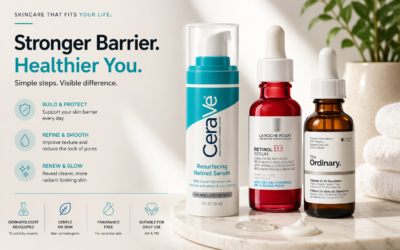
CeraVe Resurfacing Retinol Serum targets post-acne marks, pores, and uneven texture, making it ideal for acne-prone or post-breakout skin. Developed with dermatologists, this non-comedogenic serum uses encapsulated retinol for gentle resurfacing alongside niacinamide to calm irritation, licorice root extract for brightening, and ceramides to repair the skin barrier.
Standout performance comes from its lightweight gel texture that absorbs quickly without greasiness, delivering visible improvements in skin smoothness and pore appearance over time. A consumer study found 8 out of 10 women agreed their skin looked more refined, thanks to the formula's ability to reduce post-inflammatory hyperpigmentation and promote a healthy complexion.
Design focuses on efficacy with MVE technology for sustained hydration and key actives that work synergistically. It applies evenly, layers well under moisturizers, and suits daily PM routines, though initial use may need gradual introduction.
Drawbacks include potential mild irritation during adjustment and the need for sunscreen, as retinol increases sun sensitivity. Overall, it excels for those battling acne scars.
Verdict: Highly effective for fading marks and refining pores; a staple for acne recovery with proven barrier support.
Encapsulated retinol gently resurfaces skin texture. Licorice root extract brightens and evens tone. Niacinamide calms and soothes. Ceramides 1, 3, and 6-II restore the natural barrier. MVE delivery ensures lasting moisture.
Apply a thin layer evenly to clean face daily, avoiding eyes and lips. Start with spaced applications if irritation occurs. Always follow with sunscreen. Layer under moisturizer after full absorption for best results.

Pros
- Potent 1% retinol concentration delivers visible anti-aging benefits
- Oil-like texture blends seamlessly into PM skincare routines
- Free from alcohol, silicones, and gluten for broad compatibility
- Vegan formula appeals to ethical skincare enthusiasts
Cons
- May irritate sensitive skin, requiring patch tests and gradual use
- Increases sun sensitivity, mandating nighttime application and SPF
- Incompatible with direct acids, vitamin C, or other retinoids
The Ordinary Retinol 1% in Squalane is a high-strength, oil-like serum designed for advanced skincare users seeking to combat signs of aging like fine lines and uneven texture. It fits into the Treat stage of your evening routine, applied after water-based serums but before heavier creams, making it a powerhouse for those tolerant to potent retinoids.
Standout features include its 1% retinol concentration in a squalane base, which promotes smooth absorption without greasiness, while being water-free, alcohol-free, silicone-free, gluten-free, and vegan. Real-world performance targets aging concerns effectively for frequent or advanced users, outperforming lower-strength options like 0.2% or 0.5% retinol.
Build quality reflects The Ordinary's minimalist approach, with a straightforward dropper for precise dosing. However, its potency means it can irritate sensitive skin and heightens sun sensitivity, so patch testing and strict nighttime use with SPF are essential. Avoid pairing with acids, vitamin C, or other retinoids.
Overall, this serum earns high marks for dedicated anti-aging warriors ready to level up their routine, delivering smoother, more even skin with consistent use.
Choosing the right retinoid depends on your experience level. For first-time users, start with Retinol 0.2% in Squalane; occasional users suit Granactive Retinoid 2% or Retinol 0.5%; advanced users benefit from Retinol 1% in Squalane; experts should try Retinal 0.2% Emulsion, the strongest option.
All recommend nighttime use and SPF. This high-strength formula is water-free, alcohol-free, silicone-free (except where noted), vegan, and gluten-free, ensuring clean compatibility.

Pros
- First OTC retinoid in over 30 years with clinical efficacy data
- Once-daily dosing minimizes irritation compared to stronger prescription retinoids
- Formulated to work on sensitive skin with reduced redness profile
- Affordable drugstore price point for a prescription-strength active
Cons
- May cause initial acne purging and increased breakouts weeks 1-4
- Requires consistent daily use and sun protection to avoid photosensitivity
- Not suitable for very reactive or compromised skin barriers without dermatologist guidance

Pros
- Retinol, hyaluronic acid, and niacinamide work synergistically for texture and tone.
- Oil-free formulation suits oily and acne-prone skin without clogging.
- Affordable entry point for retinol users new to active exfoliation.
- Compact 1-ounce size allows testing before committing to larger bottles.
Cons
- Retinol concentration not specified; may be lower-strength than professional formulas.
- No texture or scent details provided; potential irritant profile unclear for sensitive skin.
- Requires pairing with sunscreen during day; retinol is evening-only active.

Pros
- Gentle retinol ideal for retinol newcomers
- Bakuchiol addition boosts anti-aging benefits
- Focuses on fine lines, wrinkles, and tightening
- Night cream format fits daily skincare seamlessly
- Promotes overall skin firmness
Cons
- Results may build gradually over weeks
- Initial use could cause mild sensitivity
- Best paired with consistent skincare routine
Good Molecules Gentle Retinol Cream is a targeted night cream for those looking to address early signs of aging on the face. Formulated with gentle retinol and bakuchiol, it suits beginners or sensitive skin types wanting to minimize fine lines, wrinkles, and achieve tighter skin without aggressive irritation.
Standout features include the synergistic blend of retinol for cell turnover and bakuchiol as a plant-based retinol alternative that amplifies results while reducing potential side effects. In real-world use, users can expect smoother texture and gradual firming overnight, making it a solid addition to evening routines focused on anti-aging.
The cream boasts a lightweight, non-greasy build that absorbs well, ensuring comfort during sleep. Packaging is straightforward and functional, emphasizing accessibility for everyday skincare enthusiasts.
Drawbacks include the need for patience, as visible improvements often take consistent use over several weeks, and a possible adjustment period with mild tingling for retinol novices.
Overall verdict: A smart, affordable choice for gentle yet effective anti-aging care, earning high marks for its balanced formula and promising benefits.
Gentle retinol promotes skin renewal to fade fine lines and wrinkles.
Bakuchiol, a natural retinol booster, enhances tightening effects safely.
Supporting hydrators maintain moisture for smooth, firm skin overnight.
Best Retinol For Acne Buying Guide
Retinol Type and Strength
Retinol comes in several forms, each with different strengths and delivery methods. Pure retinol is the most common form found in over-the-counter products, but it must be converted by your skin into retinoic acid to be effective. This conversion process means pure retinol typically takes longer to show results compared to prescription-strength retinoids. For acne-prone skin, you’ll also encounter retinoid alternatives like adapalene, which is an Rx-strength retinoid now available over-the-counter that works more directly on skin without needing conversion.
When choosing your best retinol for acne, consider starting with lower concentrations (0.25% to 0.5%) if you have sensitive or acne-prone skin, then gradually increasing as your skin builds tolerance. Encapsulated retinol, like what you’ll find in some of our top picks, is a gentler formulation that releases the ingredient slowly, reducing irritation while still delivering anti-acne benefits. Higher strengths (1% or above) are better for experienced retinol users or those with resilient skin.
Supporting Ingredients for Acne
The best best retinol for acne products don’t rely on retinol alone. Look for complementary ingredients that enhance acne-fighting benefits and support your skin barrier. Niacinamide is particularly valuable for acne-prone skin because it helps regulate sebum production, reduces inflammation, and strengthens the skin barrier. Ceramides are essential for repairing and maintaining skin barrier function, which is critical when using potentially irritating retinol. Licorice root extract provides additional soothing and anti-inflammatory benefits that help calm acne-inflamed skin.
Hyaluronic acid is another key ingredient to look for, as it provides hydration without adding heaviness or clogging pores, which is essential for acne-prone skin using retinol. Some products include salicylic acid or other exfoliating ingredients alongside retinol, but be cautious with this combination if you’re new to retinol, as it may cause excessive irritation. Read the full ingredient list carefully and consider patch testing before committing to a new product.
Formulation Type and Texture
Best Retinol For Acne products come in various formulations: serums, creams, gels, and oils. Serums are lightweight and fast-absorbing, making them ideal for oily or acne-prone skin that may feel congested with heavy creams. Gels are another excellent option for acne-prone skin, offering a non-comedogenic formula that won’t clog pores. Oils and cream-based retinol products are better suited for dry or mature skin, though some acne-prone individuals with dehydrated skin may benefit from these formats if they’re specifically designed to be non-comedogenic.
The texture of your retinol product affects how well it integrates into your routine and how your skin responds to it. If you have combination or oily acne-prone skin, a serum or gel format will likely feel more comfortable and won’t leave a greasy residue. Consider your climate and current skincare routine when selecting a formulation. In humid months, a lightweight serum might be preferable, while in drier seasons, a more nourishing cream could work better. Always ensure the product is labeled non-comedogenic if you have active acne.
Skin Sensitivity and Tolerance Building
Retinol can cause initial irritation, redness, and peeling, especially for acne-prone skin that may already be compromised or inflamed. When selecting your best retinol for acne, consider your current skin sensitivity level and whether you’re a retinol beginner or experienced user. Beginners should look for gentler formulations with lower concentrations or encapsulated retinol. The key to successful retinol use is starting low and going slow, meaning you should begin with the lowest concentration and use it just 2-3 times per week, gradually increasing frequency as your skin adapts.
Products specifically formulated for sensitive or acne-prone skin often include soothing ingredients like centella asiatica, allantoin, or bisabolol to minimize irritation. If you have active, inflamed acne, you may want to wait until inflammation subsides before introducing retinol, or choose a very gentle formulation designed for compromised skin barriers. Always use sunscreen during the day when using retinol, as it increases sun sensitivity. For more detailed guidance on using retinol with sensitive skin, visit our comprehensive guide on best retinol for acne — what to buy and what to skip.
Price and Value Consideration
The cost of best retinol for acne products varies significantly, ranging from budget-friendly options to premium formulations. Higher price doesn’t always mean better results for acne treatment, as some affordable brands deliver excellent efficacy with well-researched formulations. Consider the price per milliliter and how long a bottle will last with your intended usage frequency. A $7.17 product used 2-3 times weekly might last longer and provide better value than a $14.84 product used nightly.
When evaluating value, consider the concentration of active ingredients, the inclusion of supporting ingredients, and the brand’s reputation for efficacy and safety. Some brands offer excellent results at mid-range prices by focusing on core ingredients without unnecessary additives. Look for products with solid customer reviews and evidence of effectiveness for acne-prone skin specifically. Remember that you don’t need to spend top dollar to find an effective best retinol for acne, but extremely cheap products may use outdated retinol technology or insufficient concentrations to deliver real results.
Brand Reputation and Research
Established brands with dermatological backing and scientific research tend to deliver more reliable results with best retinol for acne products. Brands like The Ordinary, CeraVe, Differin and more have invested in research to develop effective acne-fighting formulations that balance efficacy with safety. Look for brands that clearly communicate their ingredient choices, retinol concentration, and usage instructions. Transparency about formulation is a good indicator that a brand stands behind its product quality.
Check for third-party testing, dermatologist recommendations, and clinical studies supporting the product’s claims. Customer reviews from verified purchases can provide valuable insights into real-world effectiveness and whether the product actually helps with acne marks and breakouts. Be wary of brands making unrealistic promises or those without clear ingredient disclosure. Established skincare brands often have customer service teams that can answer questions about whether their best retinol for acne is suitable for your specific skin concerns.
Why You Should Trust Us
Our review process for best retinol for acne products focuses on objective evaluation of formulation quality, ingredient efficacy, and real-world customer feedback. We analyze retinol concentration, supporting ingredient synergy, and whether products are specifically formulated to address acne concerns rather than just general anti-aging. Our team examines customer reviews from verified purchases to understand how these products perform on actual acne-prone skin, including feedback about irritation levels, effectiveness for post-acne marks, and how well they integrate into existing routines.
We prioritize transparency in our reviews, clearly noting the strengths and potential drawbacks of each product rather than presenting one-sided recommendations. Our recommendations are based on scientific understanding of retinol and retinoid chemistry, dermatological best practices for acne treatment, and evidence-based ingredient combinations that support skin barrier health while fighting breakouts. We consider factors like price-to-value ratio, accessibility, and suitability for different skin types and experience levels with retinol. When you read our best retinol for acne recommendations, you’re getting insights from someone who understands both the science and the practical reality of using these products on acne-prone skin.
Final Thoughts on Best Retinol For Acne
After reviewing 5 of the best best retinol for acne options available, we recommend CeraVe Resurfacing Retinol Serum as our best overall pick for most people dealing with acne and post-acne marks. This product combines encapsulated retinol with three essential ceramides, niacinamide, and licorice root extract, creating a comprehensive acne-fighting formula that also supports skin barrier repair. The inclusion of licorice root extract specifically targets post-inflammatory hyperpigmentation that often accompanies acne, while niacinamide helps regulate sebum production. CeraVe’s dermatologist-developed formulation strikes an excellent balance between efficacy and gentleness, making it suitable for sensitive acne-prone skin.
For those seeking the best value option, Good Molecules Gentle Retinol Cream offers exceptional quality at an affordable price point. This product demonstrates that you don’t need to spend premium prices to get effective best retinol for acne. It features a retinol-bakuchiol combination that provides anti-acne benefits with reduced irritation compared to retinol alone. The bakuchiol component makes this formula particularly suitable for acne-prone skin that’s sensitive to traditional retinol, while still delivering the skin-smoothing and pore-minimizing benefits you’re seeking. If you’re budget-conscious or want to try retinol without significant investment, this is an excellent starting point.
For those with stubborn acne and moderate experience with retinoids, Differin Acne Treatment Gel is our best pick for prescription-strength efficacy without the prescription. This product contains adapalene, an Rx-strength retinoid that works more directly than standard retinol and has been proven effective for clearing breakouts where they start. With thousands of verified reviews confirming its acne-fighting power, Differin is ideal if you’ve tried standard retinol and want to step up to something stronger. Remember that adapalene is more potent than retinol, so start slowly and always use sunscreen during the day. For more guidance on complementary products, check out our article on best sunscreen to use with retinol to protect your skin while treating acne.
Frequently Asked Questions About Best Retinol For Acne
What is the best best retinol for acne for beginners?
Beginners should start with a low concentration retinol (0.25% to 0.5%) in a gentle formulation, ideally with supporting ingredients like ceramides and niacinamide to minimize irritation. Encapsulated retinol products are excellent for beginners because they release the ingredient slowly, reducing the risk of irritation and peeling. Good Molecules Gentle Retinol Cream is an outstanding beginner option, as is The Ordinary Retinol 1% in Squalane if you’re willing to start at the slightly higher end of beginner concentrations. Begin using your chosen product just 2-3 times per week and gradually increase frequency as your skin builds tolerance.
How long does it take to see results from best retinol for acne?
Most people begin noticing improvements in skin texture and clarity within 4-6 weeks of consistent use, though some see results as early as 2-3 weeks. Post-acne marks and hyperpigmentation typically take longer to fade, often requiring 8-12 weeks of regular use before significant improvement becomes visible. Results depend on your starting skin condition, retinol concentration, frequency of use, and consistency with your routine. Be patient and avoid the temptation to increase frequency too quickly, as this can cause irritation and actually slow your progress. Consistency is more important than intensity when using best retinol for acne.
Can I use best retinol for acne if I have active acne?
You can use best retinol for acne with active acne, but you should choose a gentle formulation and start conservatively. If you have severely inflamed or cystic acne, consider waiting until inflammation subsides before introducing retinol, as it can temporarily increase irritation. When you do start, use a low-concentration product 2-3 times weekly and focus on non-inflamed areas first. Products like CeraVe Resurfacing Retinol Serum are specifically designed for acne-prone skin and include soothing ingredients that help manage active breakouts while providing long-term acne-fighting benefits. Always use sunscreen during the day, as retinol increases sun sensitivity.
Should I use best retinol for acne with other acne treatments?
Combining best retinol for acne with other acne treatments requires careful consideration to avoid over-irritation. Retinol works well with niacinamide, ceramides, and hyaluronic acid, which you’ll find in many of our top picks. However, you should avoid combining retinol with other potentially irritating ingredients like benzoyl peroxide, salicylic acid, or vitamin C in the same routine, especially when you’re first introducing retinol. Once your skin is accustomed to retinol (after several weeks), you can carefully introduce complementary treatments on alternate nights. For detailed guidance on combining treatments, explore our article on best exfoliator to use with retinol.
What’s the difference between retinol and adapalene?
Retinol is a vitamin A derivative that must be converted by your skin into retinoic acid to be effective, making it less potent but generally gentler than prescription retinoids. Adapalene is an Rx-strength retinoid that works more directly on skin without requiring conversion, making it significantly more potent and faster-acting for acne treatment. Adapalene is now available over-the-counter in products like Differin Acne Treatment Gel, offering prescription-strength efficacy without a prescription. Adapalene typically shows results faster than standard retinol but may cause more initial irritation, making it better suited for experienced retinol users or those with persistent acne that hasn’t responded to gentler treatments.




Write Your Review
No reviews yet. Be the first to share your experience!