The under-eye area is one of the first places dehydration shows, and it’s also the most unforgiving to neglect. The skin there is thinner than anywhere else on the face, has fewer oil glands, and sits over muscles that move hundreds of times a day. That combination means it loses moisture faster and shows the impact of that loss more visibly. You need a formula that actually delivers and holds hydration in an area that constantly fights it.
Our editors assessed these formulas against the quality of their humectant and emollient blend, packaging that protects active ingredients, and aggregated verified-buyer feedback from thousands of long-term users. For those dealing with more than dryness, particularly fine lines around the eyes, our best retinol eyecream breakdown covers the active-ingredient route. The five picks below focus on hydration first, which is what the under-eye zone needs most consistently.
Quick answer: CeraVe Eye Repair Cream is the most consistently recommended pick for daily hydration across all skin types. e.l.f.’s Holy Hydration cream is the value option. Neutrogena Hydro Boost suits lightweight texture preferences. Kiehl’s Avocado Treatment is the richest pick for very dry or mature skin, and BYOMA’s barrier repair formula is the best option for sensitized or compromised skin.

Pros
- Hyaluronic acid and niacinamide provide lasting hydration
- Lightweight formula absorbs quickly without residue
- Suitable for sensitive and eczema-prone skin
Cons
- No potent actives for dark circles
- Limited anti-aging ingredients in formula
Pros
- Hyaluronic acid and niacinamide provide lasting hydration
- Lightweight formula absorbs quickly without residue
- Suitable for sensitive and eczema-prone skin
Cons
- No potent actives for dark circles
- Limited anti-aging ingredients in formula
- Hyaluronic acid draws moisture into skin while niacinamide helps soothe irritation, making this suitable for normal to dry skin types that need barrier support without heaviness around the eye area.
- Fast-absorbing, non-greasy texture works morning and night alone or layered under makeup, pairs well with vitamin C serums but avoid layering with high-strength retinoids immediately around orbital bone.
- Hyaluronic Acid: humectant that binds water to help plump and hydrate skin's surface layers.
- Niacinamide: helps visibly calm redness and supports skin's barrier function over time.
- Ceramides 1, 3, 6-II: lipids that help restore and maintain the skin's protective moisture barrier.
- Multi-Vesicular Emulsion (MVE): encapsulation technology that releases moisturizing ingredients gradually for extended hydration.


How We Evaluated These Eye Creams
We looked at the humectant and emollient balance first. A hydrating eye cream needs something that draws moisture to the skin (hyaluronic acid, glycerin) and something that locks it in (ceramides, fatty acids, shea). Hyaluronic acid alone can backfire in dry climates because it pulls from the skin if atmospheric humidity is low. The best formulas combine both mechanisms.
We cross-referenced ingredients against verified-buyer feedback at the three-month mark, since initial “plumping” effects from humectants are temporary; the buyers who report visible improvement after months of use are the ones describing real, lasting change. We required fragrance-free or low-fragrance formulations since the eye area is the most reactive zone on the face, and we gave weight to packaging that prevents contamination and product degradation over the life of the jar.
CeraVe Eye Repair Cream — Best Everyday Hydration
CeraVe’s formula is the one dermatologists recommend most often because it’s honest and effective without requiring a lot from the buyer. Three ceramides, hyaluronic acid, and niacinamide in a fragrance-free base: that’s a real hydration system for the under-eye zone, not marketing. The ceramides support barrier function, the hyaluronic acid draws moisture in, and the niacinamide helps with the faint darkness some people attribute to thin, dehydrated skin. It absorbs without leaving a film that migrates into the eyes, which is the practical concern that eliminates a lot of eye creams from daily use.
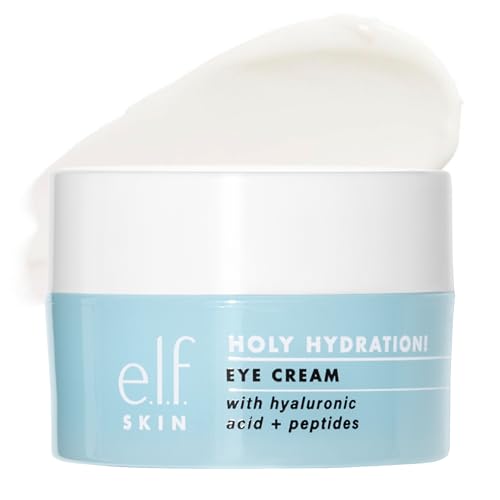
e.l.f. SKIN Holy Hydration Eye Cream — Best Value
e.l.f. has moved well beyond drugstore quality in their skincare line, and this eye cream is one of the better examples. Hyaluronic acid, peptides, and niacinamide in a lightweight gel-cream texture deliver consistent hydration without the heaviness you’d associate with a budget product. The fast-absorbing texture doesn’t migrate or interfere with makeup, making it the practical daily-wear choice for buyers who apply concealer afterward. The price makes it easy to use with both hands and apply generously, which is actually how most eye creams should be used but rarely are.
Neutrogena Hydro Boost Under Eye Cream — Best Lightweight Option
This is the eye cream version of Neutrogena’s Hydro Boost franchise, and it stays true to that line’s texture philosophy: weightless, gel-based, and absorbed without residue. Pure hyaluronic acid is the anchor ingredient, which makes it the best option for normal to combination skin that doesn’t need heavy emollient coverage. The trade-off is that it won’t do much for very dry skin in cold climates, because hyaluronic acid alone without occlusive backup can actually pull moisture out of thin skin in low-humidity environments. Humid climates and well-moisturized skin types get the most from it.
Kiehl’s Avocado Eye Treatment — Best for Very Dry or Mature Skin
Kiehl’s has made this formula for decades, and its longevity reflects how well it performs for its target user: dry, mature, or very parched under-eye skin that needs heavy lipid replenishment alongside hydration. Avocado oil provides a rich emollient layer that other eye creams in this category don’t match. It’s not for everyone. The heavier texture isn’t ideal under makeup or for oily lids — but it’s the cream that dry-skin buyers who’ve tried lighter formulas and found them insufficient tend to come back to. The small jar size reflects how little you actually need per application.
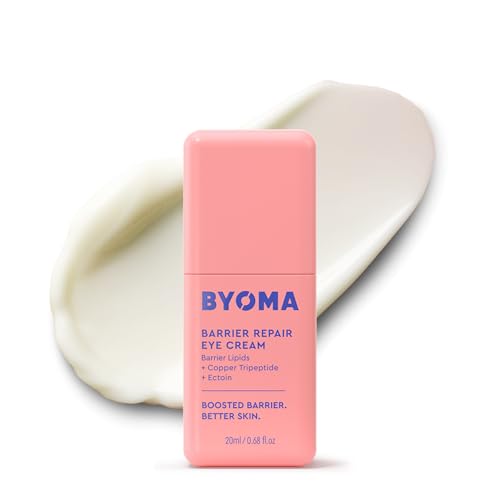
BYOMA Barrier Repair Eye Cream — Best for Sensitized Skin
BYOMA formulates specifically around skin barrier science, and the eye cream reflects that. It’s built on ceramides, fatty acids, and cholesterol in the physiological ratio that mirrors what the barrier is made of, making it the most effective way to restore function when the barrier is compromised. For anyone whose under-eye zone is reactive, red, or irritated from previous products, this is the formula that lets you continue moisturizing without making the sensitivity worse. The lightweight-but-effective texture is functional for both AM and PM use.
What to Look For in a Hydrating Eye Cream
Humectant plus emollient is the combination that works. Hyaluronic acid draws moisture to the skin, but it needs an emollient or occlusive layer over it to prevent that moisture from evaporating. A formula that has both works better than a high-concentration single-ingredient product. Look for hyaluronic acid alongside ceramides, squalane, shea butter, or peptides.
Fragrance is a real concern around the eyes. The eye area is more sensitive than the rest of the face, and fragrance is the most common contact irritant in skincare. Fragrance-free or very low-fragrance formulas reduce the risk of the stinging, watering, and puffiness that fragrance can cause in that zone, especially overnight when the product stays on the skin for hours.
Packaging affects how long it works. Hyaluronic acid and peptides degrade faster in jar packaging exposed to air and fingers. Airless pumps or tubes extend the formula’s working life and reduce contamination. If you’re investing in a higher-end formula, packaging that actually protects what’s inside matters.
Frequently Asked Questions
Do eye creams actually work, or can I use regular moisturizer?
A good moisturizer on the under-eye area works. Eye creams are optimized for thin, sensitive skin and formulated to avoid migrating into the eye, which is a real concern with heavier face moisturizers. They’re not required, but they’re not a scam either. If your face moisturizer doesn’t irritate your eyes and absorbs well in that zone, it’s a reasonable substitute.
How often should I apply eye cream?
Morning and evening is the standard recommendation, and it makes sense: morning provides a hydrating base under makeup, evening gives a longer contact time for absorption. If you’re using just one application, evening wins because sleep is when the skin does most of its repair work.
Why is the under-eye area darker?
Under-eye darkness has several causes. Thin skin allowing blood vessels to show through is the most common. Dehydration makes it more visible because thinned, sunken skin casts more shadow. Hyperpigmentation from rubbing or sun exposure is another cause. Hydrating eye creams address the dehydration component, but melanin-related darkness needs a different approach.
Can eye cream cause milia?
Rich eye creams can contribute to milia, which are small white keratin deposits that form when skin can’t shed normally. Using a heavier formula than your skin needs, applying too much, or layering over areas that are already congested are the common causes. If you’re prone to milia, a lighter gel-cream or serum-weight formula is the better choice.
At what age should you start using eye cream?
The mid-20s is when most dermatologists suggest adding an eye cream or targeted moisturizer, as a preventative measure rather than correction. Hydration supports the collagen-rich environment that prevents premature fine lines. Earlier isn’t harmful, but the biggest return is from consistent use starting in your mid-20s through your 30s.
Bottom Line
CeraVe Eye Repair Cream is the daily pick that suits most people across age and skin type, combining ceramides and hyaluronic acid in a fragrance-free formula that dermatologists actually recommend. e.l.f.’s Holy Hydration is the value version that doesn’t cut corners. Neutrogena Hydro Boost is the best choice for lightweight texture preference. Kiehl’s Avocado Treatment is the richest formula for dry or mature skin, and BYOMA’s barrier-focused cream earns its place for sensitized skin that needs repair alongside hydration. Apply morning and evening, apply generously with your ring finger, and pair with SPF on the upper cheek bone in the daytime.