Here’s the mistake acne-prone people make most: skipping moisturizer to keep skin from getting greasy. It backfires. Stripped, dehydrated skin ramps up oil production to compensate, and a lot of acne treatments like benzoyl peroxide and retinoids are drying enough to wreck your barrier without one. The right moisturizer keeps skin balanced, calms the irritation those actives cause, and does it without clogging pores or triggering fresh breakouts.
The hard part is finding one that hydrates without feeling heavy or comedogenic. To sort it out, our editors evaluated dozens of moisturizers against non-comedogenic formulation, calming and barrier-supporting ingredients, and aggregated feedback from thousands of verified buyers with acne-prone skin. The five below earned their spots. If you’re layering treatments, our best niacinamide serum guide pairs well with any of these for oil control.
Quick answer: For most people, Cetaphil Gentle Clear is the best all-around acne moisturizer. La Roche-Posay Toleriane is the barrier-repair pick, PanOxyl PM suits skin on strong actives, Dr.Althea calms irritated skin, and medicube Jelly Cream is the lightweight hydrator for oilier types.

Pros
- Immediate comfort and long-lasting hydration
- Suitable for all skin types including sensitive
- Key ingredients like ceramide and niacinamide target barrier repair
- Lightweight yet rich enough for dry skin
- Fragrance-free to minimize irritation
Cons
- Lacks built-in SPF, requiring separate sunscreen
- Rich texture may feel heavy on very oily skin
- Best results come with consistent use in a full routine
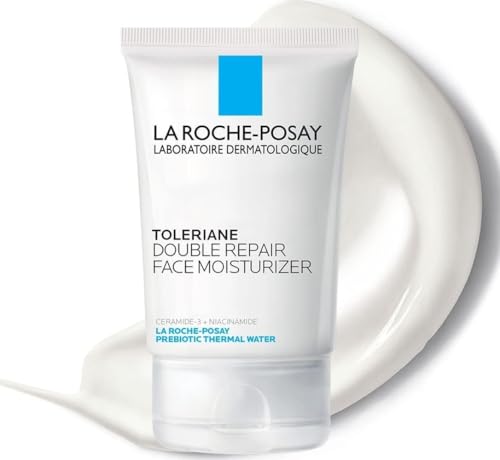
La Roche-Posay Toleriane Double Repair Face Moisturizer is a daily cream designed for all skin types, especially sensitive and dry ones. It features ceramide and niacinamide to repair the skin barrier, support the microbiome, and deliver immediate comfort alongside 48-hour hydration. Dermatologists recommend it as the moisturizing step after cleansing and treating with serums.
Standout features include its dual-action formula that not only hydrates but also restores skin health, with a lightweight cream texture that absorbs fast for non-greasy wear. In real-world use, it integrates seamlessly into morning and night routines, plumping skin and maintaining moisture without overwhelming oily or combination types. Product safety is emphasized, making it a reliable choice for everyday care.
The build quality reflects La Roche-Posay's thermal spring water base and rigorous testing, ensuring gentleness. Packaging is practical for easy application, though it lacks SPF, so pair it with sunscreen for daytime protection.
Potential drawbacks include needing a separate SPF and possibly feeling richer on extremely oily skin, but these are minor for most users. Overall verdict: an excellent, science-backed moisturizer that earns its holy grail status for hydration and repair.
Ceramide repairs and reinforces the skin barrier, preventing moisture loss. Niacinamide soothes, reduces inflammation, and improves texture for balanced skin.
Fragrance-free and tested on sensitive skin, it supports the microbiome for healthier skin ecosystem. Ideal after serums like Hyalu B5 for optimal absorption.
Apply morning and night after cleansing and serum. Follow with SPF in the AM. Pairs perfectly with La Roche-Posay's gentle cleanser, Hyalu B5 serum, and Anthelios sunscreen for complete care.
Use as the third step: cleanse, treat, moisturize, protect. Lightweight texture suits all skin types.


How We Evaluated These Moisturizers
Our team didn’t wear each moisturizer for weeks on end. For acne-prone skin, comparing formulas matters more: we checked whether each is non-comedogenic and fragrance-free, since fragrance is a common irritant, and we scanned ingredient lists for heavy oils and waxes that tend to clog. We also looked for the good stuff, like ceramides and hyaluronic acid for the barrier, niacinamide for oil control, and gentle actives that treat without over-drying.
From there we aggregated verified buyer feedback from acne-prone users specifically, weighting patterns over one-off reviews. When hundreds of people with breakouts report a formula didn’t clog them, that’s the signal worth trusting. We also weighed how well each layers under treatments and sunscreen, plus value. Everything that made the cut had to be in stock, honestly labeled, and reasonably priced.
Cetaphil Gentle Clear Mattifying Moisturizer — Best Overall
This is the one we point most acne-prone people to first. It folds a low dose of salicylic acid into a lightweight, non-comedogenic base, so it hydrates and does a little pore-clearing at the same time. The mattifying finish is a genuine plus for oily skin that hates feeling slick by midday. Buyers with breakout-prone skin consistently report it hydrates without triggering new spots, which is exactly the balance most people are chasing. It won’t be enough moisture for very dry skin, and the salicylic acid means you’ll want to watch total acid use. For everyday acne care, it’s the reliable default.
La Roche-Posay Toleriane Double Repair — Best for Barrier Repair
When acne treatments have left your skin tight, flaky, and raw, this is the repair pick. It’s built around ceramides and niacinamide to rebuild the barrier, plus prebiotic thermal water to calm things down, all in a fragrance-free formula that acne-prone skin tolerates well. It’s rich enough to soothe over-treated skin but still layers cleanly without clogging. Dermatologists recommend it constantly for a reason. It’s not a treatment moisturizer, so it won’t clear acne on its own, but as the calming, restoring base under your actives, it’s tough to beat.
PanOxyl PM Balancing Repair Moisturizer — Best with Strong Actives
PanOxyl is best known for benzoyl peroxide washes, and this nighttime moisturizer is designed to be their partner. It leans on niacinamide, ceramides, and cica to counteract the dryness and irritation that benzoyl peroxide and retinoids cause, so your skin can tolerate the treatments that actually clear breakouts. That makes it a smart pick if your routine already includes potent actives. It’s a PM formula, so it’s a touch richer than a daytime lotion. If harsh treatments have been fighting your moisturizer instead of working with it, this fixes that.
Dr.Althea 345 Relief Cream — Best for Irritated Skin
This K-beauty cream is the pick for skin that’s inflamed, reactive, and over it. It’s a soothing, barrier-focused formula built to calm redness and irritation, which acne-prone skin dealing with active breakouts and treatment fallout tends to have in spades. It sinks in without heaviness and layers well, making it easy to slot into an existing routine. The calming angle is its whole identity, so it’s less about treating acne directly and more about keeping angry skin comfortable. For sensitive, easily irritated acne-prone skin, it’s a gentle, dependable choice.
medicube Jelly Cream — Best Lightweight Hydrator
For oilier acne-prone skin that finds most creams too much, this jelly-textured hydrator is the answer. It’s built around hyaluronic acid in a light, bouncy formula that delivers long-lasting hydration without a greasy film. That featherweight feel makes it easy to wear under makeup and sunscreen, and oily types appreciate that it hydrates without adding shine. It’s more of a pure hydrator than a treatment, so pair it with your actives rather than expecting it to clear spots. If heavy creams have always felt like too much on your skin, this is the comfortable middle ground.
What to Look For in an Acne Moisturizer
Non-comedogenic and fragrance-free come first. The whole point is hydrating without clogging, so a non-comedogenic label is your baseline. Fragrance-free matters too, since added fragrance is one of the most common triggers for irritation and can make acne-prone skin flare. These two boxes rule out most of the formulas that cause trouble.
Barrier ingredients keep treatments tolerable. Ceramides, hyaluronic acid, and niacinamide are the ingredients that let acne-prone skin handle drying actives without falling apart. Niacinamide is a standout because it hydrates, calms, and helps regulate oil all at once. A moisturizer with these makes your benzoyl peroxide or retinoid far easier to stick with.
Match the texture to your oil level. Oily and combination skin usually does best with a gel or lightweight lotion that won’t sit heavy, while acne-prone skin that’s also dry or over-treated benefits from a richer ceramide cream. Getting the texture right is often the difference between a moisturizer you use daily and one that ends up shoved in a drawer.
Frequently Asked Questions
Should you moisturize acne-prone skin?
Absolutely. Skipping moisturizer dehydrates skin, which pushes it to produce more oil and can worsen breakouts. Acne treatments are also drying, so a good moisturizer keeps your barrier intact and makes those actives tolerable. The key is choosing a non-comedogenic formula that hydrates without clogging.
What ingredients should acne-prone skin avoid in a moisturizer?
Steer clear of heavy occlusive oils like coconut oil, added fragrance, and thick waxes that tend to clog pores. Very rich, greasy balms can trap oil and debris. Instead, look for lightweight, non-comedogenic formulas built around ceramides, hyaluronic acid, and niacinamide.
Can a moisturizer help clear acne?
On its own, a moisturizer mostly supports rather than clears, but some include low doses of salicylic acid that help keep pores clear. Its bigger role is keeping your barrier healthy so the actual acne treatments work without over-drying your skin. Hydrated, balanced skin breaks out less.
When should you apply moisturizer in an acne routine?
Apply it after cleansing and any water-based treatments, and after acne actives have absorbed. Most people moisturize morning and night, following the morning application with sunscreen. If a treatment is very drying, layering moisturizer over it helps buffer the irritation.
Is gel or cream better for acne-prone skin?
It depends on your skin. Oily and combination skin usually prefers a lightweight gel or jelly that hydrates without heaviness, while acne-prone skin that’s dry or on strong actives does better with a ceramide-rich cream. Both work as long as they’re non-comedogenic.
Bottom Line
Moisturizing is non-negotiable for acne-prone skin, and the trick is picking a non-comedogenic formula that hydrates without clogging. Cetaphil Gentle Clear is the all-around pick with a touch of salicylic acid built in, and La Roche-Posay Toleriane is the barrier-repair base under any routine. PanOxyl PM is made to partner with strong actives, Dr.Althea calms irritated skin, and medicube’s Jelly Cream is the featherweight option for oilier types. Match the texture to your skin, stay consistent, and don’t skip sunscreen.