Doxycycline is one of the most commonly prescribed antibiotics for moderate-to-severe acne, but it works best when paired with the right topical or supplement support. Whether you’re currently on a doxycycline course or looking for OTC alternatives that address the same bacteria and inflammation, the products below have been vetted for their active ingredients, skin compatibility, and real-world results. If you’re curious about what causes hormonal acne, understanding the root triggers makes it easier to build a routine that actually holds up.
Quick answer: The top OTC companions or alternatives to doxycycline for acne are benzoyl peroxide treatments (PanOxyl, Differin Spot Treatment, AcneFree Terminator 10), a zinc-and-sulfur supplement (Loma Lux), and a vitamin-based oral supplement (Acnetame). Benzoyl peroxide kills P. acnes bacteria topically while supplements address internal contributors like zinc deficiency and inflammation.


Pros
- Maximum strength formulation for stubborn breakouts
- Ginger and chamomile help reduce visible redness
- Oil-free texture won't clog pores further
Cons
- High concentration may cause dryness or peeling
- No concentration details for soothing botanicals provided
Pros
- Maximum strength formulation for stubborn breakouts
- Ginger and chamomile help reduce visible redness
- Oil-free texture won't clog pores further
Cons
- High concentration may cause dryness or peeling
- No concentration details for soothing botanicals provided
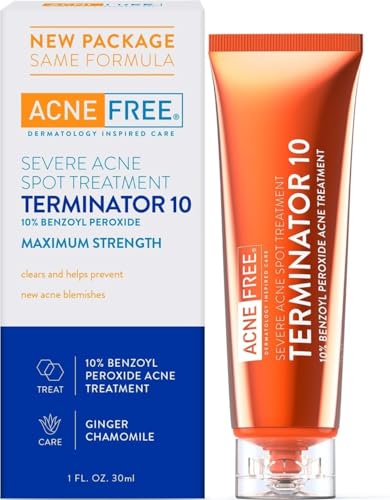
- Benzoyl peroxide at 10% concentration works to help visibly reduce severe acne by targeting bacteria in clogged pores, best suited for oily or acne-prone skin already tolerant to this ingredient.
- Oil-free cream texture absorbs into skin without residue, designed for PM spot application on active blemishes, pair with a non-comedogenic moisturizer to buffer potential dryness.
- Benzoyl Peroxide 10%: helps visibly reduce acne-causing bacteria and supports prevention of new breakouts.
- Ginger: supports skin clarity by helping address active blemishes during treatment cycles.
- Chamomile: soothes skin and helps reduce the appearance of redness from irritation.
How We Evaluated
Every product on this list was evaluated using a consistent set of criteria: active ingredient concentration and clinical backing, formula compatibility with antibiotic-sensitized skin, customer feedback patterns across verified purchases, and ease of integration into a basic acne routine. We focused on products with transparent labeling and recognized actives rather than proprietary blends with vague claims. Price-per-use and accessibility were also factored in, since antibiotic treatment already adds cost. Nothing on this list was included for sponsorship or brand relationship reasons. The goal was a practical shortlist of products a dermatologist would recognize and a patient could actually stick with.
Loma Lux Acne Pills with Zinc and Sulfur — Best For Hormonal and Oily-Skin Acne
Loma Lux takes an internal approach, using zinc and sulfur to address the hormonal and sebum-related side of acne that topical-only routines often miss. Zinc is one of the few OTC supplements with solid clinical evidence behind it for inflammatory acne, and sulfur has been used in dermatology for decades as an antimicrobial and sebum-regulating agent. The capsule format is simple — one or two daily — and it doesn’t interact with common topical actives the way some oral supplements can. Users report a gradual but noticeable reduction in cystic breakouts after four to six weeks of consistent use. It’s a reasonable complement to doxycycline or a gentler standalone option for those who can’t tolerate antibiotics.
PanOxyl Acne Treatment Bar with 10% Benzoyl Peroxide — Best For Body and Face Acne Together
PanOxyl’s 10% benzoyl peroxide bar is one of the most evaluated over-the-counter acne treatments available, with a formula that’s been the subject of numerous dermatology-endorsed reviews. The bar format makes it efficient for back, chest, and shoulder acne, areas that are notoriously hard to treat with small spot treatments. At maximum-strength concentration, it kills acne-causing bacteria on contact and helps reduce comedone formation. The lather rinses cleanly and doesn’t leave the heavy residue some medicated bars do. It can cause dryness if overused — daily on dry skin types may be too much — but alternating with a gentle cleanser keeps irritation manageable. It’s a workhorse product with a long track record.
Differin Acne Spot Treatment Max Strength 10% Benzoyl Peroxide — Best For Targeted Breakouts
Differin’s spot treatment brings the same 10% benzoyl peroxide concentration as the PanOxyl bar but in a concentrated gel format designed for individual blemishes. The formula is lighter than many BP creams and absorbs quickly, making it practical under moisturizer or sunscreen without pilling. It’s particularly effective on papules and pustules, the inflamed red bumps that respond well to bacterial disruption. One fluid ounce goes farther than it sounds — a pea-sized amount per spot is enough. Those who are already using doxycycline will find this accelerates surface clearing while the antibiotic handles deeper inflammation. Dryness and peeling at the site are common in the first week but typically ease as skin adjusts.
Acnetame Supplement Anti-Acne Vitamin Pills — Best For Inside-Out Acne Control
Acnetame’s formula targets the nutritional and hormonal contributors to acne through a blend of vitamins and minerals including vitamin A, B5, and zinc. It’s positioned as a supplement-first approach for adults and teens who prefer not to use prescription medication or want additional support on top of topical treatments. The capsule regimen is straightforward — four per day with food — and it’s been well-received among users dealing with persistent hormonal flares that don’t fully respond to topical routines alone. It’s not a fast-acting product; most reviewers note consistent improvement starting around week three or four. If you’re already on doxycycline and want to support your skin’s nutrient balance during the course, it fits well without known interactions.
AcneFree Terminator 10 Acne Spot Treatment — Best Budget High-Strength Spot Treatment
AcneFree Terminator 10 rounds out the list as the most accessible option price-wise, delivering the same 10% benzoyl peroxide concentration as pricier competitors in a straightforward cream formula. It’s thicker than Differin’s gel, which means it stays put on individual spots overnight — a practical feature for a treatment you’re using while you sleep. The brand has broad retail availability, so it’s easy to restock without waiting on shipping. It works best as a targeted evening application rather than an all-over treatment. Users who’ve been using it alongside oral antibiotics report it speeds up the resolution of surface lesions noticeably. At the price point, it’s an easy addition for anyone building a cost-conscious acne routine.
How to Use These Products
Pair topical benzoyl peroxide with a simple moisturizer. Benzoyl peroxide at 10% concentration is effective, but it’s also drying, especially if you’re already on doxycycline, which can increase photosensitivity and mild skin dryness. Apply a fragrance-free, non-comedogenic moisturizer after any BP treatment has fully absorbed — usually 10 to 15 minutes. Gel moisturizers or lightweight lotions work best. Don’t skip this step thinking drier skin is clearer skin — compromised barrier function actually worsens inflammation over time.
Take oral supplements with food and at a consistent time daily. Both Loma Lux and Acnetame are more effective when taken on a regular schedule rather than sporadically. Taking them with a meal reduces any digestive discomfort and improves absorption of fat-soluble nutrients. If you’re on doxycycline, check with your prescriber about supplement timing — some minerals can reduce antibiotic absorption when taken simultaneously. A two-hour gap between doxycycline and zinc-containing supplements is a commonly recommended precaution.
Use sunscreen every morning without exception. Doxycycline is well-documented for increasing sun sensitivity, and benzoyl peroxide can amplify that effect. An SPF 30 or higher broad-spectrum sunscreen isn’t optional when you’re using any of these products. Apply it as the last step in your morning routine, after moisturizer. Mineral sunscreens (zinc oxide, titanium dioxide) are less likely to clog pores than many chemical filters and sit well on acne-prone skin. Reapply if you’re spending extended time outdoors.
Frequently Asked Questions
Can I use benzoyl peroxide while taking doxycycline?
Yes, and dermatologists often recommend the combination. Doxycycline works systemically to reduce P. acnes bacteria and inflammation from within, while benzoyl peroxide addresses bacteria on the skin’s surface. The two don’t interact negatively. The main thing to watch is cumulative dryness, since doxycycline can cause mild skin sensitivity in some people. Starting with a lower application frequency — every other day — and building up is a reasonable approach if you’re new to high-strength BP.
How long does it take to see results with these products?
Most topical benzoyl peroxide products show visible improvement in active blemishes within one to two weeks of consistent use. Supplements like Loma Lux and Acnetame typically require four to six weeks before meaningful changes in breakout frequency are noticeable. Doxycycline itself usually takes six to eight weeks to show full effect. Combining oral and topical options doesn’t speed up the antibiotic timeline, but it can accelerate surface clearing while the systemic treatment builds up.
Are these products safe for sensitive skin?
They can be, with caution. Maximum-strength benzoyl peroxide (10%) is aggressive on sensitive skin types. If you’ve had reactions to BP before, starting with a 2.5% or 5% product and working up is smarter than going straight to 10%. The supplements on this list are generally gentler and don’t carry the same topical irritation risk. A 48-hour patch check on any new leave-on product — apply a small amount to the inner arm and monitor for redness — is always a sound practice.
What’s the difference between doxycycline and OTC acne treatments?
Doxycycline is a prescription antibiotic that reduces acne-causing bacteria and inflammation from within the body, making it effective for moderate-to-severe inflammatory acne that doesn’t respond to topicals. OTC treatments like benzoyl peroxide work locally on the skin’s surface. Neither approach is universally superior — they address different parts of the acne pathway, which is why combination therapy is common. Long-term antibiotic use also carries resistance concerns, which is why dermatologists often plan for a transition to topical-only maintenance.
Can supplements replace doxycycline for acne?
For mild-to-moderate acne, zinc-based supplements have enough evidence behind them to be a reasonable alternative for some people — especially for hormonal or dietary-linked breakouts. They won’t match the anti-inflammatory potency of doxycycline for severe cystic or nodular acne. They’re best understood as a complement or a lower-intervention option for less severe presentations. If your acne is significantly affecting your skin or quality of life, a dermatologist consultation is worthwhile before deciding between prescription and OTC-only approaches.
Bottom Line
If you’re using doxycycline for acne, adding a benzoyl peroxide treatment to your topical routine is one of the most evidence-backed moves you can make. Products like the PanOxyl bar, Differin spot treatment, and AcneFree Terminator 10 all deliver the bacterial-fighting power your skin needs at the surface level. For those dealing with hormonal or internally driven breakouts, Loma Lux and Acnetame offer supplement-based support that addresses contributors topicals can’t reach. The five options on this list cover the main angles of acne management with accessible price points and straightforward use.