Fighting breakouts and fine lines at the same time feels like a losing battle, right? Most acne products dry you out, and most anti-aging formulas clog pores. You don’t have to pick a side anymore. The newest wave of skincare blends salicylic acid, retinol, and vitamin C so you can clear congestion while smoothing wrinkles in one routine. We pulled together five picks that pull double duty, from a gentle daily moisturizer to a serious wrinkle serum. If you’re still building a base routine, our guide to layering active ingredients pairs well with everything below. Here’s what actually earns a spot on your shelf.
Quick answer: The Cetaphil Gentle Clear moisturizer is the easiest daily starting point for oily, breakout-prone skin, while the RoC Retinol Correxion serum handles deeper wrinkles for mature skin. Layer a gentle acne treatment in the morning and a retinol at night for the best of both worlds.



Pros
- Stabilized retinol technology is backed by decades of formulation expertise, giving it a credibility edge over many drugstore retinol alternatives
- The non-greasy, fast-absorbing texture makes it genuinely easy to fit into an existing routine without disrupting other products
- Targets both surface-level concerns like dullness and deeper structural issues like wrinkle depth, giving it broader utility than single-focus serums
- Cruelty-free and paraben-free formulation suits those with cleaner-beauty preferences at an accessible price point
Cons
- As with all retinol products, beginners or those with sensitive skin should expect an adjustment period with potential redness or flaking before tolerance builds
- The ascorbic acid inclusion adds brightening benefit, but those with reactive skin may find the combination of retinol and vitamin C more irritating than a retinol-only formula
- Results for deep wrinkles are gradual and require consistent use over several weeks, which may feel slow for those expecting faster visible change
The RoC Retinol Correxion Deep Wrinkle Serum sits at a well-worn intersection of accessibility and clinical credibility. It is designed as an all-over face and neck treatment for anyone looking to address fine lines, deeper wrinkles, uneven texture, dark spots, and post-acne marks within a single daily step. Where it distinguishes itself from the broader crowd of drugstore retinol serums is in its stabilization technology. RoC was among the earliest brands to solve the instability problem that makes retinol notoriously difficult to formulate effectively, and that heritage shows in the product's construction. This is a serum best suited to retinol beginners or those who want a reliable, low-maintenance active to anchor their anti-aging routine without navigating the complexity of prescription-strength alternatives.
The core of the formula is RoC's patented stabilized retinol, which the brand states is clinically proven to be seven times more effective than an equal concentration of standard retinol with continued use. Paired with an exclusive mineral complex, the serum aims to deliver hydration alongside its resurfacing work, which is a meaningful distinction. Many retinol formulas leave skin feeling stripped or tight, particularly during the adjustment phase. The mineral complex does not replace a separate moisturizer, but it does soften the experience of daily retinol use, making the formula more forgiving than a stripped-back active-only serum. The addition of ascorbic acid brings a brightening dimension that extends the serum's usefulness beyond wrinkle-smoothing into dark spot and post-breakout correction.
In terms of texture and daily experience, this serum performs well. It has a lightweight, silky consistency that absorbs quickly and does not leave a greasy residue, which matters when layering under SPF in the morning or under a richer moisturizer at night. The packaging is opaque and designed to limit light and air exposure, which is a practical detail that protects retinol potency from the first use through to the last drop. At one ounce, the bottle is compact enough for travel and, used consistently, is designed to last two to three months.
The limitations here are honest ones. Retinol, however well-stabilized, still requires a careful introduction. Those new to actives, or those with a compromised or reactive skin barrier, should start every other night and increase frequency only as tolerance allows. Pairing retinol with ascorbic acid in a single formula is efficient, but it is not the gentlest combination available, and anyone already using strong exfoliants or other actives will need to adjust their routine to avoid overloading the skin. It is also worth noting that results for deep wrinkles develop gradually over eight to twelve weeks of consistent use. Those expecting rapid visible change may find the pace frustrating.
For someone building a first serious anti-aging routine, or looking to consolidate multiple concerns into a single reliable serum at an accessible price point, the RoC Retinol Correxion Deep Wrinkle Serum makes a considered and defensible choice. It is not the most luxurious formula on the market, and it will not replace a prescription retinoid for those who need clinical-grade intervention. But for consistent, everyday retinol use with a more comfortable texture than many comparable options, it earns its place as a category benchmark.
The standout ingredient in this serum is RoC's patented stabilized retinol, which the brand refers to as Patented Clinical Retinol. Retinol is a vitamin A derivative and the most potent retinoid available without a prescription. Its primary function is to accelerate skin cell turnover, which over time helps to smooth fine lines, improve skin texture, fade post-acne marks, and reduce the appearance of deep-set wrinkles. The stabilization technology is significant because retinol degrades quickly when exposed to light and air. By addressing this instability, RoC's formulation is designed to remain effective throughout the product's lifespan, not just when freshly opened.
Ascorbic acid, a form of vitamin C, contributes a brightening and antioxidant function to the formula. It works to inhibit excess melanin production, which makes it useful for targeting dark spots and uneven skin tone. Vitamin C also supports collagen synthesis, complementing the retinol's structural skin benefits. The combination of these two actives makes the serum more versatile than a single-ingredient retinol product, though it also means the formula carries a higher potential for sensitivity in those with reactive skin.
The mineral complex included in the formula serves a supporting hydration role. While the specifics of the complex are proprietary, its function is to help maintain skin moisture during retinol use, which can otherwise be drying, particularly during the initial weeks of introduction. This makes the formula more suitable for daily use across a broader range of skin types than a retinol-only serum would be.
Apply the serum to clean, dry skin on the face and neck after cleansing and before moisturizer. If you are new to retinol, begin by using it every other night for the first two to four weeks. This allows the skin to build tolerance before moving to nightly use. Applying too frequently too soon is the most common reason for irritation, redness, and peeling with retinol products.
Follow with a moisturizer to help support the skin barrier, particularly in the early weeks. In the morning, always apply a broad-spectrum SPF of at least 30. Retinol increases photosensitivity, and skipping sun protection will undermine the results and risk further skin damage. Avoid using this serum on the same night as strong chemical exfoliants such as AHAs or BHAs, as combining actives increases the risk of barrier disruption.
If redness, dryness, or flaking occur, pause use for a few days until the skin settles, then reintroduce more gradually. This is a normal part of the adjustment process and does not necessarily mean the product is unsuitable. Use only one retinol product at a time. The serum is designed for AM and PM use once tolerance is established, and with consistent application it is intended to last approximately two to three months.
How We Evaluated These Products
We looked at formulas that genuinely address both acne and visible aging, not just marketing that promises everything. Our shortlist favored proven actives: salicylic acid for clearing pores, retinol for cell turnover and wrinkle smoothing, and vitamin C for brightening and scar fading. We vetted each product for ingredient concentration, texture, and how well it plays with sensitive skin, since combining actives can irritate. We also weighed value, checking size, price per use, and whether the routine felt realistic for a busy morning. Formulas that stung, pilled under sunscreen, or relied on filler ingredients got cut. What’s left is a lineup that balances real results with skin comfort, so you’re not trading breakouts for redness. Everything here is widely available and backed by strong user feedback.
Cetaphil Gentle Clear Mattifying Acne Face Moisturizer — Best For Daily Oil Control
If your skin gets shiny by noon and breaks out along the T-zone, this is your everyday workhorse. The salicylic acid clears pores and keeps blackheads in check, while the lightweight, mattifying finish stops the greasy look without stripping you dry. It’s from Cetaphil, so the base is gentle enough for sensitive, reactive skin, and it won’t fight with the rest of your routine. The 3oz size lasts a while since a little goes far. It’s not a heavy wrinkle treatment, so don’t expect dramatic firming, but the consistent exfoliation helps smooth texture and fade the marks left behind by old breakouts. For anyone easing into actives, this is the low-risk entry point that delivers clearer skin over a few weeks.
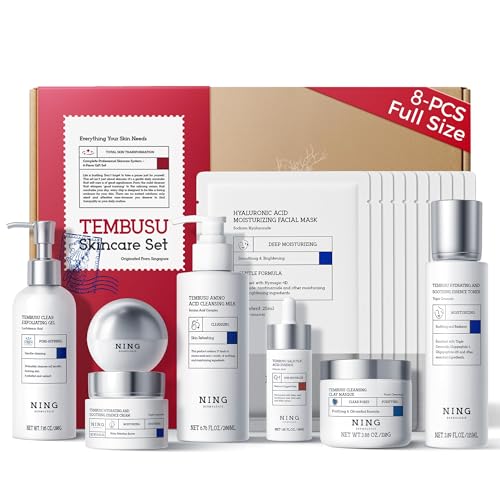
NING DERMOLOGIE Korean Skin Care Set Anti Aging — Best For a Full Routine
Want the whole regimen figured out for you? This 8-step Tembusu kit from NING DERMOLOGIE walks you through cleansing, treating, and moisturizing with a Korean-style approach that layers hydration and anti-aging actives. It’s built for women who’d rather buy one coordinated set than guess which serum pairs with which cream. The steps target dullness, fine lines, and uneven tone, and the gradual layering keeps things gentle so breakout-prone skin doesn’t get overwhelmed. The trade-off is time; eight steps take longer than a quick two-product routine, and the price sits higher than a single item. But if you love a ritual and want everything to match, this kit saves you the trial and error of piecing a full anti-aging lineup together yourself.
Skin 2.0 Retinol & Vitamin E Sheet Mask — Best For Targeted Treatment Days
Some nights your skin just needs a reset, and that’s where these masks shine. Each Skin 2.0 sheet is soaked in retinol and vitamin E to tackle fine lines, acne scars, and hyperpigmentation in one hydrating sitting. The retinol nudges cell turnover to smooth rough patches and fade dark spots, while vitamin E and the mask’s moisture cushion the actives so you’re less likely to feel tightness. They’re an easy add-on to your existing routine, no measuring or mixing required, just relax for twenty minutes. Retinol can be sensitizing, so start with one mask a week and build up. Try a small amount first if you’ve never used retinol. For dull, uneven skin that needs an occasional boost, these are a convenient, dermatologist-informed pick.
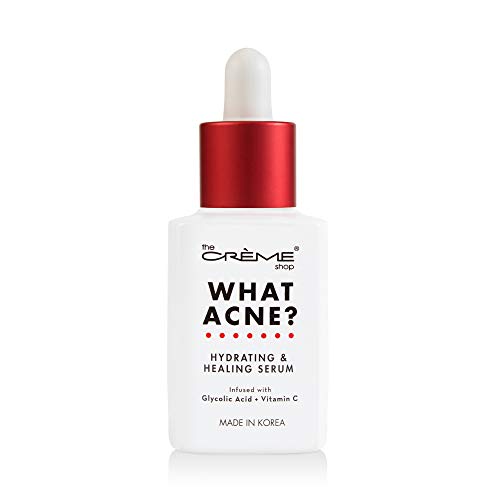
The Creme Shop What Acne? Vitamin C Serum — Best For Fading Acne Scars
Dealing with the marks breakouts leave behind? This vitamin C serum from The Crème Shop is aimed squarely at post-acne discoloration and dull, tired skin. The vitamin C brightens and evens tone while the hydrating, healing base soothes active blemishes, so it works on both current breakouts and the shadows they leave. It’s a Korean-inspired formula, which means it leans lightweight and layers cleanly under moisturizer or sunscreen. You’ll want to be consistent, since vitamin C rewards daily use over quick fixes, and results on stubborn scars show up gradually. It’s not a wrinkle powerhouse, but the brightening effect makes skin look fresher and more even. For anyone whose main gripe is uneven tone from old acne, this serum is an affordable, feel-good addition.
RoC Retinol Correxion Deep Wrinkle Retinol Face Serum — Best For Serious Anti-Aging
When fine lines have graduated to deeper wrinkles, this is the heavy hitter. RoC’s Retinol Correxion serum combines pure retinol with ascorbic acid, so you get real wrinkle smoothing plus the brightening kick of vitamin C in one bottle. RoC has decades behind its retinol expertise, and it shows in a stable formula that keeps the active potent. It resurfaces skin, softens crow’s feet, and helps clear congestion as turnover speeds up, which is why it earns a place in an acne-and-aging routine. Because it’s potent, ease in slowly and always follow with sunscreen the next morning. The 1oz size is compact, but you only need a pea-sized amount nightly. For mature skin that wants visible line reduction, it’s the most results-driven pick here.
How to Combine Acne and Anti-Aging Products
Split your actives between morning and night. Piling salicylic acid, retinol, and vitamin C onto your face at once is a fast track to irritation. Use a gentle acne treatment or vitamin C in the morning to protect and brighten, then save retinol for the evening when it can work without sun exposure. This rhythm lets each ingredient do its job while giving your skin recovery time. If you’re juggling multiple products, alternate the strongest ones on different nights instead of stacking them, and pay attention to how your skin responds week to week.
Start slow and build up gradually. Retinol and acids both speed cell turnover, which is great for wrinkles and pores but rough on a skin barrier that isn’t used to them. Begin with two or three nights a week and increase only once your skin tolerates it comfortably. Try a small amount first on your jaw or behind your ear before going all-in on your whole face. Dryness, flaking, and mild tingling are common at first, but stinging or persistent redness means you’re pushing too hard. Slow and steady wins clearer, smoother skin.
Never skip moisturizer and sunscreen. Acne and anti-aging actives can leave skin thirsty and sun-sensitive, so hydration and SPF aren’t optional extras. A lightweight moisturizer like the Cetaphil pick locks in moisture without clogging pores, and daily broad-spectrum sunscreen protects the fresh skin your actives reveal. Skipping SPF while using retinol can undo your progress and even worsen dark spots. Think of these two steps as the foundation that makes everything else work. They’re the difference between glowing results and an angry, flaky mess.
Frequently Asked Questions
Can you really treat acne and aging at the same time?
Yes, and you don’t need a dozen products to do it. Many actives pull double duty: salicylic acid clears pores while smoothing texture, retinol fights both wrinkles and breakouts by speeding turnover, and vitamin C brightens scars and dull skin. The key is layering them thoughtfully across morning and night so they complement rather than compete. Start with one dual-action product, like a salicylic moisturizer or retinol serum, and build from there once your skin adjusts.
Is retinol safe for acne-prone skin?
Retinol is actually one of the best ingredients for acne-prone skin because it keeps pores from clogging and reduces breakouts over time. It also smooths fine lines, which makes it ideal if you’re battling both concerns. The catch is that it can cause dryness and purging in the first few weeks. Ease in with two nights a week, always moisturize afterward, and wear sunscreen daily. If your skin stays irritated, drop the frequency until it settles.
Should I use vitamin C or retinol first?
Use them at different times of day rather than layering them back to back. Vitamin C works best in the morning, where it brightens skin and adds antioxidant protection under sunscreen. Retinol belongs at night, since sunlight can degrade it and your skin repairs while you sleep. If you’d rather use both in one evening routine, apply vitamin C first, wait a few minutes, then follow with retinol. But splitting them across the day is gentler and usually more effective.
How long until I see results?
Patience pays off here. You’ll often notice brighter, smoother skin within two to four weeks of consistent use, especially with vitamin C and gentle exfoliation. Acne improvements from salicylic acid typically show in four to six weeks. Deeper wrinkle reduction from retinol takes longer, usually eight to twelve weeks, since it’s rebuilding skin from within. The biggest mistake is quitting too soon, so give any new product a solid two months before deciding it isn’t working for you.
Can I use all five of these products together?
You could, but you probably shouldn’t pile them on at once. That’s a lot of actives, and combining salicylic acid, retinol, and vitamin C all day can overwhelm your barrier. Instead, pick a morning product and a nighttime product that suit your top concerns, then rotate in a mask or treatment a couple of times a week. A simple routine you’ll actually stick to beats an ambitious one that irritates your skin and gets abandoned after a week.
Bottom Line
You don’t have to choose between clear skin and youthful skin anymore. The Cetaphil Gentle Clear moisturizer is the friendliest daily starting point for oily, breakout-prone types, while the RoC Retinol Correxion serum delivers the deep wrinkle smoothing mature skin craves. In between, the Skin 2.0 masks and The Crème Shop vitamin C serum handle scars and dullness, and the NING DERMOLOGIE kit hands you a full routine if you’d rather not piece one together. Whichever you choose, go slow, layer smart, and never skip sunscreen. Consistency is what turns good ingredients into real, visible results.