If your breakouts keep flaring no matter how many actives you layer, topical zinc might be the quiet fix you’ve been missing. It’s an old-school mineral that calms redness, dials back oil, and supports the skin barrier while your other products do their thing. Zinc works differently than a harsh spot treatment, so it plays nicely with sensitive, reactive skin that hates being stripped. Below you’ll find five formats worth knowing, from a classic soothing cream to a pyrithione zinc bar built for stubborn, flaky patches. If you’re also juggling clogged pores, our guide to gentle exfoliation for acne-prone skin pairs well with everything here. Here’s what stood out and who each one suits.
Quick answer: For most people, a niacinamide plus zinc serum like The Ordinary or Naturium is the easiest entry point. Choose a zinc oxide cream for redness and rosacea, or a pyrithione zinc bar if flaking and fungal-type bumps are the real problem.


Pros
- High niacinamide concentration at accessible price point
- Visible oil control and pore refinement results
- Lightweight formula suitable for layering morning and evening
Cons
- May cause temporary flushing in sensitive skin types
- Water-thin texture requires careful application to avoid waste
- Combines 10% niacinamide with 1% zinc PCA to help visibly minimize pore appearance, regulate sebum production, and improve skin texture in congested or blemish-prone complexions.
- Water-based serum absorbs quickly without residue, suitable for morning and evening use before heavier creams, though niacinamide pairs well with most actives except direct vitamin C application.
- Niacinamide 10%: Vitamin B3 derivative helps visibly improve skin radiance, smoothness, and barrier hydration within one week.
- Zinc PCA 1%: Sebum-regulating amino acid derivative helps control visible oil and supports clearer-looking skin in three days.


Pros
- High niacinamide percentage at accessible price point
- Zinc PCA addresses excess oil and congestion
- Compatible with multiple skin types and concerns
Cons
- High concentration may require gradual introduction period
- No fragrance for those preferring scented formulas
Pros
- High niacinamide percentage at accessible price point
- Zinc PCA addresses excess oil and congestion
- Compatible with multiple skin types and concerns
Cons
- High concentration may require gradual introduction period
- No fragrance for those preferring scented formulas
- The 12% niacinamide and 2% zinc PCA pairing works to visibly minimize pore appearance, support barrier function, and help even skin tone, making it appropriate for aging, blemish-prone, combination, dry, and sensitive complexions.
- Use 1-2 pea-sized drops morning and evening after cleansing, building tolerance gradually, and layer under moisturizer or pair with hyaluronic acid for added hydration without compromising efficacy.
- Niacinamide 12%: Vitamin B3 derivative helps visibly reduce dark spots, refine pores, and smooth fine lines.
- Zinc PCA 2%: Zinc salt regulates sebum production and supports clarity in congestion-prone skin.
How We Evaluated These Zinc Picks
We looked at five things that actually matter for acne-prone skin. First, the form of zinc, since niacinamide-paired zinc, zinc oxide, and pyrithione zinc each target different concerns. Second, concentration and how it stacks against irritation risk, because more isn’t always better. Third, the full ingredient deck, watching for pore-clogging oils, heavy fragrance, and drying alcohols that undo zinc’s calming work. Fourth, texture and finish, since a cream that pills under sunscreen won’t get used. Fifth, real-world reviews and dermatologist commentary on tolerance for reactive and rosacea-prone faces. We favored formulas that keep things simple and let zinc lead. We also weighed value per ounce and how well each fits into an existing routine without crowding out a retinoid or acid you already rely on. Try a small amount first before going all-in.
Zinc Cream Margarite 1 oz Cream — Best For Soothing Redness
Margarite’s zinc cream is the throwback of this group, a straightforward soothing balm that people reach for when skin feels angry and overworked. It leans on zinc to calm visible irritation and give raw, picked-at spots a chance to settle. The texture is rich, so it’s a comfort layer more than a fast-absorbing serum, which makes it handy at night or over dry, flaky patches. Because the formula stays minimal, there’s less to react to, and that’s a genuine plus for touchy skin. It won’t clear a deep cystic breakout on its own, and the thickness feels like a lot for oily types. Think of it as barrier support and redness relief rather than a hardcore acne actives. Keep expectations realistic and it earns its spot.
The Ordinary Niacinamide 10% + Zinc 1% — Best For Oily Blemish-Prone Skin
This is the cult pick, and for good reason. The Ordinary pairs a high 10% niacinamide dose with 1% zinc to help balance oil, blur enlarged pores, and calm the flush around active breakouts. It’s water-light, sinks in fast, and layers under moisturizer or makeup without fuss. At its price, it’s an easy yes for anyone curious about zinc who doesn’t want to gamble much. The trade-off is that a small share of users find the high niacinamide level tingly or find the serum pills when stacked with certain silicones. Start every other day and build up. It’s not a miracle for severe acne, but for everyday shine and small clogged bumps, it quietly does the job. You’ll likely repurchase.
TOSOWOONG Zinc Oxide 10% Cream — Best For Rosacea and Barrier
TOSOWOONG takes a different route with a hefty 10% zinc oxide cream aimed squarely at redness, sensitivity, and barrier repair. Zinc oxide is the same mineral you find in sunscreen, so it sits on the surface and physically shields while it soothes, which suits rosacea-prone and easily flushed skin. The cream feels cushiony and leaves a soft, slightly protective finish that some people love under makeup and others find a touch heavy. It’s less about scrubbing out breakouts and more about quieting the inflammation that makes acne look worse than it is. If your face reacts to nearly everything, this minimalist, fragrance-light approach is worth a look. The white-cast risk is real on deeper skin tones, so blend it well.
Naturium Niacinamide Serum 12% Plus Zinc 2% — Best For Pore Refinement
Naturium reads like The Ordinary’s slightly more polished cousin, bumping niacinamide to 12% and zinc to 2% for a stronger take on oil control and pore refinement. The serum has a nicer slip and a more elegant feel, which matters if texture is the reason you skip steps. It targets shine, congestion, and uneven tone while keeping irritation reasonable for most people. Sensitive skin should still ease in, since 12% niacinamide is on the assertive side and can feel warm at first. It’s pricier than the bargain option but still fair for the finish and the bigger bottle presence. If you want measurable pore and oil results without a ten-step regimen, this delivers. Layer it before your moisturizer, morning or night.
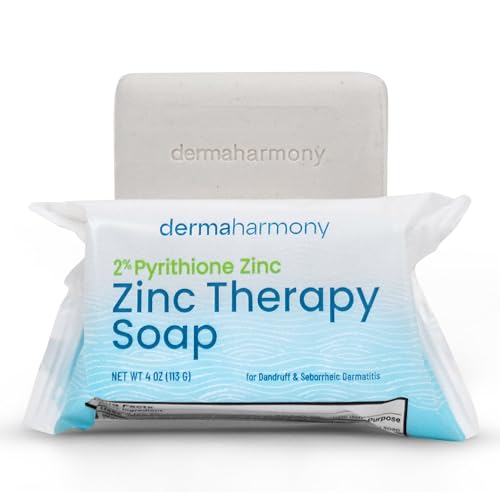
Dermaharmony 2% Pyrithione Zinc Bar Soap — Best For Flaky Fungal Bumps
Dermaharmony’s pyrithione zinc bar is the specialist here, built for people dealing with seborrheic-type flaking, fungal acne, and stubborn body breakouts that regular cleansers ignore. Pyrithione zinc has antifungal and antibacterial action, so it’s a smart pick for the small, itchy, uniform bumps that don’t respond to standard acne actives. Used as a short-contact wash on the face, chest, or back, it can quiet flaking and calm irritation over a few weeks. The catch is that bar soap can feel drying, so follow with a light moisturizer and don’t leave it sitting on skin too long. It’s fragrance-simple and no-nonsense, which reactive skin appreciates. For fungal-driven concerns, this bar punches above its modest price.
How to Use Topical Zinc Without Irritating Your Skin
Match the zinc form to your actual concern. Reach for a niacinamide plus zinc serum if oil and small clogged pores are the issue, a zinc oxide cream if redness and rosacea lead, and a pyrithione zinc bar for flaky, fungal-type bumps. Picking the right format matters more than chasing the highest number, since the wrong type just sits there while your skin stays annoyed. When you’re unsure, the niacinamide serums are the most flexible starting point and the easiest to slot into a routine you already like without a full overhaul.
Ease in and give it weeks, not days. Zinc is gentle, but your skin still needs a runway. Start two or three times a week, then build to daily once you know it agrees with you. Try a small amount first on your jaw before spreading it everywhere. Real change in oil, tone, and calmness usually shows up around the four-to-six-week mark, so resist judging any of these after a single weekend. Consistency beats intensity here, and rushing tends to trigger the exact irritation you’re trying to avoid.
Simplify the rest of your routine. Zinc plays best when it isn’t fighting a pileup of strong actives. If you’re already running a retinoid or an acid, alternate nights instead of stacking everything at once, and keep a bland moisturizer and daily sunscreen in the mix. Overloading reactive skin is the fastest way to a flare, and it makes it impossible to tell what’s actually working. Fewer, better steps let zinc’s calming effect show through and keep your barrier happy long term.
Frequently Asked Questions
Does topical zinc really help with acne?
Yes, though it’s a supporting player rather than a cure. Topical zinc helps regulate oil, calm inflammation, and support the skin barrier, which reduces how red and angry breakouts look. Niacinamide-paired zinc is especially good for oily, congested skin, while pyrithione zinc targets fungal-type bumps. It works best alongside a solid cleanser, moisturizer, and sunscreen. Don’t expect it to erase deep cystic acne on its own, but for everyday blemishes it’s a gentle, well-tolerated option that many people stick with.
Can I use zinc with niacinamide, retinol, or acids?
Zinc and niacinamide are already combined in several of these serums, so that pairing is easy and well tolerated. Layering zinc with retinol or exfoliating acids is fine for many people, but reactive skin should alternate them on different nights instead of stacking. That keeps irritation down and makes it clear what’s helping. Always finish with moisturizer, and use sunscreen every morning, since these actives can make skin more sensitive to sun over time.
How long before topical zinc shows results?
Give it four to six weeks of consistent use before deciding. Oil control and reduced redness often appear first, sometimes within a couple of weeks, while changes in pore appearance and overall clarity take longer. If you jump in daily right away and get irritated, you’ll stall your own progress, so ease in gradually. Track your skin with weekly photos rather than daily mirror checks, since day-to-day fluctuations can trick you into quitting too soon.
Is zinc oxide the same as the zinc in serums?
Not exactly. Zinc oxide, like the kind in the TOSOWOONG cream, is a mineral that sits on the surface to soothe and physically shield, which is why it’s common in sunscreens and rosacea creams. The zinc in serums, usually zinc PCA paired with niacinamide, works more on oil regulation and skin function. Pyrithione zinc is a third type with antifungal action. They’re related but not interchangeable, so match the form to what your skin actually needs.
Will topical zinc dry out or bleach my skin?
Serums with zinc rarely dry skin out and usually feel weightless. Pyrithione zinc bar soaps can be drying since they’re cleansers, so follow with moisturizer and keep contact time short. Zinc oxide creams don’t bleach skin, but they can leave a temporary white cast on deeper tones if you don’t blend well. Choosing the right format and applying a thin, even layer solves most of these issues. When in doubt, try a small amount first and see how your skin responds.
Bottom Line
Topical zinc is one of the more underrated tools for calmer, less oily, less reactive skin. For most people, a niacinamide plus zinc serum like The Ordinary or Naturium is the smartest place to start, since it’s affordable, flexible, and easy to layer. If redness and rosacea are your main story, the TOSOWOONG zinc oxide cream soothes and shields at once, while the Margarite cream is a comforting redness balm for angry days. For flaky, fungal-type bumps, the Dermaharmony pyrithione zinc bar is the specialist worth keeping around. Ease in slowly, stay consistent, and let zinc quietly do its work.