Here’s the part most people get wrong about body oil: it doesn’t hydrate. Oil is an occlusive, so its job is sealing water into skin, not supplying any. Slick it onto bone-dry legs and it mostly sits on the surface, transfers to your jeans, and does very little for that tight, itchy feeling. Work the same oil into skin that’s still damp from the shower and it traps that water where you want it. The biggest variable in this whole category isn’t which bottle you buy. It’s the three-minute window after you towel off.
Knowing that makes the shelf less intimidating, though it’s still crowded with everything from single-ingredient squalane to thick cocoa butter gels. Our editors evaluated a long list of body oils against ingredient quality, how each formula behaves on damp skin, and aggregated feedback from thousands of verified buyers. We also weighed how they fit into a real routine, since an oil is one layer of a plan, not the whole best skin care routine for dry skin. The five below earned their spots.
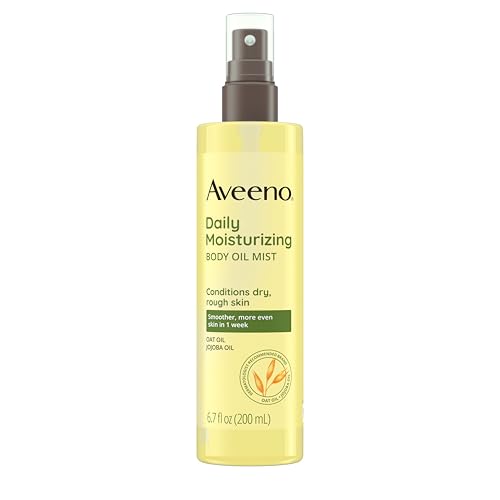
Quick answer: Aveeno’s Daily Moisturizing Body Oil Mist is the best pick for most people, mainly because the format is easy enough to keep using. Neutrogena Light Sesame is the fast-absorbing classic, Palmer’s Cocoa Butter is the value option for very dry legs, Amazon Basics Body Oil Gel handles cracked skin overnight, and eos Cashmere is the scented squalane pick.
Pros
- Lightweight oil mist absorbs quickly without heavy residue
- Formulated without parabens, mineral oil, silicones, or drying alcohol
- Suitable for sensitive skin, allergy tested and hypoallergenic
Cons
- Spray application requires careful targeting to avoid waste
- Not suitable for direct facial application per instructions
Pros
- Lightweight oil mist absorbs quickly without heavy residue
- Formulated without parabens, mineral oil, silicones, or drying alcohol
- Suitable for sensitive skin, allergy tested and hypoallergenic
Cons
- Spray application requires careful targeting to avoid waste
- Not suitable for direct facial application per instructions
- Oat oil delivers lipids and fatty acids while jojoba oil contributes vitamin E to help condition dry, rough skin and support barrier function, making this suitable for sensitive and compromised skin types.
- The lightweight oil mist absorbs on contact without greasy residue, works well in morning or evening routines after showering, and layers under or over body lotions for added nourishment.
- Oat Oil: Rich in skin-identical lipids and fatty acids that help condition and support barrier integrity.
- Jojoba Oil: Contains twice the vitamin E of shea butter, helps soften and smooth dry skin texture.
- Vitamin E: Antioxidant that supports skin conditioning and helps protect against environmental stressors.

Pros
- Absorbs within 30 seconds without greasy finish
- Works as bath oil or post-shower treatment
- Lightweight texture suitable for daily hydration
Cons
- No specific ingredient list provided beyond sesame oil
- Fragrance may not suit sensitive skin preferences
Pros
- Absorbs within 30 seconds without greasy finish
- Works as bath oil or post-shower treatment
- Lightweight texture suitable for daily hydration
Cons
- No specific ingredient list provided beyond sesame oil
- Fragrance may not suit sensitive skin preferences
- Sesame seed-derived oil helps skin retain moisture with a sheer, non-occlusive finish suited for normal to dry skin types seeking lightweight hydration.
- Fast-absorbing texture works best applied to damp skin immediately post-shower or added to bath water, pairs well with humectant-based serums underneath.
- Sesame Seed Oil: Emollient lipid that helps skin maintain moisture barrier and supports hydration retention.
- Lightweight Oil Base: Designed to spread easily and absorb quickly without leaving surface residue or greasy feel.
- Fragrance: Provides soothing scent experience, though concentration and specific components not specified in product data.

Pros
- Absorbs quickly without leaving greasy finish
- Cocoa butter supports moisture barrier repair
- Vitamin E provides antioxidant skin protection
Cons
- Cocoa scent may be strong for some
- Oil format requires careful dispensing control
Pros
- Absorbs quickly without leaving greasy finish
- Cocoa butter supports moisture barrier repair
- Vitamin E provides antioxidant skin protection
Cons
- Cocoa scent may be strong for some
- Oil format requires careful dispensing control
- Cocoa butter acts as an emollient to soften rough patches while vitamin E provides antioxidant support, making this suitable for dry to very dry skin types.
- The oil texture absorbs without heavy residue, best applied to damp skin after showering for maximum penetration and can layer under body lotion in winter months.
- Cocoa Butter: Emollient rich in fatty acids that helps soften and smooth rough, dry skin.
- Vitamin E: Antioxidant that supports skin barrier function and protects against environmental stressors.

Pros
- Cocoa butter targets severe dryness and rough texture
- Oil-gel hybrid absorbs better than straight oils
- Made in USA, cruelty-free formulation
Cons
- No ingredient list provided for full transparency
- Zero customer reviews to validate performance claims
Pros
- Cocoa butter targets severe dryness and rough texture
- Oil-gel hybrid absorbs better than straight oils
- Made in USA, cruelty-free formulation
Cons
- No ingredient list provided for full transparency
- Zero customer reviews to validate performance claims
- Cocoa butter acts as an emollient to help soften rough, flaky patches on very dry skin, with a formulation free of parabens suited for sensitive or reactive types.
- Oil-gel texture sits between traditional body oil and lotion, absorbing faster when applied to damp skin immediately after showering for maximum hydration retention throughout the day.
- Cocoa Butter: Emollient-rich ingredient that helps visibly smooth dry, rough skin and supports barrier function.
- Oil-Gel Base: Hybrid formulation allows faster absorption than pure oils while delivering deeper moisture than standard lotions.
- Paraben-Free Preservative System: Alternative preservation approach reduces potential irritation for sensitive or compromised skin barriers.

Pros
- Squalane and jojoba oil provide lightweight hydration
- Non-greasy formula absorbs quickly after shower
- Suitable for sensitive skin, no parabens or phthalates
Cons
- No reviews available to verify performance claims
- Fragrance may not suit scent-sensitive users
Pros
- Squalane and jojoba oil provide lightweight hydration
- Non-greasy formula absorbs quickly after shower
- Suitable for sensitive skin, no parabens or phthalates
Cons
- No reviews available to verify performance claims
- Fragrance may not suit scent-sensitive users
- Squalane, jojoba oil, and shea oil work together to nourish dry skin and help support the moisture barrier, suited for normal to dry skin types seeking non-greasy hydration.
- Weightless, silky texture absorbs fast post-shower for AM or PM use, pairs well with body lotions or use alone for minimalist routines.
- Plant-Based Squalane: Mimics skin's natural oils to lock in moisture without clogging pores.
- Jojoba Oil: Lightweight botanical oil that softens skin and supports barrier function.
- Shea Oil: Rich in fatty acids to deeply nourish and smooth dry skin.
- Vitamin E: Antioxidant that helps defend skin against environmental dryness and supports hydration.
How We Evaluated These Body Oils
Weight and absorption split this category in two, so that’s where the screening started. We compared full ingredient lists, separating the fast-absorbing dry oils like squalane and jojoba from heavier occlusives like cocoa butter and mineral oil, then cross-referenced those against barrier-repair research, which keeps landing on the same point: an occlusive does its work on damp skin, not dry. That single finding matters more than which oil you pick.
From there we aggregated verified-buyer feedback, weighting patterns over one-off raves. When several hundred people describe the same greasy residue or the same broken pump, that’s signal. Cost per use counted too, because a bottle you’ll actually repurchase beats a boutique oil sitting half-full. Fragrance got extra scrutiny, since added scent is the leading irritant for eczema-prone skin. Everything that made the cut had to be in stock and honestly labeled.
Aveeno Daily Moisturizing Body Oil Mist — Best Overall Daily Oil
We point people here first because the format removes the friction. Spray it on wet skin while you’re still in the shower stall, sweep it around with your hands, done in fifteen seconds. Oat oil brings the soothing reputation Aveeno built its name on, and jojoba is light enough that it won’t feel heavy under clothes. The scent is present but soft. Two honest caveats: a mist wastes some product on the walls, and an oil this slippery makes the shower floor a real hazard, so rinse it down before stepping out.
Neutrogena Body Oil Light Sesame Formula — Best Fast-Absorbing Classic
This one has been in medicine cabinets for decades and it’s still around for a reason. Sesame oil is thin, sinks in quickly, and leaves the barely-there finish you want when you’re getting dressed right away. It’s the daytime option, good for arms and shoulders and anyone who hates feeling coated. A few drops spread across damp skin without dragging. The trade-off is staying power, because a light oil like this needs a heavier cream backing it up on cracked heels or winter shins. Some buyers find the classic scent dated. Function over fashion.
Palmer’s Moisturizing Body Oil Cocoa Butter Formula — Best Value for Very Dry Legs
Reach for this when the problem is stubborn: shins that look ashy no matter what, rough elbows, knees that flake through tights. It’s a richer formula built on cocoa butter and vitamin E, and it stays where you put it. That’s the appeal and also the limitation, since it takes longer to sink in and you’ll want a few minutes before dressing. The cocoa scent is strong and unmistakable, which rules it out for fragrance-sensitive skin. For the money, though, not much else softens rough patches this reliably.
Amazon Basics Body Oil Gel with Cocoa Butter — Best Heavy Overnight Treatment
A gel-oil is a different animal from a pourable oil, and this is the heaviest thing on the list. The texture feels thick and tacky at first, then melts down as you work it into damp skin, which makes it the overnight choice for skin that’s past dry and into cracked. Coat shins and heels, pull on socks, go to bed. It’s genuinely too much for daytime under clothes and the fragrance is noticeable. For a couple of weeks of intensive repair on flaking patches, an occlusive gel outperforms any light oil.
eos Cashmere Body Oil with Plant-Based Squalane — Best Scented Squalane Pick
This is for someone who wants the ritual, not just the repair. Plant-based squalane is the star, and it’s close to a perfect daytime oil: weightless, non-greasy, absorbed in about a minute, without the slick film heavier formulas leave behind. The vanilla scent is warm and it lingers, which is either the whole appeal or an instant dealbreaker. Fragrance-reactive skin should skip it. It’s also the least suited to severely compromised skin, because squalane alone won’t do much for deep fissures. For smooth arms and legs, it’s lovely.
What to Look For in a Body Oil
Match the oil weight to the body part and the time of day. Dry oils like squalane, jojoba, and sesame absorb within a minute or two and won’t mark your clothes, which makes them right for mornings, arms, and chest. Heavier occlusives, meaning cocoa butter, shea, mineral oil, and gel-oils, sit on the surface longer and earn their keep on shins, elbows, knees, and heels, ideally overnight. Plenty of people end up owning one of each instead of hunting for a single bottle that does both jobs.
Oil alone isn’t enough for cracked skin. Since oil seals rather than hydrates, genuinely fissured skin needs a humectant underneath. A lotion with glycerin, urea, or hyaluronic acid pulls water into the outer layer, then the oil locks it there. Lotion on damp skin first, oil on top. If you’re managing plaques or persistent scaling, that base layer should be something targeted, and our guide to the best psoriasis moisturizer covers the options.
Fragrance is the ingredient most likely to cause trouble. Added scent, essential oils included, is the most common irritant in body care for eczema-prone and reactive skin, so choose unscented or lightly scented formulas and patch a small area first. Fix the upstream problem while you’re there. Hot water and foaming, high-pH bar soaps strip lipids faster than any oil replaces them, so lukewarm showers and a fragrance-free cleanser make everything downstream work better.
Frequently Asked Questions
Should you apply body oil to wet or dry skin?
Damp, and quickly. Pat off the drips but leave skin slightly wet, then apply within about three minutes of getting out of the shower. That’s when the outer layer still holds surface water for the oil to seal in. On completely dry skin, most of an oil just sits on top and rubs off on fabric.
Does body oil really moisturize dry skin?
Not on its own, no. Oil is occlusive, meaning it reduces water loss rather than adding moisture. It’s excellent at keeping hydration in when applied over damp skin or over a water-based lotion. Used by itself on parched skin, it delivers shine and slip without much lasting improvement.
Can body oil replace lotion?
For mildly dry skin, sure, especially if you apply it straight out of the shower. For very dry, cracked, or flaking skin, layering works far better: humectant lotion first, oil second. That combination hydrates and then traps, which is what a compromised barrier actually needs.
Will body oil clog pores or cause body acne?
Some oils are more likely to than others. Coconut and heavier butters rank higher on the comedogenic scale, while squalane and jojoba are among the least likely to block pores. If you break out across your back or chest, keep richer formulas to your limbs and stick with lighter oils above the waist.
Which body oil is safest for eczema-prone skin?
Look for short ingredient lists and no added fragrance, since scent is the usual culprit behind flares. Oat-based and jojoba formulas tend to be the gentlest of the widely available options. Patch a small area for a few days before applying anything new over a large surface, and skip oils entirely on open, weeping skin.
Bottom Line
Body oil is one of the few skincare categories where technique beats product choice, so whichever bottle you pick, use it on damp skin within a few minutes of your shower. Aveeno’s oat and jojoba mist is the easiest habit to keep and the pick we’d hand most people. Neutrogena Light Sesame suits anyone who wants an oil gone in a minute, Palmer’s Cocoa Butter is the affordable workhorse for ashy shins, and Amazon Basics Body Oil Gel is the overnight treatment when skin has cracked. eos Cashmere is there for the days you want the routine to feel good, too.