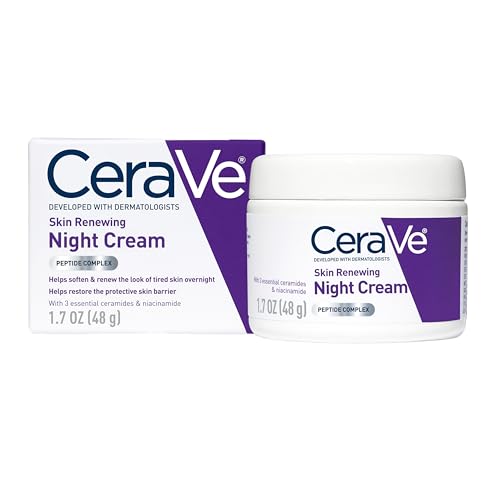
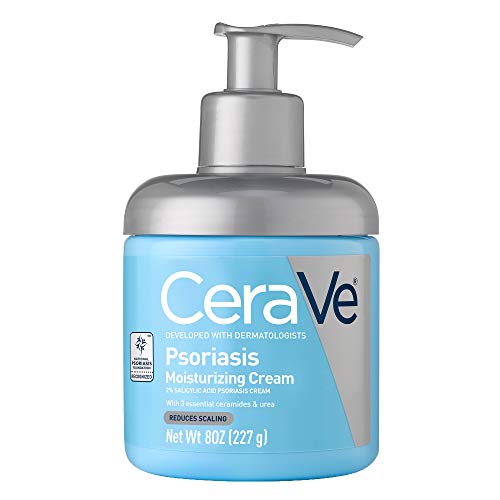
Here’s the part most roundups skip: “medical grade” isn’t a regulated category. US law recognizes cosmetics and it recognizes drugs, and there’s nothing in between. No agency audits a cream and stamps it medical. So when you shop for the best medical grade moisturizer, you’re really chasing one of three things: a brand sold through dermatology offices, a higher concentration of a real active, or a plain barrier formula with decades of research behind it.
Those three rarely arrive together, which is why the shelf is confusing. Some clinic-channel creams are lovely emollients with no actives at all. Some pharmacy tubes hit the physiological lipid ratio that dermatology research actually supports. Our editors compared full ingredient lists, cross-referenced the published work behind each active, and read through aggregated verified-buyer feedback before settling on five. If your dryness arrives with thick scaling plaques, our best psoriasis moisturizer guide is the better starting point. The five below earned their spots.
Quick answer: Obagi Medical Hydrate is our overall pick, a genuine dermatology-office brand built on a simple fragrance-free base. Altruist 10% Urea is the value choice for rough, flaky skin, KOVGOCY Beezema suits itch-prone patches, iS Clinical Body Complex handles crepey body skin, and Replenix 20% Glycolic is for anyone who wants real resurfacing strength.

Pros
- Gentle enough for sensitive and reactive skin
- Non-comedogenic texture won't clog pores or cause breakouts
- Plant butters deliver hydration without greasy finish
Cons
- Limited ingredient transparency in available product data
- Higher price point for a basic daily moisturizer
Pros
- Gentle enough for sensitive and reactive skin
- Non-comedogenic texture won't clog pores or cause breakouts
- Plant butters deliver hydration without greasy finish
Cons
- Limited ingredient transparency in available product data
- Higher price point for a basic daily moisturizer
- Tara seed extract creates a moisture-binding matrix on skin while shea and mango butters support the barrier, suited for normal, dry, and combination skin seeking hydration without weight.
- Lightweight, non-comedogenic texture absorbs quickly for AM or PM use, layers well under SPF or over serums without pilling or interference.
- Tara Seed Extract: Forms a matrix that helps epidermis achieve and retain moisture throughout the day.
- Shea Butter: Emollient that supports skin barrier function and helps combat surface dryness.
- Mango Butter: Plant-derived lipid that conditions skin and enhances texture without occlusive heaviness.
- Glycerin: Humectant that draws water into skin and maintains hydration in upper layers.

Pros
- Medical-grade 10% urea concentration for effective hydration
- Fragrance-free formula minimizes irritation risk for sensitive skin
- Non-greasy absorption suitable for hands, feet, and body
Cons
- No customer reviews available to verify performance claims
- 200ml size may require frequent repurchasing for full-body use
- The 10% urea concentration works as a humectant and keratolytic agent to soften rough, scaly patches while glycerin draws moisture into skin, making this suitable for very dry skin conditions including eczema, psoriasis, and keratosis pilaris.
- The fast-absorbing, non-greasy cream texture works for AM or PM application on body areas prone to dryness like hands, feet, and elbows, and layers well under clothing without residue.
- Urea 10%: humectant and keratolytic that softens rough skin and enhances moisture retention.
- Glycerin: draws water into skin to provide immediate hydration and prevent moisture loss.
- Bisabolol: derived from chamomile, helps calm irritation and supports sensitive skin tolerance.
- Panthenol: provitamin B5 that aids skin barrier repair and improves texture.

Pros
- Gentle, fragrance-free formulation for sensitive skin compatibility
- Quick absorption suitable for frequent daily use
- Clean ingredient approach without steroids or harsh additives
Cons
- Small 4oz size may require frequent repurchasing
- No customer reviews available to verify performance claims
- Manuka honey and colloidal oatmeal work together to support moisture retention in dry, rough skin on hands, arms, legs, and body with a honey-inspired care approach.
- Non-greasy, fast-absorbing texture makes this suitable for AM or PM use, layering well under or over other products without interfering with daily activities or clothing.
- Manuka Honey: Humectant that helps draw moisture into skin while supporting barrier function.
- Colloidal Oatmeal: Helps calm dry, uncomfortable skin and supports smoother skin appearance with regular use.
- Natural Oils: Blend supports daily hydration and helps maintain skin comfort throughout the day.

iS CLINICAL Body Complex - Hydrating Body Lotion with Smoothing Agents for Daily Barrier Support
Pros
- Fast-absorbing formula leaves no greasy residue
- Smoothing agents visibly refine rough skin texture
- Suitable for daily use on body skin
Cons
- Specific active ingredients not disclosed in product data
- Premium price point for body care category
Pros
- Fast-absorbing formula leaves no greasy residue
- Smoothing agents visibly refine rough skin texture
- Suitable for daily use on body skin
Cons
- Specific active ingredients not disclosed in product data
- Premium price point for body care category
- Smoothing agents work to refine rough texture on body skin while replenishing moisture for suppleness, suited for normal to dry skin types seeking daily hydration.
- Lightweight texture absorbs rapidly without sticky finish, appropriate for morning or evening application, layers well under sunscreen or after showering for moisture retention.
- Smoothing Agents: help refine uneven skin texture and support softer, more supple feel on body skin.
- Hydrating Components: replenish moisture levels and support skin barrier function against environmental stress.
- Protective Agents: create barrier against daily aggressors to help maintain hydration and support overall skin health.

Pros
- High 20% glycolic concentration for visible resurfacing results
- Triple-antioxidant system with stabilized CoQ10 protects skin
- Lightweight texture absorbs quickly without heaviness
Cons
- High AHA percentage may irritate sensitive or reactive skin
- No reviews available to verify real-world performance
- Crystalline glycolic acid at 20% concentration works to exfoliate dead surface cells and support smoother texture, best suited for resilient, non-sensitive skin types already familiar with chemical exfoliation.
- Lightweight, pH-balanced cream texture layers well under sunscreen for morning use or alone at night, though the brand recommends daily SPF due to increased photosensitivity from glycolic acid.
- Glycolic Acid 20%: crystalline AHA that exfoliates surface layers and helps visibly reduce fine lines and discoloration over time.
- CoQ10 (Coenzyme Q10): stabilized antioxidant that helps protect against free radical damage and supports skin resilience.
- Triple-Antioxidant Blend: formulation includes multiple antioxidants to help maintain the skin's moisture barrier during exfoliation.
How We Evaluated These Moisturizers
“Medical grade” is a distribution claim far more often than a formulation one, so that’s the first thing each candidate got checked against. Obagi, iS Clinical, and Replenix move through physician offices and authorized retailers, so the channel claim holds. Everything else borrows the phrase as marketing copy. Neither group gets a regulatory pass, so we screened both the same way and let the formulation decide the ranking.
We read complete ingredient decks rather than front-of-jar claims, checking whether a barrier promise was backed by ceramides, cholesterol, and free fatty acids in a sensible ratio or just by a pleasant-feeling butter. Every active got cross-referenced against research at the concentration listed. We aggregated verified-buyer feedback and weighted repeated complaints over single raves, because a hundred people describing the same greasy finish is data. Cost per use mattered too, as did in-stock availability and whether the label promised more than the formula could deliver.
Obagi Medical Hydrate Facial Moisturizer — Best Overall
Obagi is the real thing on the channel question. It’s dispensed through dermatology and plastic surgery practices, and Hydrate is the brand’s plainest product: glycerin, shea and mango butters, avocado oil, and Hydromanil, a tara-seed complex that holds water at the surface and releases it gradually. Fragrance-free, which matters more than most buyers realize. What you won’t find anywhere on the label is an active. No acid, no retinoid, no peptide doing headline work, so if you expected a clinic cream to treat something, this isn’t that. It’s a well-built vehicle for hydration, and on skin left tight and papery by a retinoid, that’s precisely the job.
Altruist Dry Skin Repair Cream 10% Urea — Best Value
Altruist was founded by a consultant dermatologist, sells direct rather than through clinics, and calls itself medical grade on the label anyway. Perfect illustration of the point. Judge the formula instead, and the formula’s good: 10% urea plus glycerin, no fragrance, nothing decorative. Urea at that strength works two ways at once. It draws water in the way glycerin does, and it loosens the protein glue holding dead cells together, which is why rough shins, elbows, and keratosis pilaris bumps respond faster to it than to a standard cream. It stings on cracked or freshly shaved skin, so don’t rush it onto open fissures.
KOVGOCY Beezema Medical Grade Honey Lotion — Best for Itch-Prone Patches
Medical grade honey is one place the phrase carries real weight, since sterilized, gamma-irradiated honey genuinely appears in wound dressings. A lotion isn’t a wound dressing, though, so park your expectations accordingly. The most interesting ingredient here is colloidal oatmeal, which sits in the FDA’s OTC skin-protectant monograph and is the only component across all five picks with formal regulatory standing. Manuka honey adds humectant pull and some soothing. The tradeoff is those botanical oils: it’s the stickiest and most scented option in the group, there’s no ceramide blend, and the brand has no clinical history to lean on. Fragrance-reactive skin should pass.
iS CLINICAL Body Complex — Best for Crepey Body Skin
iS Clinical sells through medspas and physician offices, so the professional label survives scrutiny, but read the product name carefully. Body Complex is a body treatment. If you came here for a face cream, you’re on the wrong shelf. It targets the thin, crepey skin on upper arms, elbows, and thighs, where lipid loss shows earlier than on the face and where most people apply nothing but whatever’s left in the shower. Hyaluronic acid and botanical extracts handle hydration and calming. That long botanical deck is also the caveat: reactive skin does better with fewer ingredients, and nothing here beats plain urea on scaly patches.
Replenix Glycolic Acid 20% Resurfacing Cream — Best Higher-Strength Active
This is the version of medical grade that means concentration. Replenix comes out of Topix Pharmaceuticals, a professional line, and 20% glycolic acid in a leave-on cream is a serious dose. Glycolic is the smallest AHA molecule, so it penetrates deeper and irritates more than lactic or mandelic, and how much of that 20% exists as free acid depends entirely on the formula’s pH. Treat it as a resurfacing step that happens to hydrate, not as a barrier cream. Alternate nights at most, never alongside a retinoid, and wear sunscreen daily. If you’re after smoothing without the sting, a retinol moisturizer is the calmer route. Rosacea-prone skin should skip it.
What to Look For in a Medical Grade Moisturizer
Judge the lipid ratio, not the label. Barrier repair has an actual formula behind it: ceramides, cholesterol, and free fatty acids delivered together, with one of the three dominant. Work from Peter Elias’s lab showed that an incomplete or badly proportioned lipid mixture can slow barrier recovery rather than speed it, which is a stricter standard than any marketing tier. It cuts both directions, too. Several pharmacy creams pass it. Several creams sold off a dermatologist’s counter don’t.
Pay for actives, not packaging. Concentrations that genuinely justify a premium: 5-10% urea for humectancy, 20% and above for keratolytic work, 8-20% glycolic acid for resurfacing, 4-5% niacinamide for barrier support and redness. If a clinic cream and a drugstore cream list the same actives at the same strength, you’re paying for the box. And if the clinic cream lists no actives at all, decide whether the base earns its keep on feel alone.
Match the occlusive to the finish you’ll tolerate. Petrolatum reduces water loss through the skin by roughly 98%, which nothing else matches, though plenty of people won’t wear it on their face. Dimethicone gives a lighter seal that behaves under sunscreen. Shea and mango butter feel richer and seal less than either. Whatever you choose, apply it to damp skin within a few minutes of showering, and skip fragrance if barrier repair is the goal, since it’s the leading cause of cosmetic contact allergy.
Frequently Asked Questions
Is medical grade moisturizer a regulated category?
No. US law sorts skincare into cosmetics and drugs, and “medical grade” belongs to neither bucket. A cream sold from a dermatologist’s counter meets the same regulatory bar as one from a pharmacy shelf unless it carries an OTC monograph active or a prescription. The phrase signals a sales channel and a price tier, nothing more.
Is a medical grade moisturizer better than a drugstore ceramide cream?
Often not. The clearest advantage of professional lines is that formulators can push active concentrations higher without worrying about mass-market complaint rates. On plain barrier repair, several pharmacy ceramide creams hit the lipid ratio research supports, and a channel brand full of butters with no ceramides doesn’t beat them. Compare ingredient decks, not price tiers.
Do you need a dermatologist to buy medical grade skincare?
Usually not. Physician-dispensed brands like Obagi and iS Clinical also sell through authorized online retailers, and nothing in this lineup requires a prescription. Truly prescription barrier products do exist, though. EpiCeram is one, a prescription device built around a 3:1:1 ceramide, cholesterol, and fatty acid ratio.
Can you layer a 20% glycolic cream with a urea moisturizer?
Not in the same application. Urea increases the penetration of whatever follows it, so stacking it under a 20% acid is a reliable way to earn yourself a chemical burn. Run the glycolic cream on its own nights and the urea cream on the others, or keep urea on the body and glycolic on the face.
Why does a rich moisturizer still leave my skin feeling tight?
Because occlusives seal in whatever’s already there. Apply a heavy cream to bone-dry skin and you’ve locked the dryness underneath it. Dampen skin first, or layer a humectant like glycerin or urea beneath the cream, then seal. Humectants used alone in dry air have the opposite problem, pulling water toward the surface where it evaporates.
Bottom Line
The phrase on the jar means very little, so buy the formula underneath it. Obagi Medical Hydrate is our overall pick, a real dermatology-office cream with a clean fragrance-free base for skin that just needs water and lipids. Altruist’s 10% urea cream is the value choice for rough, flaky skin, KOVGOCY Beezema suits itch-prone patches, iS Clinical Body Complex targets crepey arms and thighs, and Replenix 20% Glycolic earns its premium through genuine concentration. Read the deck, then decide.