We independently review everything we recommend. When you buy through our links, we may earn a commission. As an Amazon Associate we earn from qualifying purchases. Learn more ›
Anti-Aging Skincare: What Helps With Fine Lines and Wrinkles?
# Anti-Aging Skincare: What Helps With Fine Lines and Wrinkles?The anti-aging skincare market promises miracles—reverse wrinkles, turn back time, erase decades of sun damage with one cream. Reality is more modest but still meaningful: certain ingredients and approaches genuinely improve skin appearance and slow visible aging, while others waste money on hope. The difference between products that work and those that disappoint comes down to evidence-based actives at meaningful concentrations (retinoids, antioxidants, peptides), consistent daily sun protection that prevents new damage while treatments address existing concerns, proper expectations about what topicals can achieve versus what requires professional intervention, and commitment to long-term consistent use rather than expecting transformation from sporadic application. This isn’t about chasing youth or buying expensive promises—it’s about understanding which strategies have clinical backing, what timeline realistic improvement requires, and how to build sustainable routine that maintains skin health as you age. For foundational aging science, see [how skin ages at cellular level].
Quick answer: Daily broad-spectrum SPF 30+ prevents most visible aging. Retinoids (prescription or OTC retinol) genuinely reduce wrinkles through collagen stimulation. Antioxidants like vitamin C provide additional protection and brightening. Barrier-supporting hydration plumps fine lines. Most other ingredients have weak or no evidence. Professional treatments (Botox, fillers, lasers) deliver faster, more dramatic results than any topical for moderate-severe aging. Start prevention early rather than chasing reversal later.
PoshCom Score is rating is a scoring system developed by our experts. The score is from 0 to 10 based on the data collected by the poshcomplexion.com tool. Learn more ›
Lightweight formula absorbs quickly without greasy residue
Beginner-friendly retinol suitable for gradual tolerance building
Airless pump design minimizes waste and contamination
Cons
No reviews available to verify visible results
Retinol concentration not specified in product data
Pros & Cons
Pros
Lightweight formula absorbs quickly without greasy residue
Beginner-friendly retinol suitable for gradual tolerance building
Airless pump design minimizes waste and contamination
Cons
No reviews available to verify visible results
Retinol concentration not specified in product data
Details
Stabilized retinol works with caffeine and hyaluronic acid to help visibly improve dark circles, puffiness, and fine lines while maintaining hydration on sensitive and normal skin types.
Lightweight serum texture absorbs quickly for nighttime use, recommended 2-3 nights weekly initially, then increase frequency as tolerance builds without layering additional retinoids.
Key Ingredients
Stabilized Retinol: Supports natural skin renewal and helps visibly reduce fine lines and wrinkles around eyes.
Caffeine: Helps reduce the appearance of puffiness and refresh tired-looking under-eye area.
Hyaluronic Acid: Locks in moisture to plump and smooth skin while preventing dryness from retinol.
Collagen: Helps support skin firmness and improve overall appearance of delicate eye area.
PoshCom Score is rating is a scoring system developed by our experts. The score is from 0 to 10 based on the data collected by the poshcomplexion.com tool. Learn more ›
Ingredient percentages and retinol concentration not disclosed
No user reviews available to verify efficacy claims
Details
Retinol paired with a proprietary mineral complex helps visibly reduce the appearance of crow's feet, under-eye puffiness, and dark circles in skin showing early to moderate aging signs.
Cream texture designed for gentle daily application on the delicate eye contour, suitable for PM routines and best layered under sunscreen if using in morning.
Key Ingredients
Retinol: supports cellular turnover and may improve the appearance of fine lines and uneven texture around eyes.
Mineral Complex: proprietary blend formulated to work synergistically with retinol for enhanced visible rejuvenation of eye area.
Hypoallergenic Base: formulated to minimize irritation risk on sensitive periorbital skin during daily use.
PoshCom Score is rating is a scoring system developed by our experts. The score is from 0 to 10 based on the data collected by the poshcomplexion.com tool. Learn more ›
Retinol paired with ascorbic acid for antioxidant support
Non-greasy texture suitable for layering under moisturizer
Paraben-free formulation tested by dermatologists
Cons
No concentration disclosed for retinol or ascorbic acid
May require gradual introduction for retinol-sensitive skin
Pros & Cons
Pros
Retinol paired with ascorbic acid for antioxidant support
Non-greasy texture suitable for layering under moisturizer
Paraben-free formulation tested by dermatologists
Cons
No concentration disclosed for retinol or ascorbic acid
May require gradual introduction for retinol-sensitive skin
Details
Retinol drives cell turnover to help visibly smooth deep wrinkles and photodamage, while ascorbic acid provides antioxidant defense against environmental stressors, suited for mature skin with firmness concerns.
Non-greasy serum texture absorbs without residue, best applied at night after cleansing and before moisturizer, pair with SPF during the day to protect retinol-renewed skin.
Key Ingredients
Retinol: Accelerates cell turnover to help visibly reduce deep wrinkles and improve skin texture over time.
Ascorbic Acid: Vitamin C derivative that provides antioxidant protection and supports brighter, more even skin tone.
Mineral Complex: Enhances hydration and supports the efficacy of retinol for improved skin barrier function.
PoshCom Score is rating is a scoring system developed by our experts. The score is from 0 to 10 based on the data collected by the poshcomplexion.com tool. Learn more ›
Gender-neutral formulation for diverse skincare routines
Cons
Retinol concentration not disclosed on product page
Requires daily SPF 30 or higher use
Details
Retinol promotes visibly smoother texture while hyaluronic acid and collagen work to maintain hydration and support the appearance of skin flexibility, making it suitable for normal to dry skin types seeking anti-aging support.
Cream texture absorbs into clean, dry skin and should be introduced gradually, starting one to two times weekly for sensitive skin before increasing frequency, best used in evening routines with SPF protection the following day.
Key Ingredients
Retinol: Supports visibly smoother skin texture and promotes a renewed, refreshed appearance over time.
Hyaluronic Acid: Helps maintain skin hydration and leaves skin feeling soft without tightness or discomfort.
Collagen: Supports the look of skin flexibility and promotes a visibly firmer texture on face and neck.
## What Actually Helps With Visible Skin Aging?Evidence separates into three tiers: prevention (stopping new damage), improvement (addressing existing concerns), and intervention (professional treatments for significant aging).**Prevention is most cost-effective**: Preventing UV damage through daily sunscreen delivers better long-term results per dollar than any treatment product. Someone who starts SPF 30+ at age 25 and uses it consistently will show dramatically less aging at 55 than someone who spent thousands on anti-aging creams but skipped sun protection. The wrinkles, spots, and texture issues you’re trying to reverse at 45? Most came from sun exposure, and they were preventable.**Topical treatments offer modest improvement**: Retinoids genuinely work—clinical studies show 20-30% wrinkle depth reduction over 12-24 weeks. Vitamin C at 10-20% provides measurable brightening and collagen support. Peptides show promise in some studies. But “modest improvement” means you look like a well-maintained version of your age, not a different age. Fine lines smooth, texture refines, pigmentation fades somewhat—real benefits, but not transformation.**Professional treatments deliver faster, stronger results**: Botox relaxes muscles causing expression lines (forehead, crow’s feet). Fillers restore lost volume. Lasers resurface skin and stimulate collagen at depths topicals can’t reach. These deliver 50-80% improvement in single session versus months of topical use for 20-30% improvement. For moderate-to-severe aging, procedures outperform products significantly. For building prevention habits, read [starting anti-aging skincare early].## Priority 1: Daily Sun ProtectionUV exposure causes 80-90% of visible facial aging (photoaging)—wrinkles, spots, texture changes, loss of elasticity. Prevention through sun protection is more effective than trying to reverse damage later.**Broad-spectrum SPF 30+ minimum, applied daily**: “Broad-spectrum” means protection against both UVA (aging rays, penetrate deeper) and UVB (burning rays). SPF 30 blocks 97% of UVB; higher SPFs add marginal protection (SPF 50 blocks 98%). Daily application matters more than high SPF number. Apply 1/4 teaspoon for face, reapply every 2 hours of sun exposure.**Reapplication is where most people fail**: Morning SPF wears off by afternoon. If you’re outdoors, in car, or near windows for extended periods, reapply. For office workers, morning application may suffice. For outdoor activities, reapplication every 2 hours is mandatory. Powder or spray SPF makes afternoon reapplication over makeup feasible.**Physical blockers (zinc, titanium) versus chemical filters**: Both work if used correctly. Physical blockers sit on surface and reflect UV—less elegant texture but better for sensitive skin. Chemical filters absorb UV—more cosmetically elegant but occasional sensitivity. Choose based on what you’ll actually wear every day, because consistency beats formulation superiority you won’t use.**Common mistakes**: Applying too little (most people use half the needed amount), skipping cloudy days (UVA penetrates clouds), thinking moisturizer with SPF 15 is adequate (it’s not—need SPF 30+ as separate layer), forgetting neck and hands (they show age prominently). For SPF selection, see [choosing right sunscreen].## Priority 2: Better-Supported Active CategoriesBeyond sun protection, certain ingredient categories have clinical evidence supporting anti-aging efficacy. Not all actives are equal—some have decades of research, others are marketing.### Retinoid/Retinol Category**Why it works**: Retinoids (prescription tretinoin, adapalene, tazarotene) and retinol (OTC) accelerate cell turnover and stimulate collagen production through proven mechanisms. Only topical ingredient with FDA approval specifically for wrinkles. Decades of clinical data show measurable improvement in wrinkle depth, texture, and pigmentation.**How to use**: Start low concentration (0.25-0.3% retinol) 1-2x weekly on completely dry skin at night. Increase frequency gradually over 8-12 weeks as tolerance builds. Expect adjustment period—dryness, flaking, mild irritation weeks 2-6. Apply pea-sized amount to entire face, wait 20 minutes, follow with moisturizer. Use SPF diligently during day (retinoids increase photosensitivity).**Results timeline**: Texture improvement visible 4-8 weeks. Wrinkle reduction measurable 12-16 weeks. Pigmentation fading 16-24 weeks. Continued improvement over 6-12 months. Maintenance requires ongoing use—stop using, improvements gradually fade. For retinoid introduction, read [starting retinol safely].### Antioxidant/Pigment-Support Categories**Vitamin C (L-ascorbic acid)**: At 10-20% concentration, provides antioxidant protection against UV-generated free radicals, supports collagen synthesis, and inhibits melanin production (brightening). Use in morning before SPF. Requires stable formulation (ferulic acid stabilizer, low pH, opaque airless packaging). Results: gradual brightening over 8-12 weeks, enhanced sun protection when layered under SPF.**Niacinamide**: At 4-5%, reduces inflammation, improves barrier function, regulates sebum, and provides modest brightening. Gentler than vitamin C, works at neutral pH, suitable for sensitive skin. Can layer with most other actives. Results: improved texture and tone over 8-12 weeks, reduced redness, better skin barrier.**Others with emerging evidence**: Resveratrol, vitamin E (tocopherol), CoQ10 show promise in some studies but less robust evidence than vitamin C or niacinamide. Not priorities, but reasonable additions if other bases covered. For antioxidant layering, see [combining vitamin C with other actives].### Barrier Support/Hydration**Why it matters for aging**: Aging skin produces less natural oils, leading to compromised barrier, increased water loss, and crepey texture. Proper hydration plumps skin, reducing appearance of fine lines, and supports barrier that protects against irritants and enhances tolerance of active treatments.**Key ingredients**: Ceramides (1, 3, 6-II), cholesterol, fatty acids in 3:1:1 ratio repair lipid barrier structure. Hyaluronic acid, glycerin provide humectant hydration that draws water into skin. Occlusives (shea butter, petrolatum, dimethicone) seal water in and prevent transepidermal loss.**Implementation**: Use ceramide-containing moisturizer morning and night. Layer hyaluronic acid serum under moisturizer on damp skin for enhanced penetration. In dry climates or winter, add occlusive layer (facial oil or balm) over moisturizer at night. Results are immediate (softer, plumper skin) with cumulative barrier improvement over 4-8 weeks. For barrier repair, see [ceramides in anti-aging].## A Simple Morning RoutineMorning routine prioritizes protection—preventing new damage while maintaining skin health.**Step 1: Gentle cleanser** (if needed—many people can splash with water in AM). Removes overnight product buildup without stripping skin. Gel or cream cleanser depending on skin type.**Step 2: Antioxidant serum** (vitamin C or niacinamide). Apply to clean damp face, pat until absorbed. Provides free radical protection during daytime sun/pollution exposure.**Step 3: Moisturizer with barrier support** (ceramides, HA). Apply while face still slightly damp from serum. Locks in hydration, supports barrier function.**Step 4: Sunscreen SPF 30+ broad-spectrum** (NON-NEGOTIABLE). Wait 60 seconds after moisturizer for absorption, then apply 1/4 teaspoon sunscreen to face. Let set 15 minutes before makeup if wearing any.Total time: 5-7 minutes. Consistency matters more than expensive products—this simple routine done daily outperforms elaborate routine done sporadically.## A Simple Evening RoutineEvening routine focuses on repair and treatment—addressing existing damage while skin’s natural repair processes are most active.**Step 1: Thorough cleansing** (double cleanse if wearing sunscreen/makeup). First cleanse removes SPF and surface buildup, second cleanse actually cleans skin. Oil-based or micellar water first, then gentle face wash.**Step 2: Treatment active** (retinoid on dry skin). After cleansing, pat completely dry, wait until face is bone-dry (damp skin increases penetration and irritation). Apply pea-sized retinoid to entire face, avoiding eye area. Wait 20 minutes before next step.**Step 3: Hydrating serum** (hyaluronic acid, peptides). Apply to slightly damp skin (mist with water or apply to semi-dry face after cleansing wait). Provides concentrated hydration and additional anti-aging support.**Step 4: Moisturizer** (ceramide barrier repair). Seals in everything applied before it, supports overnight barrier repair, prevents water loss while you sleep.Optional **Step 5: Occlusive** (facial oil or balm) over moisturizer if skin is very dry or climate is harsh. Not needed for oily skin or humid environments.## Product Categories Worth Prioritizing**Category 1: Sunscreen** (highest priority, biggest impact). Daily broad-spectrum SPF 30+ prevents most photoaging. Spend money here before anything else. Chemical, physical, or hybrid—choose what you’ll actually wear every day.**Category 2: Retinoid** (proven wrinkle reduction). Start OTC retinol 0.3-0.5%, upgrade to prescription tretinoin if OTC plateaus or you want faster results. Only topical with FDA approval for wrinkles.**Category 3: Antioxidant serum** (vitamin C or niacinamide). Morning protection plus modest brightening and collagen support. Vitamin C more evidence but can irritate; niacinamide gentler and multifunctional.**Category 4: Barrier-repair moisturizer** (ceramides, HA). Supports skin barrier, enhances tolerance of actives, plumps fine lines. Essential for maintaining skin health while using stronger treatments.**Lower priority but useful additions**: Peptide serums (emerging evidence for collagen signaling), AHAs/BHAs (texture refinement), targeted treatments (eye cream, neck cream) if those areas need extra attention. Don’t buy these until core four categories are covered consistently. For routine building, see [minimal effective anti-aging routine].## What Results to Expect—and What Skincare Cannot Do**Realistic improvements from consistent topical use**: 20-30% reduction in fine line appearance, 15-25% improvement in pigmentation, smoother texture, better hydration and barrier function, slowed progression of new aging signs. These are meaningful, visible improvements—skin looks healthier, more even, somewhat younger. But you look like a well-maintained version of your current age, not a different decade.**Timeline matters**: Visible texture improvement 4-8 weeks. Wrinkle reduction measurable 12-16 weeks. Pigmentation fading 16-24 weeks. Maximum results 6-12 months of consistent use. Anyone promising instant transformation is lying. Skin changes slowly—improvements accumulate gradually.**What topicals cannot do**: Eliminate deep wrinkles from decades of sun damage (those are structural collagen loss requiring procedures). Restore volume lost to fat pad atrophy (need fillers). Lift sagging skin (need procedures or surgery). Erase severe sun damage (may need professional resurfacing). Fix genetic factors (you’ll still age according to your genes, just with less preventable damage).**When to consider professional treatments**: Moderate-to-severe wrinkles unresponsive to retinoids after 6+ months. Deep expression lines (forehead, crow’s feet, frown lines) that you want relaxed. Volume loss in cheeks, temples, under eyes. Severe sun damage, deep acne scars, or pigmentation that topicals can’t adequately address. Faster results—procedures deliver in weeks what topicals take months to accomplish. For comparing options, see [topical versus professional treatments].## Common Mistakes**Mistake 1: No sunscreen or inconsistent SPF use**. All the anti-aging products in the world won’t help if you’re creating new damage daily through unprotected sun exposure. Fix this first before spending on treatments.**Mistake 2: Using too many actives too soon**. Starting retinol, vitamin C, AHAs, and peptide serum all at once overwhelms skin, causes irritation that makes you quit everything. Introduce one active at a time, separated by 4-6 weeks, building tolerance gradually.**Mistake 3: Expecting instant results**. Genuine anti-aging improvements require months. Judging a product after two weeks guarantees disappointment. Commit to 12-16 weeks minimum before assessing efficacy.**Mistake 4: Buying expensive products but using them sporadically**. Consistency with affordable proven ingredients (drugstore retinol, basic vitamin C) outperforms sporadic use of luxury products. Anti-aging is cumulative effect over time, not single perfect application.**Mistake 5: Focusing on treatment while ignoring prevention**. Starting anti-aging routine at 40 without SPF habit is backwards. Prevention in your 20s-30s delivers better results at 50 than aggressive treatment starting at 40. For mistake correction, see [fixing common anti-aging errors].## When Professional Treatments May Be Relevant**Botox/Dysport** (neuromodulators): Relaxes muscles causing expression lines—forehead, crow’s feet, frown lines. Results last 3-4 months, require repeat treatments. Best for dynamic wrinkles (appear with facial movement). Does not address static wrinkles (visible at rest) or texture issues.**Dermal fillers**: Restore volume lost to aging in cheeks, temples, under eyes, lips, nasolabial folds. Hyaluronic acid fillers last 6-18 months depending on product and placement. Addresses structural volume loss that topicals cannot fix.**Laser resurfacing**: Ablative (aggressive, removes top skin layers) or non-ablative (gentler, targets deeper without surface damage). Stimulates collagen, improves texture, reduces pigmentation. Downtime varies by intensity—days to weeks. Delivers improvement topicals take months to achieve.**Chemical peels**: Controlled chemical exfoliation at varying depths (light, medium, deep). Improves texture, pigmentation, fine lines. Light peels (glycolic, lactic) have minimal downtime; deep peels (phenol) require weeks recovery but deliver dramatic improvement.**When to explore procedures**: If you’ve used retinoids consistently for 12+ months with modest results but want more improvement. If you have moderate-to-severe concerns topicals cannot adequately address. If you want faster results than months of topical use. If you’re willing to invest financially (hundreds to thousands per treatment) and accept downtime where required. For procedure comparison, see [choosing right anti-aging treatment].## FAQ**At what age should I start anti-aging skincare?**
Prevention starts in your 20s: daily SPF, basic antioxidant, good moisturizer. Add retinol in late 20s to early 30s when first fine lines appear. The earlier you start consistent sun protection, the less aggressive treatment you’ll need later. Someone who starts SPF at 25 needs far less intervention at 45 than someone who started at 40.**Can skincare reverse wrinkles or just prevent new ones?**
Both, with realistic expectations. Retinoids genuinely reduce existing fine-to-moderate wrinkles by 20-30% through collagen stimulation—that’s measurable reversal. But deep wrinkles from decades of sun damage won’t disappear—they’ll improve modestly. Prevention is always more effective than reversal. Start early, be consistent, and you’ll need less correction later.**Do I need expensive products or will drugstore work?**
Active ingredient and concentration matter more than price. Drugstore retinol at 0.5% works the same as luxury retinol at 0.5%—you’re paying for the retinol, not the packaging. CeraVe, Neutrogena, RoC, The Ordinary deliver pharmaceutical-grade actives at fraction of luxury pricing. Spend money on proven actives (retinoid, vitamin C, ceramides), not marketing.**How long before I see results?**
Texture improvement: 4-8 weeks. Fine line reduction: 12-16 weeks. Pigmentation fading: 16-24 weeks. Continued improvement: 6-12 months. Maximum results require 12+ months consistent use. If you see no improvement after 12-16 weeks, product concentration may be too low or you need stronger intervention. For timeline expectations, see [when to expect anti-aging results].**Can I use retinol and vitamin C together?**
Yes, but separately. Use vitamin C in morning (provides daytime antioxidant protection), retinol at night (avoids photosensitivity, works during skin’s repair cycle). Using both in same application can cause irritation without additional benefit. Layering them 12 hours apart delivers synergistic benefits—vitamin C prevents new damage, retinol repairs existing damage—without overwhelming skin. For layering guide, see [combining anti-aging actives].## Bottom LineEffective anti-aging skincare isn’t about chasing youth or believing miraculous promises—it’s about implementing evidence-based strategies that genuinely slow visible aging and modestly improve existing concerns through consistent long-term use. Daily broad-spectrum SPF 30+ prevents 80-90% of photoaging and delivers better return per dollar than any treatment product. Retinoids (prescription tretinoin or OTC retinol at 0.3-1%) are only topicals with FDA approval for wrinkles, showing 20-30% reduction in fine-to-moderate lines over 12-24 weeks through collagen stimulation. Antioxidants like vitamin C (10-20%) provide daytime free radical protection plus modest brightening and collagen support. Barrier-repairing moisturizers with ceramides, hyaluronic acid, and occlusives maintain skin health and enhance tolerance of stronger actives. Start with simple morning routine: antioxidant serum, moisturizer, SPF 30+. Evening: gentle cleanse, retinoid on dry skin, hydrating serum, barrier-repair moisturizer. Introduce actives one at a time separated by 4-6 weeks, building tolerance gradually. Expect modest meaningful improvement over 12-16 weeks minimum—smoother texture, reduced fine lines, better tone—not transformation into different age. For moderate-to-severe aging, professional treatments (Botox, fillers, lasers, peels) deliver 50-80% improvement in weeks versus months of topical use for 20-30% improvement. Most important strategy: start prevention early in 20s-30s through consistent sun protection rather than chasing reversal in 40s-50s, because preventing damage delivers dramatically better long-term results than trying to fix decades of accumulated photoaging after it becomes visible.
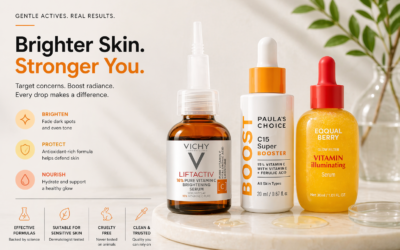
Picking the right best vitamin C serum shouldn't take hours. We vetted 5 options in September 2026 to spotlight the ones that brighten without burning – and flag the duds.



Write Your Review
No reviews yet. Be the first to share your experience!