We independently review everything we recommend. When you buy through our links, we may earn a commission. As an Amazon Associate we earn from qualifying purchases. Learn more ›
Vitamin C Serum for Face: Benefits, How to Choose, and Best Options
# Vitamin C Serum for Face: Benefits, How to Choose, and Best OptionsVitamin C serums promise brighter skin, faded dark spots, and antioxidant protection—but the category is flooded with products ranging from pharmaceutical-grade L-ascorbic acid at proper pH to ineffective derivatives in pretty packaging that won’t deliver results. The confusion stems from “vitamin C” being an umbrella term covering multiple forms with vastly different efficacy: L-ascorbic acid (true vitamin C, most proven but unstable and potentially irritating), stable derivatives (SAP, MAP—gentler but weaker), and lipid-soluble forms (THD ascorbate—penetrates differently). A vitamin C serum that works requires specific formulation parameters: L-ascorbic acid at 10-20% concentration for proven results, pH between 2.5-3.5 for skin penetration (yes, it should feel slightly tingly), ferulic acid plus vitamin E for stability and enhanced efficacy, opaque airless packaging that prevents oxidation (clear bottles mean degraded, useless product within weeks), and realistic expectations about gradual brightening over 8-12 weeks rather than overnight transformation. This guide explains what vitamin C actually does at cellular level, which forms and concentrations deliver measurable results versus marketing claims, how to identify formulations that maintain potency versus those that oxidize before showing benefits, and when vitamin C makes sense for your concerns versus when other actives work better. For vitamin C science, see [how vitamin C works in skin].
Quick answer: Vitamin C serums brighten skin, fade dark spots, support collagen production, and protect against UV-generated free radicals when formulated correctly with L-ascorbic acid at 10-20%, pH 2.5-3.5, and stability enhancers. Best for pigmentation, dull skin, early aging prevention. Use mornings before SPF. Results appear gradually over 8-12 weeks with consistent use. Not suitable for very sensitive skin due to low pH; consider derivatives or niacinamide instead.
PoshCom Score is rating is a scoring system developed by our experts. The score is from 0 to 10 based on the data collected by the poshcomplexion.com tool. Learn more ›
Pure L-ascorbic acid in protective packaging prevents oxidation
Gel texture layers easily under moisturizer
Fragrance-free, non-comedogenic formula suits sensitive skin
Cons
No user reviews available to confirm efficacy
High vitamin C percentage may irritate reactive skin
Pros & Cons
Pros
Pure L-ascorbic acid in protective packaging prevents oxidation
Gel texture layers easily under moisturizer
Fragrance-free, non-comedogenic formula suits sensitive skin
Cons
No user reviews available to confirm efficacy
High vitamin C percentage may irritate reactive skin
Details
The 10% L-ascorbic acid concentration addresses uneven tone and dullness while hyaluronic acid binds moisture for plumper-looking skin, suitable for normal to oily types seeking brightening without heavy texture.
Lightweight gel absorbs quickly in a thin layer before moisturizer in AM routines, pairs well with SPF but introduce gradually if using other actives like retinol at night.
Key Ingredients
10% L-Ascorbic Acid: Pure vitamin C form helps visibly brighten skin and even tone with antioxidant protection.
Hyaluronic Acid: Humectant binds moisture to skin surface, improving hydration and plumping appearance of fine lines.
Ceramides 1, 3, 6-II: Lipid complex supports the skin barrier, which studies show depletes with age and environmental stress.
PoshCom Score is rating is a scoring system developed by our experts. The score is from 0 to 10 based on the data collected by the poshcomplexion.com tool. Learn more ›
PoshCom Score is rating is a scoring system developed by our experts. The score is from 0 to 10 based on the data collected by the poshcomplexion.com tool. Learn more ›
Combines multiple antioxidants in budget-friendly formula
Gentle formulation with aloe vera for sensitive skin
Suitable for morning use under moisturizer
Cons
No reviews available to confirm performance claims
Vitamin C concentration and form not specified
Pros & Cons
Pros
Combines multiple antioxidants in budget-friendly formula
Gentle formulation with aloe vera for sensitive skin
Suitable for morning use under moisturizer
Cons
No reviews available to confirm performance claims
Vitamin C concentration and form not specified
Details
Vitamin C and vitamin E work as antioxidants to help visibly brighten skin and support collagen production, while stem cells and hyaluronic acid target fine lines and hydration for normal to combination skin types.
Designed for morning application under moisturizer to help protect against environmental stressors, this serum layers well with SPF and pairs with aloe vera for a gentle finish.
Key Ingredients
Vitamin C: Antioxidant that helps visibly reduce discoloration and supports collagen production for brighter-looking skin.
Hyaluronic Acid: Humectant that helps maintain skin hydration and supports a plumper appearance.
Stem Cells: Support skin vitality and may help minimize the visible appearance of fine lines.
Vitamin E & Aloe Vera: Additional antioxidants and soothing agents to help defend against environmental damage.
PoshCom Score is rating is a scoring system developed by our experts. The score is from 0 to 10 based on the data collected by the poshcomplexion.com tool. Learn more ›
Lightweight formula absorbs quickly without greasiness
Hyaluronic acid supports visible hydration and plumping
Cons
Sodium ascorbyl phosphate may work slower than L-ascorbic acid
Zero customer reviews make efficacy difficult to verify
Pros & Cons
Pros
Stable vitamin C form suitable for sensitive skin
Lightweight formula absorbs quickly without greasiness
Hyaluronic acid supports visible hydration and plumping
Cons
Sodium ascorbyl phosphate may work slower than L-ascorbic acid
Zero customer reviews make efficacy difficult to verify
Details
Sodium ascorbyl phosphate delivers antioxidant benefits and supports collagen production while remaining stable and gentle for sensitive, reactive, and normal-to-oily skin types seeking brightening without irritation.
Lightweight, fast-absorbing texture layers seamlessly under moisturizer in AM or PM routines, pairs well with niacinamide and peptides, though avoid layering with strong acids immediately after application.
Key Ingredients
Sodium Ascorbyl Phosphate: stable vitamin C derivative that provides antioxidant protection and supports visible skin brightening with minimal irritation risk.
Hyaluronic Acid: humectant that draws moisture into skin to help visibly plump and smooth the appearance of fine lines.
Aloe Vera: soothing botanical that helps calm skin and provides lightweight hydration for sensitive types.
Jojoba Oil: emollient plant oil that helps nourish and balance skin without clogging pores or leaving heavy residue.
## What Is Vitamin C Serum?Vitamin C serum is concentrated topical treatment containing vitamin C (L-ascorbic acid or derivatives) designed to deliver antioxidant, brightening, and collagen-supporting benefits directly to skin. Unlike vitamin C in food (which goes to internal organs first), topical application puts it exactly where you want effects—on your face.**Why serum format**: Serums are lightweight water-based treatments with higher active concentrations than creams or lotions. Vitamin C needs to penetrate epidermis to work—serum texture facilitates penetration better than heavy cream format. The absence of occlusives and emollients means more room for active ingredients.**Forms of vitamin C**: L-ascorbic acid (LAA) is pure vitamin C—most studied, most proven, but most unstable and potentially irritating. Requires pH 2.5-3.5 (acidic) for penetration. Derivatives (sodium ascorbyl phosphate SAP, magnesium ascorbyl phosphate MAP, ascorbyl glucoside) are more stable, less irritating, but require skin conversion to active form—potentially less effective. THD ascorbate is lipid-soluble, penetrates differently, emerging research.**Key supporting ingredients**: Ferulic acid stabilizes vitamin C, enhances efficacy, extends shelf life. Vitamin E (tocopherol) works synergistically with vitamin C for enhanced antioxidant protection. Hyaluronic acid adds hydration without interfering with vitamin C function. These aren’t fillers—they’re formulation necessities that make vitamin C work better. For formulation chemistry, see [vitamin C stability science].## Who Is It Best For?**Primary candidates for vitamin C serum**: People with pigmentation concerns (post-inflammatory marks, sun spots, melasma), dull or uneven skin tone, early signs of aging (fine lines, loss of firmness), sun damage, or those wanting antioxidant protection as preventive anti-aging strategy. Works across skin types if properly formulated, though sensitive skin may need gentler derivatives.**When vitamin C excels**: Brightening hyperpigmentation (inhibits tyrosinase enzyme that produces melanin), protecting against environmental damage (neutralizes free radicals from UV and pollution), supporting collagen synthesis (cofactor in collagen production), improving overall radiance and glow (antioxidant effects plus smoothed texture).**When other actives work better**: For significant wrinkles, retinoids deliver stronger results through direct collagen stimulation. For active acne, salicylic acid or benzoyl peroxide target bacteria and clogs. For barrier repair, ceramides and niacinamide work better. Vitamin C is prevention and brightening specialist, not cure-all.**Age considerations**: Can start in twenties as preventive antioxidant before visible aging. Most beneficial in thirties-fifties when pigmentation and environmental damage become visible. Still useful in sixties-plus but may need to combine with stronger actives (retinoids) or procedures for comprehensive anti-aging. For age-specific use, see [vitamin C by decade].## Main Benefits**Benefit 1: Antioxidant protection against free radicals**: Free radicals from UV exposure and pollution damage collagen, DNA, and cell membranes—accelerating aging. Vitamin C neutralizes these unstable molecules before they cause damage. Applied under sunscreen, it provides additional UV protection (vitamin C doesn’t block UV, it neutralizes free radicals UV generates). Think of it as insurance policy protecting skin during day.**Benefit 2: Brightening and pigmentation reduction**: Vitamin C inhibits tyrosinase, the enzyme that produces melanin. Less melanin production = gradual fading of dark spots, more even skin tone, reduced appearance of sun damage. This isn’t bleaching—it’s normalizing overactive pigment production. Results take 8-12 weeks because existing pigment must shed through natural cell turnover while new cells produce less melanin.**Benefit 3: Collagen synthesis support**: Vitamin C is cofactor in enzymes that stabilize collagen structure. Without adequate vitamin C, your body can’t properly form collagen fibers. Topical application supports local collagen production in dermis, leading to improved firmness over months of use. Not as dramatic as retinoid-stimulated collagen but measurable in studies.**Benefit 4: Enhanced skin texture and radiance**: Combination of antioxidant effects, mild exfoliation from low pH, improved collagen, and evened pigmentation creates overall “glow” users report. Skin looks healthier, more vibrant, more youthful—even before specific concerns (spots, wrinkles) show measurable improvement. For benefit timeline, see [when to expect vitamin C results].## Types of Vitamin C for Face### Type 1: L-Ascorbic Acid (LAA)**What it is**: Pure vitamin C in its most bioavailable form. The gold standard—most research, strongest evidence, fastest results. Requires pH 2.5-3.5 for skin penetration. Concentration sweet spot: 10-20% (below 10% less effective, above 20% no additional benefit, just irritation risk).**Pros**: Most proven efficacy, fastest visible results (8-12 weeks), strongest antioxidant activity, best collagen support. Clinical studies use LAA, so when you read “vitamin C reduces pigmentation,” they mean this form.**Cons**: Unstable—oxidizes rapidly when exposed to air, light, or water, turning orange/brown (oxidized vitamin C is useless). Low pH (acidic) can irritate sensitive skin, cause stinging. Requires careful storage (cool, dark place). Most formulations lose potency within 3-6 months after opening.**Best for**: People with pigmentation concerns wanting fastest results, those who tolerate acids well, users committed to proper storage and using product within 3-4 months of opening. Not ideal for very sensitive skin.### Type 2: Stable Derivatives (SAP, MAP, Ascorbyl Glucoside)**What they are**: Chemically modified vitamin C forms that resist oxidation better than LAA. Sodium ascorbyl phosphate (SAP), magnesium ascorbyl phosphate (MAP), and ascorbyl glucoside are most common. Work at neutral pH (gentler), more stable in formulation, longer shelf life.**Pros**: Less irritating than LAA (neutral pH), better stability (resist oxidation), suitable for sensitive skin, can be used in cream or lotion formats (not limited to serum). SAP has some evidence for acne benefits.**Cons**: Must convert to L-ascorbic acid in skin to be active—conversion efficiency varies, possibly less effective than direct LAA. Research on derivatives is thinner than LAA studies. May require higher concentrations (20-30%) to match LAA efficacy. Results possibly slower.**Best for**: Sensitive skin that can’t tolerate LAA, people wanting low-maintenance vitamin C without storage concerns, those preferring cream texture over serum, users with rosacea or reactive skin.### Type 3: Lipid-Soluble Forms (THD Ascorbate, Ascorbyl Palmitate)**What they are**: Fat-soluble vitamin C forms that penetrate through lipid skin barrier differently than water-soluble LAA. Tetrahexyldecyl ascorbate (THD) is most studied; ascorbyl palmitate is older, less effective form.**Pros**: Penetrates well due to lipid solubility, very stable (resists oxidation), non-irritating, works at neutral pH. THD shows promise in emerging research for both antioxidant and collagen benefits.**Cons**: Less research overall than LAA—we know it penetrates but efficacy studies are newer. More expensive to formulate. THD typically at 5-10% rather than 10-20% like LAA, making efficacy comparisons difficult.**Best for**: People who’ve failed LAA due to irritation, those wanting stable vitamin C in oil or cream format, users with very dry skin who prefer richer textures. For derivative comparison, see [vitamin C forms explained].## How to Choose the Right Vitamin C Serum### Skin Type and Concern Matching**For pigmentation/dark spots**: Choose L-ascorbic acid 15-20% with ferulic acid for maximum melanin-inhibiting effect. This is where vitamin C shows strongest evidence. Expect 8-12 weeks for visible fading. Combine with SPF 50+ daily (preventing new spots while fading existing).**For dull skin/radiance**: Any form works if properly formulated, but LAA 10-15% delivers fastest glow. Derivatives take longer but still effective. Focus on consistent daily use—radiance is cumulative effect of ongoing antioxidant protection.**For sensitive/reactive skin**: Start with derivatives (SAP or MAP at 20%) or THD ascorbate at 5-10%. These neutral-pH forms won’t sting. If those tolerate well and you want stronger effects, consider buffered LAA (combined with soothing ingredients) starting at 10%.**For oily/acne-prone skin**: SAP (sodium ascorbyl phosphate) has research showing acne benefits alongside vitamin C effects. Choose lightweight serum texture, avoid heavy oils. LAA’s low pH may be too drying for some acne skin—test carefully.**For dry/mature skin**: Can use any form, but THD ascorbate in oil-based serum or cream format provides vitamin C benefits plus lipid nourishment dry skin needs. LAA works but must be followed with rich moisturizer to buffer potential dryness from low pH. For skin-type selection, see [choosing vitamin C for your skin].### Concentration and pH Requirements**Effective LAA concentration: 10-20%**: Below 8%, efficacy drops significantly—you’re using expensive product that won’t deliver promised results. Above 20%, no additional benefit but increased irritation risk. Sweet spot is 15% for most people balancing efficacy and tolerability.**Critical pH for LAA: 2.5-3.5**: This acidic pH is required for L-ascorbic acid to penetrate skin. If pH is too high (above 3.5), vitamin C can’t get through stratum corneum effectively. Reputable brands disclose pH; if they don’t, it’s red flag. Yes, proper vitamin C stings slightly—that’s the low pH, not a problem unless it’s burning or painful.**Derivative concentrations higher**: Because derivatives must convert to active form, effective concentrations are 20-30% for SAP/MAP, 5-10% for THD. These work at neutral pH (around 6-7), so they don’t sting. No pH requirement for derivatives.**Checking concentration and pH**: Ingredient list shows order by amount—LAA should be in first 5 ingredients ideally. pH isn’t on label but brands committed to efficacy disclose it on website or to customers who ask. Avoid brands that won’t tell you pH—suggests they prioritized gentle feel over actual efficacy. For formulation standards, see [what makes vitamin C serum effective].### Formulation Quality and Stability**Stability enhancers are mandatory for LAA**: Ferulic acid (typically 0.5-1%) dramatically extends LAA stability and enhances efficacy—studies show ferulic acid plus LAA is significantly more effective than LAA alone. Vitamin E (tocopherol) works synergistically with vitamin C for enhanced antioxidant protection. These aren’t optional; they’re what make LAA formulations actually work long-term.**Packaging determines shelf life**: LAA oxidizes when exposed to air, light, or heat, turning orange/brown (useless). Opaque (not clear) airless pump bottles protect vitamin C longest. Dropper bottles expose product to air every time you open them—decent if used quickly (3 months), poor if bottle lasts 6+ months. Clear glass bottles are immediate deal-breaker; product is degrading on store shelf before you buy it.**Color indicates oxidation**: Fresh LAA serum is clear to very pale yellow. As it oxidizes, it turns progressively darker yellow, then orange, then brown. Once orange, it’s significantly degraded. Once brown, it’s completely useless and may irritate skin. Check color before each use; discard if darkening noticeably. Store in cool dark place (refrigerator extends life).**Anhydrous (water-free) formulations most stable**: Vitamin C is most stable in absence of water. Some brands use anhydrous formulas (oil-based or silicone-based) for maximum stability. These feel different (oily rather than water-light) but maintain potency longest. For storage tips, see [maximizing vitamin C serum lifespan].## Recommended Options**Pharmaceutical-grade LAA**: CeraVe Skin Brightening Vitamin C Serum—10% LAA with hyaluronic acid, ceramides, and brightening actives in dermatologist-developed formula. MVE time-release technology for enhanced tolerability. At twenty-four dollars, it’s accessible pharmaceutical-grade vitamin C with barrier support that reduces irritation common with straight LAA.**Multi-antioxidant approach**: The Ordinary Multi-Antioxidant Radiance Serum—combines multiple vitamin C forms with other antioxidants (resveratrol, niacinamide, SOD) for comprehensive protection. Good for people wanting antioxidant benefits without committing to straight LAA. Fourteen dollars for experimenting with antioxidant serums.**Budget brightening**: Ember Cloud Vitamin C Serum with stem cells and HA—accessible entry-point vitamin C for testing tolerance. Six dollars means low financial risk if your skin reacts poorly. Not pharmaceutical-grade, but reasonable for vitamin C beginners.**Natural formulation**: Tree of Life Vitamin C Serum—natural vitamin C with face oil format at eight dollars. Oil-based serums suit dry skin better than water-based. Good for people preferring natural formulations, though “natural” doesn’t mean more effective than synthetic LAA.**Multi-active anti-aging**: THORN & BERRY Vitamin C with HA and peptides—combines brightening (vitamin C), hydration (HA), and collagen signaling (peptides) for comprehensive approach. Sixteen dollars for multi-benefit formula. Good for people wanting all-in-one serum rather than layering multiple products.## How to Use Vitamin C Serum**Apply to clean damp face in morning**: After cleansing, while face is still slightly damp, apply 3-4 drops of serum. Pat gently until absorbed. Dampness helps penetration without diluting product. The morning application provides daytime antioxidant protection when you’re exposed to UV and pollution.**Wait 60 seconds before layering**: Let vitamin C fully absorb before applying next product. Layering immediately can dilute efficacy or cause pilling (product balling up). After 60 seconds, proceed with moisturizer and SPF.**Always follow with SPF 30+ broad-spectrum**: Vitamin C provides free radical protection but does NOT block UV rays. SPF is mandatory. The combination of vitamin C under sunscreen provides enhanced protection—vitamin C neutralizes free radicals that get through sunscreen. Never use vitamin C without sunscreen; you’re wasting money.**Start every other day if using LAA**: Low pH can irritate if you jump to daily use immediately. First week: every other day. Second week: daily if tolerating well. Some people stay at every other day long-term and still see results. Consistency over frequency—using 4x weekly consistently beats sporadic daily use.**Store properly to maintain potency**: Keep in cool dark place (bathroom cabinet away from shower heat, or refrigerator). Close lid immediately after use. Check color monthly; discard if turning orange. Most serums maintain potency 3-6 months after opening with proper storage. For application techniques, see [maximizing vitamin C absorption].## Cautions and Common Mistakes**Mistake 1: Using oxidized product**: Orange or brown vitamin C is degraded and useless. Many people keep using it because “I paid for it”—you’re applying irritating oxidized acids with no benefits. Discard once color changes significantly. Fresh vitamin C is clear to pale yellow.**Mistake 2: Expecting overnight results**: Vitamin C works gradually over 8-12 weeks. First month: improved radiance. Second-third month: pigmentation starts fading. Judging after one week guarantees disappointment. Skincare requires patience.**Mistake 3: Skipping SPF**: Using vitamin C without sunscreen is counterproductive. You’re preventing some oxidative damage while allowing new UV damage. Vitamin C is protective layer under SPF, not SPF replacement.**Mistake 4: Using too much product**: More isn’t better. Three to four drops covers entire face. Using half the bottle accelerates oxidation (more air exposure) and wastes product without improving results.**Mistake 5: Combining with incompatible actives**: Vitamin C (especially LAA) doesn’t play well with niacinamide at high concentrations in same application—can reduce efficacy of both. Separate them (vitamin C morning, niacinamide night) or use formulas specifically combining them. Don’t mix vitamin C with retinol in same application—use vitamin C AM, retinol PM. For combination cautions, see [layering vitamin C with other actives].## FAQ**Can I use vitamin C with retinol?**
Yes, separately. Use vitamin C in morning (antioxidant protection during day), retinol at night (works during sleep, avoids photosensitivity). Combining in same application can cause irritation without added benefit. The two-part approach delivers synergistic benefits—vitamin C prevents new damage, retinol repairs existing damage—without overwhelming skin.**Why does my vitamin C serum sting?**
L-ascorbic acid serums have pH 2.5-3.5 (acidic) required for penetration. Slight tingling is normal—it’s the low pH, not allergic reaction. Should subside within 60 seconds. If it burns or causes prolonged redness, either concentration is too high for you or your barrier is compromised. Try derivatives (neutral pH) or buffer LAA with moisturizer.**How long does vitamin C serum last after opening?**
L-ascorbic acid: 3-6 months with proper storage (opaque packaging, cool place, closed immediately after use). Derivatives: 6-12 months (more stable). Anhydrous formulas: potentially 12+ months. Judge by color—once turning orange, it’s degrading. Most potency loss happens gradually; you won’t notice exact moment it stops working.**Can I use vitamin C if I have sensitive skin?**
Depends on form. L-ascorbic acid’s low pH challenges sensitive skin—possible with buffered formulations, lower concentrations (10%), or building tolerance slowly. Derivatives (SAP, MAP, THD) work at neutral pH and rarely irritate—better starting point for sensitive types. Some sensitive skin tolerates no vitamin C—niacinamide provides alternative brightening and antioxidant benefits.**Does vitamin C serum work for acne scars?**
Yes, for post-inflammatory hyperpigmentation (red or brown marks left after acne heals). Vitamin C inhibits melanin, gradually fading these marks over 8-12 weeks. Does NOT work for atrophic scars (indented/pitted scars from tissue loss)—those need professional treatments (microneedling, lasers, subcision). Vitamin C addresses pigmentation, not textural scarring. For acne mark treatment, see [fading post-inflammatory pigmentation].## Bottom LineVitamin C serum for face delivers measurable brightening, antioxidant protection, and collagen support when properly formulated with L-ascorbic acid at 10-20% concentration, pH between 2.5-3.5 for skin penetration, stability enhancers like ferulic acid and vitamin E that extend potency and enhance efficacy, and opaque airless packaging that prevents oxidation from air and light exposure. Best for treating hyperpigmentation, dull uneven tone, early aging signs, and providing preventive antioxidant protection against environmental damage from UV exposure and pollution. Apply 3-4 drops to clean damp face each morning before moisturizer and SPF 30+ broad-spectrum sunscreen, allowing 60 seconds absorption between layers, and commit to 8-12 weeks consistent use for visible brightening results as melanin production normalizes and pigmented cells shed through natural turnover. L-ascorbic acid provides strongest evidence and fastest results but requires low pH that may irritate sensitive skin—derivatives like sodium ascorbyl phosphate or THD ascorbate offer gentler alternatives at neutral pH with slower but still effective results. Store serum in cool dark place, check color monthly, and discard once turning orange since oxidized vitamin C loses efficacy and may irritate without providing benefits. Not suitable as standalone anti-aging treatment for significant wrinkles (retinoids deliver stronger collagen stimulation) or active acne (salicylic acid targets bacteria and clogs better), but excellent preventive antioxidant in twenties-thirties and brightening specialist for pigmentation concerns at any age, working synergistically with retinoids (vitamin C morning, retinol night) for comprehensive anti-aging approach combining prevention with treatment.
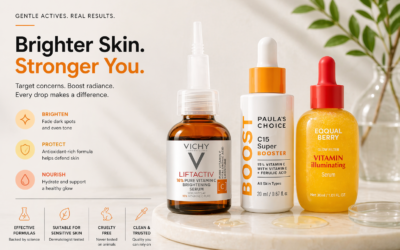
Picking the right best vitamin C serum shouldn't take hours. We vetted 5 options in September 2026 to spotlight the ones that brighten without burning – and flag the duds.



Write Your Review
No reviews yet. Be the first to share your experience!