Most morning routines are two steps of real work padded out with five steps of habit. The industry sells the padding, because toner and essence and eye cream and first-serum all have margins, and nobody makes money telling you that a good AM routine can be done in ninety seconds. The order matters far more than the shelf. Put the right thing on at the right point and a $12 lineup outperforms a $300 one applied backwards.
Our editors mapped the standard morning sequence against how each layer actually behaves on skin: what needs bare skin to work, what needs a stable film on top, what gets destroyed by daylight. We also looked at where the popular advice breaks down, especially the half-hour waiting rule that turns a short routine into a chore. What follows is the sequence, the reasoning behind each position, and how to shorten it when your skin type says to. If you’re building the whole day rather than just the morning, our best skincare routine for oily skin guide covers the evening side too.
Quick answer: Cleanse (or just rinse with water if you’re dry), then antioxidant serum, then moisturizer, then sunscreen last and always last. Thin to thick is the rule; sunscreen is the deliberate exception, because it has to sit on top as an unbroken film.
The Core Morning Sequence
Step one: cleanse, or don’t. You slept on a clean pillowcase in a closed room. What’s on your face at 7am is sebum, a little sweat, and whatever you put on at 11pm. That’s a light load. A gentle low-foam cleanser handles it in twenty seconds, and if you’re oily or you use actives at night, do it. If your skin feels tight and papery by mid-morning, water alone is enough, and stripping a dry face before you spend a day in air conditioning helps nobody.

Pros
- Coordinated five-step system removes guesswork from layering
- Rice Extract trio supports comfortable, soft-feeling skin
- Practical sizes work for daily use and travel
Cons
- No customer reviews yet to verify performance claims
- Rice Extract concentration not specified in product data
Pros
- Coordinated five-step system removes guesswork from layering
- Rice Extract trio supports comfortable, soft-feeling skin
- Practical sizes work for daily use and travel
Cons
- No customer reviews yet to verify performance claims
- Rice Extract concentration not specified in product data
- Rice Extract anchors the formula alongside Niacinamide for visible skin evenness and Hyaluronic Acid for moisture retention, suited for normal to combination skin seeking gentle hydration without heaviness.
- Lightweight textures layer cleanly in sequence from toner through moisturizer, fitting morning routines under sunscreen or evening regimens after cleansing without pilling or residue.
- Rice Extract: Traditional Korean ingredient known for supporting a soft, comfortable skin feel with regular use.
- Niacinamide: Helps visibly improve skin texture and supports the appearance of even tone over time.
- Hyaluronic Acid: Humectant that draws moisture into skin, helping maintain hydration levels throughout the day.
Step two: antioxidant serum. This is the step doing the most work and the one people skip. Vitamin C, usually L-ascorbic acid at 10-20%, neutralizes the free radicals UV generates before they can damage collagen. It doesn’t replace sunscreen. It covers the part sunscreen misses, because no one applies 2 mg/cm² evenly and no filter blocks everything. Ferulic acid and vitamin E alongside it aren’t marketing; they stabilize the ascorbic acid and extend how long the antioxidant effect lasts. Apply to skin that’s damp, not dripping.
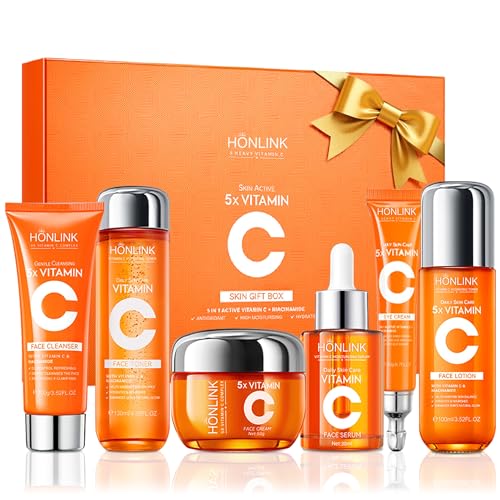
UZTUZT Vitamin C Niacinamide Skincare Set - 6-Piece Daily Routine with Collagen & Centella
Pros
- Six products designed to work together sequentially
- Lightweight formulas absorb without heavy or greasy finish
- Combines multiple actives across cleansing and treatment steps
Cons
- No concentration percentages disclosed for active ingredients
- Zero verified user reviews available at launch
Pros
- Six products designed to work together sequentially
- Lightweight formulas absorb without heavy or greasy finish
- Combines multiple actives across cleansing and treatment steps
Cons
- No concentration percentages disclosed for active ingredients
- Zero verified user reviews available at launch
- Vitamin C and niacinamide anchor this multi-step system, supported by collagen and centella asiatica across cleanser, toner, serum, moisturizer, eye cream, and lotion for normal to combination skin.
- Fast-absorbing textures layer comfortably in AM and PM routines without residue, though the brand does not specify which steps to separate if using acids or retinoids.
- Vitamin C: Antioxidant that may help support brightness and visibly even skin tone over time.
- Niacinamide: Supports barrier function and may improve the appearance of pores and texture with consistent use.
- Collagen: Hydrating agent that helps skin feel plumper and more supple on the surface.
- Centella Asiatica: Botanical known for soothing properties, often used to support stressed or sensitized skin.
Step three: moisturizer. Its job is to hold water in the top layers so the barrier works and your sunscreen spreads evenly instead of dragging. Humectants like glycerin and hyaluronic acid pull water in, a light emollient keeps it there. If your sunscreen already feels hydrating, this step is negotiable, and plenty of oily-skinned people are better off without it.
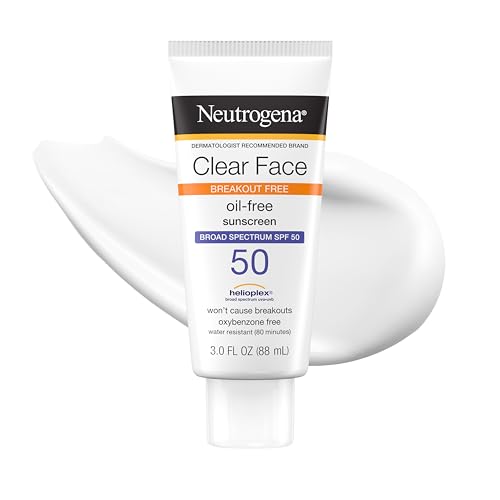
Step four: sunscreen. Last. Always. Here’s the mechanical reason, and it’s the one thing worth memorizing from this whole page. Sunscreen doesn’t work as a chemical that soaks in. It works as a continuous film sitting on the surface, and UV protection depends on that film being unbroken. Rub a serum, an oil, or a heavy cream over the top and you thin the film, move it around, and open gaps. Studies on real-world SPF consistently find people get a fraction of the labeled protection, and layering things over the top is one reason. Broad-spectrum, SPF 30 minimum, and enough of it that it looks like too much for a second before it settles.
Pros
- Non-stripping foam removes 26.3% of pore impurities
- Lightweight textures absorb without sticky residue throughout
- Cream supports 68.3% collagen improvement within four weeks
Cons
- Limited ingredient transparency beyond PDRN and hyaluronic acid
- No reviews available to confirm long-term efficacy
Pros
- Non-stripping foam removes 26.3% of pore impurities
- Lightweight textures absorb without sticky residue throughout
- Cream supports 68.3% collagen improvement within four weeks
Cons
- Limited ingredient transparency beyond PDRN and hyaluronic acid
- No reviews available to confirm long-term efficacy
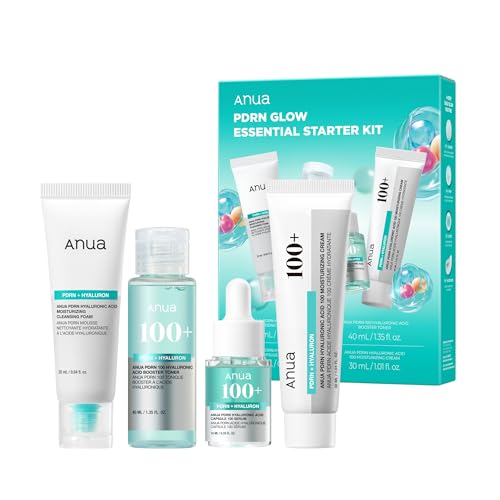
- PDRN (polydeoxyribonucleotide) works with hyaluronic acid and collagen to support deep hydration by 24.64% and help visibly reduce wrinkles by 1.10% within four weeks, suited for all skin types seeking glass skin.
- Lightweight, non-sticky textures layer from cleansing foam through moisture cream for AM or PM use, designed as a complete routine without heavy occlusive finishes.
- PDRN (Polydeoxyribonucleotide): supports skin regeneration and hydration across the four-step system.
- Hyaluronic Acid: binds moisture to increase hydration levels by 397.23% after toner application.
- Collagen: helps improve skin elasticity and supports 68.3% collagen improvement with cream use.
- Smart Capsule Technology: encapsulates actives in serum for targeted delivery and 8.93% instant plumping effect.
How Long to Wait Between Steps
The thirty-minute rule needs to go. It came from a misreading of pH-adjustment research and it has convinced people that a four-step routine takes two hours. In practice you need long enough that the previous layer isn’t visibly wet. That’s roughly sixty seconds. Applying onto a wet layer means the two products mix and dilute rather than stack, which is the only real problem waiting solves.
Vitamin C is the one genuine exception, and even then it’s small. L-ascorbic acid needs a pH around 3.5 to stay stable and penetrate, and dumping an alkaline or heavily buffered moisturizer straight on top can shift that before it’s absorbed. Give it two or three minutes. Not thirty. Use the time to brush your teeth.
Sunscreen has its own short pause, and this one’s practical rather than chemical. Mineral filters especially need a beat to set into a film before you touch your face or apply makeup. A minute or two, then move. If your sunscreen pills over your moisturizer, the cause is almost always too much product or a silicone-versus-water mismatch between the two, not insufficient waiting.
Adjusting for Your Skin Type
Oily and acne-prone. Cleanse in the morning; you actually produce enough overnight to justify it. Then consider dropping moisturizer entirely and letting a hydrating sunscreen do both jobs. Three steps. That single subtraction fixes more midday shine and more clogged pores than any mattifying primer, and if you want the full framework, our best skin care routine for oily skin breakdown goes deeper.
Dry and dehydrated. Rinse with lukewarm water, skip the cleanser, and apply your serum while your face is still slightly damp. You’re trying to trap the water that’s already there. A slightly richer moisturizer earns its place here, and if your sunscreen feels drying by noon, that’s the sunscreen to replace, not a signal to add two more layers underneath it.
Sensitive or reactive. Hold at three steps and don’t stack actives in daylight. Water rinse, one bland moisturizer, mineral sunscreen. Add nothing new for two weeks at a time so you can tell what caused a flare. Vitamin C at 15-20% stings a lot of reactive skin; a magnesium ascorbyl phosphate or THD ascorbate version at a lower strength is gentler and worth trying before you write off antioxidants completely.
What to Leave for Night
Retinoids. Tretinoin and retinaldehyde degrade in UV light, which is a formulation reality, not a superstition. They also thin the stratum corneum while your skin adjusts, so daytime use trades a little photoprotection for nothing you gain. Night, on dry skin, after cleansing.
Exfoliating acids. Glycolic, lactic, and mandelic acids raise photosensitivity for hours afterward, and they compete with your sunscreen for the same surface real estate. An acid applied at 7am also has to survive under an SPF film that you hope stays intact. Move them to two or three nights a week and your morning gets shorter and safer at once.
Heavy occlusives. Petrolatum, thick balms, facial oils. Excellent at 10pm on damp skin, a problem at 8am because they’re exactly what breaks up a sunscreen film. If your skin genuinely needs occlusion in the morning, put it on before sunscreen and use a thin layer, never over the top.
Niacinamide, azelaic acid, and peptides are the flexible ones. Azelaic acid in particular is fine in daylight, and if you’re not sure where to slot it, azelaic acid morning or night walks through the decision.
Frequently Asked Questions
Do I really need to cleanse in the morning if I washed my face at night?
Not necessarily. Overnight buildup is sebum plus residue from last night’s products, which a water rinse removes on dry or normal skin. Cleanse if you’re oily, if you use retinoids or acids at night, or if you wake up with a slick T-zone. Otherwise the rinse is fine and less stripping.
Can I mix vitamin C and sunscreen into one step?
Some sunscreens include a bit of vitamin C, but the concentration is usually too low to do antioxidant work, and the pH needed for L-ascorbic acid conflicts with what most filter systems want. Keep them separate. Serum first, sunscreen on top.
What if I don’t have time for four steps?
Do two: antioxidant serum and sunscreen. That’s the pair with actual evidence behind it for preventing pigmentation and collagen loss. Cleanser and moisturizer are comfort and barrier support, useful but not the reason the routine works.
Should I reapply sunscreen, and does that ruin everything underneath?
Reapply every two hours outdoors. Indoors away from windows, morning application usually holds. Reapplication doesn’t disturb what’s under it, since your serum and moisturizer absorbed hours ago. A powder or stick over makeup is a compromise, not equal coverage, but it beats nothing.
Is toner a necessary morning step?
No. Modern hydrating toners add a thin layer of humectants, which is pleasant and occasionally useful on very dry skin, but nothing in the sequence depends on it. The old astringent toners that “balanced pH” were solving a problem that low-pH cleansers already fixed.
Bottom Line
Cleanse or rinse, antioxidant serum, moisturizer, sunscreen last. Wait about a minute between layers, two or three after vitamin C, and ignore anyone telling you thirty. The two steps carrying the routine are the antioxidant and the SPF, so if your mornings are chaotic, protect those and let the rest go. Oily skin can run three steps and skip moisturizer, dry skin usually does better skipping the morning cleanser instead, sensitive skin should stay at three and change one thing at a time. Everything light-unstable or photosensitizing belongs to your night routine, where it isn’t fighting your sunscreen for the same square inch of face.