

TL;DR: Azelaic acid does not photosensitize, does not destabilize in sunlight, and works equally at any time of day. If you can only do one application: choose PM for the slight edge of overnight cumulative effect. Otherwise twice daily is the dermatology standard for the strongest results.
The morning-or-night question comes up because every other active in skincare has a preferred slot — vitamin C in AM for antioxidant defense, retinoid in PM for stability. Azelaic does not have a hard preference. Understanding why explains the decision tree.

The hero pick.
Why timing doesn’t matter much for azelaic acid
- Not photosensitizing. Unlike retinoid and AHAs, azelaic does not increase UV sensitivity. AM use does not raise sunburn risk.
- Photostable. The molecule does not degrade in sunlight the way L-ascorbic acid (vitamin C) can in poorly formulated bottles. AM use does not waste the dose.
- No oxidation conflict with daylight. Some actives need anaerobic darkness (think: certain peptide blends). Azelaic is unaffected.
The case for PM
If you only have time for one application per day, PM has a small edge:
- Anti-inflammatory action compounds during sleep when cortisol drops and skin repair is most active.
- Pairs cleanly with retinoid (alternate evenings) — concentrating both PM keeps AM simple.
- Most published studies that use once-daily dosing pick PM.

Budget-tier option.
The case for AM
PM-only is not the only good choice:
- If your PM is busy with retinoid + moisturizer + face oil, adding azelaic crowds the routine.
- Anti-inflammatory effect during daytime helps with pollution-driven barrier stress.
- Pairs cleanly with vitamin C in the AM (allow 30 seconds between).
The case for both
This is the dermatology standard for rosacea, acne, and persistent PIH. Twice daily reaches steady-state concentration faster and produces more pronounced effects at week 12. The trade-off is one extra application per day — for most users, a sustainable habit.
Decision tree
- Are you treating rosacea, active acne, or significant PIH? Yes → twice daily. No → continue.
- Is your PM routine already crowded with retinoid + oil + heavy moisturizer? Yes → AM only. No → continue.
- Do you use vitamin C AM? Yes → azelaic PM. No → either AM or PM works equally.
- Do you have sensitive skin? Slight preference for PM (fewer competing variables).
How to apply at either time
Application is identical AM and PM:
- Cleanse and pat skin dry.
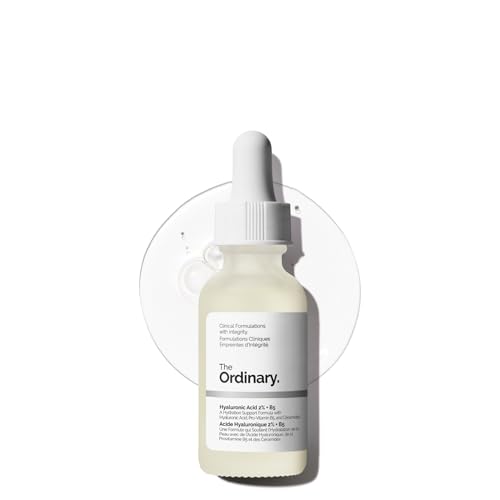
- Apply lighter hydrating serums first (hyaluronic acid on damp skin).
- Wait 60–90 seconds for skin to dry.
- Apply pea-sized azelaic acid, full face.
- Wait another 60 seconds before moisturizer.
- AM: add SPF 30+. PM: optional retinoid first (alternate nights), then moisturizer.
Product picks at a glance

Pros
- 10% azelaic acid visibly addresses uneven texture.
- Gentle enough for rosacea-prone skin daily.
- Compatible with morning and evening routines.
Cons
- Suspension texture can feel heavy on oily skin.
- Ingredient list beyond azelaic acid not specified.

Pros
- Watery texture absorbs fast and layers easily
- Combines exfoliation with hydration for sensitive skin
- No artificial fragrance in calming complex
Cons
- Requires gradual introduction starting 1-2 times weekly
- Must pair with daily sunscreen during use
Pros
- Watery texture absorbs fast and layers easily
- Combines exfoliation with hydration for sensitive skin
- No artificial fragrance in calming complex
Cons
- Requires gradual introduction starting 1-2 times weekly
- Must pair with daily sunscreen during use
- Azelaic acid at 10% concentration works to visibly refine bumps and fade post-acne marks without the irritation typical of stronger exfoliants, suited for sensitive and breakout-prone skin.
- Watery, fast-absorbing serum layers under moisturizer morning or night, though daytime use requires diligent sunscreen application since azelaic acid increases photosensitivity.
- Azelaic Acid 10%: helps visibly reduce post-blemish marks and refine uneven texture without irritation.
- Three Hyaluronic Acid Types: deliver lightweight hydration across multiple skin layers for plumping.
- Panthenol: supports skin barrier function and prevents moisture loss during exfoliation.
- Cica and Blue Tansy Oil: provide natural green tint that helps soothe visible redness instantly.

Pros
- High 10% azelaic acid concentration at an accessible price.
- Suitable for sensitive skin with patch-test guidance included.
- Layered actives: niacinamide, vitamin C, and coffee seed extract.
Cons
- Texture and finish not specified in available product data.
- Tolerance-building required, limiting immediate twice-daily use.
Frequently asked questions
Will AM azelaic make my skin more sensitive to the sun?
No. The molecule is not photosensitizing. UV sensitivity does not change. SPF is still required because everyone needs SPF — not as an extra precaution for this active.
Can I use azelaic in the AM and retinoid in the PM?
Yes — this is one of the cleanest combinations. Azelaic AM gives anti-inflammatory + tyrosinase inhibition during the day; retinoid PM drives turnover overnight. No conflict.
Does PM application work overnight or just for the first hour?
The skin absorbs azelaic over 2–4 hours after application. The molecule continues working on local biology (inflammation modulation, tyrosinase inhibition) for the duration it remains in the skin — usually 12–18 hours. So PM dose is still actively working into the next morning.
Should I switch from PM to AM during summer?
No reason to. Azelaic is not photosensitizing, so summer timing doesn’t matter. Just keep SPF consistent.
Related reading
- When to use azelaic acid in routine
- How often to use azelaic acid
- How to layer azelaic acid
- Can you use azelaic acid with vitamin C?





Write Your Review
No reviews yet. Be the first to share your experience!