We didn’t shower with these for a season. What decided the list was a labelling distinction most shoppers never get told about: “scentless” and “unscented” are marketing words, while “fragrance-free” is the one that means what you want it to mean.
An unscented product can contain masking fragrance added to neutralise the raw smell of its own surfactants. That masking agent is still a fragrance material, still carries the allergens, and still shows up on a patch panel. Fragrance-free means no fragrance material was added at all. If you’re avoiding scent because your skin reacts rather than because you dislike perfume, that difference is the whole purchase.
Quick answer: Aveeno Skin Relief is the pick for genuinely reactive or eczema-prone skin, with colloidal oatmeal and no added fragrance. Cetaphil is the mildest everyday option, Ivory is the cheapest fragrance-free choice, Dove adds a serum-style moisturising base, and Native is the pH-balanced pick for sensitive but resilient skin.



Pros
- Minimal ingredient list reduces irritation risk
- Fragrance-free formulation suits reactive skin types
- Pump bottle allows controlled, hygienic dispensing
Cons
- No active treatment ingredients for specific concerns
- Gel texture may feel less moisturizing than cream cleansers
Pros
- Minimal ingredient list reduces irritation risk
- Fragrance-free formulation suits reactive skin types
- Pump bottle allows controlled, hygienic dispensing
Cons
- No active treatment ingredients for specific concerns
- Gel texture may feel less moisturizing than cream cleansers
- The 10-ingredient formula strips out potential irritants including sulfates, parabens, and fragrance, making it compatible with compromised skin barriers and reactive skin types that flare from complex formulations.
- Gel texture lathers into a bubbly cleanse without residue, suitable for daily AM or PM use and safe to layer with treatment serums or medicated topicals prescribed for sensitive skin.
- Gentle Cleansers: sulfate-free surfactants remove dirt and oil without stripping skin's natural moisture barrier.
- Fragrance-Free Base: eliminates common sensitizers that trigger irritation in reactive or compromised skin.
- Minimal Ingredient List: 10 essential components reduce exposure to potential allergens and irritants for sensitive skin types.
How We Evaluated These Body Washes
Label language came first. We looked for “fragrance-free” printed explicitly, then read the ingredient list for parfum, aroma, and the essential-oil names that function as fragrance whether or not the front of the bottle admits it — linalool, limonene, citral and geraniol are the usual suspects. Anything claiming unscented while carrying one of those got described honestly rather than credited for the claim.
Then the surfactants, because fragrance isn’t the only thing that makes a body wash uncomfortable. Sodium lauryl sulfate high in the list strips lipids and leaves the tight, squeaky feeling people mistake for cleanliness. Mild synthetic detergents with glycerin or an oat complex behave completely differently. We favoured formulas near skin’s own pH, since alkaline soap-based washes disrupt the barrier regardless of scent. Verified-buyer feedback settled how much residue each left behind.
Aveeno Skin Relief Body Wash — Best for reactive skin
Triple oat complex and no added fragrance, which is the combination that makes this the safe default when skin is actively irritated. Colloidal oatmeal is one of very few soothing ingredients with real FDA monograph standing as a skin protectant, so it isn’t a botanical decoration. The faint cereal note some people notice comes from the oat itself rather than added perfume. It’s the least foamy option here, which reads as underpowered if you like lather. On eczema-prone skin during a flare, that lack of foam is the point.
Cetaphil Ultra Gentle Refreshing Body Wash — Mildest everyday formula
Cetaphil has spent decades building formulas around not doing very much, and that restraint is why dermatologists keep recommending the line. Hypoallergenic, low-surfactant, and it rinses without leaving a film. This is the pick if your skin isn’t dramatic but you’ve noticed scented washes leave you itchy by evening. The “refreshing” in the name is doing marketing work rather than describing a sensory effect, so don’t expect any cooling. Slightly pricier than the drugstore basics for what is a deliberately plain product.
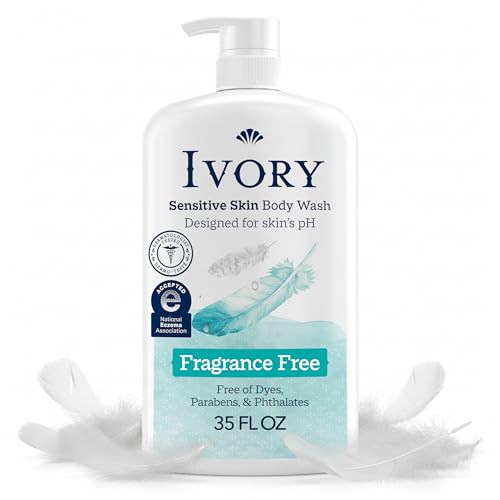
Ivory Sensitive Body Wash — Cheapest fragrance-free option
Ivory built a century-long reputation on plain soap, and the fragrance-free sensitive version is the modern extension of that. What you’re buying is adequacy at a very low price, which matters when you’re washing a whole household rather than treating a condition. It’s a straightforward mild formula with no actives and no soothing complex. Skin that’s genuinely compromised will do better with the Aveeno. For everyone else in the house who just needs to not react to anything, this is the sensible bulk buy.
Dove Ultra Sensitive Serum Body Wash — Richest moisturising base
Dove’s whole platform is putting moisturiser into a cleanser, and the serum version pushes that further than the standard bars and washes do. It leaves a noticeably more conditioned feel on skin, which is useful in winter or on legs that go tight after every shower. The tradeoff is that same residue: anyone with oily or breakout-prone skin on the chest and back may find it too much. Fragrance-free is stated on the pack, which is worth confirming since most of Dove’s range is heavily scented.
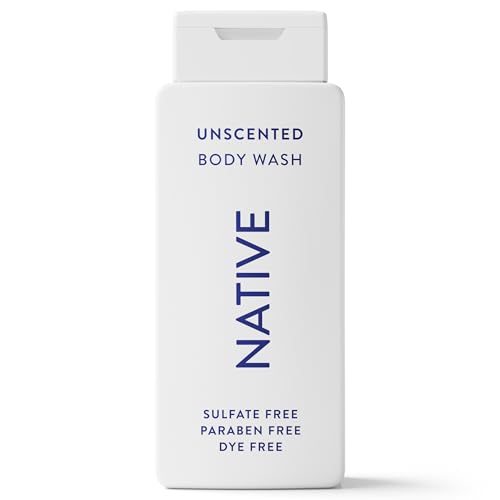
Native Clean Body Wash — Best pH-balanced pick
Native’s argument here is pH rather than gentleness for its own sake, and it’s a legitimate one. Skin sits around 4.7 to 5.5, and washing with something alkaline disrupts the acid mantle in a way that takes hours to recover from. A pH-balanced formula skips that recovery period entirely. This is the pick for sensitive-but-not-fragile skin that wants a proper lather without the alkalinity. Native is primarily a fragrance brand, so check you’re getting the unscented variant and not a lightly scented one.
What to Look For in a Fragrance-Free Body Wash
Read “fragrance-free” as the only reliable claim. Scentless, unscented, and “clean scent” all permit added fragrance material. Fragrance-free doesn’t. If you’re eliminating variables because of a reaction, that’s the phrase to hold out for, and the ingredient list is where you confirm it.
Essential oils count as fragrance. A wash marketed as natural and fragrance-free while listing lavender or tea tree oil is contradicting itself, because those are complex fragrance mixtures that happen to be plant-derived. They’re among the more common sensitisers on standard patch panels. Natural formulations frequently carry more of them, not fewer.
Check the surfactant, then the pH. Sodium lauryl sulfate near the top of the list will strip skin whether or not the product smells of anything. A mild synthetic detergent base at skin-appropriate pH does more for comfort than removing fragrance alone. Then apply moisturiser on damp skin within a few minutes, because the wash is only half the job.
Frequently Asked Questions
What’s the actual difference between unscented and fragrance-free?
Fragrance-free means no fragrance material was added. Unscented means the finished product has no perceptible smell, which manufacturers sometimes achieve by adding a masking fragrance to cover the base ingredients. So an unscented wash can contain the exact allergens you’re trying to avoid.
Why does my “sensitive” body wash still make me itch?
The two usual culprits are a masking fragrance you didn’t know was there, or a harsh surfactant. Sensitive-skin marketing often addresses only fragrance while leaving sodium lauryl sulfate in place. Check both, and check for essential oils, which sit in a grey zone on a lot of labels.
Is fragrance-free body wash worth it if my skin seems fine?
If nothing bothers you, scent is a legitimate pleasure and there’s no reason to give it up. The case for going fragrance-free preemptively is that sensitisation develops with repeated exposure, so someone who tolerates a fragrance today may not in five years. It’s a risk-tolerance question rather than a right answer.
Do fragrance-free washes clean as well?
Yes. Fragrance contributes nothing to cleansing — it’s there for the experience. What changes cleaning power is the surfactant system, and the mild ones in these formulas remove sweat, sebum and daily grime perfectly well. They just don’t leave you smelling of anything afterward.
Can I use these on my face?
In a pinch, and the Aveeno and Cetaphil are the two least likely to cause problems. Body washes generally carry more surfactant than facial skin wants, so regular use tends to leave the face tight. A dedicated facial cleanser is a better idea if you have the option.
Bottom Line
Aveeno Skin Relief is where we’d send anyone with genuinely reactive or eczema-prone skin, because colloidal oatmeal earns its place and there’s no fragrance to work against it. Cetaphil is the mild everyday choice, Ivory is the low-cost option for a household, Dove suits skin that needs conditioning through winter, and Native is the pH-balanced pick if you want lather without alkalinity. Look for “fragrance-free” specifically, watch for essential oils, and moisturise on damp skin afterward.