Diaper cream on your face sounds like a punchline until you read the drug facts panel. Zinc oxide is an FDA-monograph skin protectant, and a 40% paste is one of the most effective barriers you can buy without a prescription. Dermatologists have quietly suggested it for years for chapped, wind-burned, or over-exfoliated skin.
The catch is that every one of these tubes was engineered for a wet, chafed area under a nappy, not for cheeks that also have to wear sunscreen and makeup. Our editors compared zinc concentrations, occlusive bases, and aggregated verified-buyer feedback across dozens of pastes to find the ones facial skin tolerates. The five below earned their spots. If you want something for daily wear instead, start with a face cream for sensitive skin.
Quick answer: Desitin Maximum Strength is the pick most people should reach for, since 40% zinc oxide is the strongest barrier the diaper-rash monograph allows. Aquaphor’s paste is the gentler fragrance-free option, The Honest Company suits mild flaking, TenderGentle covers occasional spot use, and Boudreaux’s Butt Paste clings best overnight.


How We Evaluated These Pastes
The hardest call here was how much of the diaper aisle belongs on a face at all. These pastes are engineered to seal a wet, chafed area shut underneath a nappy, and a face is neither wet nor covered. So the screen flipped. We kept formulas where zinc oxide is genuinely the active doing the work, plus the milder zinc creams built on plant emollients rather than a slab of wax. Out went the cornstarch and talc powders, the A&D ointments where zinc isn’t the active at all, and the fragranced soothing creams carrying a token 2%.
From there we read full ingredient lists against what’s known about facial occlusion, then aggregated verified-buyer feedback, weighting repeated complaints over one-off raves. When hundreds of adults report the same clogged-pore outcome after a week of full-face use, that’s a pattern. We weighed removal too, because a paste you scrub off does more damage than it repairs. Everything that made the cut is in stock and states its zinc percentage on the drug facts panel.
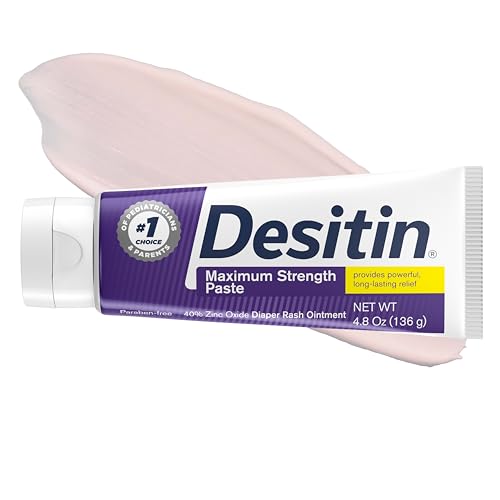
Desitin Maximum Strength Paste — Best Overall
At 40% zinc oxide, this sits at the ceiling the diaper-rash monograph allows, which is why nothing on the shelf goes higher. That matters on a face because you’re not moisturizing, you’re shutting a raw patch off from air, friction, and your own pillowcase for eight hours. It does that job better than anything else here. The caveats are the smell and the base: cod liver oil gives it an unmistakable fishy note, and isopropyl myristate is one of the few genuinely pore-clogging esters in the category. Thin overnight layer on wind-burned or over-exfoliated patches, not a full-face mask.
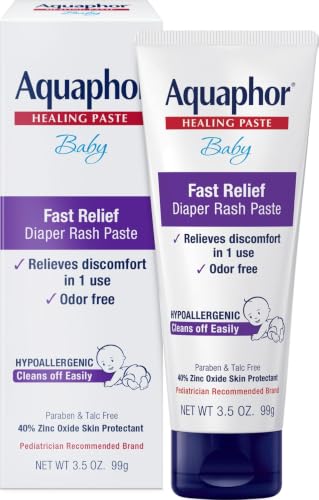
Aquaphor Baby Diaper Rash Paste — Best for Sensitive Skin
This is the one I’d hand someone nervous about the whole idea. It’s fragrance-free, which removes the most common reason a barrier cream stings on already-sore skin, and panthenol in the base gives it a less claggy slip than the drugstore standards. You can spread it across a cheek without dragging. The tradeoff is the vehicle, which is still mineral oil and petrolatum, so it sits on top rather than sinking in, and the white cast is real. Good for overnight barrier repair, wrong as a daytime layer under makeup or SPF.
The Honest Company Diaper Rash Cream — Best for Mild Irritation
The zinc load here is lower than the maximum-strength pastes, and on facial skin that’s a feature rather than a compromise. Honest builds it on shea, jojoba, and tamanu instead of a wax slab, so it rubs in closer to a thick cream than spackle and comes off with an ordinary cleanser. Reach for it for the flaky, tight patch around your nose after a cold, not an angry weeping one. Two honest notes: the botanical oil blend is richer than congested skin usually wants, and the softer texture won’t hold overnight the way a 40% paste does. If clogging is the worry, our face cream for acne picks are the safer daily route.
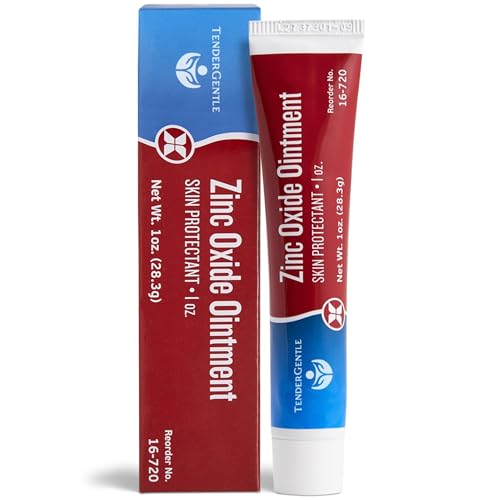
TenderGentle Zinc Oxide Ointment — Best for Spot Use
The label here is aimed at adults as much as babies, which is unusual in this aisle and genuinely useful. It’s a plain zinc oxide ointment doing plain zinc oxide things: skin protectant, chafing, minor cuts and scrapes, nothing dressed up as skincare. That stripped-back positioning is why it lands as the spot pick, since facial use really means dotting a pea onto two or three angry places and leaving the rest of your face alone. Set expectations, though. This is a no-name label without a track record, so you’re buying the monograph active, not a formulation someone spent years refining.
Boudreaux’s Butt Paste Maximum Strength — Best Overnight Barrier
Look past the name. The maximum-strength version runs the same 40% zinc oxide as Desitin, and the difference is the feel: castor oil makes it tackier and more film-like, so it stays put on a nose or chin through a night of moving around on a pillow. That staying power is why it’s here, and it’s also the reason to be careful. Anything this occlusive over active breakouts makes them worse, and getting it off takes an oil cleanser and patience rather than a foaming wash. Treat it as a two- or three-night intervention, then stop.
What to Look For in a Zinc Diaper Cream for Your Face
Concentration decides the job, not the quality. Zinc oxide runs from around 10% in the softer creams up to the 40% ceiling the monograph permits, and higher isn’t better, it’s different. The 40% pastes are barriers. They sit on skin and block. Lower-percentage creams behave more like a rich moisturizer with a mild antimicrobial bonus, which is what you want if you’re covering more than a coin-sized patch.
The base breaks you out, not the zinc. Zinc oxide isn’t comedogenic. The petrolatum, mineral oil, lanolin, and esters carrying it are the trouble on facial skin, since occlusion over a pore that already holds sebum and bacteria traps both. Scan for isopropyl myristate and heavy lanolin if you’re acne-prone, and skip fragrance entirely on a barrier that’s already compromised.
Apply it like a bandage, not a cream. Thin layer, damp skin, targeted area, at night. Zinc paste over a face full of the day’s sunscreen and makeup just seals that in. Cleanse, pat mostly dry, then dot it where skin is genuinely chapped. Remove it in the morning with an oil or balm cleanser, because surfactants alone slide right over 40% zinc.
Frequently Asked Questions
Is it safe to put diaper rash cream on your face?
Short term, yes. Zinc oxide is a recognized OTC skin protectant, and dermatologists do suggest a diaper paste for chapped, wind-burned, or over-exfoliated skin. What almost none of them suggest is using it as a nightly moisturizer. It’s a barrier you apply for a few days while skin recovers, then retire.
Will diaper rash cream clog pores?
The zinc won’t, but the base can. Heavy petrolatum, lanolin, and esters like isopropyl myristate trap sebum under an occlusive film, and across a full face that shows up as closed comedones within a week or two. Keeping application to small chapped areas avoids most of the risk.
Does diaper cream help with pimples?
On one inflamed spot, sometimes. Zinc has mild antimicrobial and anti-inflammatory activity, and sealing a picked-at spot stops you touching it. On widespread acne it usually backfires, because the same occlusive layer that shelters one lesion feeds the next batch. Benzoyl peroxide is the better tool there.
How do you remove zinc oxide paste from your face?
Oil first. A cleansing oil or balm dissolves the petrolatum vehicle so the zinc lifts with it, and a gentle second cleanse clears the residue. Foaming cleansers alone skate across a 40% paste, which is how people end up scrubbing the raw skin they were trying to protect.
Can diaper rash cream work as sunscreen?
No. Zinc oxide is a sunscreen active in other products, but a diaper paste isn’t formulated or rated for UV, and there’s no SPF figure on the panel to rely on. These are approved as skin protectants. Wear real sunscreen if you’re going out in daylight.
Bottom Line
Narrow use case, real results. Desitin Maximum Strength is the buy if you want the strongest barrier the category legally offers, as long as you can live with the smell and keep it off congested areas. Aquaphor’s fragrance-free paste is the gentler choice for reactive skin, The Honest Company handles mild flaking with something closer to a cream, TenderGentle covers occasional spots, and Boudreaux’s clings best overnight. Use any of them for a few nights on the patch that needs help, then get back to your regular routine.