

Serums are where acne-prone skin gets its real treatment, because they deliver active ingredients in higher concentrations than cleansers or moisturizers can. The trick is matching the serum’s active to the specific problem: salicylic acid for clogged pores, niacinamide for oil and redness, azelaic acid for both acne and post-acne marks, and retinol for turnover and long-term prevention. Piling on multiple strong actives at once irritates acne-prone skin and often makes breakouts worse, so the smarter move is choosing the one serum that targets your dominant concern.
Our editors assessed these serums against active ingredient and concentration, formulation quality for acne-prone skin, and aggregated verified-buyer feedback over two to three months. Because acne-prone skin needs actives without barrier damage, pairing any treatment serum with a lightweight best moisturizer for acne prone skin keeps the routine balanced. These five cover the main acne concerns, each excelling at a different one.
Quick answer: The Ordinary Salicylic Acid 2% is the best for clogged pores and blackheads. Anua Azelaic Acid 10% is the best for redness and post-acne marks. CeraVe Resurfacing Retinol handles turnover and prevention. Good Molecules Niacinamide 10% controls oil and texture. Cetaphil Gentle Clear with bakuchiol is the sensitive-skin retinol alternative.
Pros
- High-strength BHA exfoliates inside pores effectively
- Lipophilic formula penetrates oily, congested skin
- Budget-friendly option for targeted acne treatment
Cons
- May cause dryness or irritation with overuse
- Requires patch testing before full application
Pros
- High-strength BHA exfoliates inside pores effectively
- Lipophilic formula penetrates oily, congested skin
- Budget-friendly option for targeted acne treatment
Cons
- May cause dryness or irritation with overuse
- Requires patch testing before full application
- Salicylic acid at 2% concentration exfoliates the skin surface while penetrating into sebaceous pores to help visibly reduce congestion, making it suitable for oily and acne-prone skin types.
- Lightweight liquid texture absorbs quickly without residue, can be layered under moisturizer in AM or PM routines, but should not be combined with other strong exfoliants or retinoids initially.
- Salicylic Acid 2%: Beta hydroxy acid that exfoliates inside pores and helps reduce blemish formation.
- Oil-Soluble Base: Lipophilic vehicle allows the formula to penetrate sebum-rich areas more effectively.

Pros
- 10% azelaic acid concentration at accessible price point
- Watery texture layers easily under other products
- Naturally derived green tint helps neutralize visible redness
Cons
- Zero reviews make real-world performance difficult to verify
- Requires gradual introduction, limiting immediate routine integration

Pros
- Encapsulated retinol minimizes irritation risk for retinoid beginners
- Ceramide blend supports barrier repair during resurfacing
- Non-comedogenic formulation safe for acne-prone complexions
Cons
- Retinol concentration not disclosed on product listing
- May require gradual introduction to avoid sensitivity
- Encapsulated retinol works with niacinamide and licorice root extract to help visibly reduce post-inflammatory hyperpigmentation and refine pore appearance on normal to oily, acne-prone skin without overwhelming sensitivity thresholds.
- Serum texture absorbs quickly for PM application after cleansing, pairs well with CeraVe moisturizers but avoid layering with additional retinoids or strong acids in the same routine.
- Encapsulated Retinol: Time-release delivery helps visibly smooth texture and reduce post-acne marks with lower irritation potential.
- Niacinamide: Calms inflammation, supports barrier function, and helps visibly improve uneven tone and pore appearance.
- Licorice Root Extract: Botanical ingredient helps brighten the look of post-inflammatory hyperpigmentation over time.
- Ceramides 1, 3, 6-II: Lipid complex helps restore and maintain the skin barrier during retinoid resurfacing.


How We Evaluated These Serums
Acne-prone skin isn’t one problem, it’s several: clogged pores, active inflammation, excess oil, redness, and post-acne marks, often in combination. Our approach was to identify the best serum for each dominant concern rather than crown a single winner, because the right choice depends on what your skin is actually doing. We prioritized proven actives at effective concentrations: 2% salicylic acid (the OTC maximum for acne), 10% azelaic acid, 10% niacinamide, and well-formulated retinol.
We evaluated each formula’s base for non-comedogenic, acne-appropriate design, since a serum with pore-clogging ingredients defeats its own purpose. Verified-buyer feedback from acne-prone users carried the most weight, with attention to how each serum performed on its target concern and whether it irritated. We also weighted formulas that address more than one concern efficiently, since acne-prone skin often benefits from an active that multitasks (azelaic acid’s dual acne-and-pigment action being the standout example).
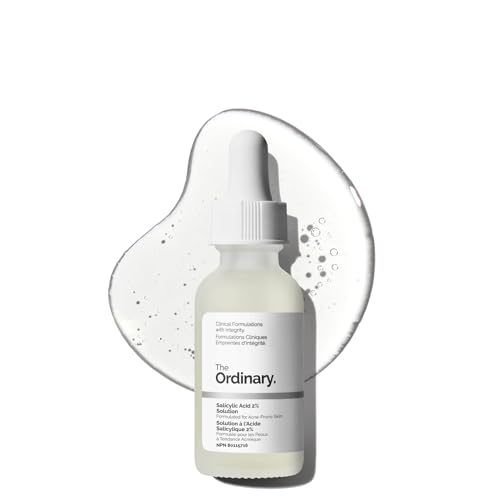
The Ordinary Salicylic Acid 2% Solution — Best for Clogged Pores
The Ordinary’s Salicylic Acid 2% Solution is the go-to serum for clogged pores, blackheads, and whiteheads. Salicylic acid is a BHA that’s oil-soluble, so it penetrates into the pore lining and dissolves the sebum and dead-cell mix that creates comedones. At 2%, it hits the OTC maximum for acne treatment. For skin whose main issue is congestion (blackheads on the nose, closed comedones on the forehead and chin), this is the most direct, affordable solution. Buyer feedback consistently reports clearer, less-congested skin over consistent use. It’s the essential serum for comedonal acne.
Anua Azelaic Acid 10% Serum — Best for Redness and Marks
Anua’s Azelaic Acid 10% serum is the multitasker on the list, because azelaic acid uniquely addresses both active acne and the post-inflammatory marks it leaves behind. It’s antibacterial against acne bacteria, anti-inflammatory (which calms the redness that makes acne look worse), and it inhibits melanin production to fade dark spots. The Korean formula adds hyaluronic acid for hydration and soothing, making the 10% concentration comfortable for reactive skin. For anyone whose acne comes with redness and leaves marks (a common combination), azelaic acid treats all three concerns at once. It’s the smartest single-serum choice for complex acne-prone skin.
CeraVe Resurfacing Retinol Serum — Best for Prevention and Turnover
CeraVe’s Resurfacing Retinol Serum brings retinol, niacinamide, and ceramides together for long-term acne prevention and texture improvement. Retinol normalizes cell turnover inside the follicle, which prevents the clogs that become breakouts before they form, making it the best serum for stopping future acne rather than just treating current lesions. The niacinamide adds oil control and post-acne mark fading, while ceramides protect the barrier against retinol’s drying effect. For acne-prone skin focused on prevention and smoothing post-acne texture, this dual-action formula is the long-game pick. It also fades the marks left by past breakouts.
Good Molecules Niacinamide 10% Serum — Best for Oil and Texture
Good Molecules’ Niacinamide 10% serum targets excess oil, enlarged pores, and uneven texture, the concerns that come with oily acne-prone skin. Niacinamide regulates sebum production, which reduces the oiliness that feeds breakouts, while improving the look of pores and strengthening the barrier. At 10%, it’s a strong concentration that stays gentle, appropriate for daily use even on sensitive skin. Unlike acids or retinol, niacinamide rarely irritates, making it the easiest active to add to a routine. For oily, large-pored acne-prone skin, or as a gentle multitasker alongside a stronger treatment, this is the reliable, well-priced choice.
Cetaphil Gentle Clear Post-Acne Serum — Best Sensitive-Skin Retinol Alternative
Cetaphil’s Gentle Clear Post-Acne Serum uses bakuchiol, a plant-derived retinol alternative, for people whose acne-prone skin is too sensitive for traditional retinol. Bakuchiol provides similar turnover and anti-aging benefits with significantly less irritation, which suits reactive skin recovering from breakouts. Positioned as a post-acne treatment, it targets the marks and texture left behind while being gentle enough for skin sensitized by other acne products. For anyone who wants retinol-like benefits without retinol’s irritation, especially on sensitive post-acne skin, bakuchiol is the tolerable alternative, and Cetaphil’s fragrance-free formulation reinforces the gentleness.
How to Choose the Right Serum for Your Skin
Match the active to your dominant concern. Blackheads and clogged pores mean salicylic acid. Redness and dark marks mean azelaic acid. Oiliness and large pores mean niacinamide. Prevention and texture mean retinol. Sensitive skin that can’t handle retinol means bakuchiol. Identify what your skin does most, then pick accordingly.
Don’t stack every active at once. Layering salicylic acid, retinol, and other strong actives simultaneously irritates acne-prone skin and can worsen breakouts through barrier damage. Start with one serum for your main concern, and only add a second (like a gentle niacinamide) once your skin has adjusted. More actives isn’t better.
Give it a full skin cycle. Acne serums work over weeks, not days. Salicylic acid shows congestion improvement in a few weeks; retinol and azelaic acid take longer, often 8 to 12 weeks. Judging a serum after a week tells you nothing except whether it irritates. Consistency over months is what produces results.
Frequently Asked Questions
What serum is best for acne-prone skin?
It depends on your dominant concern. Salicylic acid is best for clogged pores, azelaic acid for redness and marks, niacinamide for oil control, and retinol for prevention. Azelaic acid is the best all-rounder since it treats active acne, redness, and post-acne marks simultaneously.
Can I use salicylic acid and niacinamide together?
Yes, they pair well. Salicylic acid clears pores while niacinamide controls oil and calms redness, with no conflict between them. You can layer them (salicylic acid first, then niacinamide) or use one in the morning and one at night. This is one of the safer active combinations.
Should acne-prone skin use retinol?
Yes, retinol is one of the most effective acne treatments because it prevents clogged follicles before they become breakouts. Introduce it slowly (two to three nights a week) to avoid the initial purge and irritation, and pair it with a moisturizer. For sensitive skin, bakuchiol is a gentler alternative.
How many serums should I use for acne?
Usually one treatment serum is enough. Acne-prone skin does best with a targeted approach rather than layering multiple strong actives, which increases irritation and barrier damage. If using two, pair a strong active with a gentle one like niacinamide, and introduce them one at a time.
Will acne serums make me purge?
Retinol and some acids can cause an initial purge (a temporary increase in breakouts as clogged follicles surface faster) in the first few weeks. This is different from a bad reaction and typically settles by week six. Niacinamide and azelaic acid rarely purge. Introduce actives slowly to minimize it.
Bottom Line
The right serum for acne-prone skin depends on your dominant concern. The Ordinary Salicylic Acid 2% is the best for clogged pores and blackheads. Anua Azelaic Acid 10% is the smartest all-rounder, treating acne, redness, and marks together. CeraVe Resurfacing Retinol prevents future breakouts and smooths texture. Good Molecules Niacinamide 10% controls oil gently. Cetaphil Gentle Clear with bakuchiol is the sensitive-skin retinol alternative. Pick the one that matches your skin’s main issue, introduce it slowly, pair it with a good moisturizer, and give it a full skin cycle before judging results.


