Most people dealing with post-acne marks want answers fast. The honest truth is that acne scars don’t vanish overnight, but with the right products you can cut that timeline significantly. Whether you’re working through fresh red marks or older, textured scars, timing depends on scar type, skin tone, and what you’re actually putting on your face. We’ve evaluated dozens of options and narrowed the list to five products that consistently deliver visible results. If you’re also struggling with active breakouts, check out our best products for cystic acne guide to treat the source while you fade what’s already there.
Quick answer: Post-inflammatory hyperpigmentation (flat dark marks) can fade in 3-6 months with daily actives like niacinamide and retinoids. Raised or indented scars take 6-18 months and often need silicone gels or professional help. Starting treatment early and staying consistent cuts that timeline nearly in half.



How We Evaluated
We evaluated each product across four criteria: ingredient quality and clinical backing, ease of daily use, results timeline based on user data and dermatologist guidance, and value for the price point. We didn’t just skim labels; we looked at peer-reviewed data on actives like adapalene, niacinamide, polyhydroxy acids, and medical-grade silicone. Products with vague ingredient decks or no evidence base didn’t make the cut. We also weighed accessibility, since the best scar treatment is the one you’ll actually use every day. All five products below earned a spot because they’re backed by real science, don’t require a prescription, and are realistic additions to any skincare routine.
The 5 Best Products for Fading Acne Scars
Mederma Acne Scar Serum — Best Multitasker for Post-Acne Marks
Mederma’s Acne Scar Serum brings three well-researched ingredients into a single lightweight formula. Niacinamide at functional concentrations works to interrupt melanin transfer, which is the mechanism behind most post-inflammatory hyperpigmentation. Tetrapeptide-30 goes further by signaling skin cells to reduce excess pigment production at the source. The polyhydroxy acid component provides gentle exfoliation without the irritation that glycolic or salicylic acids can trigger on sensitized skin. That’s a meaningful difference if your skin’s already compromised from a breakout.
What makes this serum stand out is how well it layers. It’s not sticky, absorbs quickly, and doesn’t pill under SPF or moisturizer. Dermatologist studies on the key actives suggest users can expect noticeable improvement in 8-12 weeks with daily use. It’s not a miracle worker on deeply indented scars, but for flat discoloration and mild texture, it’s one of the most complete over-the-counter options available in 2026.
Differin Gel Acne Scar Spot Treatment — Best Retinoid Option for Resurfacing
Differin’s scar spot treatment is the rare retinoid product that’s gentle enough for daily use on sensitive, acne-prone skin. Adapalene, the active ingredient, was originally developed as a prescription acne treatment and is now available OTC. It accelerates skin cell turnover, which gradually brings fresh, evenly pigmented skin to the surface while breaking down the structural irregularities that create textured scars. Clinical data on adapalene is robust, making it one of the few topical actives with real resurfacing evidence rather than just brightening.
It’s designed as a spot treatment, so you’re applying it precisely rather than all over. That makes it especially useful for isolated marks rather than broad areas of discoloration. Expect a brief adjustment period; some mild flaking in the first two weeks is normal. Pair it with a non-comedogenic moisturizer and SPF 30 or higher daily, since retinoids increase photosensitivity. Most users see measurable improvement in 10-16 weeks.
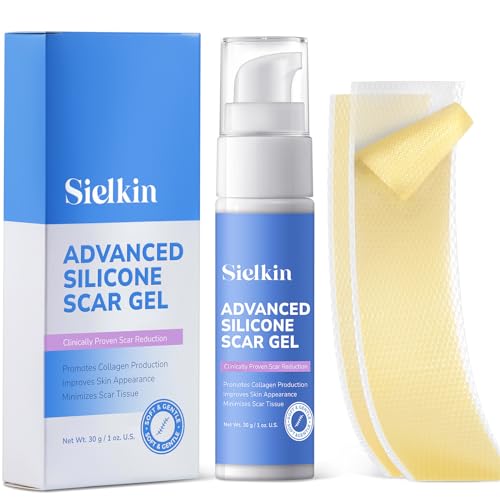
Sielkin Medical Grade Silicone Scar Gel — Best for Raised or Textured Scars
Silicone is the ingredient dermatologists and plastic surgeons have relied on for decades for a reason: it works on scar types that topical actives can’t touch. Sielkin’s formula uses medical-grade silicone to create a breathable occlusive layer over the scar. That hydration lock signals skin to stop overproducing collagen, which is what makes hypertrophic scars thick and raised in the first place. Over time, consistent use flattens and softens those raised areas in a way that niacinamide-based serums simply aren’t designed to do.
This gel is worth considering if you’ve got older scars, not just acne-related but any surgical, injury, or cosmetic scars. The formula is clear, dries to a matte finish, and doesn’t interfere with makeup application. It’s fragrance-free and designed for sensitive skin. Results for raised scars typically appear between 8-16 weeks, with full flattening taking 3-6 months depending on scar age and depth. Consistent daily application matters more than anything else here.
Fade Away Silicone Scar Gel — Best Clinician-Formulated Silicone Pick
Fade Away’s silicone gel was formulated with plastic surgeon input, and that lineage shows in the details. The 100% medical-grade silicone concentration is higher than many consumer alternatives, which translates to a more effective occlusive barrier. It’s marketed primarily for C-section and surgical scars, but its mechanism is identical for acne scarring: hydration-driven collagen regulation and surface smoothing. The formula is particularly effective on cosmetically significant scars, the kind you’d otherwise consider professional treatment for.
Compared to Sielkin, Fade Away has a slightly heavier texture that some users prefer for nighttime application. It’s also available in a larger size, making it more economical for users treating broader areas or planning long-term treatment. The ingredient deck is clean, with no fillers or additives that could irritate compromised skin. If you’re committed to silicone as your primary treatment approach and want the highest-grade formula available without a medical prescription, this is the one to reach for.
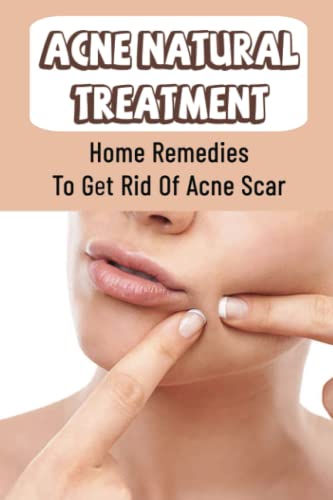
Majosta Acne Natural Treatment — Best Natural Approach for Mild Scarring
Majosta takes a different angle: a plant-based, home-remedy-inspired formula that avoids the synthetic actives found in the other four picks. For users who’ve had sensitization reactions to retinoids or acids, or who simply prefer a more natural product philosophy, it offers a gentler path to fading mild post-acne marks. The formulation draws on ingredients with established anti-inflammatory and brightening properties, which addresses the redness and discoloration component of post-acne marks without introducing harsher chemistry.
It won’t resurface textured or indented scars the way adapalene or silicone will, and expectations should be calibrated accordingly. What it does well is calming active inflammation and reducing the redness that makes fresh marks so visible. It’s also a reasonable daily maintenance option once other treatments have done the heavy lifting. Timeline for visible results runs longer here, roughly 12-20 weeks for mild improvements, but tolerability is high and it’s suitable for the most reactive skin types.
How to Speed Up Acne Scar Fading
Start treatment within 1-2 weeks of a breakout clearing. The earlier you begin addressing a mark, the more responsive skin tissue is to active ingredients. Post-inflammatory hyperpigmentation is far easier to fade when it’s fresh, since melanin deposits are still relatively superficial. Waiting months to begin treatment means working against more established pigmentation and potentially deeper structural changes. Don’t wait for the scar to feel permanent before you reach for a product.
Layer SPF 30 or higher every single morning, without exception. UV exposure is the single biggest factor prolonging scar fading timelines. Even brief, incidental sun exposure can re-darken hyperpigmentation marks and undo weeks of progress from your treatment products. You don’t need a complicated application process. A broad-spectrum mineral or chemical SPF applied after moisturizer takes under 30 seconds and dramatically accelerates results. This isn’t optional if you’re using any of the actives on this list.
Stick to one treatment system for at least 8 weeks before switching. It’s tempting to swap products when you don’t see immediate results, but most actives need 6-12 weeks of consistent use before visible changes occur. Constantly switching disrupts the process, irritates skin, and makes it impossible to know what’s working. Pick one product from this list based on your scar type, use it daily as directed, and resist the urge to pile on additional actives from other systems. Patience and consistency are the two things no product can substitute for.
Frequently Asked Questions
How long does it actually take for acne scars to fade without treatment?
Without any targeted treatment, post-inflammatory hyperpigmentation (PIH) typically fades on its own over 6-24 months depending on your skin tone and the severity of the original breakout. Darker skin tones tend to produce more melanin in response to inflammation, which means marks can persist longer. Textured or indented scars don’t self-resolve without intervention. Consistent SPF use alone can cut the natural fading timeline by preventing UV-triggered re-darkening. For most people, doing nothing is the slowest and most frustrating route.
What’s the difference between a post-acne mark and a true acne scar?
A post-acne mark is flat discoloration, either red or brown, left after a pimple heals. It’s a pigmentation issue, not a structural one, and responds well to topical treatments. A true acne scar involves a change in skin texture: either a raised, thickened scar (hypertrophic) or a depressed indentation (atrophic). Atrophic scars, including ice pick, boxcar, and rolling, involve collagen loss that can’t be fully reversed by topical products alone. Silicone gels and retinoids help, but deep atrophic scarring often benefits from in-office procedures like microneedling or laser resurfacing.
Can I use multiple scar-fading products at the same time?
You can layer some combinations. Niacinamide and silicone gel, for instance, don’t conflict. But combining a retinoid like adapalene with acids or multiple exfoliating actives increases irritation risk without proportionally increasing results. It’s worth starting with one product, letting skin adjust for 3-4 weeks, and then adding a second if needed. The goal isn’t to throw everything at a scar simultaneously. It’s to use the right active for your specific scar type consistently over time. More products often means more irritation, which can worsen post-inflammatory marks.
Does picking or squeezing pimples make scarring worse?
Yes, significantly. Picking or squeezing pimples forces bacteria and inflammatory material deeper into tissue, increases the intensity of the inflammatory response, and causes more collagen damage. That’s the direct mechanism behind many atrophic scars. It also introduces wound-healing responses that generate thicker, irregular tissue. The risk isn’t theoretical; dermatologists consistently identify manual extraction as the primary preventable cause of scarring in patients with acne. Spot treatments applied early to active breakouts reduce the need to squeeze and dramatically lower the odds of a scar forming at all.
Are over-the-counter products enough, or do I need a dermatologist?
For PIH and mild textural changes, OTC products with evidence-backed actives like retinoids, niacinamide, and silicone are genuinely effective and appropriate as a first approach. Where OTC products reach their limit is with moderate to severe atrophic scarring, particularly ice pick scars, where the structural damage is too deep for topical ingredients to fully address. If you’ve been consistent with OTC treatment for 6 months without meaningful improvement, a dermatologist consultation is worth it. In-office options like chemical peels, microneedling, fractional laser, and subcision can achieve results that aren’t possible with products alone.
Bottom Line
Acne scars don’t have to be permanent, but they do require the right product for your specific scar type and consistent daily use over several months. For flat discoloration, start with Mederma’s Acne Scar Serum or Differin Gel. For raised or textured scars, Sielkin or Fade Away silicone gels are the more appropriate tools. If your skin can’t tolerate synthetic actives, Majosta’s natural approach offers a gentler entry point. Whatever you pick, add SPF every morning and commit to at least 8-12 weeks before evaluating. The products are proven; the variable is always consistency.