Waking up to a red, swollen pimple before a big day is the worst, and hydrocortisone is one of the few drugstore ingredients that can quiet that inflammation fast. It won’t clear a breakout on its own, but a thin dab of 1% cream can shrink the angry redness around a stubborn spot so it looks less obvious by morning. The trick is knowing which formula to reach for, since some pair the steroid with soothing aloe while others lean on acne actives like sulfur. If you’re still building a routine, our guide to a gentle acne skincare routine pairs nicely with these picks. Below are five options worth keeping in your medicine cabinet.
Quick answer: For quick redness relief on an inflamed pimple, a plain 1% hydrocortisone cream like Amazon Basic Care or Cortizone-10 works best. For breakouts that need an actual acne active, reach for Neutrogena Rapid Clear or The Ordinary Sulfur 10% instead.




How We Evaluated These Hydrocortisone Picks
We looked at products people actually reach for when a pimple flares up, then narrowed the field by a few practical measures. First was strength and format: every hydrocortisone option here sits at the standard 1% over-the-counter dose, which is the amount cleared for short-term skin use. We favored formulas with clean, predictable ingredient lists and skipped anything with heavy fragrance or dyes that could irritate acne-prone skin further. We also weighed texture, since a greasy ointment behaves very differently under makeup than a fast-absorbing gel. Value mattered too, so we noted which tubes stretch across weeks of occasional spot use. Finally, we included two dedicated acne actives, sulfur and salicylic acid, for readers whose breakouts need treating, not just calming. Always try a small amount first on a hidden patch of skin.
Amazon Basic Care Hydrocortisone 1% Anti-Itch Cream — Best For Budget Redness Relief
Amazon Basic Care Hydrocortisone 1% Anti-Itch Cream is the no-frills workhorse of this list. At 2 ounces, the tube is generous, and since acne spot use requires only a rice-grain amount, one purchase can last the better part of a year. The formula is a straightforward 1% hydrocortisone in a light white cream, so it’s a solid choice if you want the steroid’s calming effect without extra actives competing on your skin. It sinks in reasonably fast and layers under moisturizer without much pilling. The main drawback is that it’s built as an anti-itch cream, not an acne product, so it won’t dissolve a clog or kill bacteria. Think of it as damage control for the redness and swelling, not a fix for the pimple itself. For the price, it’s hard to beat.
Neutrogena Rapid Clear Stubborn Acne Spot Treatment Gel — Best For Active Breakouts
Neutrogena Rapid Clear Stubborn Acne Spot Treatment Gel is the pick when you want to treat the breakout, not just soothe it. This one skips hydrocortisone entirely and leans on benzoyl peroxide, which targets the bacteria driving inflammatory acne. The gel texture dries clear and thin, so you can dab it on a whitehead before bed and wake up to a visibly calmer spot. It’s genuinely fast, and the 1 oz tube is easy to toss in a bag. The tradeoff is dryness: benzoyl peroxide can leave skin flaky and tight if you overuse it, and it’ll bleach fabric, so keep it off your good pillowcases. If your skin runs sensitive, ease in slowly. For people whose acne is truly active rather than just red, this earns its spot.
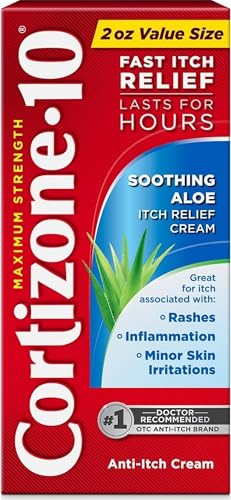
Cortizone-10 Maximum Strength Soothing Aloe Itch Relief Cream — Best For Sensitive, Irritated Skin
Cortizone-10 Maximum Strength Soothing Aloe Itch Relief Cream pairs the same 1% hydrocortisone with aloe, and that combination makes it the gentlest calming option here. The aloe adds a cooling, hydrating layer that offsets some of the tightness a steroid can cause, which is why it’s a smart choice for reactive skin that flushes easily. It’s fast-acting on redness and feels soothing almost immediately, so it’s great for a pimple that’s more inflamed than infected. The cream is a touch richer than the Amazon Basic Care version, meaning it can feel slightly heavy under makeup. And like any plain hydrocortisone, it treats the symptom, not the cause. Still, if your acne comes with a side of irritation or you have sensitive skin, this is the one to keep bedside.
MED Pride Hydrocortisone Cream 1% Anti-Itch Ointment — Best For Multi-Use Value
MED Pride Hydrocortisone Cream 1% Anti-Itch Ointment is the multitasker of the group. It’s marketed for everything from itch to hemorrhoid relief, which tells you the formula is a versatile, no-nonsense 1% hydrocortisone you can stash in one place and use for several minor skin needs. For acne, it does exactly what the other plain hydrocortisone creams do: it calms the redness and swelling around an inflamed spot. The ointment-leaning texture is a bit more occlusive, so it holds moisture in well, though that also means it’s slower to absorb and best saved for overnight rather than under daytime makeup. As a household staple that happens to double as a pimple soother, it delivers real value. Just remember it’s a calming aid, not an acne cure.
The Ordinary Sulfur 10% Powder-to-Cream Acne Spot Treatment — Best For Cystic Flare-Ups
The Ordinary Sulfur 10% Powder-to-Cream Acne Spot Treatment Concentrate takes a completely different route. Instead of a steroid, it uses a hefty 10% sulfur, an old-school active that draws out oil and helps shrink deep, painful bumps. The powder-to-cream texture feels unusual at first, but it settles into a matte layer that’s designed to reduce pimple size and take down that angry redness cystic spots bring. It’s the pick for the kind of breakout hydrocortisone can’t touch. The catch is the smell, which is unmistakably sulfuric, and the drying effect, so you’ll want to spot-apply and follow with moisturizer. It’s also strictly a nighttime product. For monthly hormonal cysts or a single deep bump, though, this concentrate pulls its weight.
How to Use Hydrocortisone on Acne Safely
Keep it short-term and spot-only. Hydrocortisone is meant for occasional use, not a daily habit. Slathering it over your whole face or using it for weeks on end can thin the skin, cause redness, and even trigger a rebound flare called perioral dermatitis. Limit yourself to a rice-grain dab directly on an inflamed pimple, and cap it at a few days in a row. If a spot isn’t calming down after that, it’s a sign the breakout needs an actual acne active instead. Treat the steroid as a rescue tool for the worst days, not a routine step you lean on every morning and night.
Pair it with a real acne active, not against one. Hydrocortisone quiets inflammation, but it does nothing about the clog, oil, or bacteria underneath. That’s why it works best alongside a treatment that addresses the cause, like the benzoyl peroxide in Neutrogena Rapid Clear or the sulfur in The Ordinary concentrate. A common approach is to treat the pimple with your acne active first, let it absorb, then dab hydrocortisone only on the surrounding redness. Don’t layer them wet-on-wet, since piling actives can leave skin raw. Give each product a minute to settle, and always finish with a light, non-comedogenic moisturizer to keep the barrier happy.
Try a small amount first and watch for irritation. Everyone’s skin reacts differently, so before you commit a new cream to your face, apply a little to a discreet area like your jaw or behind the ear and wait a day. Steroid creams rarely sting, but the acne actives here can, and sulfur in particular has a strong scent and drying pull that not everyone tolerates. If you notice increased redness, burning, or peeling, stop and give your skin a break. Anyone dealing with persistent cystic acne, rosacea, or a reaction that won’t quit should loop in a dermatologist rather than stacking more products on top.
Frequently Asked Questions
Does hydrocortisone actually clear acne?
Not on its own. Hydrocortisone is an anti-inflammatory steroid, so it calms the redness, swelling, and itch around a pimple, which can make a spot look dramatically less noticeable overnight. But it doesn’t unclog pores, reduce oil, or fight the bacteria that cause breakouts. Think of it as a way to manage the appearance of an inflamed spot temporarily, not as a treatment that clears the acne itself. For that, you’ll need an active like benzoyl peroxide, salicylic acid, or sulfur working underneath.
How often can I put hydrocortisone on a pimple?
Sparingly, and only for a few days at a time. Dermatologists generally suggest limiting 1% hydrocortisone to occasional short bursts, since prolonged use on the face can thin skin and cause its own irritation or rebound breakouts. A reasonable approach is a tiny dab once or twice a day for two or three days when a spot is at its angriest, then stopping. If you find yourself reaching for it constantly, that’s a cue your routine needs a proper acne active rather than a steroid crutch.
Can I use hydrocortisone and benzoyl peroxide together?
Yes, and they can actually complement each other. The benzoyl peroxide in a product like Neutrogena Rapid Clear tackles the bacteria and clog, while hydrocortisone soothes the leftover inflammation. The key is not to smother them on at once. Apply your acne active first, let it fully absorb, then place a small amount of hydrocortisone just on the surrounding redness. Stacking wet products invites dryness and irritation, so spacing them out and finishing with moisturizer keeps skin comfortable.
Is hydrocortisone or sulfur better for cystic acne?
For deep, painful cysts, sulfur usually does more. Hydrocortisone can take the edge off the redness and swelling of a cyst, but The Ordinary Sulfur 10% works on the root by drawing out oil and helping shrink the bump. Many people use both: sulfur to treat and hydrocortisone briefly to calm. That said, recurring cystic acne often signals a hormonal cause that topicals can’t fully fix, so if cysts keep coming back monthly, it’s worth talking to a professional.
Will hydrocortisone cream leave marks or dark spots?
The cream itself won’t cause dark spots, but the acne it’s calming might. Post-inflammatory hyperpigmentation happens when an inflamed pimple heals and leaves a brown or red mark behind, especially on deeper skin tones. By reducing inflammation quickly, hydrocortisone may even help limit how much of a mark forms. To fade existing spots, you’ll want ingredients like niacinamide, vitamin C, or a gentle exfoliating acid over time, plus daily sunscreen so the marks don’t darken further in the sun.
Bottom Line
Hydrocortisone is a genuinely useful rescue tool for a red, angry pimple, and a cheap tube of Amazon Basic Care or aloe-infused Cortizone-10 belongs in most medicine cabinets. Just remember what it does and doesn’t do: it calms inflammation beautifully, but it won’t clear acne by itself. If your breakouts are active, pair it with a real active like the benzoyl peroxide in Neutrogena Rapid Clear or the sulfur in The Ordinary concentrate, and keep steroid use short and spot-only. Used smartly, these picks can shrink a flare fast without wrecking your barrier.