If breakouts keep showing up no matter what you try, salicylic acid is probably the ingredient your routine has been missing. It’s a beta-hydroxy acid that slips into pores, dissolves the oil and dead skin clogging them, and calms the redness that comes with a fresh pimple. We pulled together five options that actually earn their spot, from a budget serum to a dermatologist-favorite treatment. Whether you want a daily leave-on or a fast spot fix, there’s something here for you. If you’re new to acids, our guide to building a gentle acne routine pairs nicely with any of these picks so you don’t overwhelm your skin from day one.
Quick answer: For most people, The Ordinary Salicylic Acid 2% Solution is the smartest starting point because it delivers the full 2% strength at a low price. If you want targeted overnight results on a single spot, Dr.Leo’s drying lotion is the pick.


Pros
- Visible improvement may appear within 8 hours
- Mattifying finish suitable for oily, combination skin
- Multiple actives target oil control and exfoliation
Cons
- No customer reviews available to verify performance
- Gel-cream texture may not suit dry skin
Pros
- Visible improvement may appear within 8 hours
- Mattifying finish suitable for oily, combination skin
- Multiple actives target oil control and exfoliation
Cons
- No customer reviews available to verify performance
- Gel-cream texture may not suit dry skin
- Salicylic acid penetrates pores to help visibly reduce active blemishes and blackheads, while niacinamide and Procerad support the appearance of post-acne marks on oily and combination skin types.
- Non-greasy gel-cream texture absorbs to a mattified finish, can be worn under makeup, and pairs well with gentle cleansers but avoid layering with other strong exfoliants.
- Salicylic Acid: Penetrates pores to help visibly reduce existing blemishes and prevent new breakouts.
- Niacinamide: Helps support skin barrier and may improve the appearance of post-acne marks.
- Procerad: Proprietary ingredient designed to help protect against the appearance of dark spots.
- LHA and Phylobioma: Work together to gently exfoliate, soothe, and help control excess oil.
How We Evaluated These Salicylic Acid Treatments
We didn’t just grab the most popular jars off the shelf. Every product here had to hit a real 2% (or clearly stated) salicylic acid concentration, since that’s the sweet spot the FDA recognizes for acne. We looked at formula design first: does it pair the acid with soothing or barrier-supporting ingredients, or does it lean on alcohol and fragrance that can dry you out? We weighed how each one fits into a routine, whether it’s a leave-on serum, a rinse-off, or a spot dab. Price mattered too, because consistency beats a splurge you’ll abandon. Finally, we read through hundreds of real customer reviews to see how skin responded over weeks, not days. The result is a short list that covers oily, sensitive, and combination skin without any filler picks.
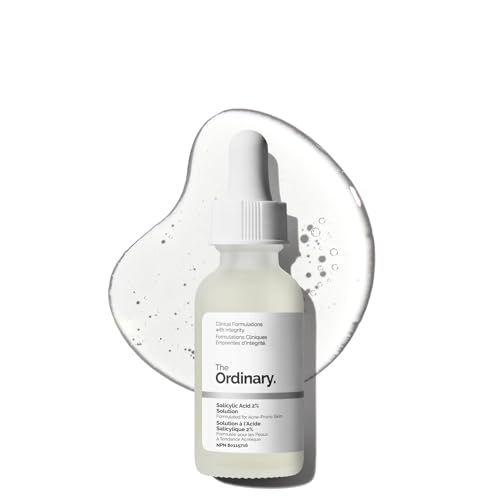
The Ordinary Salicylic Acid 2% Solution — Best Overall Value
The Ordinary built its whole reputation on giving you clinical actives without the markup, and this serum is the poster child. You get a straight 2% salicylic acid in a lightweight, water-based formula that sinks in fast and layers well under moisturizer. It’s the kind of product you can use most days to keep pores clear and blackheads from settling in. Because it’s so pared-back, there’s no fragrance or heavy oils to irritate reactive skin. The tradeoff is that it can feel a little tingly at first, so easing in every other night is smart. At this price you’re paying pennies per use, which makes it easy to stay consistent long enough to see your skin actually change.
Clean and Clear Advantage Acne Spot Treatment — Best Drugstore Spot Fix
When a pimple flares up out of nowhere, this little tube is the one you want in your bag. Clean & Clear packs 2% salicylic acid into a fast-absorbing gel that targets the spot without leaving a chalky film. It’s genuinely affordable and available almost anywhere, so restocking is never a hassle. Reviewers love how quickly it takes the angry edge off a whitehead overnight. The formula does include some drying agents, so it’s meant for dabbing on trouble spots rather than slathering across your whole face. If you have very dry or sensitive skin, follow it with moisturizer. For teens and busy folks who just need a reliable, grab-and-go zapper, it’s tough to beat.
CeraVe Acne Control Gel — Best for Combination Skin
CeraVe took its signature barrier-friendly approach and aimed it at breakouts. This gel combines 2% salicylic acid with glycolic acid for extra exfoliation, then buffers the whole thing with ceramides and niacinamide so your skin barrier stays intact. That combo is why it works so well for combination skin: it clears oily zones without stripping the drier patches. It absorbs clean with no greasy residue, making it a solid daily leave-on. The dual-acid punch is stronger than a single BHA, so start slow if your skin runs sensitive. You’re getting a derm-loved brand with a thoughtful formula at a mid-range price, which explains why it keeps landing in so many people’s carts.
Dr.Leo 1.8% Salicylic Acid Acne Spot Treatment Drying Lotion — Best Overnight Treatment
This one’s a nod to the classic pink drying lotions that estheticians have relied on for decades. Dr.Leo suspends 1.8% salicylic acid in a settling formula: you dip a cotton swab into the pink layer at the bottom, dab it on a spot before bed, and let it work overnight. By morning, that raised pimple is noticeably flatter and calmer. It’s genuinely potent on individual blemishes, especially the deep, painful kind that surface treatments miss. Because it’s so drying by design, you never spread it across large areas, only pinpoint spots. The tiny bottle lasts a surprisingly long time since a little goes far. For anyone who wakes up to a single stubborn zit, this is the overnight rescue.
La Roche-Posay Effaclar Salicylic Acid Acne Treatment — Best for Sensitive Skin
La Roche-Posay knows sensitive, reactive skin better than almost anyone, and Effaclar shows it. This treatment blends salicylic acid with lipo-hydroxy acid and the brand’s soothing thermal spring water, so you get real acne-clearing power with far less sting. It’s designed as a daily leave-on that fades post-breakout marks over time, not just the pimples themselves. The texture is light and fragrance-conscious, which sensitive types will appreciate. It sits at the higher end of this list price-wise, but you’re paying for a gentle formula that reactive skin can actually tolerate long term. If acids usually leave you red and flaky, this is the pick that lets you finally stick with a routine.
How to Choose and Use a Salicylic Acid Treatment
Match the format to your acne pattern. If you break out across whole zones, reach for a leave-on serum or gel like The Ordinary or CeraVe that you can spread over the area. If you mostly deal with the occasional surprise pimple, a targeted spot treatment such as Clean & Clear or Dr.Leo makes more sense. Trying to use a drying spot lotion all over your face will leave you tight and flaky, while a mild serum on one huge cyst won’t hit hard enough. Knowing your pattern saves money and frustration.
Start low and build up slowly. Salicylic acid is effective, but your skin needs time to adjust. Begin two or three nights a week, then increase as your skin tolerates it. Rushing to daily use right away is the fastest route to redness and peeling, which ironically makes acne look worse. Always try a small amount first on your jaw before going all-in. If you notice stinging that doesn’t fade in a minute or persistent flaking, dial back the frequency and give your barrier a few days to recover.
Pair it with the right support players. Salicylic acid clears pores but can leave skin thirsty, so a fragrance-free moisturizer is non-negotiable. Sunscreen matters even more, because exfoliating acids make you more sun-sensitive and unprotected UV worsens dark marks. Skip layering it with strong retinoids or benzoyl peroxide on the same night unless a dermatologist okays it, since stacking actives often triggers irritation. When you build a simple, supportive routine around the acid, you’ll see clearer skin without the angry side effects.
Frequently Asked Questions
How long does salicylic acid take to clear acne?
Most people notice smaller, less angry breakouts within two to four weeks of consistent use, but real clearing takes six to eight weeks. Salicylic acid works by keeping pores from clogging in the first place, so it’s more of a steady-progress ingredient than an overnight miracle. Spot treatments act faster on individual pimples, often within a day. The key is consistency, so don’t quit after a week if you haven’t seen dramatic change yet.
Can I use salicylic acid every day?
Many people can, but you shouldn’t jump straight to daily use. Start with a few times a week and work up as your skin adjusts. Leave-on serums and gels at 2% are gentle enough for daily use once your skin is acclimated, while drying spot lotions are meant only for occasional pinpoint application. If you notice tightness, redness, or flaking, scale back. Listening to your skin beats following a rigid schedule.
Is salicylic acid or benzoyl peroxide better for acne?
They tackle acne differently, so it depends on your breakouts. Salicylic acid excels at blackheads, whiteheads, and clogged pores because it’s oil-soluble and gets inside the pore. Benzoyl peroxide is better for red, inflamed, pus-filled pimples because it kills acne bacteria. Plenty of people use both, just on alternating days to avoid irritation. If your acne is mostly congestion and texture, salicylic acid is usually the smarter first move.
Will salicylic acid dry out my skin?
It can, especially at first or if you overuse it. Salicylic acid removes oil and dead cells, which is great for clogged pores but can leave skin feeling tight. The fix is easy: always follow with a good moisturizer, start slow, and choose a buffered formula like CeraVe or La Roche-Posay if your skin runs dry or sensitive. If you’re getting flaky, you’re likely using it too often, not that the ingredient is wrong for you.
Can I use salicylic acid with retinol?
You can, but be cautious. Both are exfoliating in their own way, and using them together on the same night often leads to redness and peeling for many people. A common approach is alternating nights, salicylic acid one evening and retinol the next, so each active gets to work without piling on irritation. If your skin is resilient and already used to both, you may tolerate careful layering, but building tolerance gradually is the safer path.
Bottom Line
Salicylic acid is one of the most reliable tools for keeping breakouts in check, and the right pick comes down to your skin and your habits. The Ordinary is the value champion that makes daily use painless on your wallet, while CeraVe and La Roche-Posay give combination and sensitive skin buffered formulas that won’t strip you dry. For fast spot relief, Clean & Clear covers the drugstore run and Dr.Leo handles the stubborn overnight cysts. Whichever you choose, go slow, moisturize, and wear sunscreen. Stick with it for a few weeks and you’ll likely notice clearer, calmer skin.