Vitamin C is the morning antioxidant dermatologists recommend most, and the reason isn’t complicated: it neutralizes free radicals from UV exposure, brightens uneven tone, and supports collagen over time. The ingredient does the work. The problem is that vitamin C is unstable: it oxidizes, turns orange, and loses potency if the formula isn’t built to protect it. You’re not always buying a gimmick when you spend more; you’re often buying stability and a higher working concentration.
But the market is flooded with serums that look the same and perform very differently. Our editors evaluated dozens of formulas against L-ascorbic acid percentage, formula stability, skin feel, and aggregated verified-buyer feedback covering thousands of reviews. For a stronger brightening routine, these pair well at night alongside a solid niacinamide serum to target tone between doses. The five below earned their spots.
Quick answer: TruSkin’s vitamin C serum is the best everyday pick for most skin types, while CeraVe’s ceramide formula is the gentler choice for sensitive skin. The Ordinary’s multi-antioxidant blend suits budget buyers, Naturium layers well under makeup, and Tree of Life’s face oil is the pick for dry skin wanting a richer delivery format.
Pros
- Stable vitamin C form reduces irritation risk significantly.
- Hydrating blend includes Aloe Vera and Jojoba Oil.
- Unscented, free from parabens and unnecessary additives.
Cons
- Sodium Ascorbyl Phosphate is less potent than L-Ascorbic Acid.
- No listed concentration data for any active ingredient.


Pros
- Pure L-ascorbic acid at effective 10% concentration
- Lightweight gel texture suitable for layering
- Fragrance-free and non-comedogenic for sensitive skin
Cons
- No reviews available to verify real-world performance
- L-ascorbic acid may irritate highly reactive skin
Pros
- Pure L-ascorbic acid at effective 10% concentration
- Lightweight gel texture suitable for layering
- Fragrance-free and non-comedogenic for sensitive skin
Cons
- No reviews available to verify real-world performance
- L-ascorbic acid may irritate highly reactive skin
- The 10% L-ascorbic acid formula targets uneven skin tone and dullness while hyaluronic acid maintains hydration, making it suitable for normal to combination skin that tolerates vitamin C.
- Gel texture absorbs quickly without residue, apply in AM under sunscreen or PM after cleansing, pair with a ceramide moisturizer to support barrier function during active treatment.
- 10% L-Ascorbic Acid: pure vitamin C form helps visibly brighten and even skin tone with antioxidant protection.
- Hyaluronic Acid: humectant draws moisture into skin to support hydration and plump texture.
- Ceramides 1, 3, 6-II: lipid blend helps restore and maintain the skin barrier during active treatment.
How We Evaluated These Serums
We compared L-ascorbic acid concentration, formula pH, and stabilizing packaging since vitamin C degrades quickly at the wrong pH and in clear bottles exposed to light. We cross-referenced ingredient lists against what the research shows matters: concentrations between 10% and 20% for brightening, with vitamin E and ferulic acid as the stabilizers that extend shelf life and boost efficacy together. A formula without those supporting actives is working against itself from day one.
From there we aggregated verified-buyer feedback, weighting consistent patterns over isolated glowing reviews. A thousand people reporting the same texture complaint or the same brightening timeline carries real signal. We required in-stock status, honest ingredient labeling, and packaging that doesn’t expose the formula to light on a bathroom counter. Price per ounce factored in because a serum you’ll repurchase beats one you’ll stretch, oxidize, and abandon.
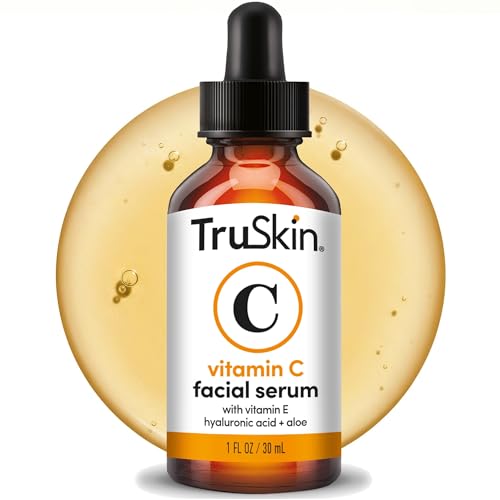
TruSkin Brightening Vitamin C Serum — Best Everyday Pick
This is the serum that comes up most in conversations about consistent results. It combines vitamin C with hyaluronic acid and vitamin E, keeping the formula stable and adding hydration that makes it comfortable year-round without skin feeling tight afterward. The texture absorbs quickly and sits well under SPF without balling. It’s not the fastest-acting formula for stubborn dark spots, but for reliable daily brightening across most skin types, the balance of efficacy and wearability is hard to beat.
The Ordinary Multi-Antioxidant Radiance Serum — Best Budget
The Ordinary shifted from their original ascorbic powder toward a more stable multi-antioxidant approach, and the formula is better for it. It’s a lower-irritation entry point that layers well with other actives and absorbs without a greasy finish. The trade-off is that it’s less aggressive than a concentrated ascorbic acid formula, so visible brightening takes longer. If you’re new to vitamin C or you’ve got reactive skin that doesn’t tolerate strong actives well, this is a sensible, affordable place to start without the irritation risk.
Naturium Vitamin C Complex Serum — Best for Layering
Naturium built this around a complex of vitamin C forms rather than a single high percentage of ascorbic acid, which makes it more stable on the shelf and more forgiving on sensitized skin. The hyaluronic acid and vitamin E pairing keeps it comfortable across types, and the texture doesn’t pill under moisturizer or makeup. It’s not a dramatic-result-fast serum. It’s the kind of formula you add to a routine and let work over months. That suits most daily wearers better than an aggressive formula that feels great twice and then sits unused.
Tree of Life Vitamin C Serum — Best Face Oil Format
This one’s a face oil rather than a water-based serum, which means it’s better at night or layered over moisturizer in the morning rather than applied directly under SPF. The oil base delivers vitamin C alongside rosehip and jojoba, making it the stronger pick for dry or dehydrated skin that doesn’t do well with alcohol-forward, fast-evaporating formulas. Buyers with dry skin report a visible glow improvement over four to six weeks. It’s not for oily or acne-prone skin. The oil base doesn’t suit congestion-prone complexions, and it won’t work under sunscreen.
CeraVe Skin Brightening Vitamin C Serum — Best for Sensitive Skin
CeraVe keeps things uncomplicated: vitamin C, three ceramides, and hyaluronic acid in a fragrance-free formula developed with dermatologists. The ceramide base means it supports the skin barrier rather than stressing it, which is rare for vitamin C serums that often lean acidic. It’s lighter on concentration than TruSkin, so the brightening effect is gradual. The payoff is a serum sensitive-skin types can actually commit to daily without the redness, tingling, or dryness that turns most vitamin C serums into a short-term experiment.
What to Look For in a Vitamin C Serum
Concentration and form matter more than the label number. L-ascorbic acid at 10%–20% is the most well-researched vitamin C form for brightening and collagen support, but it’s also the most unstable and irritating at high doses. Derivatives like ascorbyl glucoside are gentler and more stable but work more slowly. If you’ve reacted to strong vitamin C serums before, a derivative formula lets you get the long-term benefit without the sting.
Stability packaging isn’t optional. Vitamin C exposed to light and air degrades within weeks — a clear glass bottle is basically a countdown timer on potency. Opaque bottles, airless pumps, or sealed capsule formats extend the formula’s working life significantly. If your serum has turned orange or smells metallic, it’s oxidized and won’t deliver the results on the label.
Supporting actives make the real difference. Vitamin E and ferulic acid aren’t marketing additions. They’re shown in studies to stabilize L-ascorbic acid and enhance its UV-protective effect when combined. A serum that includes both will outperform a higher-percentage solo formula over time. Hyaluronic acid helps skin tolerate the acidity; niacinamide pairs well at night if you prefer separating your morning and evening actives.
Frequently Asked Questions
What percentage of vitamin C is best for the face?
For most people, 10%–15% L-ascorbic acid is the effective range without significant irritation. Research supports brightening and collagen benefits starting around 5%, and concentrations above 20% don’t reliably improve results while raising the chance of redness. Starting at 10% and increasing only if you don’t see results after three months is the practical approach.
Can you use vitamin C serum every day?
Yes, and daily morning application is how it works best. Applied before SPF, it adds antioxidant protection layered on top of sunscreen rather than replacing it. The combination of vitamin C and broad-spectrum SPF is consistently cited as the most protective morning pairing for photoaging and pigmentation. If daily use causes irritation, try every other day and build up.
How long does vitamin C serum take to work?
Antioxidant protection starts with each application. Visible changes in radiance and tone typically appear after four to eight weeks of consistent daily use. Noticeable improvement in dark spots or hyperpigmentation usually requires three to six months. Consistent SPF use during that window is essential — skipping it slows any progress significantly.
Can you use vitamin C with retinol?
It’s safer to keep them in separate routines than to layer them together. Vitamin C works better at an acidic pH; retinol prefers a slightly higher one. Using vitamin C in the morning and retinol at night avoids that pH conflict and lets each active work without the irritation risk that comes from combining them on the same step.
Does vitamin C serum cause purging?
Vitamin C doesn’t trigger the cell-turnover acceleration that causes retinol or exfoliant purging. If you notice breakouts after starting a vitamin C serum, it’s more likely a reaction to another ingredient — fragrance, an emulsifier, or the low pH itself. Switching to a derivative formula or one with ceramides often solves it without losing the brightening benefit.
Bottom Line
For most people, TruSkin’s vitamin C serum delivers the consistency and skin-feel needed to stick with a routine daily. CeraVe’s ceramide-based formula is the better call for sensitive or barrier-stressed skin. The Ordinary’s antioxidant blend suits budget buyers who don’t mind a slower timeline. Naturium’s complex is the pick if layering under makeup matters. Tree of Life’s face oil rounds out the list for dry skin wanting a richer delivery format. Apply every morning before SPF, pair with a niacinamide routine at night, and give it at least eight weeks before judging the results.