Dark spots, sun freckles, and stubborn post-acne marks all trace back to one thing: uneven melanin. Vitamin C helps because it slows that pigment production while fading what’s already there, and it does double duty as an antioxidant against future damage. But not every formula pulls its weight, and the wrong one can sting or oxidize before you finish the bottle. We pulled together five serums that actually earn a spot on your shelf, from a budget cult classic to a targeted dark-spot corrector. If you’re new to brightening actives, our guide to layering vitamin C with sunscreen pairs nicely with this list. Here’s what we’d reach for and why.
Quick answer: For most people fighting hyperpigmentation, TruSkin’s Brightening Vitamin C Serum offers the best all-around value with a gentle, layered formula. The Ordinary is the pick for sensitive skin on a budget, while Good Molecules targets specific dark spots hardest.

Pros
- Stable vitamin C derivative at 12% concentration
- Targets dullness, redness, and uneven tone effectively
- Clean formula: silicone-free, alcohol-free, vegan
- Suitable for all skin types with no restrictions
Cons
- Water-based texture may feel slightly sticky initially
- Best results require consistent daily application
- Pair with moisturizer for very dry skin types
The Ordinary Ascorbyl Glucoside Solution 12% is a water-based vitamin C serum featuring a stable derivative of ascorbic acid, designed to brighten uneven skin tone and deliver antioxidant protection. It suits all skin types, making it ideal for those dealing with dullness, dryness, or redness who want a gentle entry into vitamin C skincare without the instability of pure L-ascorbic acid.
Standout features include its alcohol-free, oil-free, and silicone-free formula, which absorbs quickly without greasiness. Use it day and night, applying a few drops to the face after cleansing. It pairs well with other Ordinary products like Resveratrol + Ferulic Acid for enhanced antioxidants or oils for hydration, targeting multiple concerns in a minimalist routine.
In real-world use, the serum promotes a more even complexion over time, with its lightweight texture suiting layered routines. The dropper bottle ensures precise dosing, and the clean, vegan, cruelty-free profile appeals to conscious consumers. Build quality is straightforward and functional, typical of The Ordinary's no-frills packaging.
Potential drawbacks include a learning curve for pairing with moisturizers on drier skin and gradual results that demand patience. It may not deliver dramatic brightening for advanced pigmentation without complementary treatments.
Overall verdict: A solid, affordable choice for brightening and protection. Highly recommended for beginners or those preferring stable, non-irritating vitamin C.
Key Targets: Uneven skin tone, dullness, dryness, redness
Suited To: All skin types
Format: Serum (water-based solution)
Use: Day and night
Formula Highlights: Alcohol-free, oil-free, silicone-free, vegan, cruelty-free
Size: 1 fl oz
Pros
- Stable vitamin C form reduces irritation risk significantly.
- Hydrating blend includes Aloe Vera and Jojoba Oil.
- Unscented, free from parabens and unnecessary additives.
Cons
- Sodium Ascorbyl Phosphate is less potent than L-Ascorbic Acid.
- No listed concentration data for any active ingredient.

Good Molecules Discoloration Correcting Serum for Dark Spots & Hyperpigmentation - 1 fl oz Face Serum
Pros
- Effectively targets dark spots and hyperpigmentation
- Results visible after a few weeks of use
- Can be applied to body in addition to face
- Simple serum format for easy incorporation into routines
Cons
- Results depend on individual skin and take time
- Body-specific treatment recommended for larger areas
- May require consistent daily application
Good Molecules Discoloration Correcting Serum is a targeted face serum formulated to address dark spots and hyperpigmentation, making it ideal for individuals dealing with uneven skin tone from sun exposure, acne scars, or aging. This 1 fl oz product fits seamlessly into daily skincare routines for those seeking clearer, more balanced complexion.
The serum stands out for its focus on discoloration correction, with users potentially noticing results after a few weeks of consistent application. It works by tackling hyperpigmentation directly, promoting a brighter appearance without harsh ingredients, based on the product's design for effective spot treatment.
In terms of design, the serum offers a lightweight, non-greasy texture suitable for all skin types, ensuring comfortable daily use. While specific build details are minimal, its simplicity enhances usability in facial care regimens.
Potential drawbacks include variable results depending on personal skin factors and the time required for visible changes. For body application, a dedicated treatment is suggested for optimal outcomes.
Overall, this serum earns a strong verdict for anyone prioritizing discoloration correction, delivering reliable performance for improved skin clarity with patience and regularity.
Apply the serum to clean face daily, morning and night, focusing on affected areas. Consistent use over a few weeks may yield noticeable fading of dark spots. Pair with sunscreen during the day for best results.
It can be used on the body, but for larger areas, consider the brand's Discoloration Correcting Body Treatment for a tailored formula.

Pros
- Pure L-ascorbic acid at effective 10% concentration
- Lightweight gel texture suitable for layering
- Fragrance-free and non-comedogenic for sensitive skin
Cons
- No reviews available to verify real-world performance
- L-ascorbic acid may irritate highly reactive skin
Pros
- Pure L-ascorbic acid at effective 10% concentration
- Lightweight gel texture suitable for layering
- Fragrance-free and non-comedogenic for sensitive skin
Cons
- No reviews available to verify real-world performance
- L-ascorbic acid may irritate highly reactive skin
- The 10% L-ascorbic acid formula targets uneven skin tone and dullness while hyaluronic acid maintains hydration, making it suitable for normal to combination skin that tolerates vitamin C.
- Gel texture absorbs quickly without residue, apply in AM under sunscreen or PM after cleansing, pair with a ceramide moisturizer to support barrier function during active treatment.
- 10% L-Ascorbic Acid: pure vitamin C form helps visibly brighten and even skin tone with antioxidant protection.
- Hyaluronic Acid: humectant draws moisture into skin to support hydration and plump texture.
- Ceramides 1, 3, 6-II: lipid blend helps restore and maintain the skin barrier during active treatment.

How We Evaluated These Vitamin C Serums
We looked at the things that actually move the needle on hyperpigmentation, not just marketing claims. First, the form of vitamin C: stable derivatives like ascorbyl glucoside are gentler and last longer, while pure L-ascorbic acid works faster but oxidizes quicker. We checked concentration, since anything under 5% won’t do much for entrenched dark spots. Texture and how the serum layers under moisturizer mattered too, because a tacky formula you skip is a formula that can’t help. We weighed supporting ingredients like hyaluronic acid, ferulic acid, and niacinamide that boost brightening or ease irritation. Finally, we factored in real-world value: bottle size, packaging that protects the active from light, and how the price holds up over a few months of daily use. Ingredient transparency counted, and so did whether the brand backs its formula with clear percentages.
The Ordinary Ascorbyl Glucoside Solution 12% — Best for Sensitive Skin
The Ordinary skips the harsh sting most vitamin C users dread. Its 12% ascorbyl glucoside is a water-soluble derivative that converts to active vitamin C on your skin, so it brightens without the tingle that pure ascorbic acid brings. That makes it a smart entry point if you’ve reacted badly to serums before. The lightweight, slightly watery texture sinks in fast and layers cleanly under moisturizer or sunscreen. Fading works gradually here, so you’ll want patience over a couple of months rather than overnight change. The bare-bones packaging and rock-bottom price mean you can use it generously without wincing. Its main drawback is that gentle also means slower, and folks with deep, old pigmentation may want something stronger. Still, for the money, it’s hard to beat as a daily brightener.
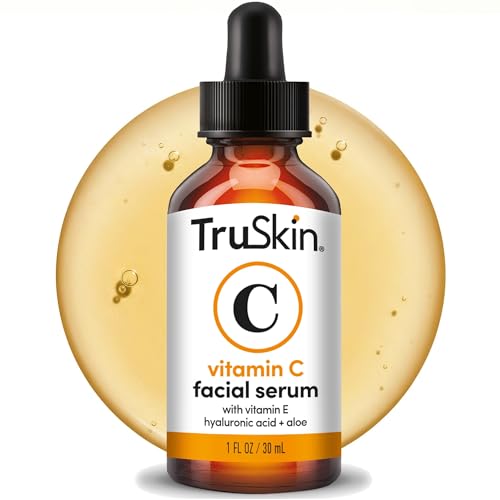
TruSkin Brightening Vitamin C Serum — Best Overall Value
TruSkin has stayed a bestseller for good reason: it wraps vitamin C in a supporting cast that makes the whole thing more forgiving. Hyaluronic acid keeps skin hydrated while the vitamin C and vitamin E work on tone, and the addition of botanical extracts softens any potential irritation. The result is a serum that feels nourishing rather than stripping, which encourages the daily consistency dark spots actually need. Users often notice a subtle glow within a few weeks and steadier fading over time. The amber glass bottle with a dropper helps shield the active from light, though you’ll still want to store it away from a sunny window. It’s not the most potent option for severe pigmentation, and the scent leans herbal, which isn’t for everyone. But as an everyday brightener that plays nice with most skin types, it’s tough to top.
Good Molecules Discoloration Correcting Serum — Best for Targeted Dark Spots
Good Molecules built this one specifically around discoloration, and it shows. The star is tranexamic acid paired with niacinamide, a combo that tackles stubborn dark spots, melasma, and post-acne marks more aggressively than vitamin C alone. It’s a lightweight, fast-absorbing serum with no greasy residue, so it disappears under makeup or sunscreen. People dealing with concentrated patches rather than overall dullness tend to see the clearest payoff here. The formula is fragrance-free and keeps the ingredient list short, which sensitive users appreciate. Because it leans on acids over classic vitamin C, it’s less of an all-purpose antioxidant and more of a spot treatment, so you may still want a separate C serum for general glow. At its price point, though, it’s one of the most effective targeted correctors you’ll find.
CeraVe Skin Brightening Vitamin C Serum — Best for Barrier Support
CeraVe brings its signature ceramide expertise to brightening. This serum uses 10% pure vitamin C alongside hyaluronic acid and the brand’s three essential ceramides, so it fades dark spots while reinforcing your skin barrier instead of compromising it. That’s a real advantage if past actives left your face tight or flaky. The texture is creamy for a serum yet absorbs without a heavy feel, and it’s fragrance-free and developed with dermatologist input. You get reliable brightening plus the reassurance of a formula that won’t wreck a fragile barrier. The trade-off is that pure vitamin C oxidizes faster, so use it within a few months and keep the cap sealed tight. For anyone whose skin runs dry or reactive, the barrier support here makes it a standout choice.
Glowmedik Brightening Vitamin C Serum — Best for Multi-Concern Skin
Glowmedik goes broad, aiming at hyperpigmentation, acne scars, and uneven texture in one bottle. It combines vitamin C with hydrating and soothing ingredients so it can address several complaints at once, which suits skin that’s dealing with more than just dark spots. The serum spreads easily and feels lightweight, absorbing quickly enough to fit a morning routine. Users tackling both leftover breakout marks and general dullness get the most from its all-in-one approach. As a newer, value-priced option, its formula transparency isn’t quite as detailed as the legacy brands, so read the label if you have specific sensitivities. That said, if you want a single serum to chip away at a few issues without juggling multiple products, it delivers solid results for the price.
How to Choose and Use a Vitamin C Serum for Dark Spots
Match the vitamin C form to your skin. If your skin gets irritated easily, reach for a derivative like ascorbyl glucoside or a formula buffered with ceramides, since these brighten without the sting of pure L-ascorbic acid. If you want faster results and your skin tolerates actives well, pure vitamin C at 10% or higher works harder on entrenched pigment. Whichever you pick, try a small amount first on your jaw for a couple of days to make sure it settles in comfortably before you commit to daily use across your whole face.
Apply in the morning and always follow with SPF. Vitamin C shines as a daytime antioxidant, shielding skin from the free radicals that trigger more pigment. Smooth it onto clean, slightly damp skin, wait a minute for it to absorb, then layer your moisturizer. The non-negotiable final step is broad-spectrum sunscreen, because unprotected sun exposure will darken the very spots you’re trying to fade. Skipping SPF undoes the serum’s work, so treat the two as a package deal every single day without exception.
Store it right and give it time. Vitamin C degrades in light and heat, turning yellow or brown as it oxidizes, and an oxidized serum won’t brighten and may even irritate. Keep the bottle capped, out of direct sun, and ideally somewhere cool. Just as important, manage your expectations on timing: hyperpigmentation fades slowly, so you’ll typically need six to twelve weeks of consistent daily use before you see a clear difference. Don’t bounce between products every few weeks, since consistency beats novelty every time here.
Frequently Asked Questions
How long does vitamin C take to fade hyperpigmentation?
Most people see a visible difference in six to twelve weeks of daily use, though deeper or older spots can take longer. Vitamin C works gradually by slowing melanin production and lifting existing pigment, so it isn’t an overnight fix. Consistency matters more than concentration here. Pair it with daily sunscreen and you’ll speed things along, since sun exposure constantly triggers new pigment that undercuts your progress.
Can I use vitamin C serum every day?
Yes, and daily use is exactly how you get results. Morning application is ideal because vitamin C doubles as an antioxidant that protects against sun and pollution damage during the day. If your skin is sensitive, start every other day and build up as it adjusts. Try a small amount first to confirm your skin tolerates the formula, then work toward a steady once-daily routine for the best fading.
What percentage of vitamin C is best for dark spots?
For pure L-ascorbic acid, the sweet spot sits between 10% and 20%, with most people doing well around 10% to 15%. Higher isn’t always better, since stronger concentrations can irritate sensitive skin without extra benefit. Gentler derivatives like ascorbyl glucoside often run higher, around 12%, because they’re milder. If you’re new to the ingredient, start lower and see how your skin responds before scaling up.
Should I use vitamin C or niacinamide for hyperpigmentation?
They’re both effective, and they actually work well together. Vitamin C brightens and protects as an antioxidant, while niacinamide calms inflammation and helps limit pigment transfer. You don’t have to choose. Several serums on this list combine them or pair vitamin C with tranexamic acid for a stronger anti-discoloration punch. If you have just one product slot, a well-formulated vitamin C serum is a reliable starting point.
Can vitamin C serum cause purging or breakouts?
Vitamin C doesn’t cause true purging the way retinoids or exfoliating acids can, since it doesn’t speed up cell turnover the same way. If you break out after starting a new serum, it’s more likely a reaction to another ingredient, fragrance, or a formula that’s too rich for your skin. Choose a lightweight, fragrance-free option if you’re acne-prone, and try a small amount first to rule out sensitivity before daily use.
Bottom Line
Fading hyperpigmentation with vitamin C comes down to picking a formula your skin will actually use every day and then giving it a few patient months. TruSkin is our overall value pick for its gentle, well-rounded formula, while The Ordinary keeps things affordable for sensitive skin and Good Molecules hits targeted dark spots the hardest. If your barrier needs backup, CeraVe’s ceramide blend has you covered, and Glowmedik handles several concerns at once. Whatever you choose, apply it in the morning, follow with sunscreen, and stay consistent. That trio is what turns a serum into real, visible change.