Post-acne marks aren’t true scars. Most of them are post-inflammatory hyperpigmentation, which means excess melanin deposited in the skin after inflammation resolves. That distinction matters because it changes what works. PIH fades with consistent topical intervention; true depressed scars require professional treatment. If your marks are flat, discolored spots left behind by breakouts, vitamin C is one of the most researched ingredients for speeding that process.
Our editors assessed these formulas against vitamin C form, concentration, stability packaging, and aggregated verified-buyer feedback from users specifically reporting post-acne mark improvement. For PIH that’s resistant to vitamin C alone, pairing with a niacinamide serum at night gives you a second mechanism targeting melanin transfer. These five earned consistent marks for efficacy on post-acne discoloration.
Quick answer: The Ordinary’s Ascorbyl Glucoside 12% is the most stable, gentle option for daily use on post-acne marks. TruSkin’s vitamin C serum is the best classic L-ascorbic acid pick. Cetaphil’s niacinamide-and-vitamin-C combo handles both fade and barrier in one step. CeraVe suits sensitive skin. Dr.Althea’s TXA-boosted serum is the pick for persistent, stubborn marks.

Pros
- Stable vitamin C derivative at 12% concentration
- Targets dullness, redness, and uneven tone effectively
- Clean formula: silicone-free, alcohol-free, vegan
- Suitable for all skin types with no restrictions
Cons
- Water-based texture may feel slightly sticky initially
- Best results require consistent daily application
- Pair with moisturizer for very dry skin types
The Ordinary Ascorbyl Glucoside Solution 12% is a water-based vitamin C serum featuring a stable derivative of ascorbic acid, designed to brighten uneven skin tone and deliver antioxidant protection. It suits all skin types, making it ideal for those dealing with dullness, dryness, or redness who want a gentle entry into vitamin C skincare without the instability of pure L-ascorbic acid.
Standout features include its alcohol-free, oil-free, and silicone-free formula, which absorbs quickly without greasiness. Use it day and night, applying a few drops to the face after cleansing. It pairs well with other Ordinary products like Resveratrol + Ferulic Acid for enhanced antioxidants or oils for hydration, targeting multiple concerns in a minimalist routine.
In real-world use, the serum promotes a more even complexion over time, with its lightweight texture suiting layered routines. The dropper bottle ensures precise dosing, and the clean, vegan, cruelty-free profile appeals to conscious consumers. Build quality is straightforward and functional, typical of The Ordinary's no-frills packaging.
Potential drawbacks include a learning curve for pairing with moisturizers on drier skin and gradual results that demand patience. It may not deliver dramatic brightening for advanced pigmentation without complementary treatments.
Overall verdict: A solid, affordable choice for brightening and protection. Highly recommended for beginners or those preferring stable, non-irritating vitamin C.
Key Targets: Uneven skin tone, dullness, dryness, redness
Suited To: All skin types
Format: Serum (water-based solution)
Use: Day and night
Formula Highlights: Alcohol-free, oil-free, silicone-free, vegan, cruelty-free
Size: 1 fl oz
Pros
- Stable vitamin C form reduces irritation risk significantly.
- Hydrating blend includes Aloe Vera and Jojoba Oil.
- Unscented, free from parabens and unnecessary additives.
Cons
- Sodium Ascorbyl Phosphate is less potent than L-Ascorbic Acid.
- No listed concentration data for any active ingredient.

Pros
- Fragrance free and hypoallergenic for reactive skin.
- Niacinamide and vitamin C target uneven tone.
- Lightweight formula that won't clog pores.
Cons
- Vitamin C concentration not disclosed in product data.
- Single 1oz size may limit long-term value.

Pros
- Pure L-ascorbic acid at effective 10% concentration
- Lightweight gel texture suitable for layering
- Fragrance-free and non-comedogenic for sensitive skin
Cons
- No reviews available to verify real-world performance
- L-ascorbic acid may irritate highly reactive skin
Pros
- Pure L-ascorbic acid at effective 10% concentration
- Lightweight gel texture suitable for layering
- Fragrance-free and non-comedogenic for sensitive skin
Cons
- No reviews available to verify real-world performance
- L-ascorbic acid may irritate highly reactive skin
- The 10% L-ascorbic acid formula targets uneven skin tone and dullness while hyaluronic acid maintains hydration, making it suitable for normal to combination skin that tolerates vitamin C.
- Gel texture absorbs quickly without residue, apply in AM under sunscreen or PM after cleansing, pair with a ceramide moisturizer to support barrier function during active treatment.
- 10% L-Ascorbic Acid: pure vitamin C form helps visibly brighten and even skin tone with antioxidant protection.
- Hyaluronic Acid: humectant draws moisture into skin to support hydration and plump texture.
- Ceramides 1, 3, 6-II: lipid blend helps restore and maintain the skin barrier during active treatment.

How We Evaluated These Serums
Post-acne PIH responds to two things: inhibiting melanin production and protecting against UV that re-triggers it. Vitamin C handles both: it inhibits tyrosinase (the enzyme that produces melanin) and provides antioxidant protection against UV-induced melanin stimulation. The form matters because L-ascorbic acid is the most potent but least stable, while ascorbyl glucoside converts to active vitamin C in the skin with better shelf stability and less irritation.
We cross-referenced formulations against verified-buyer feedback at the three-month mark, prioritizing users who described PIH from past breakouts rather than general “brightening” interest. Feedback from acne-recovering skin is more specific about fade timelines and tolerability alongside other acne-management products. We required stable packaging and honest ingredient labeling throughout.
The Ordinary Ascorbyl Glucoside Solution 12% — Best Stable Daily Option
The Ordinary’s switch from pure L-ascorbic acid to ascorbyl glucoside in this formula reflects the stability problem with traditional vitamin C serums. Ascorbyl glucoside converts to active ascorbic acid in the skin, delivers comparable brightening over time, and doesn’t oxidize in the bottle within weeks the way L-ascorbic acid often does. At 12%, the concentration is meaningful. For acne-recovering skin that’s already managing multiple actives, the gentler pH and lower irritation risk of a vitamin C derivative makes it more realistic to use consistently alongside salicylic acid or retinol.
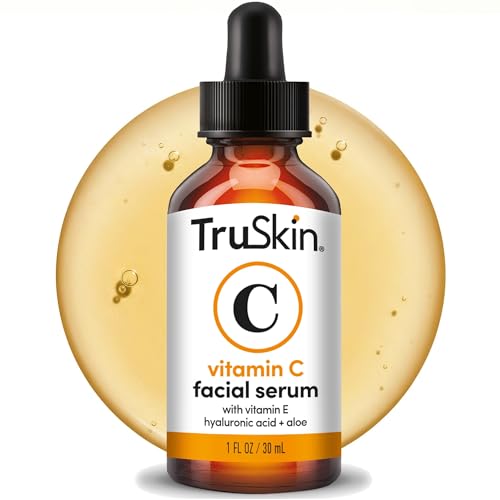
TruSkin Brightening Vitamin C Serum — Best L-Ascorbic Acid Pick
If you want traditional L-ascorbic acid for its direct, faster tyrosinase inhibition, TruSkin’s formula is the best-formulated option at this price range. It combines vitamin C with hyaluronic acid and vitamin E, which provides stability through the E-and-C synergy while adding hydration that makes daily morning use comfortable. The texture absorbs quickly without residue. For post-acne marks, the key is pairing it with SPF every morning. Vitamin C protects, but UV re-triggers melanin without protection above the active.
Cetaphil Vitamin C Serum for Dark Spots — Best Combo Formula
Cetaphil’s serum adds niacinamide alongside vitamin C, which is smart formulation for post-acne marks specifically. Niacinamide blocks the transfer of melanin to skin cells, while vitamin C inhibits its production: two complementary mechanisms in one step. The fragrance-free formula is appropriate for still-reactive post-acne skin that can’t tolerate added irritants. Buyers reporting post-acne discoloration alongside persistent sensitivity describe this as the one formula that works on the marks without making the underlying sensitivity worse.
CeraVe Skin Brightening Vitamin C Serum — Best for Sensitive Post-Acne Skin
CeraVe grounds their vitamin C formula in ceramides and hyaluronic acid, which makes it the most barrier-supportive option on the list. Post-acne skin often has a compromised barrier from prior treatment with benzoyl peroxide, retinoids, or over-exfoliation. Using a vitamin C serum that reinforces rather than stresses the barrier helps maintain the conditions needed for consistent healing. The vitamin C concentration is lower than some alternatives, so the pace of improvement is gradual. For skin that needs barrier support alongside pigmentation correction, that trade-off is worth it.
Dr.Althea Vitamin C Boosting Serum with TXA — Best for Persistent Marks
Dr.Althea’s serum adds tranexamic acid (TXA) alongside vitamin C, which creates a multi-mechanism approach to stubborn hyperpigmentation. TXA blocks plasmin, a trigger in the UV-melanin pathway that vitamin C alone doesn’t address. For post-acne marks that haven’t moved significantly after months of single-active vitamin C, this multi-pathway formula is the logical next step. The 1.01 oz Korean skincare format uses a capsule-type applicator that limits oxidation, and the lightweight texture layers easily in complex routines.
What to Look For in a Vitamin C Serum for Acne Marks
Vitamin C form affects both stability and irritation. L-ascorbic acid is the most potent but degrades quickly and stings on sensitized post-acne skin. Ascorbyl glucoside and sodium ascorbyl phosphate are stable derivatives that work more slowly but are tolerable daily alongside acne treatment actives. For post-acne skin managing multiple products, a stable derivative is often the more realistic choice.
Pair it with niacinamide for better fade. Vitamin C inhibits melanin production at one point in the pathway; niacinamide blocks melanin transfer at another. Using both targets PIH from two directions. They don’t need to be in the same product — vitamin C in the morning, niacinamide at night is the simplest pairing.
SPF is the most important supporting step. UV exposure re-stimulates melanin production in areas of existing PIH, directly slowing the fade that vitamin C is producing. Daily SPF 30 minimum is not optional when treating post-acne marks. Every unprotected UV exposure adds to the timeline.
Frequently Asked Questions
How long does vitamin C take to fade acne scars?
For PIH, consistent daily use typically shows visible fading at six to eight weeks, with significant improvement at three to six months. Timeline depends on the depth of the mark, skin turnover rate, and sun protection compliance. True depressed acne scars don’t respond to topical vitamin C and require professional treatment.
Can vitamin C make acne scars worse?
It won’t worsen true acne scars. For PIH, poorly formulated or oxidized vitamin C (the kind that’s turned orange) may cause irritation without delivering the brightening benefit. A fresh, stable formula doesn’t worsen marks. The concern is using an oxidized product and not seeing improvement while assuming vitamin C doesn’t work.
Should I use vitamin C for acne scars in the morning or at night?
Morning is the conventional recommendation since it adds antioxidant protection alongside SPF. Ascorbyl glucoside and other stable derivatives can also be used at night. The most important factor is daily consistency, not the specific time slot.
Is retinol or vitamin C better for post-acne marks?
They work differently. Retinol accelerates cell turnover, which speeds the shedding of pigmented skin cells. Vitamin C inhibits melanin production. Both improve PIH over time, and they’re best used together — vitamin C in the morning, retinol at night — rather than choosing between them.
Do I need a separate serum for acne scars, or will a general vitamin C work?
A general vitamin C serum does address PIH. Dedicated formulas like Dr.Althea’s or Cetaphil’s add secondary actives that target the same pathway from different angles, which is more effective for marks that don’t respond to vitamin C alone. If a basic vitamin C has been used consistently for three months without visible improvement, a multi-active formula is the sensible next step.
Bottom Line
The Ordinary’s Ascorbyl Glucoside 12% is the most practical daily option for post-acne marks, with stable formulation and consistent tolerability alongside other acne actives. TruSkin delivers the traditional L-ascorbic acid experience for those who want it. Cetaphil’s niacinamide combination is the most efficient dual-mechanism formula. CeraVe suits post-acne skin that needs barrier repair alongside fading. Dr.Althea’s TXA-boosted serum is the right choice when standard vitamin C hasn’t moved persistent marks after months of use. Apply every morning, follow with SPF, and pair with niacinamide at night for the fastest improvement.