

Laser is a category, not a procedure. A CO2 resurfacing pass leaves an open wound that weeps for days. A pigment-targeting IPL session barely breaks the surface, and a vascular laser mostly leaves you bruised. The cream that helps one of those can slow the other down, which is why aftercare goes wrong so often.
So the shelf is confusing on purpose. Recovery gels, peptide nectars, cooling kits, sheet masks, all labeled post-laser, all meant for different days of healing. Our editors compared full ingredient lists, cross-referenced published guidance on wound healing, and read through aggregated verified-buyer feedback. Pair this with best skincare brands for pre procedure care; the five below earned their spots.
Quick answer: ALASTIN Skincare Regenerating Skin Nectar is our top pick once the skin surface has closed. OxygenCeuticals SOS PP Kit suits a staged routine after lighter treatments, Dr Pickles and Dr.Jart+ Cicapair cover heat and redness on superficial sessions, and Amelar Cooling Gel is a device glide gel rather than aftercare.
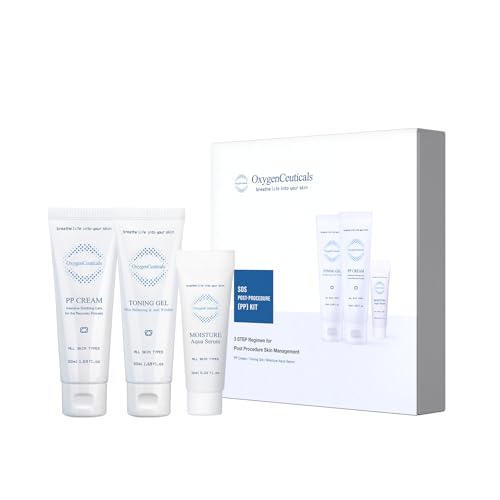
OxygenCeuticals SOS PP Kit Post-Procedure Recovery System with Adenosine and Macadamia Oil
Pros
- Clinically oriented for post-laser and microneedling recovery
- Includes toning gel, serum, and cream protocol
- Strengthens barrier function with macadamia seed oil
Cons
- Higher price point for three-product system
- No ingredient percentages or full INCI disclosed
Pros
- Clinically oriented for post-laser and microneedling recovery
- Includes toning gel, serum, and cream protocol
- Strengthens barrier function with macadamia seed oil
Cons
- Higher price point for three-product system
- No ingredient percentages or full INCI disclosed
- Adenosine supports elasticity and helps visibly reduce fine lines, while macadamia seed oil reinforces lipid barrier in sensitive, dry, mature, and post-procedure skin types.
- Three-step protocol applies as toning gel, moisture serum, then PP cream after treatments; designed for evening use during recovery window to minimize irritation.
- Adenosine: supports skin elasticity and may improve the appearance of fine lines during repair.
- Macadamia Seed Oil: delivers fatty acids to strengthen compromised barrier and hydrate sensitized skin.
- Moisture Aqua Serum base: provides hydration layer between toning gel and occlusive PP cream for layered recovery.
Pros
- Clear gel texture allows easy device glide
- Non-irritating formulation suitable for sensitive areas
- Multi-use for hair removal and facial RF
Cons
- No ingredient list provided by manufacturer
- Limited hydration compared to standalone serums
Pros
- Clear gel texture allows easy device glide
- Non-irritating formulation suitable for sensitive areas
- Multi-use for hair removal and facial RF
Cons
- No ingredient list provided by manufacturer
- Limited hydration compared to standalone serums
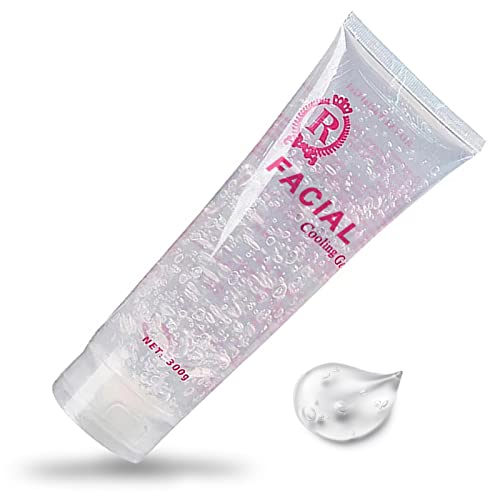
- Water-based conductive gel designed for RF wave transmission and device glide across skin during at-home laser hair removal or radio frequency treatments, suitable for all skin types including sensitive areas.
- Clear, non-sticky texture rinses completely with water post-treatment, use during device sessions only or apply as a light hydrating layer between active treatments in PM routines.
- Water-soluble gel base: provides slip for device movement while conducting RF energy without signal interference.
- Cooling agents (not specified): help maintain skin comfort during heat-generating laser and radiofrequency sessions.
- Hydrating components (not specified): deliver temporary surface moisture that supports skin barrier during treatment stress.

Dr Pickles Dermal Soothe Gel - Aloe Vera + Kakadu Plum Cooling Aftercare for Tattoos & Lasers
Pros
- Lightweight gel texture absorbs quickly without greasiness
- Cooling effect suitable for fresh tattoos and sunburn
- Multi-use formula works for various skin irritations
Cons
- No reviews available to confirm performance claims
- Lacks concentration details for active botanical ingredients
Pros
- Lightweight gel texture absorbs quickly without greasiness
- Cooling effect suitable for fresh tattoos and sunburn
- Multi-use formula works for various skin irritations
Cons
- No reviews available to confirm performance claims
- Lacks concentration details for active botanical ingredients
- Aloe vera and kakadu plum extract hydrate and help support skin recovery after tattoos, laser treatments, or sun exposure, suited for sensitive and reactive skin types.
- Gel texture absorbs without sticky residue, works for AM or PM application, can layer under heavier moisturizers during active healing phases.
- Aloe Vera: Hydrates and may help calm redness and discomfort in stressed skin.
- Kakadu Plum Extract: Natural source of vitamin C that supports moisture balance and skin appearance.
- Vitamin B5 (Panthenol): Helps support skin barrier function and moisture retention during recovery.
- Vitamin E + Glycerin: Antioxidant and humectant duo that helps protect and hydrate healing skin.

Pros
- Centella complex supports barrier repair in reactive skin
- Immediate cooling effect backed by clinical hydration data
- Clean formula excludes common sensitizers and sulfates
Cons
- Single-use format generates more packaging waste
- No customer reviews available to verify long-term results
Pros
- Centella complex supports barrier repair in reactive skin
- Immediate cooling effect backed by clinical hydration data
- Clean formula excludes common sensitizers and sulfates
Cons
- Single-use format generates more packaging waste
- No customer reviews available to verify long-term results
- Centella Asiatica extract (cica complex) combined with R-Protector and allantoin work to help visibly calm inflammation and support moisture retention in sensitized or post-procedure skin.
- Serum-like texture absorbs quickly without tacky residue, suited for evening use before Cicapair moisturizer or as a prep step before color-correcting treatments on reactive skin days.
- Centella Asiatica Extract (Cica Complex): helps support skin barrier function and may reduce visible irritation.
- R-Protector: proprietary complex designed to help shield skin from environmental stressors.
- Allantoin: soothing agent that supports surface hydration and helps calm reactive skin.
Pros
- Supports skin before and after professional procedures
- TriHex Technology targets collagen and elastin production
- Contains soothing botanicals like arnica and naringenin
Cons
- High price point at over $200 per ounce
- No customer reviews available to verify results
Pros
- Supports skin before and after professional procedures
- TriHex Technology targets collagen and elastin production
- Contains soothing botanicals like arnica and naringenin
Cons
- High price point at over $200 per ounce
- No customer reviews available to verify results
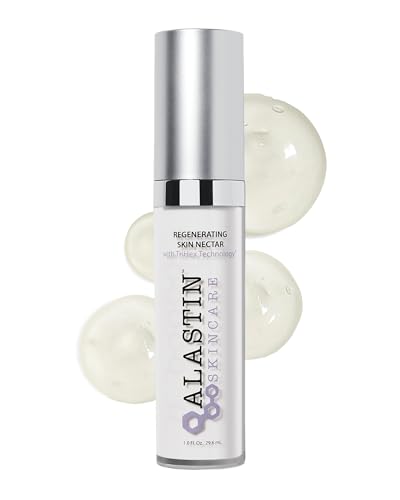
- TriHex Technology works with arnica, phytoene, phytofluene, and naringenin with panthenyl triacetate to support the skin's natural ability to produce healthy elastin and collagen while helping to soothe inflammation.
- Lightweight nectar texture absorbs quickly and is designed for use before and after in-office cosmetic procedures, applied morning and evening to support recovery and visible smoothness.
- TriHex Technology: Proprietary blend that supports the production of new, healthy elastin and collagen.
- Arnica: Botanical known for helping to visibly calm skin and reduce the appearance of post-procedure irritation.
- Phytoene and Phytofluene: Carotenoid antioxidants that help protect skin and support recovery after treatments.
- Naringenin with Panthenyl Triacetate: Works to help soothe skin and improve the appearance of smoothness and brightness.
How We Evaluated These Post-Laser Products
Depth decided this list: which treatment each formula suits, and which day after it. Ablative lasers like CO2 and erbium remove tissue, so the first stretch of healing needs an occlusive ointment and nothing else. Non-ablative fractional devices leave the surface mostly intact and close faster. IPL and pigment lasers hardly break it at all. Anything sold as one-size post-laser care got read with that in mind.
Then the ingredient list. Fragrance, denatured alcohol, essential oils, acids, retinoids and strong vitamin C all disqualified a formula for the early phase, whatever the front of the label promised. Panthenol, ceramides, centella and simple occlusives counted in its favor, with hyaluronic acid useful once the surface has closed. We weighted repeated verified-buyer patterns over one-off reviews, weighed price-per-use against how fast a tube empties under daily reapplication, and kept only products that are in stock and honestly labeled. This is editorial guidance, not medical advice.
ALASTIN Skincare Regenerating Skin Nectar — Best Overall for Post-Laser Recovery
This is the one that turns up on clinic shelves, and the reason is its TriHex peptide blend, aimed at clearing fragmented collagen and elastin so new matrix has room to build. That’s a different job from soothing. It’s a light, slippery nectar rather than a cream, so it layers under a bland moisturizer once your provider clears water-based products. Which is the caveat worth stating plainly: this isn’t what you smear on weeping skin in the first days after an ablative pass. It goes on after the surface closes, and you’ll move through a bottle faster than you expect.
OxygenCeuticals SOS PP Kit — Best Staged Post-Procedure Routine
Three products, sequenced: a restorative gel, a serum, and a cream, sold together as a post-laser set. The logic holds if your treatment was non-ablative or a pigment session, because you’re rebuilding hydration and calm on skin whose surface stayed intact. Oxygen-carrier chemistry is the brand’s signature, and the lineup reads low-irritant rather than corrective. The catch is that three steps is exactly what you don’t want in the first days after deeper resurfacing, when the honest answer is ointment and patience. Hold the kit for the phase after your clinic clears water-based products.
Dr Pickles Dermal Soothe Gel — Best Cooling Gel for Superficial Recovery
Dr Pickles built this for tattoo and PMU aftercare and then extended it to laser, which tells you what it is: an aloe-forward cooling gel for skin that’s inflamed but closed. After an IPL or pigment session, or the day a vascular laser leaves you bruised, a cool gel layer genuinely takes the sting down. On an open ablative wound it evaporates and can sting instead. Two things to check before buying: it’s an aftercare gel, not a wound dressing, and gels in this corner of the market often carry botanical extracts, so scan the list if plant fragrance sets you off.
Dr.Jart+ Cicapair Sensitive Skin Serum Mask — Best for Redness After Light Treatments
Centella asiatica is the reason this made the list. Madecassoside and its relatives have reasonable evidence behind them for calming visible redness, and a saturated sheet is a comfortable delivery method when your face feels hot. Keep one in the fridge. But sheet masks and broken skin don’t mix. Prolonged wet contact on a raw surface is an infection risk, and no mask belongs near a fresh ablative or deep fractional treatment. Save these for the calm-down phase once your surface is intact, or for the flushing that comes with a course of laser treatment for acne.
Amelar Cooling Gel — Best Glide Gel for At-Home Devices
Straight answer first: this is a coupling gel for at-home hair-removal and radiofrequency handpieces, not a recovery product. Its job is conducting energy and keeping the applicator moving without dragging, and the cool film afterward is a side benefit rather than the point. If you run a device at home, you need something like it. If you’ve just walked out of a clinic after fractional resurfacing, this isn’t the tube to reach for. We’ve kept it on the list because plenty of people searching for laser aftercare actually want a device gel, and the wrong purchase wastes a session.
What to Look For in Post-Laser Skincare
Match the product to the phase, not the label. While the surface is open or weeping, it’s a plain occlusive ointment and nothing else. No water-based serum, no sunscreen, no actives. Once you’re re-epithelialized, usually a matter of several days though the clinic sets the date, a bland barrier moisturizer and sunscreen come back. Actives wait longest. Retinoids, acids and strong vitamin C are often out for weeks. Your treating clinician’s timeline overrides every sentence here.
Read the list for omissions. Petrolatum and other simple occlusives, panthenol, ceramides and centella are the useful shortlist, with hyaluronic acid earning a place once the surface has closed and can hold water again. What shouldn’t be there: fragrance, denatured alcohol, essential oils, exfoliating acids, retinoids, high-strength vitamin C. Pigment risk matters too, since post-inflammatory hyperpigmentation is more likely in deeper skin tones and climbs with sun exposure during healing.
Apply thin, apply often, and know what an emergency looks like. Ointment works on damp skin, so pat rather than rub and reapply before it dries out. Some signs aren’t a product problem at all: spreading redness, pus, pain that’s climbing instead of settling, or a fever. Those point to infection and they need your clinic the same day, not a different cream. Follow the aftercare sheet your provider handed you.
Frequently Asked Questions
Can I use the same aftercare for CO2 resurfacing and IPL?
No, and that’s the mistake we see most. An ablative CO2 pass leaves an open wound, so the first days mean occlusive ointment and gentle rinsing, nothing else. IPL leaves the surface intact, so a cooling gel or calming moisturizer is reasonable within hours. Your clinic’s instructions decide the switchover.
When can I put sunscreen back on after laser?
Not while the surface is open, since sunscreen on a wound is both uncomfortable and pointless. Once you’re re-epithelialized it becomes the most important step for months, because sun exposure during healing drives hyperpigmentation. Ask your provider for the date, and stay under a hat and out of direct sun until then.
How long before I restart retinoids or vitamin C?
Longer than most people assume. Retinoids, exfoliating acids and high-strength vitamin C usually stay out for weeks after resurfacing, and reintroduction goes one product at a time rather than a whole routine at once. Non-ablative and pigment treatments need less of a pause. Your clinician sets the restart date, and that beats any timeline online.
Is plain petrolatum better than a healing cream?
For the open phase, yes. Petrolatum has decades of use behind it as a post-procedure occlusive and almost nothing in it to react to. Peptide and growth-factor products earn their place later, once the barrier has closed. Early on, complexity is a liability rather than an upgrade.
Does bruising from a vascular laser need different care?
Yes. Pulsed-dye and similar vascular lasers tend to leave purpura rather than an open wound, so the priority is cool compresses, no heat, and no vigorous rubbing over the area. Occlusive ointment isn’t really the point when the surface never broke. Arnica is popular here and the evidence is thin.
Bottom Line
ALASTIN Regenerating Skin Nectar is the one we’d hand to someone recovering from fractional or ablative work, provided it goes on after the surface closes rather than during the raw phase. OxygenCeuticals SOS PP Kit suits a staged routine on lighter treatments, Dr Pickles Dermal Soothe Gel and Dr.Jart+ Cicapair handle heat and redness on superficial sessions, and Amelar Cooling Gel belongs with an at-home device rather than clinic aftercare. None of this is medical advice. Follow the aftercare instructions your provider gave you, and where that sheet contradicts anything here, the sheet wins.


