

The best French pharmacy skincare isn’t a single brand — it’s a category that grew out of a regulatory reality. France treats cosmetic actives as something dermatologists, pharmacists, and beauty editors actively curate, which is why a Parisian pharmacie can stock a $15 retinol cream that outperforms department-store anti-aging serums three times the price. La Roche-Posay, Bioderma, Avène, Caudalie, and Embryolisse are the names Allure and Wirecutter rotate through. But the deeper layer — the retinol traditions that French dermatologists actually prescribe — is what this guide is about.
The picks below center on retinol and vitamin A — France’s most distinctive contribution to global skincare — alongside a multivitamin antioxidant serum that captures the French pharmacy ethos of clean, evidence-led formulation. Some names will be familiar (A313), some will be newer to American readers, and all of them earn shelf space.
Why French pharmacy skincare became a category
In France, certain retinoid-containing formulations sit in a regulatory middle ground — stronger than what Sephora can sell in the US over-the-counter, but available without prescription at any pharmacie. The most famous of these is A313 (originally Avibon), a vitamin A pommade that has been a Parisian dermatologist favorite for decades. American consumers historically learned about it through travel hauls and beauty bloggers; the Amazon-warehouse era has made the formulations widely available without a flight.
The French pharmacy aesthetic is also distinct from American skincare marketing: minimal packaging, white tubes, sparse ingredient stories, dermatologist endorsements over influencer ones. The brands on French pharmacy shelves don’t compete on TikTok virality — they compete on the regulatory and clinical metrics that the French medical community cares about. The trade-off for the consumer: less marketing noise, more reliable formulating.
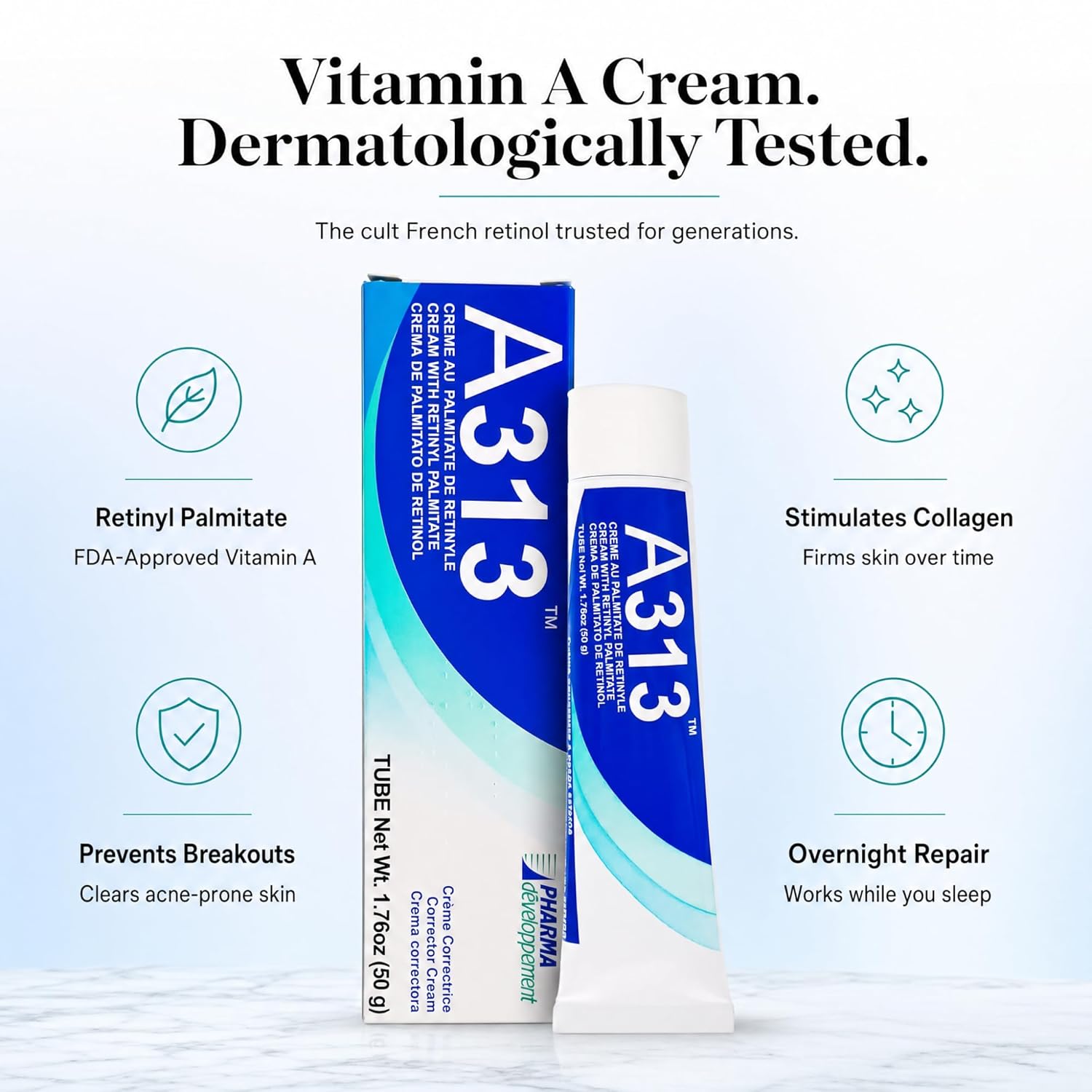
A313 + Ialuset — the bundle French dermatologists actually prescribe after procedures.
The 5 best French pharmacy skincare picks at a glance

Pros
- Retinyl Palmitate suits retinol newcomers and sensitive skin.
- 0.2% sodium hyaluronate concentration is explicitly stated.
- Occlusive pommade base supports barrier function overnight.
Cons
- Heavy pommade texture may not suit oily or acne-prone skin.
- Zero customer reviews available to validate real-world results.

Pros
- Non-tacky, fast-absorbing finish suits layering routines.
- Pro-retinol targets photoaging and visible pore congestion.
- Antioxidant formula addresses both aging and blemish concerns.
Cons
- No ingredient list or concentrations specified in product data.
- Zero reviews available to validate real-world performance.
- Built around pro-retinol, this serum may help visibly reduce fine lines, support pore clarity, and address blemishes, making it a fit for all skin types including dehydrated or acne-prone.
- The fast-absorbing, non-tacky texture suits PM placement after cleansing. Avoid layering with other actives like AHAs or BHAs until skin tolerance is established.
- Pro-Retinol: A retinol precursor that may help visibly reduce photoaging, fine lines, and blemishes.
- Antioxidants: Help protect skin from free radical damage and support a more even-looking complexion.
- Hydrating Agents (not specified): Formula targets dehydration, though specific humectants are not listed in source data.

Pros
- Encapsulated retinol plus granactive retinoid in one product.
- Occlusive base actively counters retinoid-induced dryness.
- Panthenol and ceramides reinforce barrier during active use.
Cons
- Rich ointment texture not suited for oily or acne-prone skin.
- No fragrance, filler, or allergen disclosure available from source data.
- Encapsulated retinol at 0.5% paired with granactive retinoid targets fine lines and uneven texture; the low-irritation dual-retinoid approach makes it workable for sensitive or retinoid-naive skin types.
- The thick pommade texture functions as an occlusive night treatment; use PM only, starting one to two nights per week, and avoid layering over other active acids the same evening.
- Encapsulated Retinol (0.5%): time-released vitamin A helps visibly reduce fine lines and uneven texture.
- Granactive Retinoid: next-generation retinoid ester with reported lower irritation than traditional retinol formats.
- Ceramides: lipid molecules that support and reinforce the skin's moisture barrier function.
- Panthenol (Vitamin B5): humectant and soothing agent that helps offset retinoid-related dryness.

Pros
- Dual retinoids active in one occlusive base.
- Ceramides and panthenol support barrier while retinoids work.
- Aluminum tube format preserves formula potency over time.
Cons
- Rich ointment texture not suited for oily skin.
- Zero verified reviews to confirm real-world results.
Pros
- Dual retinoids active in one occlusive base.
- Ceramides and panthenol support barrier while retinoids work.
- Aluminum tube format preserves formula potency over time.
Cons
- Rich ointment texture not suited for oily skin.
- Zero verified reviews to confirm real-world results.
- Encapsulated retinol at 833,333 i.u. paired with granactive retinoid targets fine lines and uneven texture, with a formulation positioned as tolerable for sensitive skin.
- Thick pommade ointment finish is designed for PM use only; avoid layering over exfoliating acids, as the occlusive base will intensify active penetration.
- Encapsulated Retinol (833,333 i.u.): time-released retinoid may help improve fine lines and skin texture.
- Granactive Retinoid: next-generation retinoid ester associated with lower irritation than traditional retinol.
- Ceramides: lipid-based barrier replenishers that help reduce moisture loss.
- Panthenol: provitamin B5 that supports skin hydration and helps offset retinoid-related dryness.

Pros
- Antioxidant trio supports visible protection against environmental stressors.
- Hyaluronic acid addresses both dryness and dullness.
- Lightweight texture absorbs quickly, suitable under makeup.
Cons
- Retinol and Vitamin C together may irritate sensitive skin.
- No concentrations listed; potency of actives not verifiable.
Detailed picks
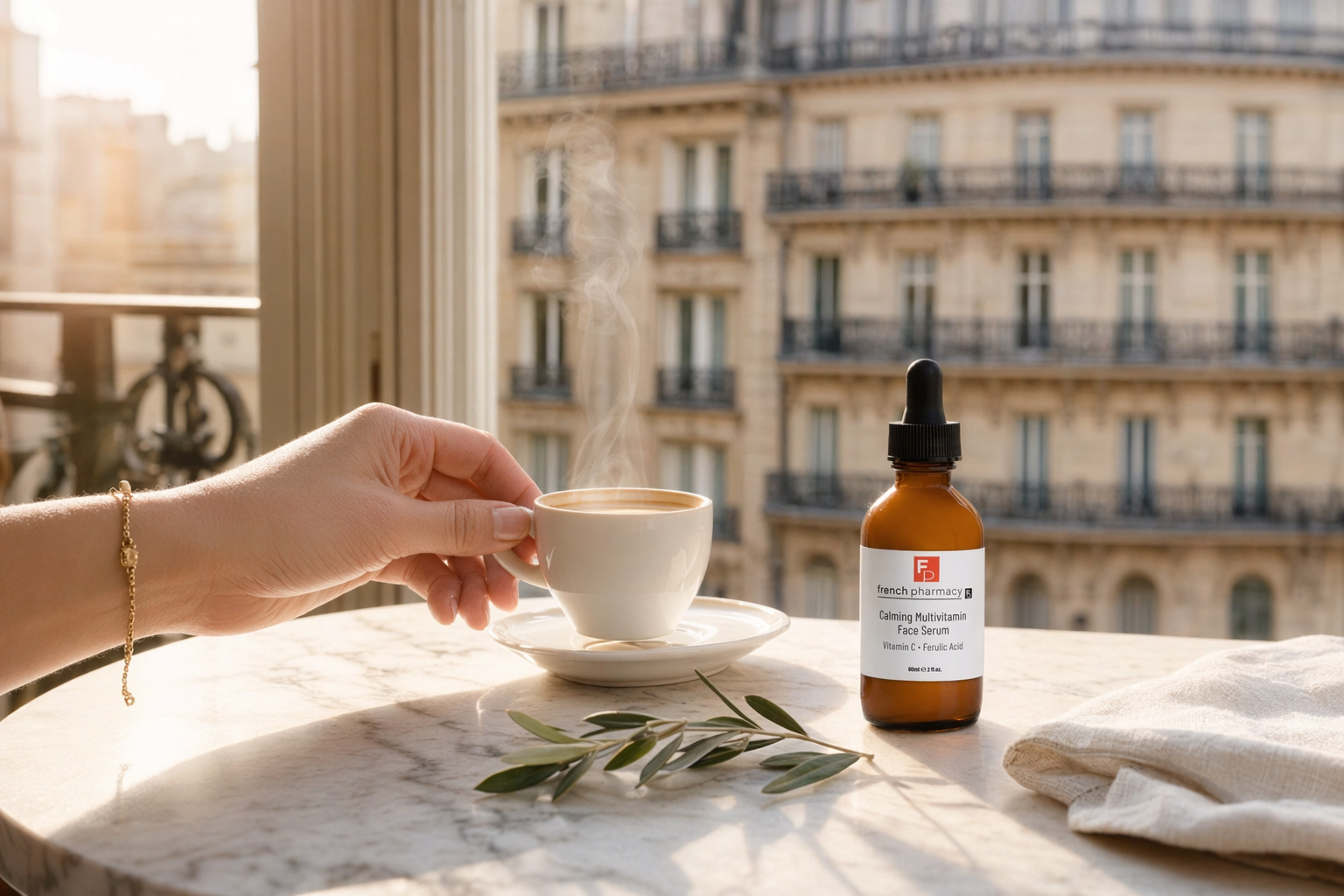
French dermatology recommended vitamin C in the AM + retinoid PM stack decades before American skincare brands packaged it as a luxury duo.
1. A313 Retinol Cream + Ialuset Hyaluronic Acid Bundle — Best Heritage Pair ($78.40)
This bundle is the answer to “what do I bring back from a French pharmacy?” condensed into one Amazon order. A313 is the modern reformulation of Avibon, the vitamin A pommade French dermatologists have prescribed since the 1960s. Ialuset is a wound-healing-grade hyaluronic acid cream originally developed for post-procedure burn care — pharmacists hand it to patients recovering from laser treatments and aggressive peels.
Use A313 two to three nights a week to start (it’s potent — a pea-sized amount covers the full face), with Ialuset as the morning recovery layer. The combination is functionally similar to a prescription tretinoin protocol with a hyaluronic acid hydrator, at a fraction of the dermatology-visit cost. If you’re not yet comfortable with strong retinoids, our guide to retinol for sensitive skin is the gentler entry point.
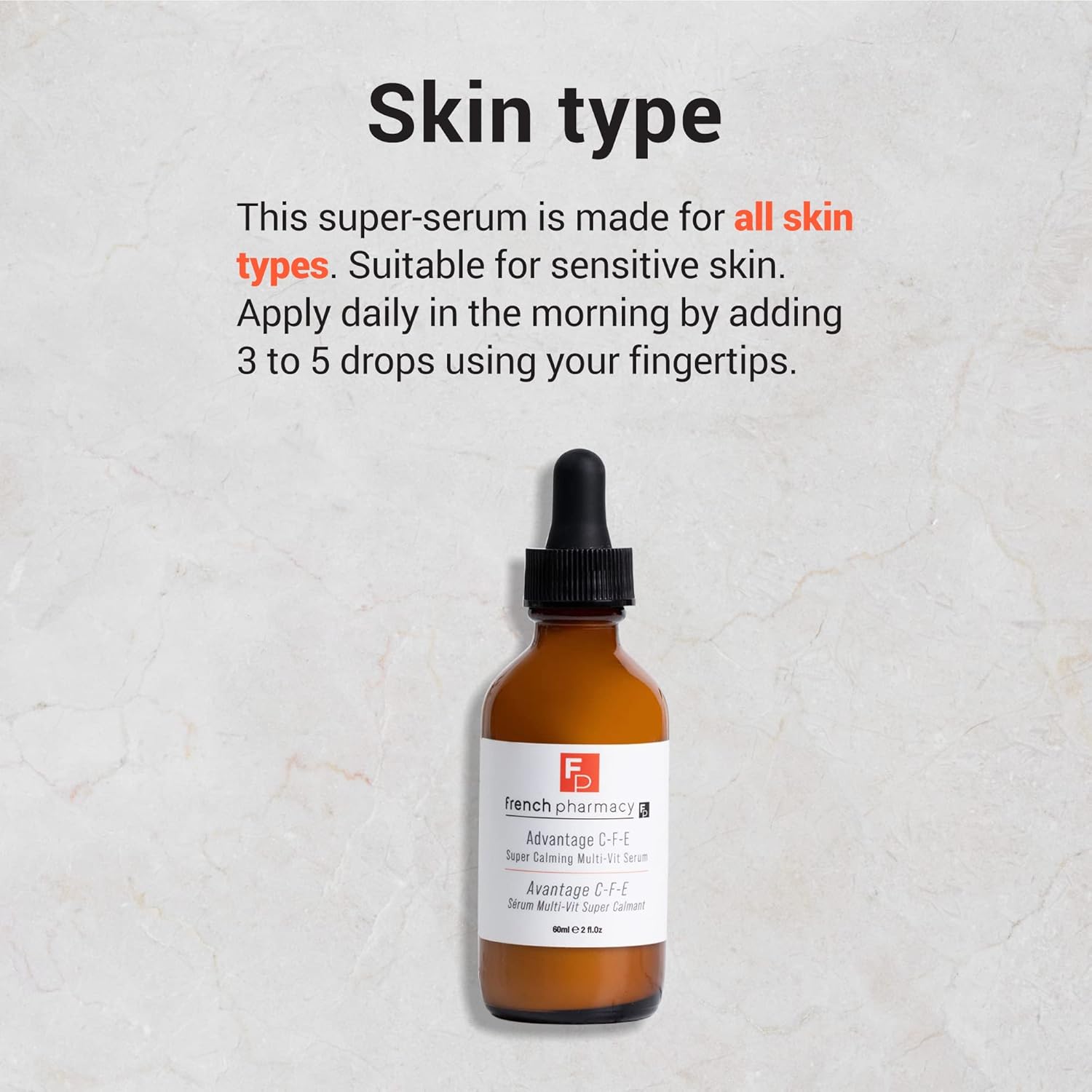
The vitamin C + ferulic acid AM counterpart to the French retinoid PM step.
2. French Pharmacy RetRx 314 Professional Retinol Serum — Best Liquid Format ($48)
A313 is a thick pommade — the texture is dense and feels old-school. RetRx 314 (the “314” naming is the modern lineage from the A313 tradition) takes the same vitamin A approach and delivers it in a serum format that absorbs faster and layers more easily under other products. For most American readers transitioning from American retinoid serums, this is the more comfortable starting point.
The concentration sits at a step below A313’s pommade but above most American department-store retinol serums. Build tolerance slowly — twice a week for two weeks, three times a week for two weeks, then every other night — and pair with a barrier-supportive moisturizer. If your AM step is vitamin C, keep the French retinoid strictly to evenings to avoid the L-ascorbic conflict.
3. Coulé Vitamin A Pommade 50g — Highest-Potency Pick ($49.99)
Coulé’s 833,333 i.u. vitamin A pommade sits at the high-potency end of the French pharmacy retinoid spectrum. The international-unit measurement is how French pharmaceutical regulation describes retinyl ester concentration — and 833,000 i.u. translates to a meaningfully stronger formulation than A313 itself. This is for readers who have already built retinoid tolerance and want to escalate without going to prescription tretinoin.
Start with twice-weekly application to clean, dry skin, on the lower half of the face only (forehead can wait a few weeks). Expect a 2–4 week adjustment period with some flaking and increased sun sensitivity. SPF 30+ daily is non-negotiable while using this potency — vitamin A escalates UV damage if you’re not protected. Our sunscreen guide for sensitive skin covers the formulas that pair well with active retinoids.
4. Coulé Dual Active Retinoid Cream 2-Pack — Best Value Multipack ($89.99)
The two-pack format is how French pharmacy retinoid users typically stock — one tube in the bathroom, one in the travel kit or backup. The “dual active” formula combines retinyl palmitate (a gentler retinoid ester) with retinyl propionate, which gives a two-stage release profile across the night-time application window. Texture is creamier than the pure pommade, which makes it more user-friendly for daily-use applicators.
At under $50 per 50g tube, this is the most economical entry into the higher-potency French retinoid category. One 50g tube lasts a typical user 4–6 months at every-other-night application, so the two-pack represents about a year of supply.
5. French Pharmacy Calming Multivitamin Face Serum — Best Antioxidant Pick ($42)
Not every French pharmacy product is a retinoid. The Calming Multivitamin Serum combines vitamin C, ferulic acid, and a B-vitamin complex in a soothing base — functionally similar to what SkinCeuticals C E Ferulic delivers, in a French pharmacy formulation idiom. Apply in the AM, allow to absorb fully, then sunscreen.
This is the morning counterpart to the retinoid picks above. Vitamin C in the AM + French retinoid in the PM is the classic anti-aging routine that French dermatologists have been recommending since long before American skincare brands packaged the same idea into hundred-dollar duos. For complete coverage of the antioxidant step, our best vitamin C serum guide goes deeper on form-of-vitamin-C selection.
How to actually use French pharmacy retinoids
The build-tolerance ladder
French retinoid pommades are not for first-time retinol users. The build-up schedule that gets results without burning the face:
- Weeks 1–2: Twice weekly, pea-sized amount, lower face only, on dry skin 15 minutes after cleansing.
- Weeks 3–4: Three times weekly, full face. Buffer with a moisturizer if dryness exceeds your comfort.
- Weeks 5–8: Every other night. Most users plateau here for the long term.
- Beyond week 8: Some experienced users move to nightly. Most don’t need to.
The pairings that work and the ones that don’t
French retinoids pair well with: hyaluronic acid (any time), ceramide moisturizers, niacinamide, peptides. They conflict with: AHA acids, BHA acids, vitamin C in the same step. SPF 30+ daily is non-negotiable — French dermatologists are explicit about this, and US prescribers say the same.
Frequently asked questions
Is A313 actually better than American retinol products?
At the higher concentrations it sells in, yes — for tolerant users with established retinoid experience. At the entry tier, an American Differin (adapalene 0.1%, now OTC) is genuinely comparable and sometimes better-tolerated. The French pharmacy advantage is the wider concentration range available without prescription, not the formulation chemistry itself.
Can I buy A313 from a US source?
Yes — Amazon, eBay, and direct-import beauty retailers all carry it now. Verify the product is the modern A313 formulation, not gray-market old Avibon, and check that the seller has high feedback volume specifically for skincare imports.
How is French pharmacy retinol different from prescription tretinoin?
Prescription tretinoin (Retin-A) is retinoic acid itself — the active form. A313 and the Coulé pommades use retinyl palmitate and retinyl propionate, which are esters that the skin converts to retinoic acid via two enzymatic steps. This makes the French formulations gentler than tretinoin but slower-acting; expect 12 weeks for visible results vs. 6–8 for tretinoin.
What’s the best French pharmacy moisturizer to pair with retinol?
Embryolisse Lait-Crème Concentré is the classic answer — it shows up in every Allure and Into The Gloss French pharmacy roundup for a reason. La Roche-Posay Toleriane Double Repair is the modern, more affordable alternative with similar barrier-supporting chemistry.
Are French pharmacy products tested on animals?
The EU banned cosmetic animal testing in 2013, and all brands selling into the European market comply. French pharmacy brands distributed via Amazon to the US are EU-compliant by default.
Will French pharmacy retinol make me peel?
At the entry concentrations — RetRx 314 serum, the gentler Coulé dual-active cream — most users see mild flaking during the first 2–3 weeks and then it subsides. At the high-potency end — Coulé 833,333 i.u. or A313 used nightly without a build-up phase — significant peeling is more likely, and it’s a signal to back off rather than push through. Mature skin and barrier-compromised skin tolerate French retinoids best when introduced at a twice-weekly cadence and titrated up over 8 weeks rather than dropped in cold.
Can I use French pharmacy retinol while pregnant?
No. The American College of Obstetricians and Gynecologists recommends avoiding topical retinoids during pregnancy because of theoretical fetal-development risks, and this applies to French pharmacy formulations the same as American ones. Stick to vitamin C, niacinamide, and azelaic acid actives during pregnancy and reintroduce retinoids after weaning.






Write Your Review
No reviews yet. Be the first to share your experience!