Lips break the usual skincare rules. The skin there runs only a few cell layers thick, it has almost no oil glands of its own, and the tough outer layer that holds water in everywhere else is barely present. So lips dry out faster than cheeks, split in cold air, and can stay chapped through an entire winter if the tube you keep reaching for is the wrong kind.
That’s where drugstore shopping goes sideways. The wall of tubes looks interchangeable, and plenty of them carry menthol, camphor, or flavor oils that soothe for ninety seconds and leave you reapplying twenty minutes later. Our editors compared full ingredient lists across dozens of balms, weighed them against what dermatologists reach for in clinic and what the research says about barrier repair, and read aggregated feedback from thousands of verified buyers. The five below earned their spots. If your hands crack in the same weather, our best hand creams for dry skin roundup runs on the same occlusive logic.
Quick answer: Aquaphor Lip Repair Stick is the pick for most people, a fragrance-free petrolatum balm that’s been the classic dermatologist recommendation for years. La Roche-Posay Cicaplast Lip B5 suits badly damaged lips, eos is the natural everyday option people actually reapply, Dr. Dan’s Cortibalm targets severely cracked cases, and Burt’s Bees is the beeswax standard.

Pros
- Fragrance-free formula suitable for sensitive skin
- Shea butter and jojoba oil provide nourishment
- Dermatologist recommended brand with clinical backing
Cons
- No active treatment ingredients for severe conditions
- Stick format may require frequent reapplication
Pros
- Fragrance-free formula suitable for sensitive skin
- Shea butter and jojoba oil provide nourishment
- Dermatologist recommended brand with clinical backing
Cons
- No active treatment ingredients for severe conditions
- Stick format may require frequent reapplication
- Shea butter and jojoba oil work together to moisturize and create a protective barrier on dry, chapped lips, suited for all skin types including sensitive.
- Balm texture glides on smoothly without residue, ideal for AM and PM use, layers well under lipstick or alone for overnight repair.
- Shea Butter: emollient that softens and conditions dry, cracked lip tissue.
- Jojoba Oil: plant oil that mimics skin's natural sebum to lock in moisture.
- Vitamins: nourishing blend supports skin barrier function and helps prevent moisture loss.

Pros
- Non-greasy formula suitable for layering under lipstick
- Shea butter supports barrier repair on dry lips
- Lightweight texture comfortable for daily wear
Cons
- Limited ingredient details provided in product data
- No information on fragrance or potential irritants
Pros
- Non-greasy formula suitable for layering under lipstick
- Shea butter supports barrier repair on dry lips
- Lightweight texture comfortable for daily wear
Cons
- Limited ingredient details provided in product data
- No information on fragrance or potential irritants
- Shea butter and vitamin B5 work to support barrier function and lock moisture into dry, compromised lip skin, making it appropriate for extra dry or weather-damaged lips.
- The light, non-greasy texture absorbs quickly and layers well under lip color or in AM routines, pairing with hydrating serums or thicker overnight treatments.
- Shea Butter: Emollient that helps soften and moisturize dry, chapped lip tissue.
- Vitamin B5 (Panthenol): Humectant that supports moisture retention and may improve skin barrier function.
- Cicaplast Complex: Proprietary blend designed to help repair and soothe compromised skin barrier.

Pros
- Organic shea butter locks in all-day hydration
- Hypoallergenic formula suits sensitive lip skin
- Clean ingredient list with no parabens
Cons
- Limited reviews available to verify performance claims
- Flavor intensity may vary by preference
Pros
- Organic shea butter locks in all-day hydration
- Hypoallergenic formula suits sensitive lip skin
- Clean ingredient list with no parabens
Cons
- Limited reviews available to verify performance claims
- Flavor intensity may vary by preference
- Sustainable shea butter and jojoba oil deliver weightless hydration while coconut oil supports moisture retention, designed for sensitive and reactive lip skin that requires gentle care.
- Natural flavor oils create a light, non-sticky finish suitable for AM and PM use, layers well under lipstick without pilling or interfering with color payoff.
- Shea Butter: Sustainable source locks in moisture and supports the lip barrier with fatty acids.
- Coconut Oil: Provides weightless hydration without heaviness, absorbs quickly into lip tissue.
- Jojoba Oil: Mimics skin's natural oils to help visibly soothe and soften chapped areas.
Pros
- Contains anti-inflammatory hydrocortisone for stubborn chapping
- Minimal ingredient list reduces potential irritant exposure
- Hypoallergenic formulation suitable for reactive skin
Cons
- Medicated formula not intended for daily maintenance use
- Petroleum base may feel heavy for some
Pros
- Contains anti-inflammatory hydrocortisone for stubborn chapping
- Minimal ingredient list reduces potential irritant exposure
- Hypoallergenic formulation suitable for reactive skin
Cons
- Medicated formula not intended for daily maintenance use
- Petroleum base may feel heavy for some
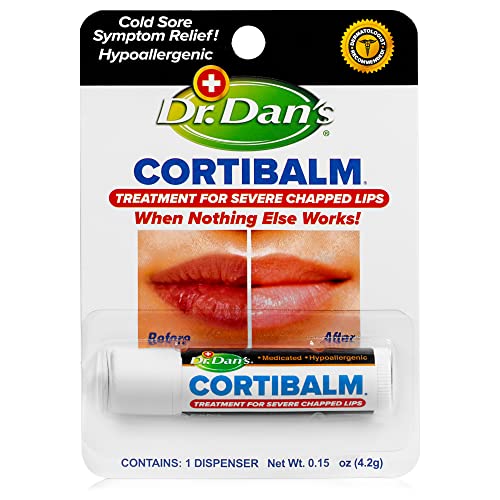
- The 1% hydrocortisone works to calm inflammation that perpetuates the chapping cycle, particularly for lips compromised by Accutane, chemotherapy, eczema, or chronic environmental exposure.
- Petrolatum and beeswax create an occlusive barrier best applied before bed or during acute flare-ups, then transitioned to a non-medicated balm once lips stabilize.
- Hydrocortisone 1%: Topical corticosteroid that may help visibly reduce inflammation and discomfort in reactive lips.
- Petrolatum: Occlusive agent that helps prevent transepidermal water loss and supports barrier function.
- Beeswax: Natural emollient that provides structure and helps seal in moisture without synthetic additives.
- Mineral Oil: Non-comedogenic occlusive that softens without flavor or fragrance that could irritate sensitized tissue.
Pros
- Clean formula with 100% natural origin ingredients
- Peppermint provides light sensory experience on application
- Dermatologist-recommended brand with established safety profile
Cons
- Matte finish may require reapplication for severe dryness
- Peppermint tingle may irritate sensitive or compromised lips
Pros
- Clean formula with 100% natural origin ingredients
- Peppermint provides light sensory experience on application
- Dermatologist-recommended brand with established safety profile
Cons
- Matte finish may require reapplication for severe dryness
- Peppermint tingle may irritate sensitive or compromised lips
- Beeswax and vitamin E combine with nourishing oils to support the skin barrier on dry or chapped lips, suited for normal to dry lip types seeking clean hydration.
- Glides on with a matte, tint-free finish for AM or PM use, layers well under lipstick or works alone without interfering with color cosmetics.
- Beeswax: occlusive humectant that helps seal moisture into the lip surface while softening texture.
- Vitamin E: antioxidant that supports skin conditioning and may help protect against environmental stressors.
- Peppermint Oil: adds cooling sensation and mild aromatic experience without synthetic fragrance compounds.
How We Evaluated These Lip Balms
Half the balms in this category are built to be reapplied, not to work. That’s the quiet problem, and it shaped how we screened. We read the full ingredient lists and sorted formulas by what they lead with: occlusives like petrolatum, lanolin, shea butter, and beeswax, which physically slow water loss, versus humectants like glycerin and hyaluronic acid, which draw moisture in but need something sealing on top. Then we checked those choices against dermatology guidance on chapped lips, which points steadily toward bland, fragrance-free occlusives and away from flavored or medicated sticks.
We also aggregated verified buyer feedback, weighting repeated patterns over one-off raves. When several thousand people describe the same waxy drag or the same sting, that’s signal. Cost per use mattered more than sticker price, since a balm lives in a pocket and gets reapplied five times a day. Everything that made the cut had to be in stock, honestly labeled, and free of the irritants that keep the chapped-lip cycle spinning.
Aquaphor Lip Repair Stick — Best Overall
This is the one dermatologists name first, and the reason isn’t complicated. Petrolatum-based, fragrance-free, flavor-free. There’s essentially nothing to react to and nothing tempting you to lick it off. Petrolatum cuts water loss through skin by roughly 98 percent, better than any plant oil or wax manages, and glycerin, panthenol, shea butter, and bisabolol ride along to hydrate and calm. The honest caveat is the finish: it leaves a slick, shiny film that doesn’t sit well under lipstick, and it’s a barrier rather than a treatment, so you’ll reapply often. As a daily default, chapped or not, it’s the safest thing on the shelf.
La Roche-Posay Cicaplast Lip Balm B5 — Best for Badly Damaged Lips
Reach for this when lips have gone past dry into damaged: split corners, flaking that peels in sheets, the aftermath of a windburned ski weekend. It pairs panthenol, better known as pro-vitamin B5, with shea butter over a thick occlusive base, and panthenol is why the Cicaplast range comes up in barrier-repair conversations at all. It’s fragrance-free and sits in a squeeze tube, so you can lay down a heavy overnight layer without digging fingers into a pot. Texture is the tradeoff. It’s dense and glossy, closer to an ointment, and that’s more than someone wanting a quick swipe at their desk will put up with.
eos 100% Natural Lip Balm — Best Everyday Natural Pick
The best balm is the one you’ll actually reapply, and this is the one people keep in three places at once. It leans on shea butter, jojoba oil, and beeswax instead of petrolatum, so it’s the pick if you’d rather skip petroleum derivatives, and the stick glides without drag. Strawberry Sorbet and Pomegranate Raspberry are the two flavors worth grabbing. That flavoring is also the catch: a sweet, scented balm invites licking, and if you’re already stuck in a lick-and-peel loop, something bland serves you better. For lips that are basically healthy and just need maintenance, it’s an easy habit to keep.
Dr. Dan’s Cortibalm — Best for Severely Cracked Lips
A short-term fix, not a daily balm. It carries 1 percent hydrocortisone, a mild topical steroid, over a plain occlusive base, and a dermatologist formulated it for lips that are cracked, inflamed, and splitting at the corners, including the severe chapping that comes with isotretinoin. The steroid calms the inflammation keeping a crack from closing, which petrolatum alone can’t do. Read this part closely: steroids on the thin skin around the mouth aren’t meant for open-ended use, and cracked corners are sometimes fungal or bacterial rather than simply dry, where a steroid makes things worse. Use it briefly and see a clinician if nothing improves. General information, not medical advice.
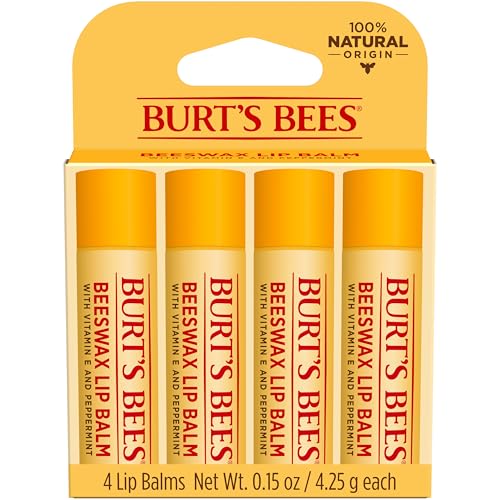
Burt’s Bees 100% Natural Moisturizing Lip Balm — Best Beeswax Classic
The yellow tube is the most familiar beeswax formula in the category, and beeswax is a genuine occlusive, blended here with sunflower and coconut oils plus vitamin E for a matte finish many people prefer to petrolatum’s shine. It’s also the balm that splits a room. That signature tingle comes from peppermint oil, and while plenty of buyers read it as proof the balm is working, peppermint irritates reactive or already-split lips and triggers contact dermatitis in a small share of users. Stinging isn’t a sign of repair. For sturdy lips that want a natural formula and a dry finish it holds up, and our best skincare for dry sensitive skin guide covers gentler swaps.
What to Look For in a Lip Balm
Lead with occlusives, not humectants. Scan the first few ingredients for petrolatum, lanolin, shea butter, beeswax, or dimethicone. Those physically hold water in. Glycerin and hyaluronic acid are useful, but on their own in dry winter air they can draw water up from deeper tissue and let it evaporate, leaving lips tighter than they started. A humectant under a seal works well. A humectant with nothing over it can backfire.
Skip anything that flavors, cools, or exfoliates. Menthol, camphor, phenol, cinnamon and citrus flavor oils, and salicylic acid all turn up in balms marketed for chapped lips, and each one can stretch the problem out. Menthol’s cooling reads as relief while it strips, and salicylic acid peels skin that’s already too thin. If you catch yourself licking or picking at flakes, bland and unflavored is the entire fix.
Add SPF by day and reapply more than feels necessary. The lower lip takes direct overhead sun and it’s a common site for precancerous actinic damage, so a lip product with SPF 30 belongs in your daytime rotation. Mineral filters like zinc oxide and titanium dioxide are the easier choice since they’re less likely to sting. Otherwise, reapply every couple of hours, after anything you eat or drink, and put down a thick layer at bedtime when nothing’s rubbing it off.
Frequently Asked Questions
What ingredient do dermatologists recommend most for chapped lips?
Petrolatum, by a wide margin. It’s bland, it rarely sensitizes anyone, and it slows water loss through skin better than plant oils or waxes do. Lanolin and shea butter are the usual runners-up, and panthenol gets added when the goal is repairing a damaged barrier rather than only sealing it.
Can lip balm make dry lips worse?
Yes, if it’s the wrong formula. Flavored, menthol, and camphor balms encourage licking and can set off a low-grade contact reaction that keeps lips inflamed, so you reapply more and never get ahead of it. Balms built only on humectants can also pull water from deeper skin in dry air. Bland occlusives don’t do either.
How often should you apply lip balm?
Every two to three hours through the day, again after eating, drinking, or brushing your teeth, and more heavily before bed. Most chapped lips look better within three to seven days of steady use. If four weeks of a bland occlusive changes nothing, something else is driving it and it’s worth having looked at.
Is hydrocortisone lip balm safe to use every day?
No. A 1 percent hydrocortisone balm is for short stretches, usually a week or two, on lips that are inflamed and cracked. Prolonged steroid use thins the delicate skin around the mouth and can worsen a crack that’s actually infected. Check with a clinician before continuing past that window.
Do you need SPF in your lip balm?
During the day, yes. Lips carry almost no melanin protection, and the lower lip is a frequent site of sun damage. An SPF 30 mineral stick reapplied every couple of hours handles it. At night there’s no reason for sunscreen, so a plain occlusive is the better choice.
Bottom Line
Aquaphor Lip Repair Stick is the one we’d hand to almost anyone: petrolatum, no fragrance, no flavor, nothing to react to. When lips are already split and peeling, La Roche-Posay’s Cicaplast Lip B5 does the heavier barrier-repair work, and Dr. Dan’s Cortibalm is the short-run option for cracked, inflamed corners with the steroid caveat kept firmly in view. If you want a natural formula you’ll reach for without thinking, eos is the easy habit, and Burt’s Bees stays the beeswax standard as long as peppermint doesn’t bother you. Choose bland over flavored, reapply more often than you think you need to, and add SPF by day.