Finding sun protection that calms reactive skin without triggering shine or breakouts feels like chasing two goals at once. Oily skin wants a matte, lightweight finish, while sensitive skin needs gentle, fragrance-conscious formulas that won’t sting. The good news? Plenty of modern SPFs manage both, and we’ve narrowed the field to five that actually deliver. Below you’ll find picks that absorb fast, sit well under makeup, and skip the heavy, pore-clogging feel that makes many people abandon daily sunscreen. If you’re still building a routine, our guide to a simple gentle skincare routine for oily skin pairs nicely with these choices. Here’s what we researched and why each one earned a spot on the list.
Quick answer: La Roche-Posay Anthelios Clear Skin SPF 60 is our top pick for acne-prone, oily-yet-sensitive skin, while the Gaayou No Cast SPF 50 wins for a truly invisible finish and the Banana Boat Sheer Sensitive SPF 50 offers the best value.
Pros
- High SPF 60 protection in oil-free, matte finish
- Free from oxybenzone, octinoxate, fragrance, and parabens
- Non-comedogenic formulation helps control shine and breakouts
Cons
- No ingredient list provided to verify actives
- Matte finish may emphasize dry patches on combination skin
Pros
- High SPF 60 protection in oil-free, matte finish
- Free from oxybenzone, octinoxate, fragrance, and parabens
- Non-comedogenic formulation helps control shine and breakouts
Cons
- No ingredient list provided to verify actives
- Matte finish may emphasize dry patches on combination skin
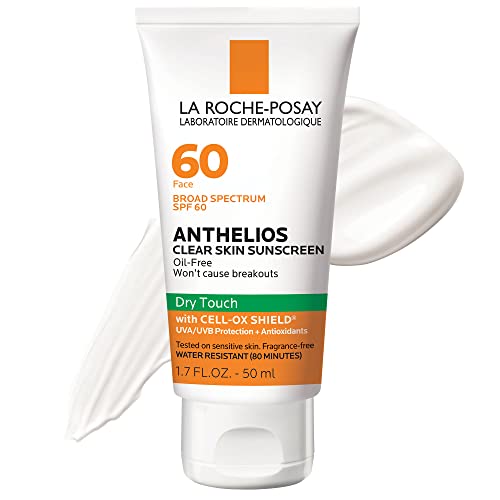
- Cell-Ox Shield technology delivers broad spectrum UV protection paired with antioxidants to help defend oily and acne-prone skin from environmental stressors without triggering breakouts.
- Oil-absorbing, matte finish texture makes this suitable for morning application under makeup or alone, layering well with lightweight serums but best avoided over heavy oils.
- Broad Spectrum UV Filters (Oxybenzone-Free, Octinoxate-Free): Shield skin from UVA and UVB rays at SPF 60 level.
- Cell-Ox Shield Antioxidants: Support skin defense against free radical damage from sun exposure and pollution.
- Oil-Absorbing Technology: Helps control excess sebum and shine even in heat and humidity conditions.

Pros
- Matte finish controls shine on oily skin
- SPF 30 provides daily sun protection
- Non-comedogenic and fragrance-free for sensitive types
Cons
- Specific active ingredients not disclosed in listing
- May require reapplication for extended sun exposure
Pros
- Matte finish controls shine on oily skin
- SPF 30 provides daily sun protection
- Non-comedogenic and fragrance-free for sensitive types
Cons
- Specific active ingredients not disclosed in listing
- May require reapplication for extended sun exposure
- Oil-absorbing technology combined with broad spectrum SPF 30 helps visibly reduce shine while protecting sensitive, oily skin from UVA and UVB damage throughout the day.
- Lightweight, oil-free texture absorbs quickly to a matte finish, suitable for morning application under makeup or alone, pairs well with oil-control serums.
- Broad Spectrum SPF 30: protects against UVA and UVB rays, recommended by Skin Cancer Foundation.
- Oil-absorbing complex: helps control excess sebum and reduce visible shine on oily skin.
- Hydrating agents: provide long-lasting moisture without heavy residue or pore congestion.


How We Evaluated These Sunscreens
We focused on formulas built for the tricky overlap of oily and sensitive skin, so shine control and gentleness carried equal weight. Every pick had to leave a matte or natural finish, absorb without a greasy film, and use ingredient lists that lean toward fragrance-free or low-irritation profiles. We prioritized broad-spectrum UVA and UVB coverage at SPF 30 or higher, since daily protection matters more than a sky-high number you won’t reapply.
Beyond the label, we weighed real-world wearability: how each one layers under makeup, whether it pills, and how likely it is to clog pores. We compared reviewer feedback on stinging, redness, and breakouts, then checked price and size so the value made sense. If a formula felt heavy or left a chalky cast, it didn’t make the cut. What’s left are five options that respect both concerns at once.
La Roche-Posay Anthelios Clear Skin SPF 60 — Best For Acne-Prone Skin
This one earns its reputation for a reason. The Anthelios Clear Skin formula is built specifically for oily, breakout-prone faces, and it delivers a dry-touch matte finish that keeps midday shine in check. It’s oil-free and non-comedogenic, so it won’t feed clogged pores, and the SPF 60 rating gives you generous broad-spectrum coverage. Sensitive skin folks tend to tolerate it well, though the mineral-heavy texture can feel slightly drying if your skin swings toward combination. It sits smoothly under makeup once it sets, and a little goes a long way. If your main frustration is greasy sunscreen that sparks breakouts, this is the one we’d reach for first every morning.
Cetaphil DermaControl SPF 30 — Best For Daily Moisturizing
Cetaphil designed the DermaControl moisturizer for people who want hydration and oil control in a single step. It’s a lightweight lotion with SPF 30, so you get sun protection plus a moisturizer that actually helps absorb excess oil rather than adding to it. The fragrance-free, gentle base suits reactive skin, and it layers cleanly under foundation without pilling. Because it’s more of a moisturizing SPF than a dedicated high-protection sunscreen, the SPF 30 works best for everyday errands rather than long hours outdoors. Reviewers with sensitive, oily skin appreciate how it doesn’t sting or leave a heavy residue. If you’re after a fuss-free daily base that hydrates and shields, this Cetaphil pick keeps things simple.
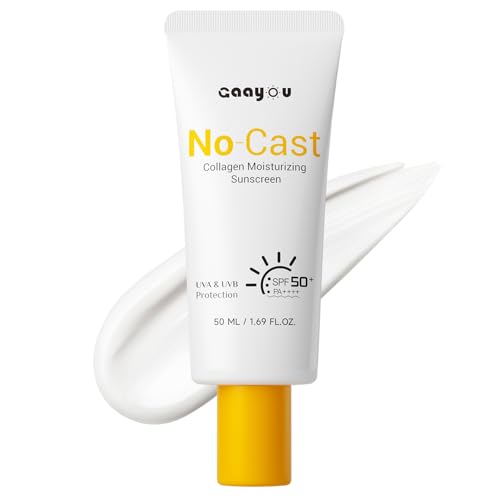
Gaayou No Cast SPF 50 — Best For No White Cast
If a chalky finish is your dealbreaker, this Korean-style formula fixes that fast. The Gaayou No Cast sunscreen lives up to its name with a genuinely invisible, weightless feel that vanishes on all skin tones. It carries SPF 50 with PA++++ rating for strong UVA defense, plus collagen and hyaluronic acid that add a hydrating, dewy touch without the grease. That dewiness leans glowy rather than matte, so very oily skin may want to set it with powder. Sensitive skin generally handles the gentle formula well, and it’s a treat under makeup thanks to its smooth slip. For anyone who has given up on sunscreens that leave a ghostly cast, this one’s a genuine relief.
Eucerin Clear Skin SPF 50 — Best For Sensitive Breakouts
Eucerin’s Clear Skin lotion targets the exact problem so many people face: skin that’s both prone to breakouts and easily irritated. The SPF 50 formula is oil-free and non-comedogenic, and it dries down to a soft matte finish that helps tame shine through the day. The gentle, fragrance-conscious base makes it a solid pick for reactive skin that flares at the first sign of a harsh ingredient. It spreads easily and doesn’t feel tacky, though a few users find it needs a moment to fully absorb before applying makeup. If your skin reacts to most sunscreens with either bumps or redness, Eucerin’s calm, breakout-aware approach is worth a spot in your rotation.
Banana Boat Sheer Sensitive SPF 50 — Best For Budget Buyers
You don’t have to spend a lot to protect sensitive, oily skin. Banana Boat’s Sheer Sensitive lotion delivers SPF 50 broad-spectrum coverage in a generous 6-ounce bottle, making it the best value on this list for face and body use. The formula is designed to be gentle on reactive skin, and the sheer finish absorbs without a greasy or heavy feel. It’s not as mattifying as the dedicated face picks, so oily skin might notice a slight sheen, but the lightweight texture keeps it comfortable. For everyday coverage, beach days, or simply stocking up without breaking the bank, this affordable option punches well above its price. It’s a dependable grab-and-go choice.
How to Choose Sunscreen for Oily Sensitive Skin
Look for oil-free and non-comedogenic labels. These two terms are your best signal that a formula won’t clog pores or add unwanted shine. Oily skin already produces plenty of sebum, so you want a sunscreen that controls that rather than piling on more. Non-comedogenic means it’s formulated to avoid blocking pores, which lowers your breakout risk. Pair that with a matte or dry-touch finish and you’ll get protection that feels light all day. If a bottle doesn’t mention these features, check the ingredient list for heavy oils or waxes near the top, since those tend to sit on the surface and trigger congestion.
Prioritize gentle, fragrance-conscious formulas. Sensitive skin reacts to added fragrance, alcohol, and harsh preservatives more than most, so a shorter, simpler ingredient list usually wins. Fragrance-free or low-fragrance sunscreens reduce the odds of stinging, redness, and flare-ups. Mineral filters like zinc oxide are often gentler for reactive skin, though modern chemical formulas can be well tolerated too. When you try something new, apply a small amount to your jaw or inner arm first and wait a day to see how your skin responds. That quick step saves you from spreading a reactive product across your whole face.
Match the finish and SPF to your daily routine. Think about where you’ll actually wear it. For desk days and short errands, a moisturizing SPF 30 like Cetaphil’s covers you while doubling as hydration. For long stretches outside or beach trips, reach for SPF 50 or higher with a water-resistant claim. Oily skin usually prefers a matte finish, while a dewy formula can look great if you set it with powder. Remember that reapplication matters more than the number on the bottle, so pick a texture you genuinely enjoy wearing. The best sunscreen is the one you’ll actually put on every single morning without skipping.
Frequently Asked Questions
Can oily skin skip moisturizer if the sunscreen has SPF?
Not always, but sometimes yes. If your sunscreen is a moisturizing SPF like the Cetaphil DermaControl, it can double as your daytime hydrator, which simplifies your routine. For dedicated high-SPF sunscreens that dry to a matte finish, you may still want a light, oil-free moisturizer underneath if your skin feels tight. Listen to how your skin responds: if it stays comfortable and balanced without a separate step, you’re fine to skip it. Oily skin still needs some hydration, so don’t strip it entirely.
Are mineral or chemical sunscreens better for sensitive skin?
It depends on your skin. Mineral sunscreens with zinc oxide or titanium dioxide sit on top of the skin and tend to be gentler for reactive or easily irritated faces. Chemical filters absorb into the skin and can occasionally cause stinging in very sensitive people, though many modern formulas are well tolerated. The picks on this list span both types, so you have options. If you’ve reacted badly before, a mineral-leaning formula is a safer starting point. Try a small amount first to see how your skin handles it.
How much sunscreen should I apply to my face?
Most people apply far too little. For your face and neck, aim for roughly a quarter teaspoon, or think of two finger-lengths of product squeezed along your index and middle fingers. Applying less than that means you won’t get the full SPF protection printed on the label. Spread it evenly and don’t forget the hairline, ears, and jaw. If you’re wearing makeup over it, let the sunscreen absorb for a couple of minutes first so it doesn’t pill. Reapply every two hours when you’re outdoors for extended time.
Will these sunscreens cause breakouts on acne-prone skin?
The picks here were chosen to minimize that risk. Formulas like the La Roche-Posay Anthelios Clear Skin and Eucerin Clear Skin are oil-free and non-comedogenic, meaning they’re designed not to clog pores. That said, everyone’s skin is different, and no product can promise zero breakouts for every person. Introduce one new sunscreen at a time so you can tell how your skin reacts. If you notice congestion, switch to a lighter, more matte formula. Cleansing thoroughly at night to remove sunscreen fully also helps keep pores clear.
Can I use these sunscreens on my body too?
Some work great for both. The Banana Boat Sheer Sensitive SPF 50 comes in a generous 6-ounce bottle and the La Roche-Posay Anthelios is labeled for face and body, so those two stretch easily across larger areas. The more specialized face formulas, like the Cetaphil moisturizer, are better saved for your face since they’re pricier and sized smaller. For all-over coverage, a bigger body-friendly bottle makes more sense and won’t drain your wallet. Just remember body skin needs the same generous, even application and regular reapplication as your face.
Bottom Line
Protecting oily, sensitive skin doesn’t mean settling for greasy, irritating sunscreen anymore. La Roche-Posay Anthelios Clear Skin SPF 60 stands out for acne-prone faces that need serious shine control, while the Gaayou No Cast SPF 50 delivers an invisible, hydrating finish for anyone tired of white cast. If you want value, the Banana Boat Sheer Sensitive SPF 50 covers face and body without the premium price. Cetaphil’s moisturizing SPF simplifies daily routines, and Eucerin’s Clear Skin lotion calms reactive, breakout-prone skin beautifully. Whichever you choose, pick a texture you’ll enjoy wearing every morning, because consistent daily protection is what truly keeps your skin healthy long term.