

TL;DR: Yes — azelaic acid and vitamin C are chemically compatible and pair effectively. The two molecules do not destabilize each other (unlike vitamin C + copper peptide, which does). The standard approach: vitamin C in the morning, azelaic acid at night. They target overlapping but distinct aspects of pigmentation and can be used together long-term.
This is one of the more common “can I combine X with Y” questions in skincare because both ingredients are marketed for brightening and even tone — and consumers reasonably wonder whether stacking them adds value or just adds irritation risk.
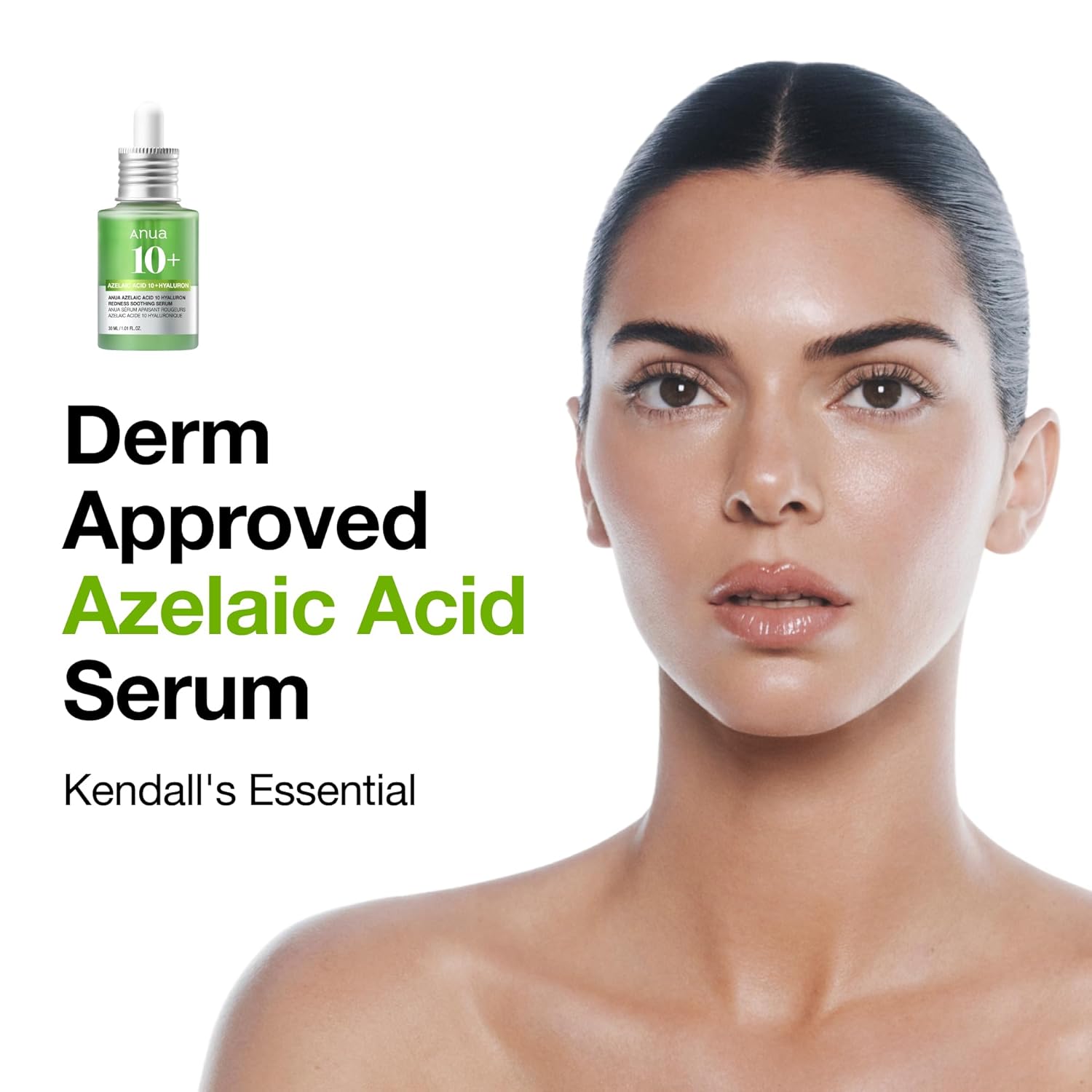
The hero pick — quality of formulation and dose justifying the price.
The short answer
Yes. There is no chemical conflict between azelaic acid and vitamin C. They are compatible enough to layer in the same routine, in different routine steps, or to use at different times of day. The combination is additive — both target pigmentation through different mechanisms (azelaic via tyrosinase inhibition in active melanocytes; vitamin C via tyrosinase inhibition plus antioxidant defense).

Consistency over twelve weeks is what produces visible results.
Why it works — the chemistry
The common worry comes from a different combination: vitamin C with copper peptide, which does have a chemical conflict (the acidic vitamin C oxidizes the copper-peptide bond). Azelaic acid lacks the copper ion and lacks the oxidation-sensitive structure. Both molecules are stable in the presence of L-ascorbic acid (vitamin C), and neither degrades the other in a meaningful way.
The only practical consideration is pH. L-ascorbic acid works best at pH below 3.5. Azelaic acid is most stable at pH around 4–5. Layering them too close in time can shift the local skin pH and reduce the effectiveness of one or both. The fix is a small wait between them — not a hard ban on combining.

Budget-tier option from the picks discussed above.
The recommended schedule
Standard approach (recommended for most users)
- AM: Cleanser → vitamin C serum → moisturizer → SPF 30+
- PM: Cleanser → azelaic acid → moisturizer (no retinoid on first weeks of azelaic)
This is the cleanest approach for new users. Vitamin C in the AM does its primary job (antioxidant defense alongside SPF), azelaic acid at night targets PIH and active inflammation. Both are working in the routine without competing for the same skin slot.
Combined-evening approach (for experienced users)
- AM: Cleanser → moisturizer → SPF
- PM: Cleanser → vitamin C serum → wait 30 minutes → azelaic acid → moisturizer
If you want both actives at night, allow 30 minutes between them. The vitamin C absorbs and the local pH stabilizes before azelaic acid goes on. Most established users who do this report no increased irritation.
Risks if you do it wrong
- Wet-on-wet layering (applying azelaic immediately after vitamin C while skin is still damp) can sting slightly and reduce the effectiveness of both because of pH conflict.
- Adding both as new actives on the same week increases irritation risk. Introduce one, build tolerance over 2–3 weeks, then add the second.
- Stacking onto compromised skin (post-peel, post-retinoid escalation) — wait until barrier function recovers before adding a second active.
Safe pairings around this combination
If you’re running azelaic acid PM + vitamin C AM, the other actives that fit cleanly into the same routine:
- Niacinamide — pairs with both. Add to either AM (alongside vitamin C, the “they conflict” myth has been debunked) or PM (alongside azelaic acid).
- Hyaluronic acid — always compatible, always useful.
- Peptides (palmitoyl tripeptide-1) — pair cleanly. Add to PM.
- Retinoid — alternate nights with azelaic acid. Both PM.
- Ceramide moisturizer — both AM and PM as the seal step.
Best azelaic acid serums to pair

Pros
- Watery texture absorbs fast and layers easily
- Combines exfoliation with hydration for sensitive skin
- No artificial fragrance in calming complex
Cons
- Requires gradual introduction starting 1-2 times weekly
- Must pair with daily sunscreen during use
Pros
- Watery texture absorbs fast and layers easily
- Combines exfoliation with hydration for sensitive skin
- No artificial fragrance in calming complex
Cons
- Requires gradual introduction starting 1-2 times weekly
- Must pair with daily sunscreen during use
- Azelaic acid at 10% concentration works to visibly refine bumps and fade post-acne marks without the irritation typical of stronger exfoliants, suited for sensitive and breakout-prone skin.
- Watery, fast-absorbing serum layers under moisturizer morning or night, though daytime use requires diligent sunscreen application since azelaic acid increases photosensitivity.
- Azelaic Acid 10%: helps visibly reduce post-blemish marks and refine uneven texture without irritation.
- Three Hyaluronic Acid Types: deliver lightweight hydration across multiple skin layers for plumping.
- Panthenol: supports skin barrier function and prevents moisture loss during exfoliation.
- Cica and Blue Tansy Oil: provide natural green tint that helps soothe visible redness instantly.

Pros
- 10% azelaic acid visibly addresses uneven texture.
- Gentle enough for rosacea-prone skin daily.
- Compatible with morning and evening routines.
Cons
- Suspension texture can feel heavy on oily skin.
- Ingredient list beyond azelaic acid not specified.

Pros
- 10% azelaic acid addresses sebum and blemish marks.
- Centella Asiatica soothes visible redness on sensitive skin.
- Lightweight drops absorb easily; suitable for daily use.
Cons
- No customer reviews available to confirm real-world results.
- Requires gradual introduction; may not suit immediate daily use.

Pros
- 10% azelaic acid targets visible blemishes and redness.
- Lightweight, fast-absorbing texture layers under moisturizer easily.
- Niacinamide and panthenol address oil balance and post-blemish marks.
Cons
- No fragrance-free confirmation specified in product data.
- Suitability for dry or sensitive skin not specified.

Pros
- High-concentration azelaic acid targets texture and tone.
- Lightweight, fast-absorbing finish leaves no sticky residue.
- Fragrance-free and non-comedogenic for sensitive skin types.
Cons
- No review data available to confirm real-world results.
- Flex-some technology not independently verified or widely documented.
Pros
- High-concentration azelaic acid targets texture and tone.
- Lightweight, fast-absorbing finish leaves no sticky residue.
- Fragrance-free and non-comedogenic for sensitive skin types.
Cons
- No review data available to confirm real-world results.
- Flex-some technology not independently verified or widely documented.
- Azelaic acid at 12% works to visibly smooth rough texture and even skin tone, with Zinc PCA supporting oil balance, suited for blemish-prone or oily skin.
- The lightweight serum absorbs quickly without residue, making it appropriate for AM or PM use; avoid layering with other high-percentage acids to minimize potential sensitivity.
- Azelaic Acid 12%: visibly refines skin texture and supports a more even-looking tone.
- Zinc PCA: helps visibly reduce excess shine and supports balanced-looking skin.
- Hyal-ZIP: part of the triple-active complex supporting moisture balance and a plump, dewy finish.
Frequently asked questions
Will using both at the same time bleach my skin?
Neither active is a bleaching agent. They both inhibit tyrosinase (the enzyme that makes melanin in over-producing cells), which is a different mechanism than skin bleaching. The result is more even tone, not lighter overall skin.
How long until I see results from the combination?
Eight to twelve weeks of consistent daily use. The combination is additive on the timeline, not multiplicative — using both does not make either work twice as fast. It does mean more aspects of pigmentation are addressed simultaneously.
Can I use azelaic acid with vitamin C derivatives (not L-ascorbic)?
Yes, and the chemistry is more forgiving. Sodium ascorbyl phosphate, magnesium ascorbyl phosphate, tetrahexyldecyl ascorbate, and ethyl ascorbic acid all play more cleanly with azelaic acid than pure L-ascorbic does — these derivatives are stable at the same pH range azelaic acid prefers (4–5).
What if I forget which time I used which?
If you accidentally use azelaic acid in the AM or vitamin C in the PM, no harm done. The “AM vitamin C, PM azelaic” schedule is a recommendation for maximum effect, not a safety requirement. Either active at either time is fine.
Should I use them on different days instead?
Only if your skin is irritation-sensitive. The chemistry supports daily use of both — but for skin still building tolerance to actives, alternating days (vit C Mon/Wed/Fri, azelaic Tue/Thu/Sat) is a reasonable ramp-up.
Authoritative sources
For the underlying chemistry of how these actives interact, see:
- Azelaic acid — Wikipedia on chemistry and dermatology applications
- Vitamin C — Wikipedia on chemistry and stability
- Tyrosinase — Wikipedia on the shared enzyme target
- AAD — hyperpigmentation treatment guidance
- NIH PubMed Central — azelaic acid review
- FDA — cosmetic claim framework
Related reading
- Azelaic acid vs vitamin C — the deeper comparison
- How often to use azelaic acid — frequency schedule
- Best vitamin C serum





Write Your Review
No reviews yet. Be the first to share your experience!