

TL;DR: Twice daily is the standard recommendation and works for most users with no ramp-up needed. Azelaic acid is one of the gentlest actives in skincare — irritation is uncommon, and the long-term effect on pigmentation and rosacea is cumulative with consistent use. If your skin is reactive, start once daily for 2–3 weeks then add the second daily application.
Azelaic acid is forgiving — more forgiving than retinoid, AHA, or BHA. Most published studies use twice-daily application from week one, and most dermatology prescriptions follow the same pattern. This guide covers the standard schedule, when to slow down, and how azelaic acid fits with the rest of a routine.
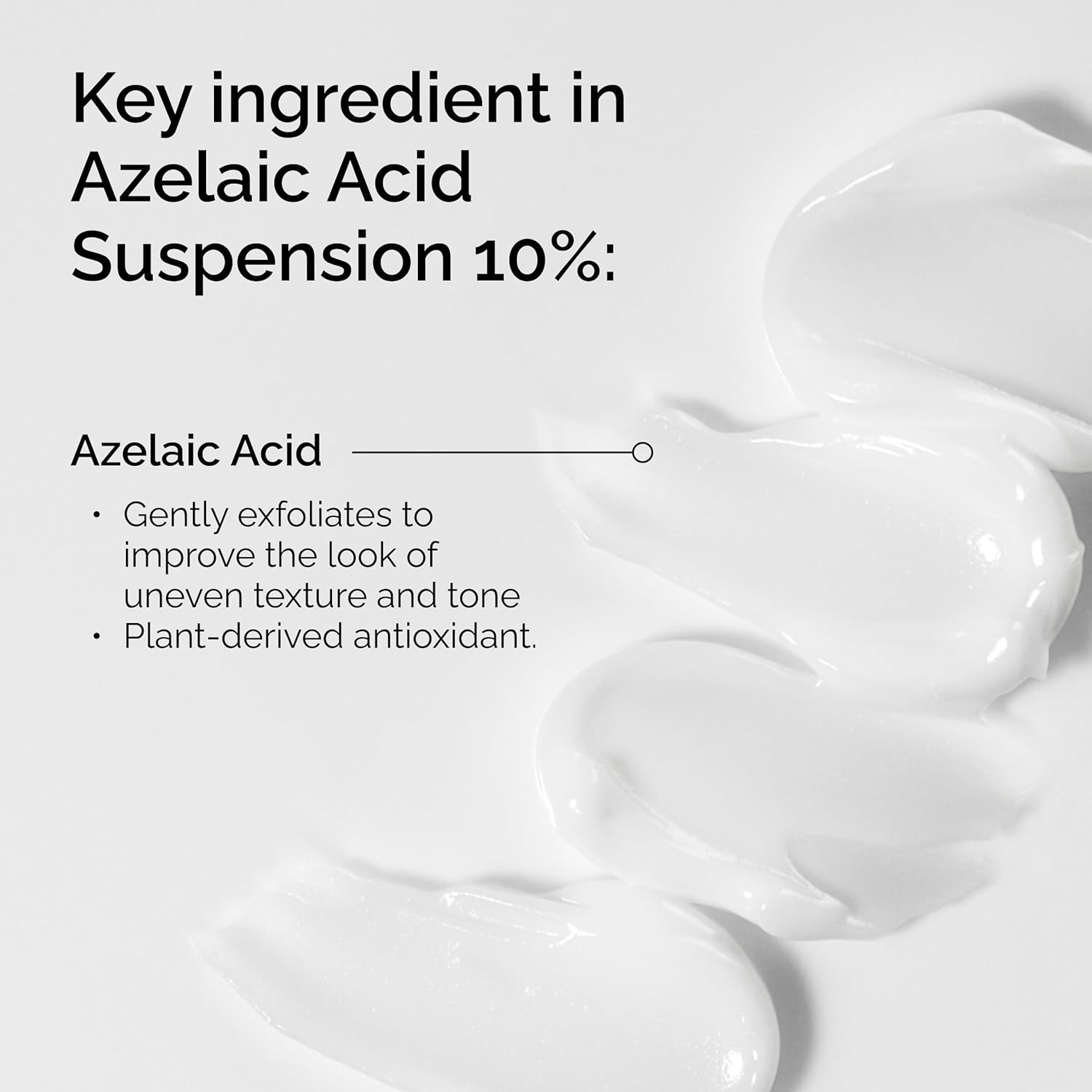
The hero pick — quality of formulation and dose justifying the price.
The standard schedule
Twice daily (most users)
Apply azelaic acid to clean dry skin, morning and night, after lighter serums and before moisturizer. Pea-sized amount for the full face. Wait 60–90 seconds before the next routine step.
- AM: Cleanse → toner (optional) → azelaic acid → moisturizer → SPF 30+
- PM: Cleanse → azelaic acid → moisturizer (no retinoid in the first 4 weeks if using azelaic at full frequency)
Twelve weeks of consistent twice-daily use is the typical reference point for clinical effect — visible reduction in PIH, even-tone improvement, and rosacea redness reduction.
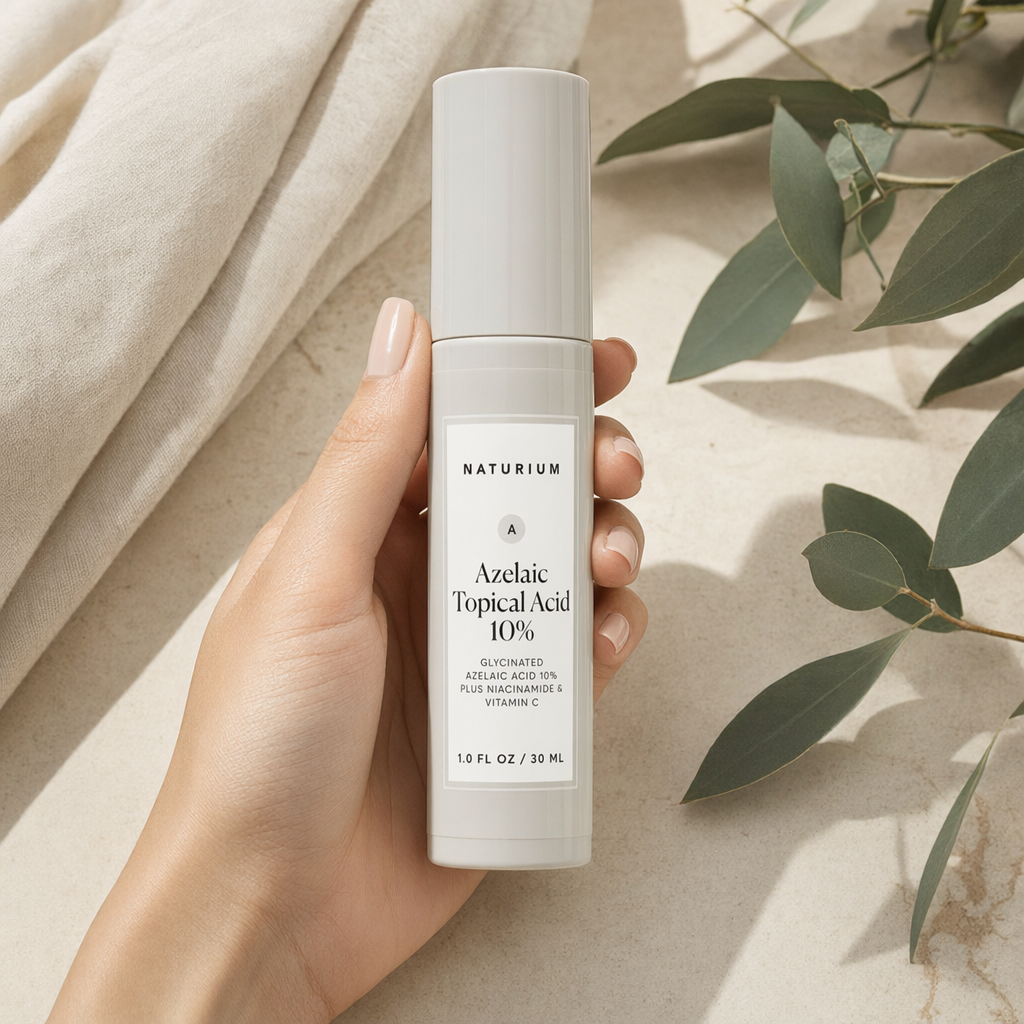
Consistency over twelve weeks is what produces visible results.
Once daily (gentler ramp-up)
If your skin is sensitive or already running multiple actives, start with once daily at night for 2–3 weeks. If well-tolerated, add the AM application. This ramp is slower but reduces irritation risk during the transition.

Budget-tier option from the picks discussed above.
Why azelaic acid does not need a tolerance ramp like retinoid
Retinoid forces cell turnover and can overwhelm the barrier when introduced too fast — hence the standard “start 2x/week, build to nightly” schedule. Azelaic acid works through a different mechanism (anti-inflammatory + selective tyrosinase inhibition) and does not push cell turnover the same way. Side effects are typically mild stinging on first application and rare allergic responses, both of which appear in week one or not at all.
Practical takeaway: if azelaic acid does not irritate your skin in the first 3–4 days, it will not irritate you later either. There is no “slow build” benefit for tolerance the way there is with retinoid.
Signs you need to slow down
- Persistent stinging beyond the first week of use — most users feel a mild tingle on application that fades; persistent stinging suggests another irritant in the formula or barrier compromise from a parallel active.
- Redness or flushing that persists after application — could be the formula vehicle (essential oils, low pH) rather than azelaic itself. Switch to a different formulation.
- Dryness or flaking developing in week 2–3 — usually means too many actives stacked. Drop one and reassess.
- Worsening of existing condition in the first 2 weeks — for rosacea patients especially, azelaic can cause a brief flare before the calming effect kicks in. Push through to week 4 unless severity warrants stopping.
Frequency by skin condition
Acne and post-acne marks (PIH)
Twice daily, paired with niacinamide (AM) and a barrier-supportive moisturizer (PM). Expect 8–12 weeks for visible mark fading.
Rosacea
Twice daily is the standard dermatology recommendation. Effects on flushing reduction appear by week 4; redness reduction by week 8.
Hyperpigmentation (general)
Twice daily, paired with vitamin C in the AM (see our guide) for stacking with vitamin C and SPF 30+ daily.
Pregnancy-safe brightening
Azelaic acid is one of the few brightening actives considered safe during pregnancy. Twice daily, with obstetrician sign-off on the overall routine.
Safe pairings — what to use alongside
- Niacinamide — always compatible, adds anti-inflammatory and barrier-support benefit.
- Hyaluronic acid — apply before azelaic on damp skin.
- Vitamin C — at the other time of day (AM C, PM azelaic) or with a 30-minute wait.
- Retinoid — start by alternating nights (Mon-Wed-Fri retinoid, Tue-Thu-Sat azelaic). Build to nightly retinoid + AM azelaic only when barrier is steady.
- Peptides — pair cleanly, no conflict.
Avoid in the same step: strong AHA/BHA, very low-pH peels, copper peptide serum (no chemical conflict with azelaic, but stacking three actives at once stresses the barrier).
Best azelaic acid products at a glance

Pros
- 10% azelaic acid visibly addresses uneven texture.
- Gentle enough for rosacea-prone skin daily.
- Compatible with morning and evening routines.
Cons
- Suspension texture can feel heavy on oily skin.
- Ingredient list beyond azelaic acid not specified.

Pros
- Watery texture absorbs fast and layers easily
- Combines exfoliation with hydration for sensitive skin
- No artificial fragrance in calming complex
Cons
- Requires gradual introduction starting 1-2 times weekly
- Must pair with daily sunscreen during use
Pros
- Watery texture absorbs fast and layers easily
- Combines exfoliation with hydration for sensitive skin
- No artificial fragrance in calming complex
Cons
- Requires gradual introduction starting 1-2 times weekly
- Must pair with daily sunscreen during use
- Azelaic acid at 10% concentration works to visibly refine bumps and fade post-acne marks without the irritation typical of stronger exfoliants, suited for sensitive and breakout-prone skin.
- Watery, fast-absorbing serum layers under moisturizer morning or night, though daytime use requires diligent sunscreen application since azelaic acid increases photosensitivity.
- Azelaic Acid 10%: helps visibly reduce post-blemish marks and refine uneven texture without irritation.
- Three Hyaluronic Acid Types: deliver lightweight hydration across multiple skin layers for plumping.
- Panthenol: supports skin barrier function and prevents moisture loss during exfoliation.
- Cica and Blue Tansy Oil: provide natural green tint that helps soothe visible redness instantly.

Pros
- High 10% azelaic acid concentration at an accessible price.
- Suitable for sensitive skin with patch-test guidance included.
- Layered actives: niacinamide, vitamin C, and coffee seed extract.
Cons
- Texture and finish not specified in available product data.
- Tolerance-building required, limiting immediate twice-daily use.
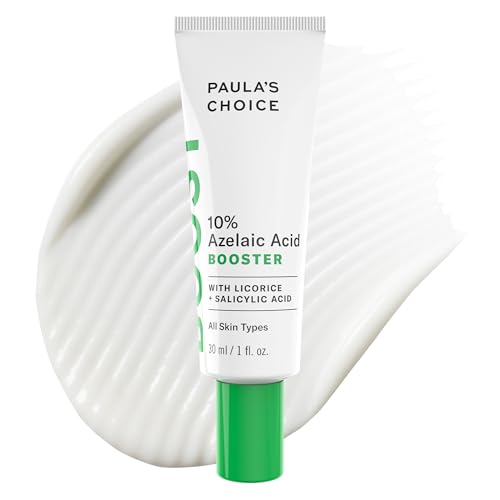
Pros
- Dual actives target both blemishes and discoloration.
- Lightweight, quick-absorbing texture works across skin types.
- Fragrance-free and oil-free, reducing common irritation triggers.
Cons
- Small 1 fl oz size may not last long.
- Salicylic acid content not specified beyond trace mention.
Pros
- Dual actives target both blemishes and discoloration.
- Lightweight, quick-absorbing texture works across skin types.
- Fragrance-free and oil-free, reducing common irritation triggers.
Cons
- Small 1 fl oz size may not last long.
- Salicylic acid content not specified beyond trace mention.
- Azelaic acid at 10% works to visibly reduce redness, fade post-acne marks, and support a more even tone, making this a practical fit for oily, blemish-prone, or uneven skin.
- The oil-free cream-gel texture absorbs quickly with no residue, suits both AM and PM use, and can be blended into a moisturizer or layered alongside benzoyl peroxide treatments.
- Azelaic Acid 10%: Helps visibly reduce blemishes, redness, and post-acne discoloration.
- Salicylic Acid (BHA): Gently exfoliates inside pores to support clearer-looking skin.
- Licorice Extract: Supports a more even skin tone and may improve the appearance of dark spots.

Pros
- Stable 10% azelaic acid concentration for multiple concerns
- Gentle, non-irritating formula suitable for sensitive skin
- Addresses acne, redness, and pigmentation simultaneously
Cons
- No customer reviews available to verify performance claims
- Ingredient list beyond azelaic acid not specified
Pros
- Stable 10% azelaic acid concentration for multiple concerns
- Gentle, non-irritating formula suitable for sensitive skin
- Addresses acne, redness, and pigmentation simultaneously
Cons
- No customer reviews available to verify performance claims
- Ingredient list beyond azelaic acid not specified
- The 10% azelaic acid concentration helps unclog pores, supports sebum regulation, and may visibly reduce the appearance of post-acne marks on normal to oily skin types.
- Gel-cream texture absorbs without heavy residue, suitable for AM or PM use, and pairs well with hydrating serums on dry or sensitive skin.
- Azelaic Acid 10%: helps visibly reduce acne, supports pore clarity, and may improve the appearance of pigmentation and redness.
Frequently asked questions
Can I use azelaic acid every day forever?
Yes. There is no documented benefit to cycling off. Azelaic acid is a maintenance active — the calming and brightening effects sustain with continued use and gradually fade if discontinued.
What strength should I use?
Over-the-counter azelaic acid is typically 10%. Prescription strength is 15–20%. For most users, 10% twice daily delivers good results. Move to prescription strength only with dermatologist guidance — usually for moderate-to-severe rosacea or stubborn PIH.
Should I use it morning or night if I have to choose one?
Night, by a slight margin. The anti-inflammatory action works overnight without competing with sun exposure. If you can only do one application per day, do it PM.
Does azelaic acid make skin photosensitive?
No. Unlike retinoid or AHA, azelaic does not increase UV sensitivity. SPF is still required because everyone needs SPF, but not as an extra precaution for this active.
Can I use it during pregnancy?
Yes. Azelaic acid is one of the few brightening actives considered safe during pregnancy by most obstetricians. Still, consult your OB on your full routine.
Authoritative sources
Primary research and dermatology guidance on azelaic acid use frequency:
- Azelaic acid — Wikipedia on dosage and indications
- AAD — rosacea treatment guidelines (azelaic acid is a first-line option)
- AAD — adult acne treatment, including azelaic acid
- NIH PubMed Central — review of azelaic acid mechanisms and dosing
- NIH PubMed Central — azelaic acid in pigmentary disorders
- FDA — cosmetic vs drug claim framework





Write Your Review
No reviews yet. Be the first to share your experience!