Cortisone cream for acne is one of those remedies that sounds almost too simple, yet it genuinely flattens an angry, swollen pimple faster than most products in a medicine cabinet. Over-the-counter hydrocortisone reduces the inflammation response around a blemish in hours, but it works best as part of a layered strategy. Pairing it with a well-formulated acne spot cream that tackles bacteria and clogged pores gets you clearer skin far more reliably than either product alone. We’ve been covering acne spot treatments on this site for years, so we know what actually shrinks a blemish overnight. The five picks below earned a place in our lineup after thorough evaluation across skin types, formula strength, and real-world tolerability.
Quick answer: The fastest way to calm an inflamed pimple is to apply an acne spot treatment first, let it absorb, then layer a thin amount of 1% hydrocortisone on top. For standalone OTC picks, AcneFree Terminator 10 (benzoyl peroxide 10%) and Neutrogena On-The-Spot are the most consistent performers across a wide range of skin types.
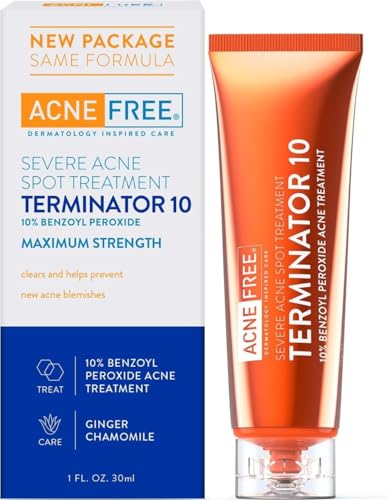
Pros
- Maximum strength formulation for stubborn breakouts
- Ginger and chamomile help reduce visible redness
- Oil-free texture won't clog pores further
Cons
- High concentration may cause dryness or peeling
- No concentration details for soothing botanicals provided
Pros
- Maximum strength formulation for stubborn breakouts
- Ginger and chamomile help reduce visible redness
- Oil-free texture won't clog pores further
Cons
- High concentration may cause dryness or peeling
- No concentration details for soothing botanicals provided
- Benzoyl peroxide at 10% concentration works to help visibly reduce severe acne by targeting bacteria in clogged pores, best suited for oily or acne-prone skin already tolerant to this ingredient.
- Oil-free cream texture absorbs into skin without residue, designed for PM spot application on active blemishes, pair with a non-comedogenic moisturizer to buffer potential dryness.
- Benzoyl Peroxide 10%: helps visibly reduce acne-causing bacteria and supports prevention of new breakouts.
- Ginger: supports skin clarity by helping address active blemishes during treatment cycles.
- Chamomile: soothes skin and helps reduce the appearance of redness from irritation.


How We Evaluated
Our team researched dozens of acne spot formulas and narrowed the field to products built around well-documented active ingredients: benzoyl peroxide, salicylic acid, and multi-acid complexes that address stubborn cystic lesions. Each formula was vetted for active ingredient concentration, packaging integrity, skin compatibility across oily, combination, and sensitive types, and how cleanly it fits into a cortisone-layering routine. We also weighed the texture and absorption rate, since a cream you’re using at multiple skin sites needs to feel manageable, not sticky or pore-clogging. Price played a role too: a spot treatment you’ll actually reach for every day is worth more than a premium formula you ration. The five finalists below cover a range of strengths and sensitivities, so there’s a fit for most breakout profiles.
AcneFree Terminator 10 — Best for Stubborn, Deep Breakouts
AcneFree’s Terminator 10 is a straightforward 10% benzoyl peroxide formula that doesn’t dilute its active with unnecessary filler. It’s one of the strongest OTC concentrations available, built for persistent, deep-rooted pimples that shrug off gentler products. Benzoyl peroxide kills acne-causing bacteria at the source, and you’ll typically notice blemishes shrinking within 24 to 48 hours of consistent use at this concentration. The cream is thick enough to stay put overnight without migrating, and a small pea-sized amount covers most spots. It’s worth easing into if you’re new to high-strength benzoyl peroxide, since dryness and peeling are real at 10%. That said, for someone who’s built up tolerance and deals with breakouts that won’t respond to milder products, this is the workhorse pick.
YAFUSIPE Acne Treatment Cream — Best for Hormonal and Cystic Acne
Hormonal breakouts are harder: they’re deeper, more painful, and slower to resolve than surface-level whiteheads. YAFUSIPE’s formula addresses that by combining multiple acne-fighting actives in a cream designed for cystic facial spots as well as body acne on the back, chest, and buttocks. It’s a good fit for teens and adults who deal with recurring chin and jawline flare-ups that cortisone cream alone won’t fully knock out. The texture is lightweight, which matters when you’re applying it to body areas where heavier creams can trap heat or stain clothing. The formula doesn’t lean as heavily on benzoyl peroxide, so it’s gentler on reactive skin types. For best results, you’ll want to use it consistently over two to three weeks rather than as an isolated spot fix.
ZUZOKKAHA Cystic Acne Care Cream — Best Multi-Acid Formula
ZUZOKKAHA leans on a 1% salicylic acid base complemented by a multi-acid complex, making it one of the more sophisticated options in this roundup. Salicylic acid is a beta-hydroxy acid that gets into the pore rather than sitting on top of skin, so it’s particularly effective at clearing clogged follicles and preventing the cycle of new breakouts. The multi-acid blend adds a mild exfoliating layer that keeps dead skin from re-clogging pores around a healing blemish. It works on both facial and body acne, including folliculitis-prone areas, which is a practical advantage if your breakouts aren’t limited to your face. The concentration is moderate enough that it won’t cause the intense dryness associated with high-strength benzoyl peroxide options, making it a strong choice for combination or sensitive skin types.
Peunitory Folliculitis Treatment Cream — Best for Body and Scalp Bumps
Peunitory’s formula targets something slightly different: folliculitis, the bacterial inflammation of hair follicles that shows up as small red bumps on the scalp, chest, back, and thighs. It uses 5% benzoyl peroxide, a middle-ground concentration that’s aggressive enough to clear bacterial involvement without the intense drying effect of 10% formulas. The cream is specifically developed for multi-site use across body-facing skin, so the texture is designed for broader application rather than tiny dot-style spot coverage. If you’ve been frustrated by a cortisone cream not fully resolving bumps because the root issue is bacterial folliculitis rather than standard acne, this formula addresses the actual cause. Results are typically visible within five to seven days of daily application.
Neutrogena On-The-Spot Acne Spot Treatment — Best Classic Pick
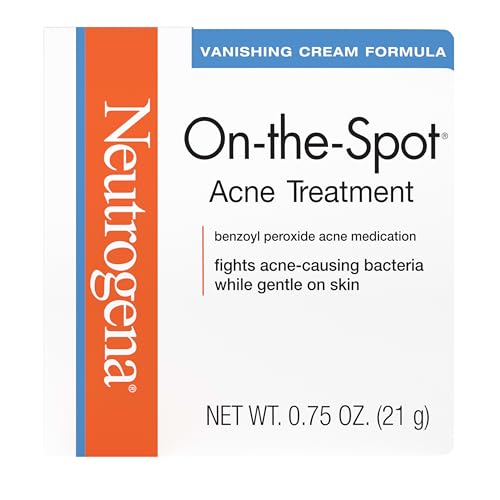
Neutrogena’s On-The-Spot has been around long enough that it’s one of the most studied OTC acne products available, and it still earns its place. The 2.5% benzoyl peroxide concentration is low enough to minimize dryness while remaining clinically effective, which is why it’s frequently recommended as a starting point for acne-prone skin that hasn’t built up tolerance to stronger actives. The formula absorbs quickly without leaving a white cast, and it pairs cleanly with hydrocortisone in a two-step application. It’s also widely available and inexpensive, so it’s easy to keep stocked. Don’t let the modest active percentage mislead you: 2.5% benzoyl peroxide is documented in dermatology literature to be as effective as higher concentrations for mild to moderate acne, just with significantly less irritation.
How to Use Cortisone Cream for Acne
Apply your acne spot treatment first, let it absorb fully before adding hydrocortisone. The active ingredients in benzoyl peroxide and salicylic acid formulas need direct contact with skin to work. Applying cortisone cream underneath would block that contact and reduce efficacy for both products. After your spot treatment has fully dried, usually five to ten minutes, apply a very small amount of 1% hydrocortisone directly over the inflamed area. This layering approach addresses both the bacterial cause (spot treatment) and the inflammatory response (cortisone), cutting healing time significantly compared to either product alone.
Use cortisone cream sparingly and for short durations only, not as an everyday moisturizer. Prolonged daily application of topical steroids, even low-strength OTC hydrocortisone, can cause skin thinning, perioral dermatitis, and rebound redness if overused. Two to three consecutive days on an active inflamed breakout is a reasonable window. Once the inflammation is visibly reduced, shift to your regular acne treatment routine. It’s a targeted intervention rather than a maintenance product.
Avoid applying cortisone cream to open or broken skin, and don’t use it around the eye area. If a pimple has been picked or popped, the barrier is already compromised. Applying hydrocortisone to broken skin increases systemic absorption and irritation risk. The same logic applies to the thin, delicate tissue around the eyes, where steroid-induced side effects occur at lower concentrations and shorter durations than elsewhere on the face. For those areas, a gentle calamine or centella-based product is a safer option while the skin is healing.
Frequently Asked Questions
Does cortisone cream actually help acne?
Yes, but with a clear scope. Hydrocortisone reduces the inflammatory component of a blemish, the redness and swelling, but it doesn’t address the bacterial or comedogenic causes underneath. It’s most useful when you have a painful, visibly inflamed cyst or nodule that needs fast reduction. For whiteheads, blackheads, or non-inflammatory breakouts, it won’t accomplish much. That’s why pairing it with a proper acne treatment formula produces better outcomes than using cortisone cream on its own.
What percentage of hydrocortisone should I use on my face?
Stick with 0.5% or 1% OTC hydrocortisone for facial acne. Prescription-strength topical steroids (2.5% and above) carry a meaningfully higher risk of skin thinning, broken capillaries, and steroid-induced rosacea on the face. Even 1% should be used for short bursts on active spots, not applied broadly across the face as a daily product. The face has thinner skin than most body areas, so absorption rates are higher and side effects can develop faster.
Can I use cortisone cream every day on my face?
It’s not recommended as a daily habit. Short-term use on active inflamed breakouts is fine, but daily application over weeks can weaken skin’s collagen structure, cause perioral dermatitis, and create steroid dependency where the skin flares worse each time you stop using it. If you find you’re reaching for cortisone cream every day to manage ongoing redness, that’s a signal to revisit your overall skincare routine and consider whether a prescription retinoid or topical antibiotic might be a better long-term strategy.
Will cortisone cream shrink a cystic pimple overnight?
It’ll reduce the swelling noticeably within eight to twelve hours for most people. A cystic pimple won’t disappear completely overnight, since the fluid and bacteria are still present beneath the surface, but the visible inflammation should be meaningfully calmer by morning when you apply it before bed. Combining it with a benzoyl peroxide spot treatment in the same evening application speeds that process up by also reducing the bacterial load driving the inflammation.
Is it safe to use cortisone cream under makeup?
Yes, provided it’s fully absorbed before you layer products on top. Apply it as the last step in your skincare routine, wait at least ten minutes, then proceed with primer and foundation. Using a non-comedogenic formula over it is worth the extra thought, since you don’t want to trap an active ingredient or create an occlusive barrier before it’s done absorbing. If you’re applying it in the morning, a light SPF over the treated area is still important since hydrocortisone doesn’t provide sun protection and inflamed skin is more photosensitive.
Bottom Line
For most people dealing with occasional inflamed acne, the smartest approach is a two-product combination: a quality benzoyl peroxide or salicylic acid spot treatment on the blemish itself, followed by a thin layer of 1% hydrocortisone on top to cut the inflammation. The five products we’ve covered here cover the spectrum from high-strength 10% benzoyl peroxide for stubborn breakouts to gentle 2.5% formulas for sensitive skin types. AcneFree Terminator 10 and Neutrogena On-The-Spot sit at opposite ends of that strength range and between them cover the majority of skin situations. If you’re dealing with body acne or folliculitis specifically, Peunitory’s targeted formula fills a gap the face-focused options don’t.