If your skin flares up with dry, itchy patches, niacinamide has probably crossed your radar. It’s a form of vitamin B3 that helps strengthen the skin barrier, calm redness, and lock in moisture, which is exactly what irritated, eczema-prone skin craves. The tricky part is picking a product that actually delivers a meaningful dose without a laundry list of triggers. We looked at creams, washes, serums, and even a supplement to cover the ways people fold this ingredient into a routine. Below you’ll find five options that lean on gentle, well-researched formulas. If you’re new to layering actives, our guide to building a calm skincare routine pairs nicely with everything here.
Quick answer: For most eczema-prone skin, a niacinamide-rich moisturizer that also repairs the barrier works best. The Ocean Healed My Eczema cream is our top overall pick, while La Roche-Posay Lipikar AP+ wash and Nécessaire’s Body Serum cover cleansing and lightweight daily hydration.



How We Evaluated These Niacinamide Picks
We didn’t just chase the highest percentage on the label. Eczema skin reacts to more than one active, so we weighed the full formula: humectants like glycerin and hyaluronic acid, occlusives that seal moisture, and whether fragrance or common irritants showed up in the ingredient list. We favored products with fragrance-free or low-fragrance builds, since scent is a frequent flare trigger. We also considered texture and how each one fits into real life, because a cream you won’t reapply won’t help you. National Eczema Association guidance and dermatologist commentary informed which supporting ingredients we prioritized. Price and value mattered too, so you’re not overpaying for marketing. Always try a small amount first on a calm patch of skin before going all in.
The Ocean Healed My Eczema Cream — Best For Overall Barrier Repair
This cream earns the top spot because it treats eczema as a barrier problem, not just an itch to mute. The formula blends sea minerals with soothing botanicals to hydrate and nourish flaky, reactive skin, and it spreads into a rich but non-greasy layer that holds up through the day. People dealing with both eczema and psoriasis patches tend to like that it’s built for stubborn, thickened skin rather than mild dryness. It’s fragrance-conscious, which keeps the risk of a scent-driven flare low. The trade-off is that the thicker texture can feel heavy on oily zones, so you’ll want to use less on the face. For elbows, knees, hands, and other rough spots, it’s a dependable daily anchor that leaves skin feeling calmer within a couple of uses.
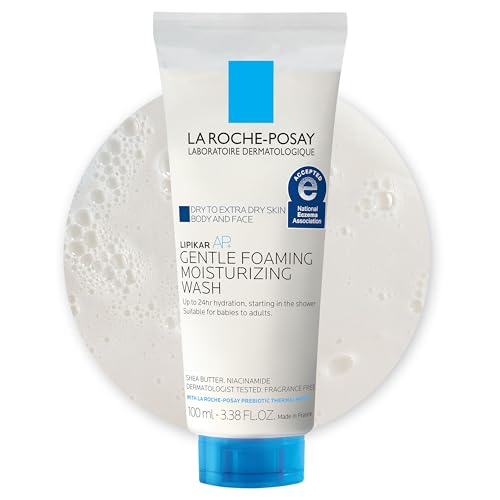
La Roche-Posay Lipikar AP+ Wash — Best For Sensitive Cleansing
Cleansing is where a lot of eczema routines quietly fall apart, since harsh surfactants strip the barrier you’re trying to protect. This gentle body wash sidesteps that with a soap-free, low-foaming base that respects the skin’s microbiome. It leaves a light conditioning film so your skin doesn’t feel tight or squeaky after a shower, and the fragrance-free version keeps irritation low. The 3.38oz size shown is travel-friendly, though heavy daily users will burn through it fast and may prefer the larger bottle. Dermatologists frequently point to the AP+ line for reactive skin, and it’s a smart first step before you layer on serums or creams. Think of it as prepping a clean, calm canvas rather than a spot treatment on its own.
Nécessaire The Body Serum — Best For Lightweight Daily Hydration
If heavy creams feel like too much, this fragrance-free serum is a breezier way to work niacinamide and hyaluronic acid into your day. It absorbs fast, layers cleanly under other products, and doesn’t leave that tacky residue that makes you skip reapplication. The hyaluronic acid pulls in water while niacinamide helps quiet redness and reinforce the barrier over time. Because it’s a serum rather than a rich balm, very dry or cracked eczema will still want an occlusive cream on top to seal everything in. For maintenance days, warmer months, or anyone who hates a greasy finish, it hits a nice balance. The clean, minimalist formula also makes it easy to slot in without clashing with the rest of your routine.
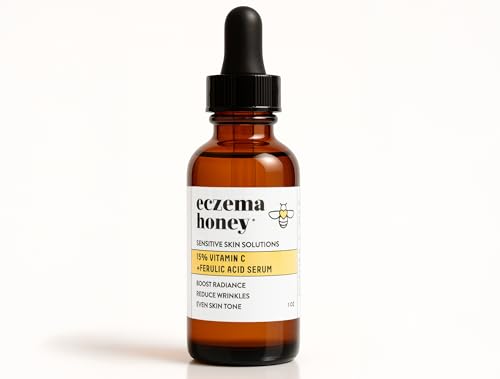
ECZEMA HONEY 15% Vitamin C Serum — Best For Brightening Dark Spots
Old flare-ups love to leave behind stubborn dark marks, and that’s where this vitamin C and ferulic acid serum comes in. The 15% vitamin C works to fade post-inflammatory hyperpigmentation and even out tone, while ferulic acid adds antioxidant support and helps stabilize the formula. It’s aimed at the aftermath of eczema rather than an active, angry flare, so timing matters. Vitamin C can sting compromised skin, so hold off during a bad breakout and reintroduce it once things settle. Once your barrier is calm, it’s a solid way to reclaim brightness that eczema stole. Start slow, maybe every other day, and pair it with sunscreen since vitamin C routines and daylight go hand in hand.
PHENBEN Eczema Relief Pill — Best For Inside-Out Support
Not every eczema fix lives in a jar, and this supplement takes the topical pressure off by working from the inside. It’s formulated with dermatologist-trusted ingredients aimed at itchy, dry, red skin, and it’s an option worth a look when creams alone aren’t cutting it. Because it’s an oral supplement, results build gradually rather than overnight, and consistency is what makes the difference. This is the one pick here you’ll want to run past your doctor first, especially if you take other medications or have underlying conditions. Used alongside a good moisturizer and gentle wash, it rounds out a more complete approach. Manage expectations, give it a few weeks, and treat it as a supporting player rather than a standalone cure.
How to Choose and Use Niacinamide for Eczema
Start with your barrier, not the actives. Before you chase brightening serums or high percentages, make sure your daily wash and moisturizer aren’t stripping your skin. A gentle, fragrance-free cleanser plus a rich barrier cream forms the foundation. Once that’s steady, niacinamide has something healthy to build on, and everything else you add works better and irritates less.
Introduce one product at a time. Piling on multiple new actives at once makes it impossible to tell what’s helping and what’s causing a flare. Add a single item, give it a week or two, and try a small amount first on a calm patch of skin. If your skin stays happy, you’ll know it’s safe to keep going. This slow approach saves you money and a lot of guessing.
Match strength and texture to the moment. During an active flare, keep it simple with soothing, low-irritant hydration and skip strong acids or vitamin C. When your skin calms down, that’s the window to reintroduce brightening or exfoliating steps. Reach for thicker creams in winter and lighter serums in humid heat, and don’t be afraid to adjust as seasons and stress levels shift.
Frequently Asked Questions
Is niacinamide good for eczema?
Yes, for many people it’s a helpful ingredient. Niacinamide supports the skin barrier, helps skin hold onto moisture, and can calm the redness and irritation that come with eczema. It’s generally well tolerated, even by sensitive skin, which is why it shows up in so many gentle formulas. It won’t cure eczema, but as part of a barrier-focused routine it can make flares less frequent and less intense. Start slow and see how your skin responds.
What percentage of niacinamide is best for eczema?
Most people do well with formulas in the 2% to 5% range, which is plenty to see barrier and soothing benefits without pushing your skin toward irritation. Higher concentrations aren’t automatically better and can occasionally cause flushing or stinging on reactive skin. The rest of the formula matters just as much, so a well-built 4% product usually beats a bare-bones 10% one. If you’re unsure, err on the lower side and work up gradually.
Can I use niacinamide during an active eczema flare?
Generally yes, since niacinamide is one of the gentler actives out there and it targets exactly the barrier issues driving a flare. That said, keep your routine minimal during a bad stretch and lean on soothing, fragrance-free hydration. Skip stronger actives like high-dose vitamin C or exfoliating acids until things calm down. If a product ever stings or worsens the flare, stop and give your skin a break. When in doubt, check with your dermatologist.
How long does niacinamide take to work on eczema?
Give it time. Some people notice less redness and better comfort within a week or two, but meaningful barrier repair usually takes four to eight weeks of consistent use. Eczema is a long game, so daily consistency matters more than any single product. Track how your skin feels over a month rather than judging it after a few days. If you’ve seen zero improvement after a couple of months, it’s worth revisiting your whole routine.
Can I combine niacinamide with other ingredients?
Absolutely, and it plays well with most things. Niacinamide pairs beautifully with hyaluronic acid, ceramides, and gentle moisturizers, and it can even buffer the sting of stronger actives. The old myth that it cancels out vitamin C has largely been debunked for everyday formulas. The main rule for eczema skin is to add ingredients one at a time so you can spot any troublemakers. When your barrier is calm, layering becomes a lot more forgiving.
Bottom Line
Niacinamide isn’t a miracle, but it’s one of the smartest, gentlest tools for eczema-prone skin, and it fits into almost any routine. Start by protecting your barrier with a soothing wash and a rich repair cream, then layer in serums or brightening steps once your skin settles. The Ocean Healed My Eczema cream is our overall pick for stubborn, reactive patches, while La Roche-Posay and Nécessaire cover cleansing and lightweight days. If topicals alone fall short, a supplement like PHENBEN can round things out with your doctor’s sign-off. Go slow, stay consistent, and your skin will thank you.