Melasma is stubborn, and if you’ve watched brown patches creep across your cheeks or forehead you already know quick fixes rarely stick. Niacinamide has become a go-to because it calms inflammation, supports the skin barrier, and slows how pigment travels to the surface. Paired with brighteners like tranexamic acid, arbutin, or vitamin C, it can gradually fade discoloration without the sting of harsher acids. We pulled together five niacinamide-forward formulas that shoppers actually reach for when melasma is the main concern. Whether you want a lightweight serum or a richer cream, there’s an option here for your routine. For broader context on ingredient layering, see our guide to building a brightening skincare routine.
Quick answer: For melasma, niacinamide works best alongside proven brighteners. The SEONGLOW serum leads with a 10% niacinamide plus tranexamic acid blend, while Cos De BAHA keeps things gentle for reactive skin. Consistency and daily sunscreen matter more than any single bottle.



How We Evaluated These Niacinamide Picks
We focused on formulas where niacinamide isn’t just a token addition but a headline ingredient, then looked at the supporting cast. Melasma responds to pigment-inhibiting partners, so we prioritized products pairing niacinamide with tranexamic acid, arbutin, vitamin C, or retinol. We read through hundreds of verified buyer reviews to gauge real-world fading over weeks, not overnight promises. Texture and layering mattered too, since a serum you’ll skip because it pills under sunscreen won’t help. We also weighed value, checking whether the concentration justified the price and whether the bottle lasts a reasonable stretch. Finally, we flagged anything likely to irritate, because melasma often worsens when the barrier is inflamed. None of these picks are a substitute for a dermatologist’s plan, but they’re solid starting points.
SEONGLOW Dark Spot Corrector Serum — Best For Layered Brightening
The SEONGLOW serum stacks 10% niacinamide with 3% tranexamic acid, 2% vitamin C, and 2% arbutin, which makes it the most ambitious multi-brightener on this list. That combination hits melasma from several angles at once: niacinamide dials down pigment transfer, tranexamic acid targets the vascular and hormonal drivers, and arbutin plus vitamin C chip away at existing spots. Reviewers with sun-triggered patches tend to notice softening over four to six weeks of daily use. The trade-off is that layering this many actives can feel like a lot for very sensitive skin, so introducing it slowly is smart. The lightweight texture absorbs cleanly under moisturizer, and it doesn’t leave a sticky film. If you want one serum doing the heavy lifting, this is a strong anchor.
Cos De BAHA Arbutin 5% Serum — Best For Sensitive Skin
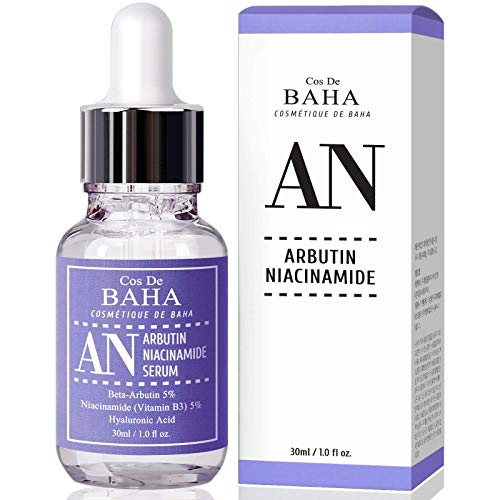
Cos De BAHA keeps its formula refreshingly simple, pairing 5% arbutin with 5% niacinamide and little else to provoke reactive complexions. That restraint is the point. If richer serums have left you flushed or breaking out, this pared-back approach lets you brighten without overwhelming the barrier. Buyers repeatedly praise how gentle it feels, and many use it as an entry point before graduating to stronger actives. The fading is gradual rather than dramatic, so patience helps here. It’s also budget-friendly, which makes it easy to commit to the months melasma really demands. The runny consistency spreads thin and plays well with other products in a routine. For folks who react to fragrance or heavy formulas, this is the low-drama pick that quietly does its job.
ABERA Niacinamide Melasma Cream — Best For Dry Complexions
Unlike the serums here, ABERA delivers its niacinamide in a richer cream base built specifically around melasma and stubborn dark spots. That format suits anyone whose skin runs dry or feels tight after a thin serum, since the cream cushions while it works. The niacinamide addresses uneven tone and supports the barrier, and reviewers with age spots and sun damage report a smoother, more even surface over time. Because it’s a cream, it doubles as a moisturizer step, which can simplify a routine down to fewer bottles. The heavier texture won’t suit oily or acne-prone skin as well, so keep that in mind. If your melasma comes with dryness or you simply prefer a nourishing feel, ABERA folds treatment and hydration into one comfortable step.
SOME BY MI Yuja Niacin Serum — Best For K-Beauty Fans
SOME BY MI brings a Korean-beauty sensibility with its Yuja Niacin serum, combining 10% niacinamide with vitamin C from yuja citrus extract in a compact 50ml bottle. The formula leans brightening and clarifying, so it appeals to people juggling melasma alongside occasional blemishes or dullness. Fans of the K-beauty aesthetic appreciate the fresh citrus scent and the way it layers seamlessly under essences and moisturizers. Reviewers note a general glow-up in radiance, with dark spots gradually looking less pronounced. The scent might not suit everyone, and the smaller size means it won’t stretch as far as bulkier bottles. Still, if you enjoy a multi-step routine and want a niacinamide serum that feels light and bright, this one slots in nicely and doesn’t fight your other products.
HANYWIL Dark Spot Remover Serum — Best For Face And Body
HANYWIL widens the scope by formulating a niacinamide serum with retinol that’s meant for both face and body, so it’s handy if melasma or sun spots show up on your neck, chest, or hands too. The retinol addition speeds cell turnover, which can accelerate how quickly discoloration fades, while niacinamide keeps irritation in check. That pairing makes it one of the more active-forward picks here, so nightly use with sunscreen the next day is non-negotiable. Buyers dealing with age spots and sun-related darkening like the versatility of one bottle covering multiple zones. Retinol newcomers should ease in every other night to avoid flaking. If you want something that tackles pigment beyond just your face, HANYWIL’s dual-purpose design is genuinely convenient and cost-effective.
How to Use Niacinamide for Melasma
Pair niacinamide with proven brighteners. Niacinamide alone helps, but it shines when combined with tranexamic acid, arbutin, or vitamin C. These partners attack pigment through different pathways, so a blended formula usually outperforms a single-ingredient one. Look at the label and favor products where niacinamide sits near the top and a second brightener backs it up. That’s why several picks here layer multiple actives rather than relying on niacinamide to do everything by itself.
Commit to daily sunscreen. This is the step that makes or breaks melasma progress. UV and even visible light reactivate pigment cells, so all your fading work unravels without protection. Apply a broad-spectrum SPF 30 or higher every morning, reapply through the day, and consider a tinted mineral formula since iron oxides shield against the visible light that worsens melasma. No serum can outpace unprotected sun exposure, so treat sunscreen as non-negotiable.
Go slow and stay consistent. Melasma fades over months, not days, and pushing too many strong actives at once often backfires with irritation that makes patches darker. Introduce one product at a time, try a small amount first on your jaw, and build frequency gradually. Once your skin adjusts, daily use is what drives results. Track your progress with monthly photos in the same lighting, since day-to-day changes are too subtle to notice otherwise.
Frequently Asked Questions
Does niacinamide really fade melasma?
Niacinamide can help fade melasma, though it’s usually a supporting player rather than a solo cure. It reduces the transfer of pigment to skin cells and calms the inflammation that often drives melasma flares. Research suggests it works best alongside brighteners like tranexamic acid or arbutin and, critically, daily sun protection. Expect gradual improvement over several weeks to a few months rather than overnight change. For deep or hormonal melasma, pairing it with a dermatologist’s plan gives you the best odds.
How long until I see results?
Most people start noticing subtle changes around four to eight weeks of consistent daily use, with more meaningful fading by the three-month mark. Melasma is deep-seated, so it responds slowly, and skipping days resets your momentum. Taking monthly photos in consistent lighting helps you spot progress that’s too gradual to catch day to day. If you don’t see any improvement after twelve weeks of faithful use plus sunscreen, it’s worth checking with a dermatologist about prescription options.
Can I use niacinamide with vitamin C?
Yes, you can use niacinamide with vitamin C, and the old myth that they cancel each other out has been debunked. Many modern formulas, including a couple on this list, deliberately blend the two because they complement each other for brightening. If you prefer separate products, you can apply them in the same routine or split them between morning and night. Some very sensitive skin types find the combination a bit much, so if you notice flushing, try alternating days instead.
Is niacinamide or tranexamic acid better for melasma?
They’re not really competitors, they’re teammates. Tranexamic acid is one of the more targeted ingredients for melasma specifically, addressing both the hormonal and vascular triggers behind those patches. Niacinamide supports the barrier and reduces pigment transfer while keeping irritation low. The strongest formulas, like the SEONGLOW serum here, combine both so you get complementary action. If you had to choose one, tranexamic acid edges ahead for melasma alone, but you’ll typically see better results using them together.
Will niacinamide irritate my skin?
Niacinamide is one of the gentler brightening actives, which is a big reason it’s so popular for melasma-prone skin that’s easily inflamed. Most people tolerate it well even at 10%, though a small number notice mild flushing at higher concentrations. If your skin is reactive, start with a lower-strength formula like the Cos De BAHA option and try a small amount first on your jawline. Introduce it every other day, then increase as your skin adjusts. Irritation usually points to layering too much too fast rather than the niacinamide itself.
Bottom Line
Niacinamide won’t erase melasma on its own, but as part of a smart routine it’s one of the most reliable, low-irritation ways to nudge those patches lighter. The SEONGLOW serum is our top all-rounder thanks to its layered brightening blend, while Cos De BAHA is the safe bet for sensitive skin and ABERA suits drier complexions that want a richer cream. Whichever you pick, the real secret is consistency plus diligent daily sunscreen, since unprotected sun undoes everything. Give any of these a few months, track your progress, and loop in a dermatologist if your melasma runs deep. Steady effort beats a magic bottle every time.