

Nicotinic acid and niacinamide sound almost identical, and both are forms of vitamin B3, but they behave differently once they reach your skin or scalp. Nicotinic acid (niacin) can trigger flushing and widen blood vessels, while niacinamide stays calm and focuses on barrier repair, oil control, and fading dark spots. If you’ve stared at two labels wondering which one your routine actually needs, you’re not alone. We pulled together five standout products that showcase both molecules, from scalp serums to oral capsules to classic face serums. For more on layering actives safely, see our vitamin B3 skincare guide. Here’s how they stack up so you can pick with confidence.
Quick answer: Niacinamide is the gentle, flush-free form most people want for oily skin, pores, and dark spots. Nicotinic acid is better for boosting circulation, which is why it shows up in scalp and hair products. If your goal is calm, everyday skincare, reach for niacinamide first.


How We Evaluated These Vitamin B3 Products
We didn’t just grab the first serums with “niacinamide” on the label. We looked for a mix that shows what both forms of B3 can actually do, so this list spans a scalp treatment, an oral capsule, and three face serums at different strengths. For each pick, we researched the active percentage, the supporting ingredients, and who the formula is really built for. Concentration mattered a lot here, since 5% suits sensitive users while 12% leans toward oily, resilient skin. We also weighed texture, added hydrators like hyaluronic acid, and whether the flush-free claim held up for the nicotinic-acid options. Real customer feedback and ingredient transparency rounded out our vetting, because a clean label means little if the results don’t show. Here’s what earned a spot.
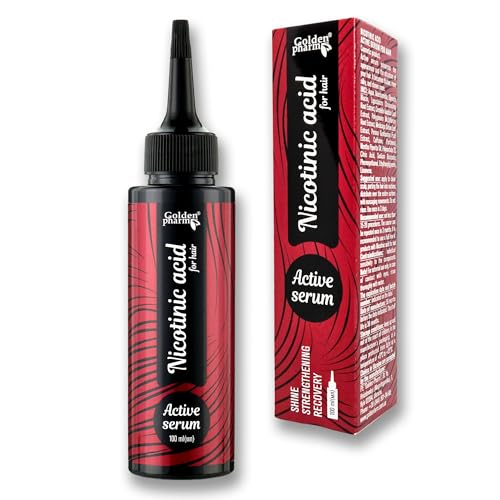
Golden Pharm Nicotinic Acid and Niacinamide Scalp Serum — Best For Thinning Hair
This is the rare product that puts both forms of B3 to work on your scalp instead of your face. The thermo-active formula creates a gentle warming sensation that helps drive the actives into the follicle, and that’s where nicotinic acid earns its keep: it encourages circulation to the roots, while niacinamide supports a healthier scalp environment. It’s aimed squarely at fine or thinning hair, so if fullness is your goal, this is a smart, targeted choice. The tradeoff is patience. Like most hair treatments, it needs consistent daily use over weeks before you’ll notice a difference, and the warming feel isn’t for everyone. Try a small amount first if your scalp runs sensitive. Still, for a dual-B3 approach to thickening, it’s genuinely uncommon.
biophix Nicotinamide Hyaluronate 600 mg — Best For Flush-Free Oral Support
If topical serums aren’t cutting it, this capsule takes B3 the internal route. Each 600 mg dose pairs a natural flush-free form of nicotinic amide with hyaluronic acid, so you get vitamin B3 support without the hot, red skin that plain niacin can cause. It’s gluten-free too, which helps if you’re picky about supplement fillers. The flush-free design is the standout here, since that flushing reaction is exactly what scares people away from oral niacin. The catch is obvious: this is a supplement, not a serum, so it won’t spot-treat pores or dark marks the way a topical will. It’s also worth a quick chat with your doctor before adding any B3 capsule, especially if you take other medications. For inside-out support, though, it’s a thoughtful option.
Minimalist 5% Niacinamide Face Serum — Best For Acne-Prone Skin
Minimalist built this serum around a sensible 5% niacinamide dose plus hyaluronic acid, and that combo is a great starting point for anyone fighting blemishes, acne marks, and enlarged pores. The 5% strength is high enough to help regulate oil and fade post-blemish discoloration, yet low enough that most skin tolerates it without fuss. The added hyaluronic acid keeps things hydrated, so you’re not trading breakouts for dryness. Fans love how lightweight and no-frills it feels under moisturizer or makeup. If your skin is very oily or your marks are stubborn, you might eventually want more punch than 5% delivers, but as a gentle daily workhorse for acne-prone skin, it’s hard to beat the value.
Eva Naturals Niacinamide 12% Serum — Best For Oily Skin
When 5% just isn’t doing enough, Eva Naturals brings the heavy artillery: a 12% niacinamide serum boosted with zinc and hyaluronic acid in a generous 2 fl oz bottle. That high concentration is built for oily, congested skin, and the zinc adds real oil-balancing and blemish-calming support that lower-strength serums skip. Hyaluronic acid stops the strong actives from leaving skin tight. This is the pick for people whose T-zone shines by noon and whose pores need serious attention. The flip side of that potency is that 12% can feel like too much for sensitive or dry skin, so easing in every other day is wise. If your skin is tough and oily, though, you’ll appreciate how much this bottle offers for the money.
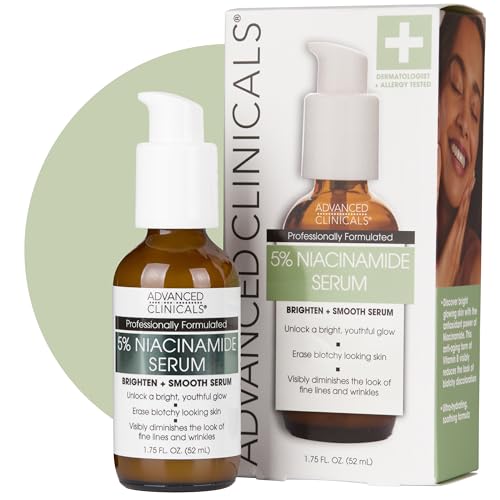
Advanced Clinicals Niacinamide Serum — Best For Sensitive Skin
Advanced Clinicals rounds out the list with a 5% niacinamide serum that’s clearly formulated for comfort. Alongside the B3, it folds in hyaluronic acid for hydration, ferulic acid for antioxidant protection, and aloe to soothe. That supporting cast makes it a friendly choice for reactive or easily irritated skin that flinches at stronger formulas. The 5% level keeps things gentle while still helping with tone and texture over time. Reviewers often mention how calm their skin feels, which is exactly what you want from a sensitive-skin pick. It won’t overhaul very oily skin the way a 12% serum can, and the ingredient claims are modest rather than dramatic. For barrier-friendly, everyday care, it’s a reliable, low-drama option.
How to Choose Between Nicotinic Acid and Niacinamide
Match the molecule to your goal. These two aren’t interchangeable, even though they’re both vitamin B3. Niacinamide is the workhorse for skin concerns like oiliness, enlarged pores, uneven tone, and post-blemish marks, and it does all that without flushing. Nicotinic acid, on the other hand, dilates blood vessels and boosts circulation, which makes it far more useful in scalp and hair products than on your face. So before you buy, name your target. Clearer, calmer facial skin points you toward niacinamide, while fuller hair or a circulation boost points you toward a nicotinic-acid formula. Buying the right form saves you money and disappointment.
Start low and build tolerance. Concentration is everything with niacinamide. A 5% serum, like the Minimalist or Advanced Clinicals picks, is plenty for beginners and sensitive skin, and it rarely causes irritation. A 12% serum, like Eva Naturals, delivers stronger oil control but can overwhelm delicate skin if you dive in daily. The smart move is to introduce any new B3 serum slowly, maybe every other evening, and watch how your skin responds over a week or two. If all stays calm, you can ramp up. Trying a small amount first on your jaw or inner arm helps you spot sensitivity before it hits your whole face.
Layer with hydration, not competing acids. B3 plays beautifully with hyaluronic acid, which is why so many of these serums include it, and that pairing locks in moisture while the niacinamide works. Where you’ll want to slow down is stacking too many strong actives at once. Piling niacinamide on top of high-strength vitamin C, retinol, and exfoliating acids in a single routine can leave skin cranky. It’s usually better to alternate: actives like vitamin C in the morning, gentler B3 and hydrators layered as needed. Keep your routine simple, let each ingredient do its job, and your skin barrier will thank you.
Frequently Asked Questions
Is nicotinic acid the same as niacinamide?
Not quite, though they’re closely related. Both are forms of vitamin B3, but nicotinic acid (also called niacin) and niacinamide (also called nicotinamide) have different effects on the body. Nicotinic acid can cause flushing and widens blood vessels, which is why it turns up in circulation-focused products. Niacinamide skips the flush and is prized in skincare for calming oil, refining pores, and fading dark spots. They’re cousins, not twins.
Does niacinamide cause flushing like nicotinic acid?
No, and that’s one of its biggest selling points. The uncomfortable warmth, redness, and tingling that plain nicotinic acid can trigger simply don’t happen with niacinamide. That’s because niacinamide doesn’t dilate blood vessels the way niacin does. It’s why most skincare brands choose niacinamide for topical serums, and why flush-free supplements often use a nicotinamide form. If flushing has scared you off B3 before, niacinamide is the gentler path forward.
What percentage of niacinamide should I use?
For most people, 5% is the sweet spot, and it delivers real benefits for pores, oil, and tone without irritation. Sensitive or new users should start there. If your skin is oily and resilient and 5% isn’t moving the needle, a higher concentration like 10% or 12% can help, though it raises the odds of tightness or redness. There’s no need to chase the highest number. Consistency at a comfortable strength beats an aggressive dose your skin can’t handle.
Can I use niacinamide with vitamin C?
Yes, despite an old myth that they cancel each other out. Modern formulas prove they can coexist just fine, and many products even combine them. If you’re cautious or have reactive skin, a simple approach is to use vitamin C in the morning and niacinamide in the evening, giving each one its own moment. But layering them together is generally safe for most people. As always, if your skin protests, space them out and reintroduce slowly.
How long until niacinamide shows results?
Give it time. Most people start noticing smoother texture and less oiliness within two to four weeks of consistent daily use. Fading dark spots and evening out tone takes longer, often eight to twelve weeks, since pigment turnover is slow. The key word is consistent: skipping days stretches out the timeline. Snap a before photo when you start so you can actually see the gradual change, because slow progress is easy to miss day to day.
Bottom Line
If you take one thing from this comparison, let it be this: niacinamide is what most skincare routines actually want, while nicotinic acid shines in hair and circulation products. For gentle, everyday care, the 5% Minimalist and Advanced Clinicals serums are safe, effective starting points. Oily skin that needs more muscle should reach for the Eva Naturals 12% formula, and thinning hair has a genuine dual-B3 option in the Golden Pharm scalp serum. Prefer inside-out support? The biophix flush-free capsules cover that base. Match the form to your goal, ease in slowly, and you’ll get the results without the guesswork.


