

TL;DR: Alpha hydroxy acids (AHAs — glycolic, lactic, mandelic) are water-soluble and work on the skin’s surface to dissolve dead-cell bonds. Beta hydroxy acids (BHAs — primarily salicylic) are oil-soluble and can penetrate into pores to clear oil and debris. That single solubility difference shapes most of when to use which.
The AHA vs BHA conversation comes up because both are sold as “chemical exfoliants” — the term covers two functionally different categories. Knowing which one to pick depends almost entirely on your skin’s primary concern.
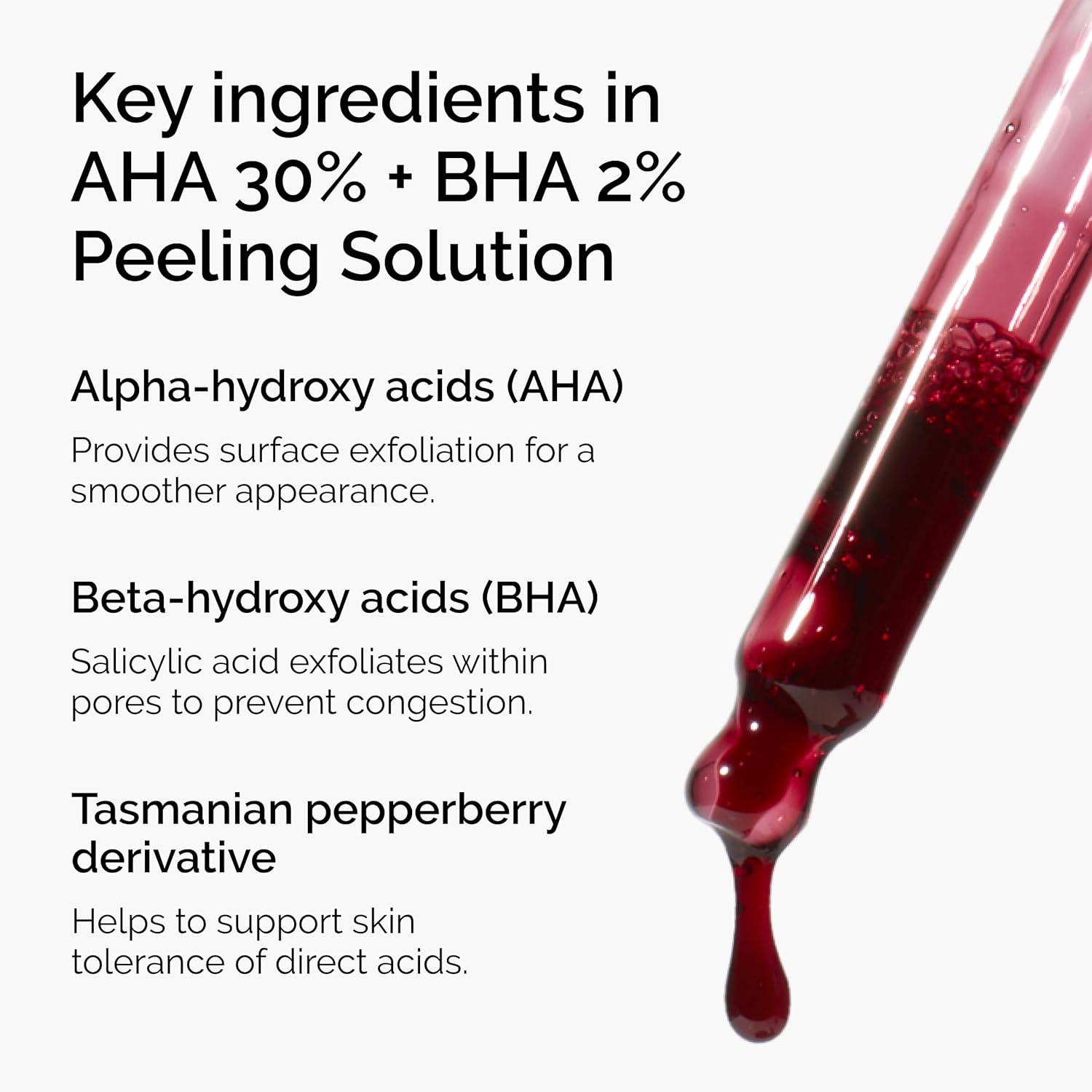
The hero pick — quality of formulation and dose justifying the price.
Side-by-side at a glance
| AHA | BHA | |
| Common examples | Glycolic, lactic, mandelic, tartaric | Salicylic acid (the only common BHA) |
| Solubility | Water-soluble | Oil-soluble |
| Where it works | Skin surface (stratum corneum) | Surface + inside pores |
| Best for | Texture, dullness, surface pigmentation | Acne, blackheads, clogged pores |
| Skin types | Normal, dry, mature, sun-damaged | Oily, acne-prone, combination |
| Irritation risk | Moderate (glycolic > lactic > mandelic) | Low to moderate |
| Frequency | 2–3x per week | Daily for some, 2–3x for others |
| Pairs with | Hydrators, SPF, niacinamide | Niacinamide, calming actives |
| Avoid in same step | Retinoid, vitamin C (L-ascorbic) | Retinoid, vitamin C (L-ascorbic) |
Consistency over twelve weeks is what produces visible results.
How they work — the mechanism difference
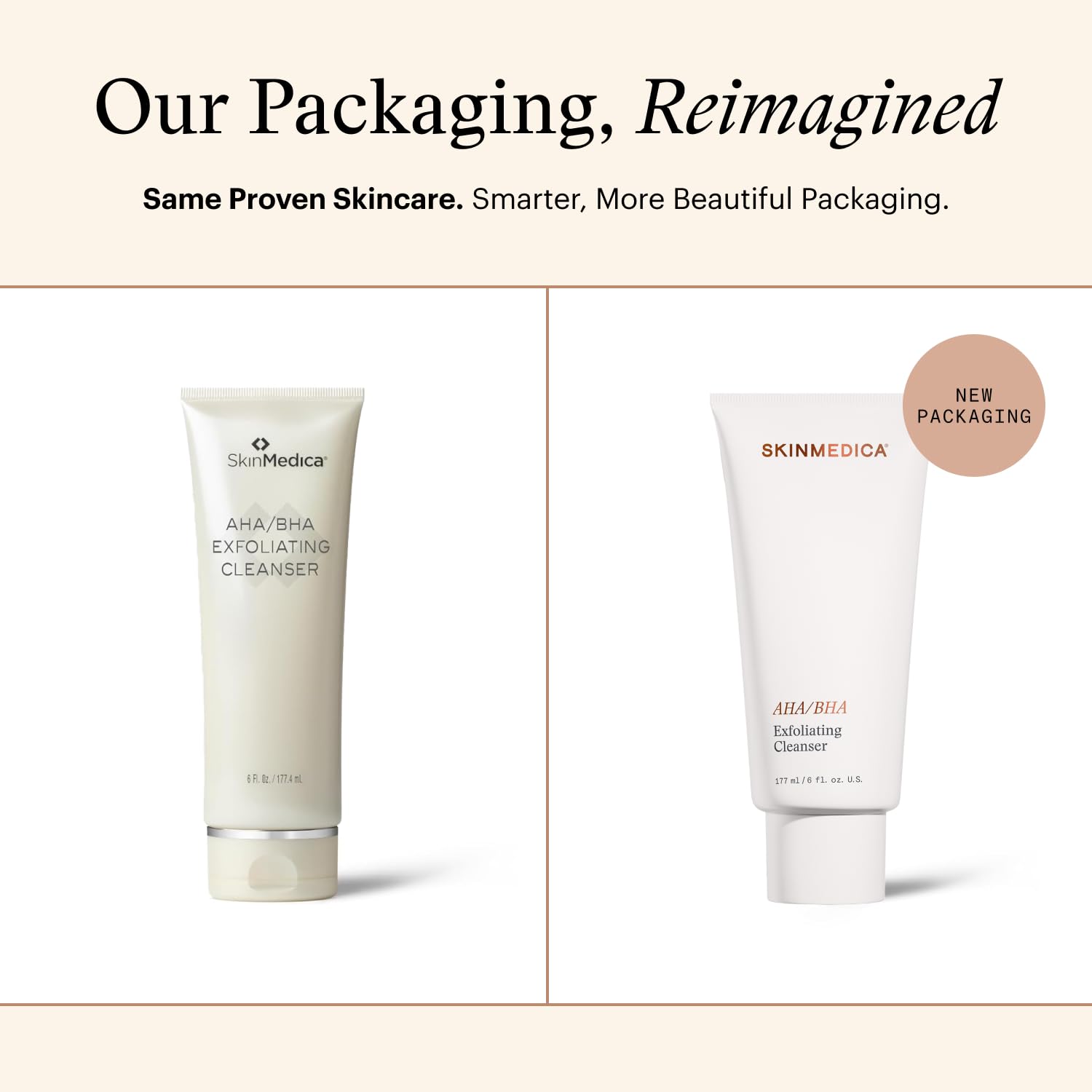
Budget-tier option from the picks discussed above.
AHAs — surface exfoliation
AHAs dissolve the protein bonds (corneodesmosomes) holding dead skin cells together on the surface. They work on the stratum corneum, the outermost layer. Glycolic acid (the smallest AHA molecule) penetrates fastest and is the most potent. Lactic acid is gentler and adds humectant hydration. Mandelic acid is the largest AHA, with the gentlest action, often recommended for sensitive skin.
BHAs — pore-penetrating
Salicylic acid is oil-soluble, which means it can travel down into oil-filled pores and dissolve the debris inside. That makes it the right choice for acne, blackheads, sebaceous filaments, and clogged pores. It also has mild anti-inflammatory properties — it is related chemically to aspirin (acetylsalicylic acid) — which calms redness around active breakouts.
When to pick which
Pick AHA if:
- Your concerns are surface texture, dullness, fine lines, or sun-driven discoloration.
- Your skin is normal, dry, or mature.
- You want a brightening effect alongside exfoliation.
Pick BHA if:
- You have acne, blackheads, sebaceous filaments, or congested pores.
- Your skin is oily, combination, or breakout-prone.
- You want anti-inflammatory action alongside exfoliation.
Use both if:
- You have combination skin with congestion in the T-zone and texture concerns on the cheeks.
- Acne flares with rough surface texture.
- You’re experienced enough to manage two actives and your barrier tolerates them.
The “both” routine usually means BHA in the AM (or 2x/week on its own) and AHA at night (1–2x/week, alternating with retinoid). Not both in the same step.
Combining them — and what to avoid
Stacking AHA and BHA in the same step works for some, irritates others. The safer approach is to alternate days or alternate AM/PM. Combination products like The Ordinary AHA 30% + BHA 2% Peeling Solution exist for once-a-week deeper treatments, not daily use.
What to avoid: do not stack chemical exfoliants with retinoid in the same step. Both increase cell turnover; combining them overwhelms barrier capacity. AHA/BHA goes in alternate evenings from retinoid, or one as AM and the other PM.
Vitamin C (L-ascorbic) below pH 3.5 also conflicts in the same step — neither is destroyed, but the layering reduces effective concentrations of both. Apply at separate times.
Best AHA/BHA products at a glance

Pros
- High-strength acid blend visibly resurfaces dull, uneven skin.
- Hydrating actives offset the intensity of exfoliation.
- Broad-spectrum exfoliation addresses both surface and pore concerns.
Cons
- Not suitable for sensitive, reactive, or broken skin.
- Requires weekly sunscreen use for up to seven days post-application.
Pros
- High-strength acid blend visibly resurfaces dull, uneven skin.
- Hydrating actives offset the intensity of exfoliation.
- Broad-spectrum exfoliation addresses both surface and pore concerns.
Cons
- Not suitable for sensitive, reactive, or broken skin.
- Requires weekly sunscreen use for up to seven days post-application.
- AHA 30% and BHA 2% work across skin surface and inside pores, making this suited for experienced users dealing with texture, dullness, or congestion.
- Apply to clean, dry skin for 10 minutes, then rinse. Formulated for PM use only; avoid pairing with other acids, retinoids, or vitamin C on the same night.
- AHA 30% (Alpha-Hydroxy Acids): Exfoliate at the skin surface to help visibly smooth texture and even tone.
- BHA 2% (Beta-Hydroxy Acid): Oil-soluble acid that may help reduce the appearance of clogged pores.
- Hyaluronic Acid: Draws moisture to the skin to support hydration during exfoliation.
- Pro-Vitamin B5: Supports the skin barrier and helps maintain moisture balance post-peel.

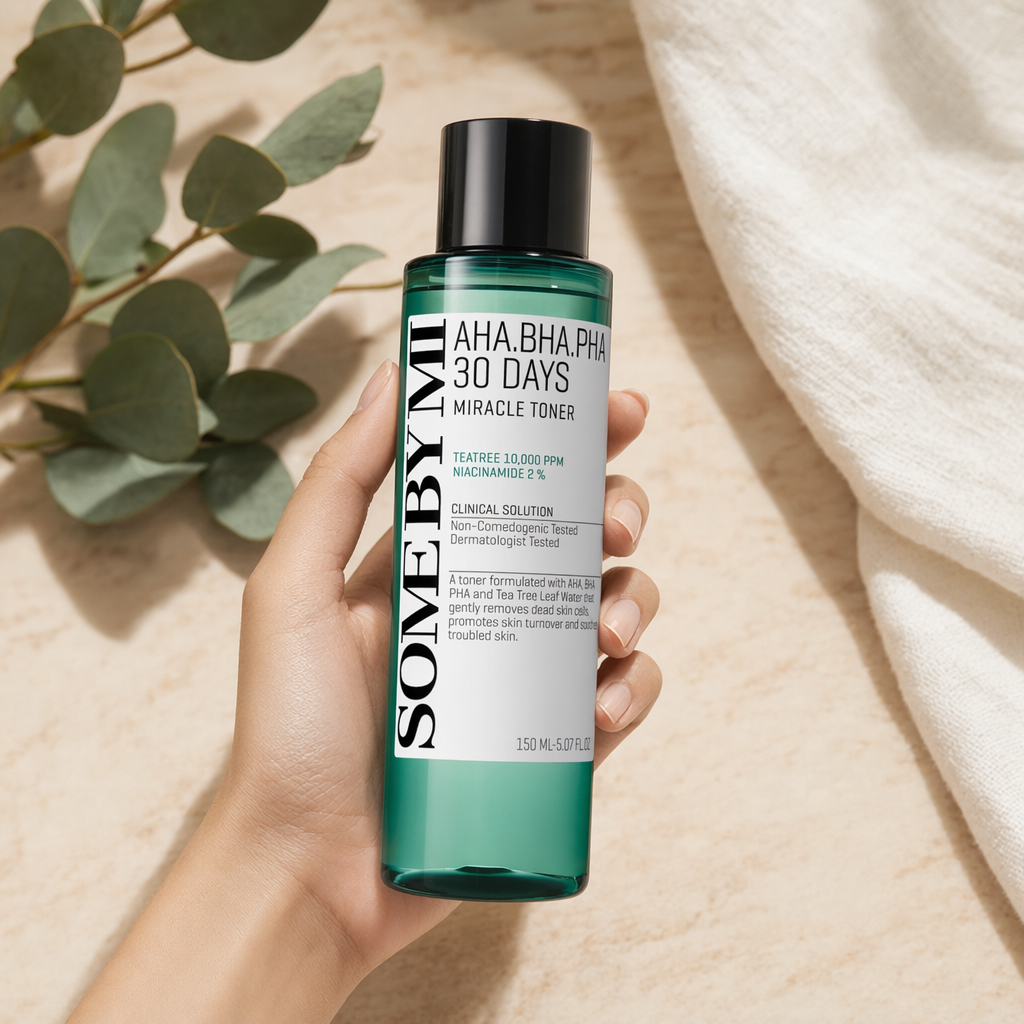
SOME BY MI AHA BHA PHA 30 Days Miracle Toner - Triple-Acid Exfoliant for Acne-Prone Skin
Pros
- Three exfoliating acids address texture and pore care.
- 2% niacinamide included for visible skin-balancing support.
- Accessible daily formula suited for acne-prone skin.
Cons
- Fragrance and sensitizing potential not specified in data.
- Full ingredient list and pH level not provided.
Pros
- Three exfoliating acids address texture and pore care.
- 2% niacinamide included for visible skin-balancing support.
- Accessible daily formula suited for acne-prone skin.
Cons
- Fragrance and sensitizing potential not specified in data.
- Full ingredient list and pH level not provided.
- AHA, BHA (salicylic acid), and PHA work across skin surface and pore lining to support smoother texture and clearer-looking skin, making it a fit for oily and acne-prone types.
- Format is a liquid toner, suited for PM use after cleansing; avoid layering with other high-concentration acids or retinoids to reduce the risk of irritation.
- AHA (Alpha Hydroxy Acid): Exfoliates at the skin surface to support smoother-looking texture.
- BHA - Salicylic Acid: Oil-soluble acid that works inside pores to help reduce excess buildup.
- PHA (Polyhydroxy Acid): A gentler exfoliant that also supports the skin barrier alongside AHA and BHA.
- Niacinamide 2%: Helps support balanced-looking skin and may improve the appearance of pores.

Pros
- Dual chemical and physical exfoliation in one step.
- Jojoba spheres offer gentle, non-abrasive physical exfoliation.
- Salicylic acid targets pore congestion and surface texture.
Cons
- No concentration data listed for key actives.
- Not specified whether formulated for sensitive skin types.

Pros
- Multi-acid blend for exfoliation and sebum management
- Foaming formula rinses cleanly without residue
- Designed for acne and congestion concerns
- Lightweight enough for daily cleansing
Cons
- Prioritizes oil control over moisture, potentially drying
- Acids may irritate very sensitive skin
- Best paired with hydration for balanced routines
This is a foaming facial cleanser from SOMEBYMI infused with AHA, BHA, and PHA acids, formulated to address acne and excess sebum for smoother, clearer skin. It suits those with oily or congested complexions who need targeted exfoliation in their routine, but sets expectations for a clarifying rather than nourishing wash.
The standout is its combination of acids, which work to exfoliate and control oil more effectively than basic salicylic cleansers, promoting pore clarity and reduced breakouts with regular use. It differentiates from gentler daily washes by focusing on acne-fighting action, though this intensity means it shines for maintenance rather than as a standalone for very dry skin.
The foam texture lathers readily, offering a satisfying cleanse that feels thorough yet lightweight, with easy rinsing and no heavy film left behind. It integrates well into twice-daily routines, especially as a first step for oilier types, and the pump packaging dispenses just enough for a quick face wash.
Limitations include its active profile, which can feel stripping on drier or sensitive areas, requiring a robust moisturizer afterward. Beginners to acids or those with compromised barriers might prefer a milder option to avoid potential irritation.
Opt for this if oily skin and occasional breakouts dominate your concerns; it delivers on clarification and control where simpler cleansers fall short, but skip it for hydration-focused needs.

Pros
- Gentle glycolic acid and betaine salicylate combo for daily exfoliation
- Hydrating apple fruit water and willow bark water blend
- Versatile toner mask application for extra moisture boost
Cons
- Botanical extracts may irritate highly sensitive skin
- Glycolic acid requires consistent sunscreen during daytime use
Frequently asked questions
Is salicylic acid stronger than glycolic?
Different, not stronger. At equivalent concentrations, glycolic exfoliates the surface more aggressively; salicylic penetrates pores. Salicylic feels gentler on the surface but acts deeper.
Can I use AHA every day?
Most users should not. Glycolic at 7%+ daily quickly compromises the barrier. Lactic and mandelic at lower concentrations are sometimes daily-safe, but 2–3 times weekly is the standard recommendation.
What about PHA?
Polyhydroxy acids (PHAs — gluconolactone, lactobionic acid) are larger molecules than AHAs, so they penetrate more slowly and are gentler. Useful for very sensitive skin, but slower-acting. Most products marketed as “AHA BHA PHA” combine all three for layered effect at lower individual concentrations.
Why does my skin feel like sandpaper after I stop using AHA/BHA?
Chemical exfoliants accelerate the natural cell turnover cycle. When you stop suddenly, your skin reverts to its native turnover speed, which can feel slower and rougher by comparison. Taper rather than stop cold — go from daily to alternate days to weekly over a 2–3 week period.
The AHA family — each acid behaves differently
“AHA” is a category, not a single ingredient. The four most common AHAs in skincare have meaningfully different properties:
Glycolic acid
The smallest AHA molecule. Penetrates fastest, exfoliates most aggressively, and stimulates the most collagen at equivalent concentrations. The double-edged sword: irritation risk is highest. Glycolic at 7%+ daily is too much for most barriers; once or twice weekly at 10–20% (or daily at 4–5%) is the sustainable approach. The favored AHA for sun-damaged, mature, or thickened skin.
Lactic acid
Larger molecule than glycolic, slower penetration, gentler action. Doubles as a humectant — adds moisture while exfoliating, which is unusual for an acid. The right AHA for dry, sensitive, or mature skin that cannot tolerate glycolic. Lactic at 10% is roughly equivalent in gentleness to glycolic at 5%.
Mandelic acid
The largest common AHA. Slowest penetration, gentlest action, and an antibacterial bonus that makes it useful for acne-prone skin too. Mandelic at 10–15% is well-tolerated by skin that flushes from other AHAs. Increasingly the dermatology recommendation for darker skin tones because it carries less risk of post-inflammatory hyperpigmentation.
Tartaric, malic, citric — the secondary AHAs
Tartaric (from grapes), malic (apples), and citric (citrus) all have AHA activity but are usually formulated as supporting actors alongside glycolic or lactic. They contribute mild exfoliation plus antioxidant benefits, but you would not pick a “tartaric acid serum” the way you would pick a glycolic.
Salicylic acid (BHA) — the only one that matters
Salicylic is the only widely-used BHA in skincare. Its oil-solubility lets it penetrate sebum, which makes it the right pick for pore-related concerns — blackheads, sebaceous filaments, comedonal acne. It is also chemically related to aspirin, which gives it mild anti-inflammatory action useful for inflamed acne.
Concentration matters: 0.5% salicylic acid is gentle daily-use territory (CeraVe, Cetaphil); 2% is the standard cosmetic strength (Paula’s Choice 2% BHA Liquid is the cult product here); 6%+ moves into peel territory and is once-or-twice-weekly only. Most users do best with 2% applied 3–4x per week.
Matching the acid to your skin type
- Dry, sensitive, mature skin: Lactic 5–10% or mandelic 10%. Twice weekly. Glycolic and salicylic are usually too aggressive.
- Normal-to-oily, no breakouts: Glycolic 5–7% three times a week, OR lactic 10% nightly. Texture and tone-focused.
- Oily, acne-prone: Salicylic 2% as the workhorse, alternating with lactic or mandelic for surface texture. Skip glycolic — too irritating for inflamed skin.
- Combination with congestion in T-zone: Salicylic 2% on T-zone daily; mandelic or lactic on cheeks 2–3x weekly. Treat the two zones differently.
- Sensitive + acne (the hardest): Mandelic 10% three times weekly — it handles both texture and bacteria without stinging.
PHA — when AHA and BHA are still too much
Polyhydroxy acids (PHAs) — gluconolactone, lactobionic acid — are essentially “very large AHAs”. The molecules are too big to penetrate quickly, which makes them the gentlest chemical exfoliants available. They suit very sensitive, rosacea-prone, or post-procedure skin. Combination products marketed as “AHA BHA PHA” stack all three at lower concentrations for layered effect — useful when you want exfoliation but cannot tolerate any one acid at full strength.
Authoritative sources
Chemical exfoliation has 40+ years of dermatology research behind it. Primary sources:
- Alpha hydroxy acid — Wikipedia on the AHA family
- Salicylic acid — Wikipedia on the primary BHA
- FDA — alpha hydroxy acids in cosmetics, safety and labeling guidance
- AAD — chemical peel and exfoliation guide
- Glycolic acid — Wikipedia on the most studied AHA
- NIH PubMed Central — chemical peels in cosmetic dermatology review
Related reading
- Best exfoliator to use with retinol — gentler picks for actives-heavy routines
- Best skincare for acne — where BHA fits
- Best anti-aging routine for beginners — where AHA fits





Write Your Review
No reviews yet. Be the first to share your experience!