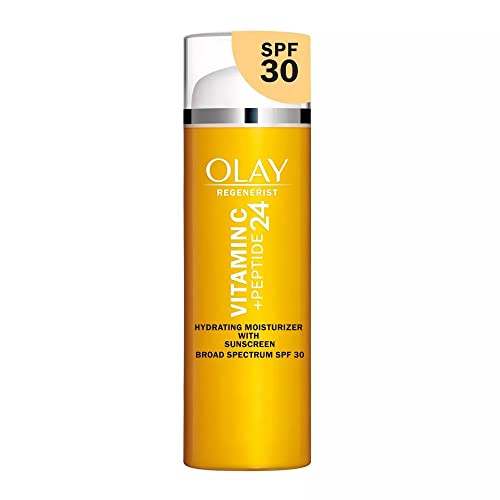
Putting retinol and vitamin C in one bottle solves a convenience problem and creates a chemistry one. L-ascorbic acid needs a pH around 3.5 to stay stable and penetrate. Retinol prefers something closer to neutral. A single formula has to pick a compromise, and the compromise usually costs one of the two ingredients some of its potency.
Which is why the good combined products are the ones that don’t use raw L-ascorbic acid at all. Our editors compared full ingredient lists, checked which form of vitamin C each brand chose, and weighed aggregated verified-buyer feedback over single reviews. The five below earned their spots. If you’d rather split them across the day, vitamin c serum for dark spots covers the morning half.
Quick answer: Paula’s Choice CLINICAL 1% Retinol is the strongest and best-formulated pick, using a stable vitamin C form alongside peptides. Neutrogena is the drugstore choice, Eva Naturals is the cheapest entry, ELBBUB splits the two across day and night, and APLB brings the pairing to body skin.

Pros
- Separates vitamin C and retinol into AM/PM formulas
- Includes hyaluronic acid for moisture retention
- Absorbs without greasy residue on skin
Cons
- No ingredient concentrations or percentages disclosed
- Zero customer reviews available to verify claims
Pros
- Separates vitamin C and retinol into AM/PM formulas
- Includes hyaluronic acid for moisture retention
- Absorbs without greasy residue on skin
Cons
- No ingredient concentrations or percentages disclosed
- Zero customer reviews available to verify claims
- Vitamin C serum with hyaluronic acid and botanical extracts targets dullness and dehydration in morning application, suited for dry to combination skin needing moisture and radiance support.
- Retinol serum penetrates quickly without greasiness for evening use, pair with a buffer moisturizer if new to retinoids or avoid layering with acids.
- Vitamin C: antioxidant that helps visibly brighten and even skin tone over time.
- Retinol: supports collagen synthesis to help improve the appearance of fine lines and firmness.
- Hyaluronic Acid: humectant that draws moisture into skin to visibly plump and hydrate.
- Amino Acids: building blocks that help support skin's natural barrier and resilience.


Pros
- High 1% retinol with supporting peptides and antioxidants
- Hyaluronic acid balances potentially drying retinol formula
- Fragrance-free formulation reduces irritation risk for sensitive users
Cons
- Retinol strength may require gradual introduction for beginners
- Texture and absorption details not specified in data
Pros
- High 1% retinol with supporting peptides and antioxidants
- Hyaluronic acid balances potentially drying retinol formula
- Fragrance-free formulation reduces irritation risk for sensitive users
Cons
- Retinol strength may require gradual introduction for beginners
- Texture and absorption details not specified in data
- The 1% retinol works with peptides to visibly reduce fine lines and improve elasticity, while vitamin C and licorice extract help fade post-acne marks and discoloration on normal to oily skin.
- Formula absorbs quickly for nighttime use and can be mixed with 2-3 drops of facial oil for added hydration, layered after cleanser and toner.
- Retinol 1%: supports cell turnover to help visibly reduce wrinkles and refine enlarged pores over time.
- Peptides: skin-firming compounds that may improve the appearance of elasticity and texture with consistent use.
- Vitamin C: antioxidant that helps brighten discoloration and protect against environmental stressors when used at night.
- Hyaluronic Acid: humectant that draws moisture into skin to counterbalance retinol's potential drying effects.
How We Evaluated These Products
Ingredient-order mechanics did the screening, because in a combined formula the position of each active tells you which one the chemist prioritised. Retinol sitting below the fragrance and the thickener is a claims-panel ingredient rather than a working concentration, and the same goes for vitamin C listed after the preservatives. Formulas that disclose a retinol percentage got credit, since it’s the harder of the two to formulate and the one brands hide behind vague language most often.
Then the form of vitamin C, which is the difference between a thoughtful combined product and a marketing exercise. L-ascorbic acid is the most researched version and the least compatible with retinol, because the low pH it requires degrades the retinol and the retinol’s environment degrades it. Derivatives like tetrahexyldecyl ascorbate, sodium ascorbyl phosphate and ascorbyl glucoside work at higher pH, tolerate air better, and coexist with retinol perfectly well at some cost in raw potency. Products using a derivative were treated as the more honest engineering, and packaging that limits air and light carried weight.
Paula’s Choice CLINICAL 1% Retinol Treatment — Best overall
One percent retinol, stated plainly, is the top of the over-the-counter range, and the disclosure is half the reason this leads. The rest is the supporting cast: peptides for collagen signalling and liquorice extract for pigment, which means the vitamin C isn’t carrying the tone work alone. Paula’s Choice also packages in opaque, air-limiting containers, which matters more for retinol than almost any other active. Start once or twice weekly. At 1% this will flake and sting if you go daily from the beginning, and it’s the most expensive option here by a clear margin.
Neutrogena Rapid Tone Repair Retinol + Vitamin C Cream — Best drugstore option
Neutrogena has spent years refining stabilised retinol delivery, and this cream is that work applied to the tone-plus-texture combination at a supermarket price. It’s the sensible pick for someone who wants both actives without researching either, and the cream base means less irritation than an equivalent serum would give. The percentage isn’t disclosed, which is the recurring drugstore problem, and the jar-adjacent packaging exposes both actives to more air than an airless pump would. Buy the size you’ll finish in a couple of months.
Eva Naturals Vitamin C Serum with Retinol — Cheapest entry point
Four actives in one inexpensive bottle, and the honest read is that it’s a way to find out what your skin tolerates before spending properly. Retinol, vitamin C, niacinamide and salicylic acid together is a lot of activity for one step, which is either efficient or a recipe for irritation depending entirely on your skin. Watch for that. Nothing here is disclosed by percentage, and the salicylic acid means you should not layer this with any other exfoliant. Start twice weekly and stop if you flake.
ELBBUB Day-Night Anti Aging Vitamin C and Retinol Serum — Best split-schedule set
Separating the two into a daytime vitamin C and a night-time retinol is the formulation answer to the pH problem, and it’s the approach dermatologists have recommended all along. Each product gets the pH and packaging it wants, and you get the pairing without either ingredient degrading the other. That makes this a good structural choice for a beginner. The tradeoff is disclosure and pedigree: no stated concentrations, little formulation history to check, and amino acids doing vague duty in the supporting list.
APLB Retinol Vitamin C Vitamin E Body Lotion — Best for body skin
Almost nobody applies actives below the jawline, and crepey upper arms, chest creping and rough shins all respond to the same chemistry the face does. That gap is why this earns a place. Retinol drives turnover on body skin over three to four months, the vitamin E and vitamin C add antioxidant support, and a lotion format makes covering large areas practical. Use it at night, since retinol degrades in light, and expect an adaptation period with flaking on arms. Not a substitute for a facial formula.
What to Look For in a Retinol and Vitamin C Product
Check which vitamin C form the brand chose. L-ascorbic acid is the most studied and the least compatible with retinol in one bottle, so a combined product using it is either running a compromised pH or degrading in the tube. Tetrahexyldecyl ascorbate, ascorbyl glucoside and sodium ascorbyl phosphate are stable at higher pH, gentler, and the right call for a combination formula.
Prefer a disclosed retinol percentage. Over-the-counter retinol typically runs from 0.1% to 1%, and the difference between the ends of that range is the difference between mild and genuinely irritating. A brand printing the number is telling you something you can plan around. If nothing is stated, treat the product as low-strength and judge it after eight weeks.
Consider splitting them instead. Vitamin C in the morning works alongside sunscreen, where its antioxidant contribution is most useful, and retinol at night avoids the light that degrades it. That schedule beats almost every combined bottle on potency. Combined formulas win on simplicity and adherence, which is not a small advantage. vitamin c cream for face covers the morning product on its own.
Frequently Asked Questions
Can you really use retinol and vitamin C together?
Yes, and the old advice that they cancel each other out was overstated. The genuine issue is pH: vitamin C as L-ascorbic acid needs an acidic environment that accelerates retinol breakdown. Use a stable vitamin C derivative in a combined product, or apply them at opposite ends of the day, and there’s no conflict worth worrying about.
Which should I apply first if I use them separately at night?
Vitamin C first if you use both after dark, since it’s usually the thinner and more acidic layer, then wait a couple of minutes before the retinol. Most people get better results splitting them across morning and night instead. Layering both at night on skin still adapting to retinol is a common route to irritation.
Will a combination product work as well as two separate ones?
Usually not quite. A dedicated vitamin C serum can run a low pH and a high concentration, and a dedicated retinol can sit in the base it prefers, so two products beat one bottle on raw potency. The combination wins on the thing that actually determines results, which is whether you use it consistently.
How long until I see a difference?
Eight to twelve weeks for tone from the vitamin C, and twelve weeks minimum for texture and fine lines from the retinol, with continued improvement over six months. Most people stop at week four during the flaking phase and conclude it didn’t work. Daily sunscreen is what protects the progress, especially with a retinoid raising photosensitivity.
Is this combination safe for sensitive skin?
Cautiously, with a low retinol percentage, a vitamin C derivative rather than L-ascorbic acid, and twice-weekly use to start. Buffer by applying moisturiser first or over the top. Anyone with rosacea, eczema or a recently damaged barrier should get the barrier stable before introducing either, and pregnancy rules out retinoids entirely.
Bottom Line
Paula’s Choice CLINICAL 1% Retinol is the best-formulated option here and the only one that tells you exactly how much retinol you’re getting, which is worth the price if you’ll build up slowly. Neutrogena is the reliable drugstore version, Eva Naturals is the cheap way to find out how your skin reacts, ELBBUB splits the two actives the way the chemistry prefers, and APLB extends the pairing to arms and chest. If you want maximum results, buy them separately and use vitamin C in the morning and retinol at night.