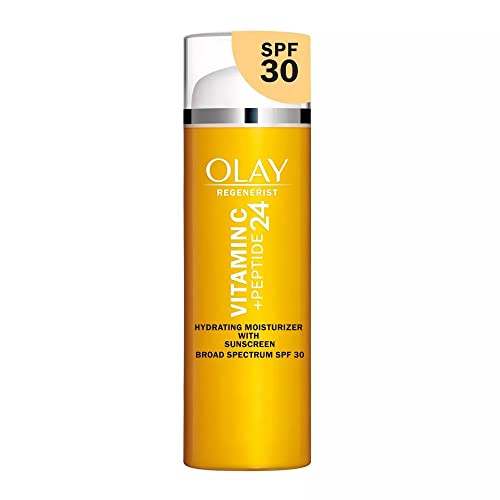
Most vitamin C fails in the bottle, not on your face. The molecule with the deepest human research behind it, L-ascorbic acid, is also the one that falls apart on contact with light, air and water. So the serum you bought in spring can be doing almost nothing by autumn. The color will warn you first.
That makes the best vitamin C skin care decision a question about form and packaging first, marketing second. Our editors compared full ingredient lists, the stability profile of each vitamin C form, and aggregated verified-buyer feedback across dozens of options, from pure acid serums to encapsulated creams. For the wider category, start with vitamin c for skin care. The five below earned their spots on chemistry.
Quick answer: Timeless Skin Care’s vitamin C, E and ferulic acid serum is our top pick for getting closest to the best-researched formula. CeraVe suits sensitive or barrier-damaged skin, medicube keeps the active encapsulated until use, SeoulCeuticals goes to the 20% ceiling, and the UZTUZT set builds a routine from scratch.

Pros
- High 20% vitamin C concentration at accessible price point
- Ferulic acid stabilizes and enhances antioxidant efficacy
- Fragrance-free formulation minimizes irritation risk for sensitive skin
Cons
- L-ascorbic acid formulas require refrigeration for optimal stability
- No reviews available to assess real-world texture or efficacy
Pros
- High 20% vitamin C concentration at accessible price point
- Ferulic acid stabilizes and enhances antioxidant efficacy
- Fragrance-free formulation minimizes irritation risk for sensitive skin
Cons
- L-ascorbic acid formulas require refrigeration for optimal stability
- No reviews available to assess real-world texture or efficacy
- The 20% vitamin C with ferulic acid and vitamin E works to support even skin tone and may improve the appearance of discoloration, suitable for both dry and oily skin types seeking antioxidant defense.
- Apply 2-3 pumps to freshly cleansed skin in your AM routine before sunscreen, as vitamin C provides additional photoprotection when layered under SPF and pairs well with hyaluronic acid serums.
- Vitamin C 20%: L-ascorbic acid supports brightness and may help visibly reduce uneven tone with consistent use.
- Vitamin E: Tocopherol provides antioxidant support and works synergistically with vitamin C to enhance stability.
- Ferulic Acid: Plant-derived antioxidant that stabilizes vitamins C and E while supporting defense against environmental stressors.
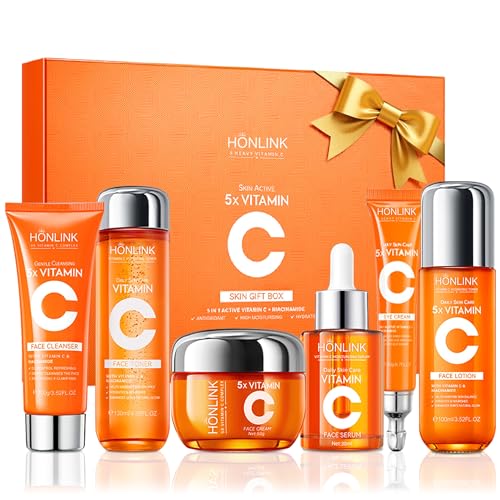
Pros
- Synergistic ingredients target multiple concerns like dullness and pores
- High-purity Vitamin C provides antioxidant protection
- Suitable for all skin types with clean, non-irritating blend
- Comprehensive kit simplifies skincare routine
- Supports long-term hydration and barrier health
Cons
- Results depend on individual skin type and consistent use
- Body lotion may feel light for extremely dry skin
- Stronger effects might take weeks to fully appear
The UZTUZT 6-Piece Hydrating Skincare Set is a complete face care kit featuring Vitamin C and Niacinamide, including toner, serum, cleanser, moisturizer, eye cream, and body lotion. Designed for women aiming to revive dull, uneven skin, it suits mature complexions seeking hydration and brightness, making it a thoughtful gift option.
Standout features include a stabilized Vitamin C derivative for potent brightening without irritation, paired with Niacinamide to smooth texture and minimize pores, plus Hyaluronic Acid and Centella Asiatica for soothing hydration. In real-world use, the synergistic routine cleanses effectively, treats concerns, and locks in moisture, delivering a noticeable glow and softer feel after regular application.
Formulas emphasize clean quality with no harsh additives, ensuring gentle application across sensitive areas like the eyes. The lightweight textures absorb quickly without greasiness, supporting daily wear under makeup or alone.
Potential drawbacks include variable results based on skin type and the need for patience, as optimal benefits build over time. The body lotion might require layering for very dry areas.
Overall, this set earns high marks for its targeted, benefit-driven approach, making it a solid choice for radiant, healthy-looking skin.
This kit contains six essentials: Vitamin C cleanser to gently remove impurities, toner to balance pH, potent serum for brightening, eye cream to reduce puffiness, face moisturizer for daily hydration, and body lotion to extend glow all over.
Each piece works together in a streamlined routine: cleanse, tone, treat with serum, hydrate face and eyes, then moisturize body.

Pros
- Pure L-ascorbic acid in protective packaging prevents oxidation
- Gel texture layers easily under moisturizer
- Fragrance-free, non-comedogenic formula suits sensitive skin
Cons
- No user reviews available to confirm efficacy
- High vitamin C percentage may irritate reactive skin
Pros
- Pure L-ascorbic acid in protective packaging prevents oxidation
- Gel texture layers easily under moisturizer
- Fragrance-free, non-comedogenic formula suits sensitive skin
Cons
- No user reviews available to confirm efficacy
- High vitamin C percentage may irritate reactive skin
- The 10% L-ascorbic acid concentration addresses uneven tone and dullness while hyaluronic acid binds moisture for plumper-looking skin, suitable for normal to oily types seeking brightening without heavy texture.
- Lightweight gel absorbs quickly in a thin layer before moisturizer in AM routines, pairs well with SPF but introduce gradually if using other actives like retinol at night.
- 10% L-Ascorbic Acid: Pure vitamin C form helps visibly brighten skin and even tone with antioxidant protection.
- Hyaluronic Acid: Humectant binds moisture to skin surface, improving hydration and plumping appearance of fine lines.
- Ceramides 1, 3, 6-II: Lipid complex supports the skin barrier, which studies show depletes with age and environmental stress.

Pros
- Encapsulation keeps vitamin C stable until use
- 34.8% immediate radiance improvement in testing
- Gentle formula suitable for daily sensitive skin
Cons
- Zero reviews available to verify real-world performance
- Pop-and-blend format may feel gimmicky to some
Pros
- Encapsulation keeps vitamin C stable until use
- 34.8% immediate radiance improvement in testing
- Gentle formula suitable for daily sensitive skin
Cons
- Zero reviews available to verify real-world performance
- Pop-and-blend format may feel gimmicky to some
- Sea buckthorn extract (50%) and pure vitamin C in liposome capsules target uneven tone and dullness, suited for normal to combination skin that needs antioxidant support without heavy oils.
- Gel-cream texture absorbs quickly with no tackiness, works morning or evening before sunscreen or heavier moisturizers, pair with hyaluronic acid or peptides but avoid layering with other direct acids.
- Pure Vitamin C (encapsulated): Antioxidant that helps visibly brighten and support collagen appearance when stabilized in liposomes.
- Sea Buckthorn Extract 50%: Vitamin C-rich fruit extract that supports radiance and provides additional antioxidant protection.
- Niacinamide 5%: Helps visibly reduce pore appearance, even skin tone, and strengthen moisture barrier function.

How We Evaluated These Vitamin C Products
One distinction splits this category in two, and everything follows from it: pure L-ascorbic acid on one side, derivatives on the other. Pure acid owns the clinical research. It also needs a pH near 3.5 to cross the barrier, and that acidity is exactly what stings. Derivatives such as sodium ascorbyl phosphate, magnesium ascorbyl phosphate and tetrahexyldecyl ascorbate sit stable in the bottle and convert to ascorbic acid inside skin, except nobody has cleanly quantified how much of it converts. Two camps, two sets of rules. Screening started with the form on the label.
From there we read full ingredient lists rather than front-of-pack claims, noted where the vitamin C sat, and cross-referenced published work on concentration and the vitamin E plus ferulic acid pairing. Packaging carried real weight. Opaque or amber glass with an airless pump protects best, a clear dropper bottle is a compromise, and a wide open jar is the worst home for an unstable acid. We aggregated verified-buyer feedback, weighting repeated reports of a serum turning orange over one-off complaints, weighed cost per use, and kept only picks that are in stock and honest about which form they use.
Timeless Skin Care Vitamin C Serum with E and Ferulic — Best overall
If you want the formula with the most published support behind it, this is the shortest route there. Twenty percent L-ascorbic acid, vitamin E and ferulic acid, in amber glass. No fragrance, no filler. That trio isn’t a marketing bundle: vitamin E and ferulic acid measurably slow the acid’s oxidation while adding antioxidant activity of their own, which is why the combination keeps reappearing in the literature. The caveat is unavoidable. Water-based pure acid has a clock running from the day you open it, so keep it in the fridge, cap it fast, and finish it in weeks rather than months.
UZTUZT Vitamin C Niacinamide Routine Set — Best for building a routine
A multi-step set is an odd thing to find in a roundup about stability, which is precisely why it’s useful here. Running vitamin C alongside niacinamide is the pairing people are still warned off, and that warning traces to a 1960s experiment that heated unbuffered ingredients together until they produced nicotinic acid. Modern cosmetic formulas don’t behave that way. Starting from nothing, having the cleanser, serum and moisturizer designed as one sequence removes a lot of guesswork. What you give up is transparency. Sets rarely state which vitamin C form is inside, so you can’t judge shelf life from the carton.
CeraVe Skin Brightening Vitamin C Serum — Best for sensitive skin
CeraVe took the harder path: 10% pure vitamin C in an opaque pump, cushioned with ceramides, hyaluronic acid and glycerin so the low pH lands on a supported barrier instead of a stripped one. Ten percent is plenty. Below roughly 8% you’re not moving pigment, and above 20% you buy irritation without extra benefit. The pump earns more credit than it gets, since the formula never sits open to air the way a dropper does. Texture is the trade. It’s a thicker, milky serum, and it’ll pill under sunscreen if you don’t give it a minute to settle.
medicube Capsule Cream with Deep Vitamin C — Best for dry skin
The capsules are the entire point. Vitamin C stays sealed inside individual beads suspended in the cream and only meets air and water when you rub them out, which sidesteps oxidation rather than merely slowing it. Dry or mature skin that finds an acid serum abrasive gets an easier ride from a cream carrier, and it layers over a routine you already like. If you prefer this format generally, our guide to vitamin c cream for face goes deeper. The honest limit is dosing. No one publishes how much active each capsule releases, so you’re trusting the delivery system.
SeoulCeuticals 20% Vitamin C Serum with CE Ferulic — Best for experienced users
Twenty percent is the ceiling of useful, and this one sits right on it, with the same vitamin E and ferulic acid support plus hyaluronic acid to soften the landing. Skin that’s run a mid-strength acid serum for a few months will handle it. Skin that hasn’t will feel the pH within seconds, so start twice a week and build up. The dropper is the weak spot in an otherwise sensible formula, because every use draws fresh air in. Watch the color and don’t stockpile spares.
What to Look For in a Vitamin C Product
Match the form to your tolerance. L-ascorbic acid at 10-20% has the deepest evidence base, and it’s the one to reach for if your skin tolerates acidity. Sodium ascorbyl phosphate is gentler with some acne data attached. Magnesium ascorbyl phosphate is mild and mildly hydrating. Tetrahexyldecyl ascorbate is oil-soluble, genuinely stable, and penetrates well without needing a low pH. Ascorbyl glucoside and 3-O-ethyl ascorbic acid land in between. All still have to convert in skin.
Read the packaging, then watch the color. Amber or opaque with an airless pump is the safest housing, a clear dropper bottle is workable, and a jar is where pure acid goes to die. After that the liquid reports on itself. Clear or pale straw means it’s intact. Deep yellow means oxidation is underway and potency is sliding. Orange or brown means it’s spent, and an oxidized ascorbic acid solution can drive free-radical damage instead of blocking it. Straw, then yellow, then done.
Consider skipping water entirely. Anhydrous formulas and powders you mix in at the moment of use keep the vitamin C dry, which removes the main trigger for breakdown. Otherwise apply in the morning on clean skin and follow with sunscreen, since the two are photoprotective in combination. Wait a beat before the next layer. And if a product stings hard every single time for more than a few minutes, move to a derivative rather than toughing it out.
Frequently Asked Questions
How do I know if my vitamin C serum has gone off?
Color is the fastest signal you have. Clear or pale straw means the acid is intact, deep yellow means oxidation has started and potency is dropping, and orange or brown means it’s finished. A darkened serum isn’t just weaker. Oxidized ascorbic acid can generate free radicals on skin, so bin it instead of finishing the bottle.
Is L-ascorbic acid better than a vitamin C derivative?
It carries far more human research, so on evidence it’s the stronger bet. But it only penetrates below about pH 3.5, and that acidity irritates plenty of people. Derivatives are stable and gentle, though each has to convert to ascorbic acid once it’s in the skin and those conversion rates aren’t well quantified. Your tolerance decides.
Can I use vitamin C and niacinamide together?
Yes. The old warning came from a 1960s experiment that combined unbuffered ingredients under heat, generating nicotinic acid and flushing. Modern formulas are buffered and stable, and plenty of products now put both actives in one bottle. If you do notice flushing, split them across morning and evening rather than dropping either one.
What concentration of vitamin C should I look for?
Aim for 10-20% if you’re buying L-ascorbic acid. Under roughly 8% does little for pigment, and pushing past 20% adds sting without adding measurable benefit. Derivatives are typically dosed lower and behave differently in the formula, so don’t compare their percentages head-to-head against pure acid.
Does vitamin C work better in the morning or at night?
Morning suits it best, because vitamin C and sunscreen are photoprotective together and the antioxidant is present when UV exposure actually happens. Evening works fine if your retinoid schedule makes mornings crowded. Consistency matters more than timing, along with finishing the bottle while it’s still pale.
Bottom Line
Form and packaging decide whether vitamin C does anything for you. Shop for those first. Timeless pairs 20% L-ascorbic acid with vitamin E and ferulic acid in amber glass and lands closest to what the research actually supports. CeraVe’s buffered 10% in an opaque pump is the sensitive-skin answer. medicube’s capsules keep the active dry until contact, SeoulCeuticals fits skin already comfortable with a strong acid, and the UZTUZT set is the simplest way to start from zero. Whichever you choose, keep an eye on the color.