

TL;DR: Azelaic acid goes on clean, dry skin after lighter hydration serums (hyaluronic acid, niacinamide) but before heavier moisturizers. It pairs cleanly with most actives — including vitamin C, niacinamide, and peptides — and conflicts in the same step only with strong AHA/BHA peels. The biggest mistake is layering it onto wet skin, which dilutes the dose and slows absorption.
Azelaic acid is one of the more forgiving actives to layer, but a few common mistakes reduce its effectiveness. This guide covers the correct sequence, what to apply before and after, and the rare pairings worth being careful about.
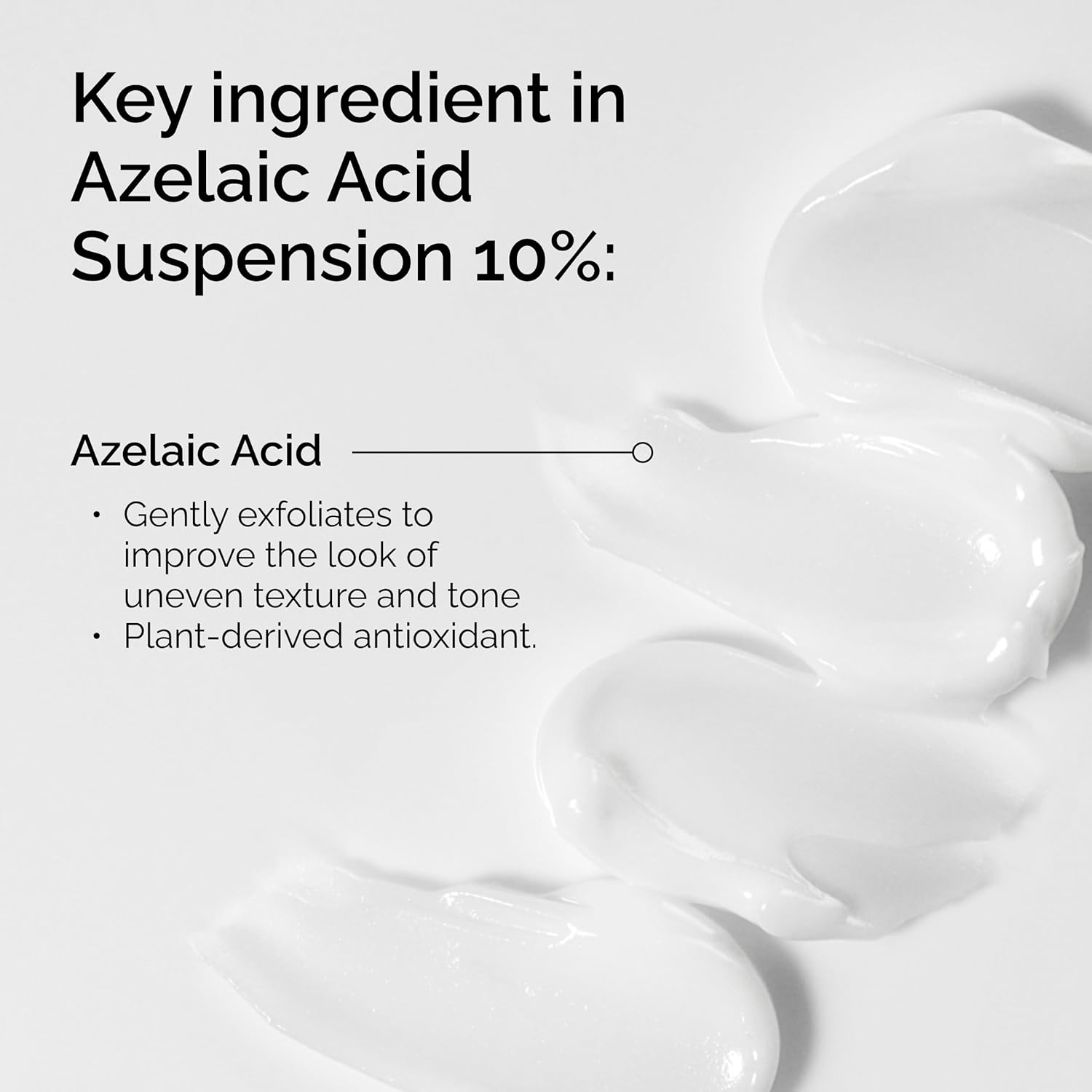
The hero pick.
The correct routine sequence
Morning
- Cleanser (gentle, sulfate-free).
- Toner or essence (optional).
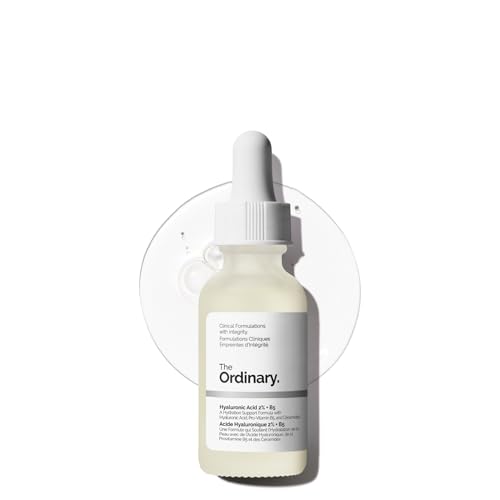
- Hydrating serum — hyaluronic acid or polyglutamic acid on damp skin.
- Azelaic acid — wait until skin is dry (60–90 seconds), then apply pea-sized amount, full face.
- Vitamin C serum (if AM choice) — alternatively, swap to PM and skip this step.
- Moisturizer.
- SPF 30+.
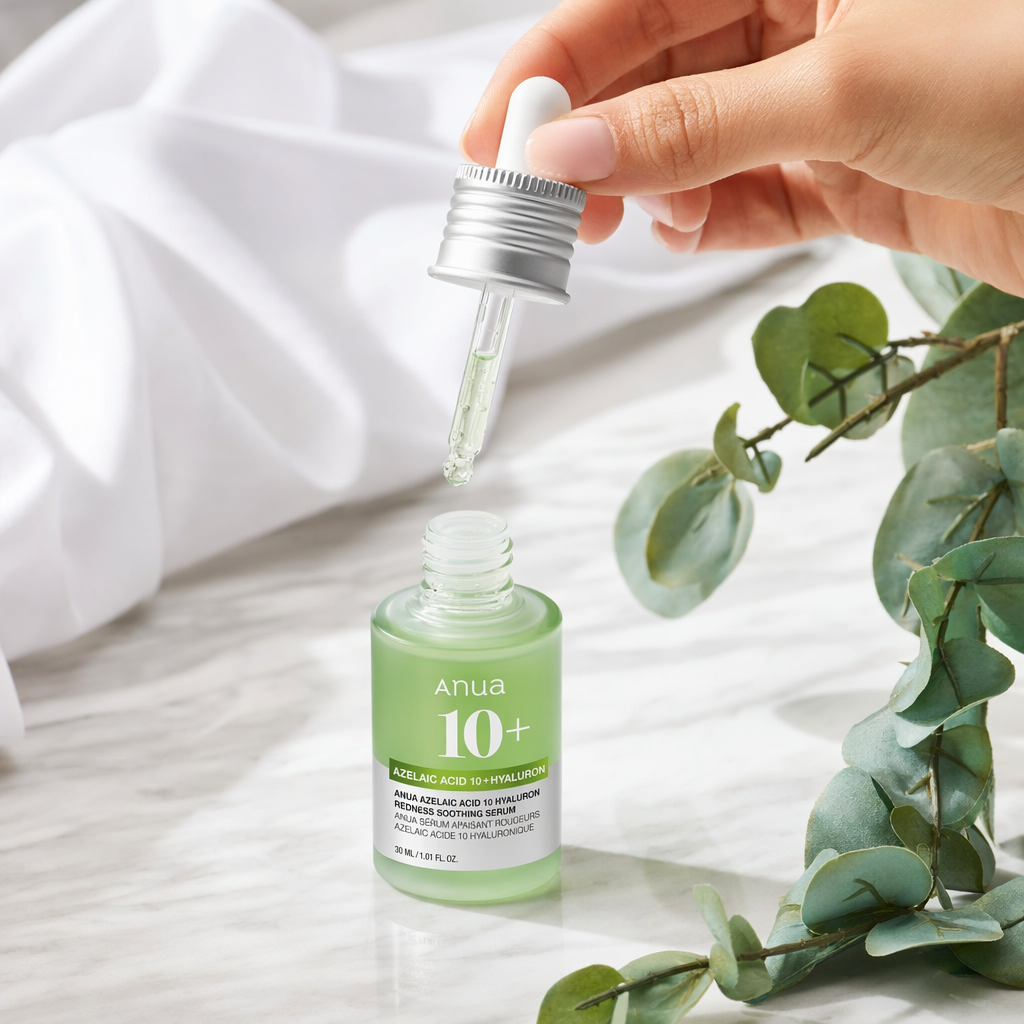
Consistency over weeks produces visible results.
Evening
- Cleanser (or double cleanse if wearing SPF/makeup).
- Toner or essence (optional).
- Hydrating serum.
- Azelaic acid — on dry skin.
- Retinoid (alternate nights to start, see pairings below).
- Moisturizer.
- Optional face oil to seal.
Why the sequence matters
Two principles drive the order:
- Thinnest to thickest. Light watery serums absorb fast; heavier emulsions block penetration of whatever comes after. Azelaic acid is a medium-weight cream gel — it goes after watery serums but before face cream.
- Active before occlusive. Anything meant to do biological work (azelaic, retinoid, vitamin C) needs direct contact with skin. Moisturizer with occlusive ingredients can slow active penetration.
The wet-skin mistake
Most application guides say “apply to damp skin” — that is correct for hydrating serums (hyaluronic acid) but wrong for azelaic acid. Water on the skin dilutes the dose and shifts the local pH, which reduces effectiveness. Always wait until skin is fully dry (no more sheen) before applying azelaic. About 60–90 seconds after the previous serum step.
Pairings — what to layer and what to skip
Pairs cleanly (same routine, any order)
- Niacinamide — additive anti-inflammatory + brightening
- Hyaluronic acid / polyglutamic acid — apply first on damp skin
- Peptides (palmitoyl tripeptide-1, copper peptides) — different targets, complementary
- Ceramides — barrier support, no conflict
- Vitamin C (most derivatives) — see notes below
Pairs carefully (separate AM/PM or alternate days)
- L-ascorbic acid vitamin C — chemically compatible but pH conflicts. AM C + PM azelaic is cleanest.
- Retinoid — both are fine separately. Start with alternate evenings (azelaic Mon/Wed/Fri, retinoid Tue/Thu) to test barrier tolerance.
- BHA salicylic acid — pair via AM/PM (BHA AM, azelaic PM) rather than same step.
Avoid in same step
- AHA at high % (glycolic 7%+, lactic 10%+) — wait 30+ minutes between, or use on different days.
- Strong chemical peels — never layer same evening.
Product picks at a glance

Pros
- 10% azelaic acid visibly addresses uneven texture.
- Gentle enough for rosacea-prone skin daily.
- Compatible with morning and evening routines.
Cons
- Suspension texture can feel heavy on oily skin.
- Ingredient list beyond azelaic acid not specified.

Pros
- Watery texture absorbs fast and layers easily
- Combines exfoliation with hydration for sensitive skin
- No artificial fragrance in calming complex
Cons
- Requires gradual introduction starting 1-2 times weekly
- Must pair with daily sunscreen during use
Pros
- Watery texture absorbs fast and layers easily
- Combines exfoliation with hydration for sensitive skin
- No artificial fragrance in calming complex
Cons
- Requires gradual introduction starting 1-2 times weekly
- Must pair with daily sunscreen during use
- Azelaic acid at 10% concentration works to visibly refine bumps and fade post-acne marks without the irritation typical of stronger exfoliants, suited for sensitive and breakout-prone skin.
- Watery, fast-absorbing serum layers under moisturizer morning or night, though daytime use requires diligent sunscreen application since azelaic acid increases photosensitivity.
- Azelaic Acid 10%: helps visibly reduce post-blemish marks and refine uneven texture without irritation.
- Three Hyaluronic Acid Types: deliver lightweight hydration across multiple skin layers for plumping.
- Panthenol: supports skin barrier function and prevents moisture loss during exfoliation.
- Cica and Blue Tansy Oil: provide natural green tint that helps soothe visible redness instantly.

Pros
- High 10% azelaic acid concentration at an accessible price.
- Suitable for sensitive skin with patch-test guidance included.
- Layered actives: niacinamide, vitamin C, and coffee seed extract.
Cons
- Texture and finish not specified in available product data.
- Tolerance-building required, limiting immediate twice-daily use.
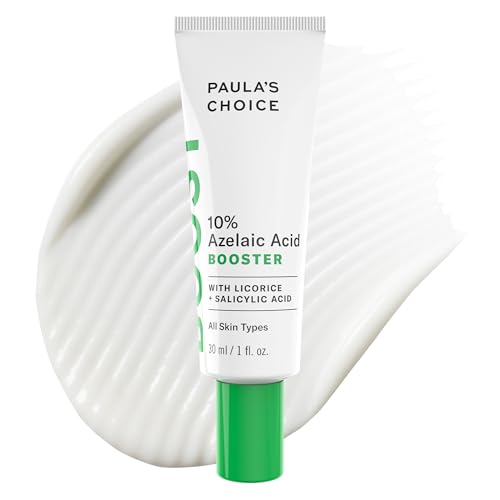
Pros
- Dual actives target both blemishes and discoloration.
- Lightweight, quick-absorbing texture works across skin types.
- Fragrance-free and oil-free, reducing common irritation triggers.
Cons
- Small 1 fl oz size may not last long.
- Salicylic acid content not specified beyond trace mention.
Pros
- Dual actives target both blemishes and discoloration.
- Lightweight, quick-absorbing texture works across skin types.
- Fragrance-free and oil-free, reducing common irritation triggers.
Cons
- Small 1 fl oz size may not last long.
- Salicylic acid content not specified beyond trace mention.
- Azelaic acid at 10% works to visibly reduce redness, fade post-acne marks, and support a more even tone, making this a practical fit for oily, blemish-prone, or uneven skin.
- The oil-free cream-gel texture absorbs quickly with no residue, suits both AM and PM use, and can be blended into a moisturizer or layered alongside benzoyl peroxide treatments.
- Azelaic Acid 10%: Helps visibly reduce blemishes, redness, and post-acne discoloration.
- Salicylic Acid (BHA): Gently exfoliates inside pores to support clearer-looking skin.
- Licorice Extract: Supports a more even skin tone and may improve the appearance of dark spots.
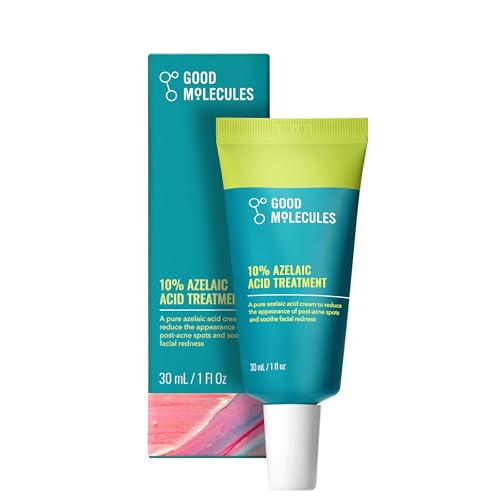
Pros
- 10% azelaic acid targets redness and post-acne marks.
- pH 4.5 formula supports sensitive and rosacea-prone skin.
- Quick-absorbing texture works over other actives seamlessly.
Cons
- No additional brightening actives listed beyond azelaic acid.
- Small 30ml size may not suit long-term daily use.
Frequently asked questions
Can I apply azelaic acid before niacinamide or after?
Either works. The two actives are fully compatible. If you apply niacinamide as a watery serum first, let it absorb before azelaic. If azelaic comes first, layer niacinamide cream on top.
Should I use it under or over my moisturizer?
Under. Azelaic is the active step; moisturizer is the occlusive step. Always active before moisturizer.
Does layering azelaic with retinoid cause more irritation?
Sometimes, mostly for sensitive skin in the first 2 weeks. The safe approach is to alternate evenings rather than stack. After 6–8 weeks if barrier is steady, you can try both PM same evening — azelaic first, retinoid 15 minutes later.
How long do I wait between layers?
60–90 seconds between steps lets each absorb. For retinoid layered on top of azelaic, wait 5–10 minutes.
Can I apply azelaic acid only at night?
Yes — many users do PM-only successfully. Twice daily is the published-study standard, but PM-only at 12 weeks still produces meaningful results in most users.
Related reading
- How often to use azelaic acid
- Can you use azelaic acid with vitamin C?
- Azelaic acid vs vitamin C
- Best anti-aging routine for beginners





Write Your Review
No reviews yet. Be the first to share your experience!