

TL;DR: Sebaceous filaments are normal sebum-filled pore lining — everyone has them, they refill within days of extraction, and trying to squeeze them harms the pore. Blackheads are oxidized comedones (clogged pores) — they have a hardened plug, can be extracted, and respond to salicylic acid. The visual difference is subtle but the treatment difference is huge.
The confusion between these two is one of the most common mistakes in DIY skincare. Both appear as small dark dots, both cluster on the nose and chin, and both feel like they should respond to the same treatment. They do not.

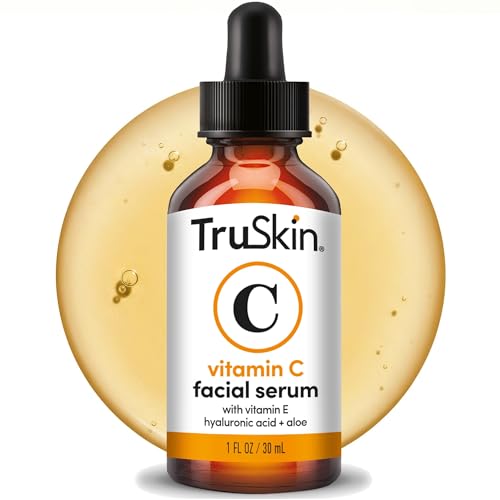
The hero pick.
Side-by-side at a glance
| Sebaceous Filaments | Blackheads | |
| What it is | Natural pore lining filled with sebum | Oxidized comedone — clogged pore |
| Appearance | Tiny, uniform, slightly raised, gray-yellow | Larger, dark center, hardened plug |
| Location | Nose, chin, around mouth | Anywhere; clusters in oily areas |
| Color | Light gray to yellowish | Distinctly black or dark brown |
| Inflammation | None | Sometimes inflamed at base |
| Texture | Smooth, flush with skin | Slightly raised, hardened |
| Refill time after extraction | ~30 days (will return) | Slower; addressable |
| Treatment | Manage with BHA, don’t extract | Salicylic acid + extraction OK |

Consistency over weeks produces visible results.
Why people confuse them
On the nose and chin, both appear as small dark dots in clusters. The visual cues are subtle and require close examination — most consumers cannot reliably distinguish them without magnification. Compounding the problem, most “pore strip” products and viral pore-cleansing videos treat both the same way, reinforcing the confusion.

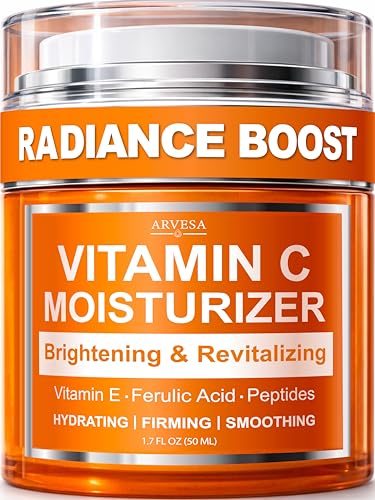
Budget-tier option.
The squeezing trap
When you squeeze a “blackhead” and a worm-like waxy strand comes out, that’s a sebaceous filament — not a blackhead. The strand is the natural pore lining you just temporarily removed. It will refill within 30 days because the pore has no way to stay empty — sebaceous glands continuously produce sebum, and the pore lining reforms.
Damage from repeated squeezing: stretched pore walls (so the pore looks larger over time), broken capillaries, post-inflammatory hyperpigmentation, and risk of infection. The skin around the nose has thin capillaries; aggressive squeezing causes lasting damage.
What actually helps
For sebaceous filaments — management, not removal
- Salicylic acid (BHA) 1–2% — keeps sebum from oxidizing and reduces visible darkness. Used 3–5 times weekly, applied to T-zone.
- Retinoid over time refines pore size structurally and reduces the visibility of filaments.
- Niacinamide 5–10% regulates sebum production so the filaments stay less dark.
- Clay masks 1x weekly absorb surface oil and temporarily reduce visibility.
What does NOT work: pore strips (pull out sebaceous filaments, which refill), aggressive scrubbing (damages skin), squeezing.
For blackheads — actual treatment
- Salicylic acid 2% BHA as the primary active — dissolves the plug inside the pore.
- Retinoid (adapalene OTC, or prescription tretinoin) prevents new comedones from forming.
- Azelaic acid 10% reduces inflammation if the blackhead has become inflamed.
- Professional extraction by a licensed esthetician (not DIY) clears existing blackheads safely.
How to tell them apart at home
Practical tests:
- Look in good lighting at a 5× mirror. Sebaceous filaments are uniform, small, and densely clustered (every pore on the nose). Blackheads are scattered, larger, with a distinct dark plug visible.
- Try a gentle BHA toner consistently for 2 weeks. Sebaceous filaments will get lighter but persist; blackheads will clear or significantly reduce.
- Touch the area gently. Sebaceous filaments are flush with skin. Blackheads have a small raised bump at the surface.
Frequently asked questions
Will sebaceous filaments ever go away permanently?
No. They are part of normal pore anatomy. Everyone has them. Management with BHA + retinoid + sebum regulation makes them less visible, not absent.
Are pore strips ever a good idea?
Not for routine use. They pull out sebaceous filaments which refill, and they stretch pore walls over time. Occasional use before a special event is OK if you accept the stretch trade-off.
Can I extract a blackhead myself?
Only if it has clearly surfaced (a dark plug visible at the pore opening) and you’ve cleaned the area with alcohol, used clean hands or a sterilized extractor, and stop if it doesn’t release with gentle pressure. Anything deeper than that is a professional job.
Does diet affect sebaceous filaments?
Diet affects overall sebum production. High-glycemic diets and dairy correlate with increased sebum in some studies. Reducing those may make filaments less visible over months, but won’t eliminate them.
Related reading
- Salicylic acid vs azelaic acid — BHA is the key for sebaceous filaments
- AHA vs BHA
- Best skincare for acne
- Best skincare for oily skin





Write Your Review
No reviews yet. Be the first to share your experience!