

TL;DR: Copper tripeptide-1, also called GHK-Cu, is a small signaling peptide bound to a copper ion. It has been studied since the early 1970s for tissue repair, and a substantial body of published research supports its role in wound healing, collagen synthesis, and the calming of low-grade skin inflammation. It is one of a small handful of cosmetic actives whose evidence base goes deeper than its marketing.
Copper tripeptide-1 sits at an unusual position in skincare: known to dermatologists for fifty years, used in prescription wound-healing protocols for nearly as long, and yet only recently common in over-the-counter formulations. The Ordinary’s “Multi-Peptide + Copper Peptides 1%” serum brought it to mass-market visibility around 2022; Korean and clinical brands have followed.
This profile covers the chemistry, the published evidence, where GHK-Cu earns its place in an anti-aging routine, the actives it should and should not be paired with, and the products formulating it credibly.
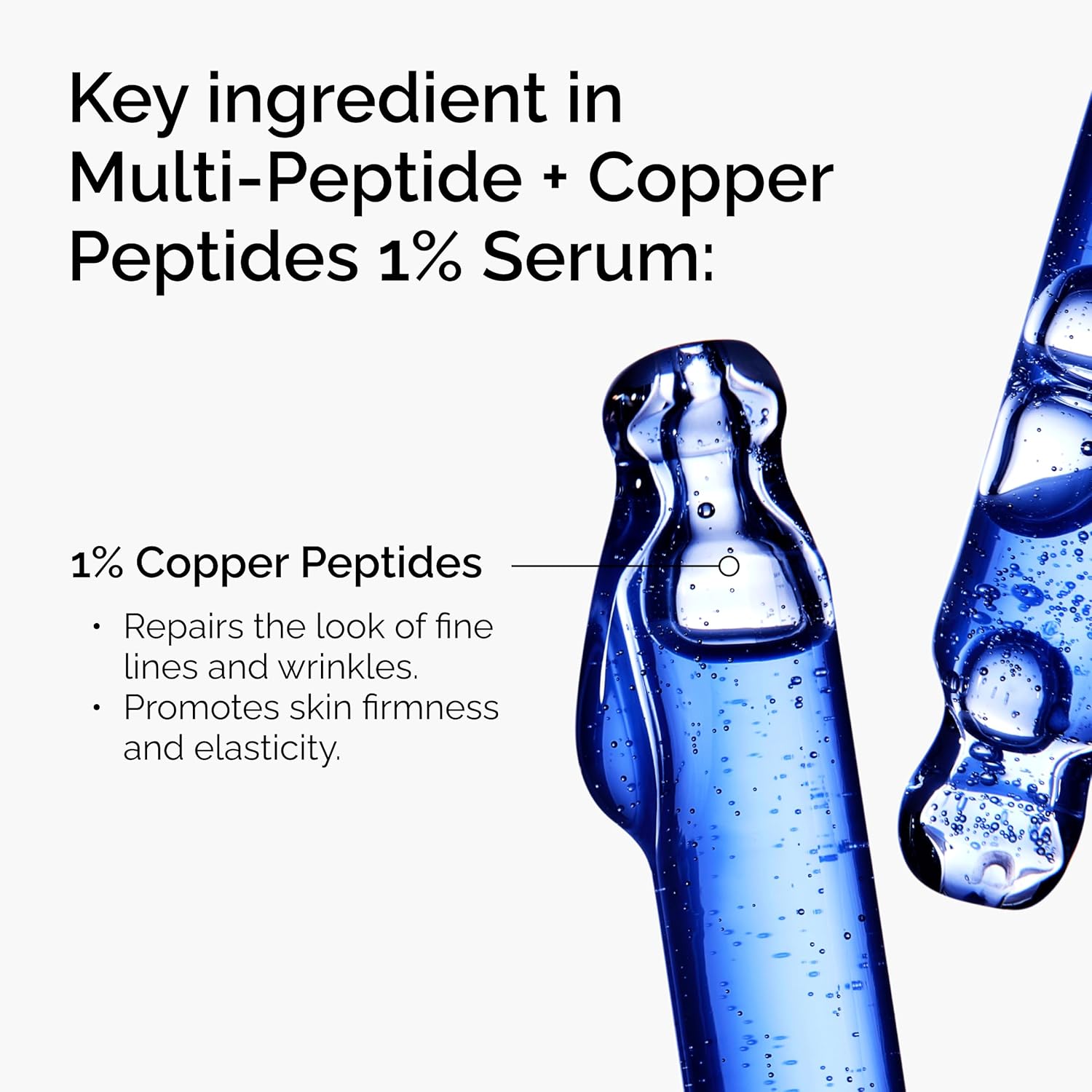
The hero pick — quality of formulation and dose justifying the price.
What copper tripeptide-1 is, chemically
The “GHK” name comes from its three amino acids: glycine, histidine, lysine. On its own, this glycyl-l-histidyl-l-lysine tripeptide is a signaling molecule the human body produces naturally — plasma concentrations decline with age, a fact often cited in marketing copy (correctly).
The “Cu” part is the copper ion bound to the tripeptide via the histidine residue. Copper is the active center: it converts GHK from a generic signaling molecule into one with measurable effects on dermal fibroblast activity, including stimulation of collagen and elastin synthesis at certain concentrations.
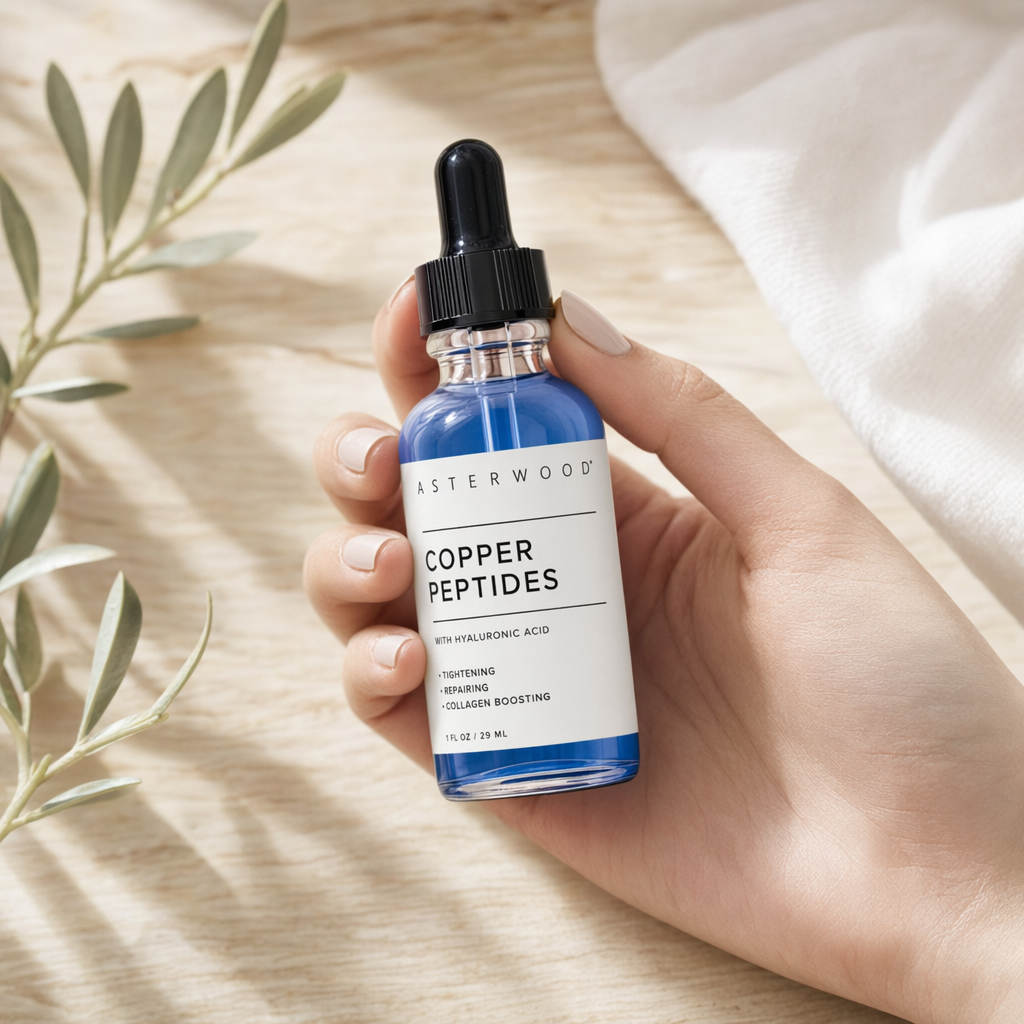
Consistency over twelve weeks is what produces visible results.
What the published research actually demonstrates
A 2015 review in BioMed Research International catalogued more than 100 published studies of GHK-Cu since 1973. The strongest evidence supports:
- Wound healing acceleration — used in clinical wound-care protocols since the 1990s, particularly for chronic non-healing wounds and post-surgical recovery.
- Collagen and elastin signaling — multiple controlled studies show fibroblast upregulation of types I and III collagen, glycosaminoglycans, and elastin precursors at GHK-Cu concentrations between 1 nM and 100 μM.
- Antioxidant activity — GHK-Cu helps neutralize reactive carbonyl species and reduces oxidative damage markers in skin models.
- Anti-inflammatory action — the copper-peptide complex modulates the activity of pro-inflammatory cytokines, which is why it pairs well with sensitized-barrier post-procedure protocols.
What the evidence does not support: dramatic, fast wrinkle reversal. GHK-Cu is a slow-acting signaling peptide. Twelve weeks of consistent use is the standard reference point for clinical studies; six-week marketing claims are overstating what the published curve shows.
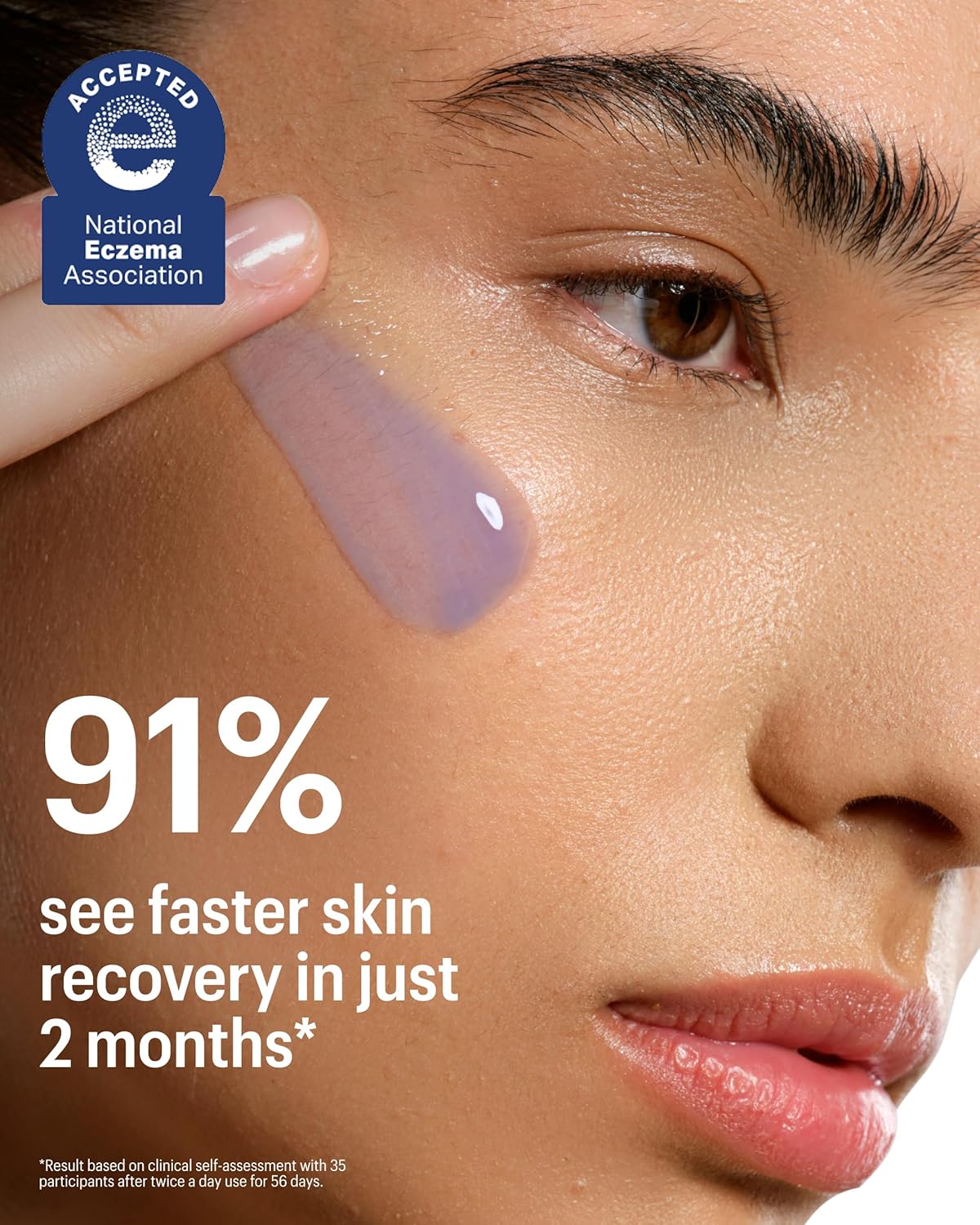
Budget-tier option from the picks discussed above.
Who should use copper tripeptide-1
Strong candidates
- Anti-aging routines in the 30s through 60s — the peptide signaling mechanism complements (not replaces) retinoid actives.
- Post-procedure skin — after microneedling, laser, or chemical peel, GHK-Cu accelerates recovery and reduces post-inflammatory redness. Dermatologists commonly recommend it specifically for this window.
- Compromised skin barrier from over-exfoliation — the anti-inflammatory action calms the underlying tissue while supporting structural repair.
- Hair-loss-prone scalp users — there is a separate (and smaller) body of evidence supporting topical GHK-Cu for hair-follicle stimulation, which is why several copper-peptide hair serums exist.
Less compelling candidates
Acne-active routines with strong actives (high-strength AHA, BHA, daily retinoid) may find GHK-Cu’s signaling effect competing with the controlled inflammation that exfoliation drives. Not contraindicated, but not the first add. And in routines focused exclusively on hyperpigmentation, you would prioritize vitamin C, tranexamic acid, or alpha-arbutin first; GHK-Cu’s brightening effect is secondary.
How to use it
The application sequence
Apply GHK-Cu serum to clean dry skin in the evening. Most products use a concentration between 0.05% and 1% (The Ordinary’s 1% is at the upper end of the over-the-counter range). Pea-sized amount, full face plus neck. Wait 60–90 seconds before the next step.
Frequency and ramp-up
Unlike a retinoid, GHK-Cu does not require a tolerance build-up. Daily use from week one is fine. The visible effects compound from week 4 onward and plateau around week 12–16.
Critical pairing rule — what to avoid
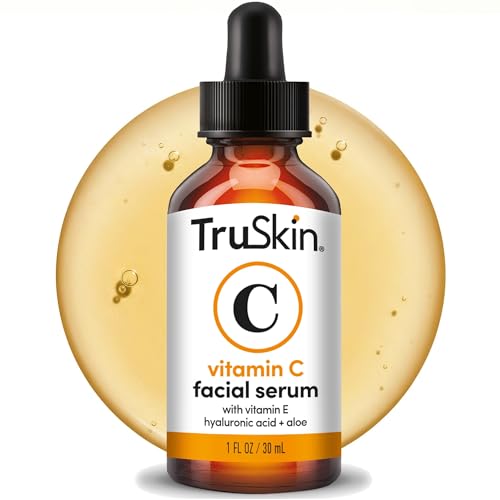
This is the one place GHK-Cu is genuinely fussy. Vitamin C (L-ascorbic acid) and copper tripeptide-1 should not be applied in the same routine step. The acidic vitamin C destabilizes the copper-peptide bond and oxidizes the GHK-Cu, breaking down both actives.
The practical workaround is to use them at different times of day: vitamin C in the AM, copper peptide in the PM. Or to alternate days. If both must be in the same routine, allow at least 30 minutes of full absorption between, and pH-buffer the skin with a hydrating step in between. The vitamin C molecule’s reactivity is what makes it powerful and what makes it incompatible with several other actives — copper peptide is one of them.
Pairs cleanly with: hyaluronic acid, niacinamide, peptides (matrixyl/argireline), retinoids (in alternate routines), ceramides, ectoin.
Side effects and tolerance
Copper peptide is one of the gentlest cosmetic actives in regular use. Tinge of irritation on first use is uncommon; documented allergic contact dermatitis is rare. The most common “problem” is cosmetic: GHK-Cu solutions can have a faint blue-green tint from the copper, which surprises some users on first application. The tint disappears as the serum absorbs.
Pregnancy and nursing: most dermatologists treat GHK-Cu as low-concern, but the standard advice applies — consult your obstetrician on the overall routine.
The 5 best copper peptide products at a glance

Pros
- GHK-Cu at 1% offers antioxidant environmental protection.
- Five peptide technologies address multiple aging concerns at once.
- Hyaluronic acid adds hydration without a separate step.
Cons
- Incompatible with direct acids, retinoids, and strong antioxidants.
- No texture or finish details specified in product data.
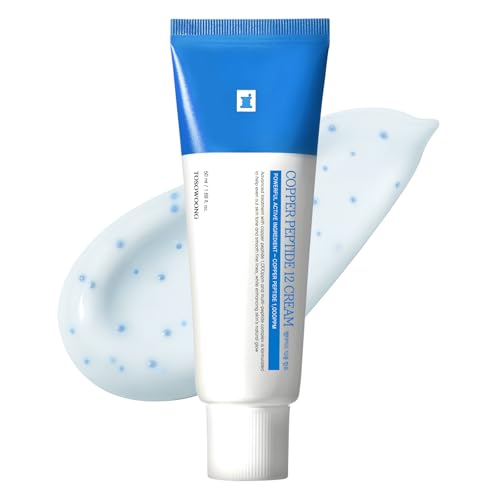
Pros
- High-purity GHK-Cu in a multi-peptide complex.
- Niacinamide and Vitamin C derivative SAP address discoloration.
- Lightweight, fast-absorbing formula suitable for sensitive skin.
Cons
- No independent clinical study data specified in product listing.
- Collagen water concentration context not fully detailed in source.
Pros
- High-purity GHK-Cu in a multi-peptide complex.
- Niacinamide and Vitamin C derivative SAP address discoloration.
- Lightweight, fast-absorbing formula suitable for sensitive skin.
Cons
- No independent clinical study data specified in product listing.
- Collagen water concentration context not fully detailed in source.
- Copper Tripeptide-1 (GHK-Cu) at 99% purity anchors a 12-peptide blend, including Palmitoyl Pentapeptide-4, suited for aging or elasticity-compromised skin seeking firming support.
- Lightweight cream texture absorbs quickly without heaviness, fits AM or PM routines, and pairs well with a hydrating serum; avoid layering with strong exfoliating acids.
- Copper Tripeptide-1 (GHK-Cu) 99% purity: supports collagen and elastin production, helping reduce fine lines and sagging.
- Acetyl Hexapeptide-8 and Palmitoyl Pentapeptide-4: peptide signals that may improve the appearance of wrinkles and skin texture.
- Niacinamide and SAP (Sodium Ascorbyl Phosphate): KFDA-approved actives that help visibly reduce dark spots and support even tone.
- Hyaluronic Acid: draws moisture into skin, contributing to a plumper, smoother surface feel.

Pros
- GHK-Cu may improve firmness and reduce fine lines.
- Lightweight texture absorbs quickly without residue.
- Clean formula free from sulfates, parabens, phthalates.
Cons
- No concentrations listed for any active ingredients.
- Zero reviews available to validate real-world performance.

Pros
- High-purity GHK-Cu at a stated 1,000ppm concentration.
- Broad peptide stack addresses firmness and texture together.
- Lightweight texture works across all skin types daily.
Cons
- No reviews yet to confirm real-world performance.
- Full ingredient list not specified in available product data.
Pros
- High-purity GHK-Cu at a stated 1,000ppm concentration.
- Broad peptide stack addresses firmness and texture together.
- Lightweight texture works across all skin types daily.
Cons
- No reviews yet to confirm real-world performance.
- Full ingredient list not specified in available product data.
- Copper Tripeptide-1 (GHK-Cu) at 1,000ppm works alongside Acetyl Hexapeptide-8 and Palmitoyl Pentapeptide-4 to help visibly reduce fine lines and support firmness, making it relevant for aging or loss-of-elasticity concerns.
- The lightweight serum applies after cleansing and toning in AM or PM routines; avoid layering with strong acids or retinoids until skin tolerance is established.
- Copper Tripeptide-1 (GHK-Cu) 1,000ppm: Supports collagen and elastin production to help visibly firm skin.
- Acetyl Hexapeptide-8: A signal peptide that may help reduce the appearance of expression lines.
- Palmitoyl Pentapeptide-4: Supports extracellular matrix proteins to improve skin texture and firmness.
- Hyaluronic Acid: Draws moisture into the skin to visibly plump and hydrate.

Pros
- Copper tripeptides target visible firmness and elasticity.
- Ectoin helps shield skin from external stressors.
- Lightweight finish sits well under makeup.
Cons
- No ingredient concentrations disclosed in product data.
- No customer reviews available to validate experience claims.
Pros
- Copper tripeptides target visible firmness and elasticity.
- Ectoin helps shield skin from external stressors.
- Lightweight finish sits well under makeup.
Cons
- No ingredient concentrations disclosed in product data.
- No customer reviews available to validate experience claims.
- Copper tripeptides work to visibly support skin firmness and elasticity, while ectoin helps protect against environmental stressors, making this suited for dry, sensitive, or mature skin types.
- The lightweight, fast-absorbing formula layers cleanly under makeup and fits a morning or evening routine; avoid pairing with high-strength acids on the same application to minimize potential irritation.
- Copper Tripeptide: Helps visibly improve skin firmness, elasticity, and overall texture over time.
- Ectoin: Helps protect skin from external environmental stressors and supports long-term resilience.
- Peptide Complex: Supports the skin's natural barrier and targets visible signs of fatigue.
Frequently asked questions
Is copper tripeptide-1 the same as Matrixyl?
No. Matrixyl is the brand name for palmitoyl pentapeptide-4 (and several related variants), a different peptide complex with a different mechanism. Both signal collagen synthesis, but they do so via different receptor pathways. They pair well — using both is a reasonable advanced routine.
What concentration of copper peptide is best?
Published studies use a wide range (1 nM to 100 μM in solution; 0.05% to 2% in formulated products). For over-the-counter use, 0.1% to 1% is the sweet spot. Higher concentrations do not add proportional benefit and may oxidize faster on the shelf.
Does copper peptide work for hair loss?
There is meaningful preliminary evidence for topical GHK-Cu in hair-follicle stimulation, particularly in androgenetic alopecia. The dedicated copper peptide hair serums (typically formulated at higher concentrations than face serums) have a small published evidence base. Not a substitute for minoxidil or finasteride, but a reasonable add.
Why does my copper peptide serum look blue or green?
The color is the copper ion. It is expected and does not indicate oxidation. Once it disappears on the skin, the peptide has absorbed.
How long does an open bottle last?
Six to nine months. Copper peptide solutions are more stable than vitamin C but still degrade with air and heat exposure. Store away from direct sunlight and finish bottles within their open-jar period.
Authoritative sources
Copper tripeptide-1 (GHK-Cu) has a research record going back to the early 1970s. Primary sources for the claims in this profile:
- GHK-Cu — Wikipedia entry on the tripeptide-copper complex
- Peptides — Wikipedia overview of the molecule class
- NIH PubMed Central — 2015 review of GHK-Cu in skin regeneration
- American Academy of Dermatology — anti-aging skincare guidance
- FDA — wrinkle-treatment cosmetic claims framework
- Copper in health — Wikipedia on copper biology relevant to GHK-Cu mechanism
Related reading
- Palmitoyl tripeptide-1 — the matrixyl-family peptide that pairs with copper
- Best anti-aging serum for your 50s — where copper peptide fits in a mature routine
- Best retinol serum — the alternate-night active that GHK-Cu complements





Write Your Review
No reviews yet. Be the first to share your experience!