

TL;DR: Both azelaic acid and vitamin C address pigmentation and dullness, but they work through different mechanisms. Azelaic acid is the better pick for redness-prone, rosacea, and acne-related post-inflammatory hyperpigmentation. Vitamin C is the better pick for sun-driven pigmentation, environmental antioxidant defense, and overall radiance. They are compatible — most users benefit from azelaic acid in PM and vitamin C in AM.
The “azelaic acid vs vitamin C” question comes up because both ingredients show up in brightening and even-tone marketing copy. The honest answer is that they are not competitors — they target overlapping but distinct problems. Choosing the right one starts with understanding what your skin is actually dealing with.

The hero pick — quality of formulation and dose justifying the price.
Side-by-side at a glance
| Azelaic Acid | Vitamin C | |
| What it is | Dicarboxylic acid (from grains) | Ascorbic acid (or stable derivative) |
| Primary action | Anti-inflammatory + tyrosinase-inhibition | Antioxidant + tyrosinase-inhibition |
| Best for | Rosacea, acne, post-acne marks, redness | Sun spots, dullness, environmental damage |
| Strength | Mild to moderate | Moderate (10–15% L-ascorbic) |
| Irritation risk | Very low | Moderate (L-ascorbic can sting) |
| Use time | AM or PM, both fine | AM preferred (UV defense) |
| Combine with | Niacinamide, retinoid (alternate), HA | Vitamin E, ferulic acid, SPF |
| Avoid with | Strong AHA/BHA in same step | Copper peptide, retinol (same step) |
| Visible results | 8–12 weeks | 8–12 weeks |

Consistency over twelve weeks is what produces visible results.
How they actually work
Budget-tier option from the picks discussed above.
Azelaic acid — anti-inflammatory + selective brightening
Azelaic acid is a naturally occurring dicarboxylic acid found in grains (wheat, rye, barley). At dermatology-strength concentrations (15–20%, prescription), it is used to treat rosacea and acne. At over-the-counter strengths (10%), it provides milder versions of the same benefits. Its tyrosinase-inhibition action targets active melanocytes — the cells producing pigment in response to inflammation — which is why it works particularly well on post-inflammatory hyperpigmentation (PIH) from acne or rosacea flares.
The key distinguishing feature: azelaic acid does not bleach skin or affect resting melanocytes. It only down-regulates the over-producing ones. That makes it the safest brightening active for all skin tones.
Vitamin C — antioxidant + broader brightening
Vitamin C (L-ascorbic acid in its pure form) works as both a tyrosinase inhibitor and an antioxidant. The antioxidant function is the more important one for daytime use — it neutralizes free radicals from UV and pollution that drive both pigmentation and collagen breakdown. The brightening effect is broader than azelaic acid’s: it targets sun-driven pigmentation, environmental dullness, and overall radiance, not just inflammation-driven discoloration.
When to use which
Pick azelaic acid if:
- Your hyperpigmentation came from acne breakouts or rosacea flares (PIH).
- Your skin is sensitive, rosacea-prone, or reactive to most actives.
- You also have active acne or breakouts — azelaic acid is one of the few actives that addresses both.
- You want to brighten without bleaching, particularly on deeper skin tones.
Pick vitamin C if:
- Your discoloration is sun-driven (sunspots, melasma from UV exposure).
- You want general radiance and antioxidant defense, not just spot treatment.
- You can tolerate moderate active strength and are not prone to irritation.
- You will commit to using it in the morning with SPF — vitamin C’s primary value is daytime UV defense.
Can you use them together?
Yes, and the combination is genuinely additive — they hit pigmentation through complementary mechanisms. The clean way to combine:
- AM: Vitamin C → moisturizer → SPF
- PM: Azelaic acid → moisturizer (skip the retinoid on azelaic nights to start, add later if tolerated)
If you want both in the same routine, allow at least 30 minutes between them and apply azelaic acid second. The two molecules are chemically compatible; the gap is more about not overloading the skin with two actives back-to-back.
Best azelaic acid products at a glance

Pros
- Multi-tasking formula combines three active ingredients effectively.
- Instant cooling sensation soothes reactive post-shave skin.
- Fast-absorbing gel-cream leaves zero sticky residue behind.
Cons
- Menthol may irritate sensitive skin types.
- No ingredient percentages listed on packaging.

Mopayzer Azelaic Acid 14% Acne Cream with Niacinamide and Vitamin C for Redness and Dark Spots
Pros
- High 14% azelaic acid concentration targets multiple concerns.
- Multi-active formula includes niacinamide, vitamin C, salicylic acid.
- Lightweight texture absorbs easily without heaviness.
Cons
- No clinical data or third-party testing referenced.
- Brand is new with no published customer reviews yet.

Pros
- Multi-active formula targets texture, oiliness, and blemishes.
- Lightweight gel-cream suits oily and combination skin well.
- Niacinamide and vitamin C address tone and shine together.
Cons
- No concentrations listed for any active ingredients.
- Zero reviews available to validate real-world performance.

Pros
- Multi-active formula addresses tone, texture, and pores simultaneously.
- Cooling menthol finish soothes reactive and post-shave skin.
- Zero-residue gel-cream texture works under makeup or SPF.
Cons
- No concentration data available for any listed active ingredient.
- Menthol may sensitize reactive or compromised skin barriers.
Pros
- Multi-active formula addresses tone, texture, and pores simultaneously.
- Cooling menthol finish soothes reactive and post-shave skin.
- Zero-residue gel-cream texture works under makeup or SPF.
Cons
- No concentration data available for any listed active ingredient.
- Menthol may sensitize reactive or compromised skin barriers.
- Azelaic acid pairs with salicylic acid and niacinamide to visibly address uneven tone, surface congestion, and post-blemish marks, making it a practical fit for oily and acne-prone skin types.
- The water-based gel-cream absorbs quickly with a matte, zero-residue finish suited to AM use; avoid layering with occlusive moisturizers or high-concentration exfoliants that could compound sensitivity.
- Azelaic Acid: Helps visibly reduce redness and supports a more even skin tone.
- Niacinamide: May improve the appearance of dark spots and dullness over time.
- Salicylic Acid: Dissolves surface debris to refine the look of congested pores.
- Menthol and Eucalyptus: Provide an immediate cooling sensation for post-shave comfort.

Pros
- Triple-active formula targets wrinkles, dullness, and hydration.
- Suitable for sensitive skin per brand formulation notes.
- Paraben-free with antioxidant protection against environmental stressors.
Cons
- Oxidation yellowing may concern texture-sensitive users.
- Concentration of vitamin C not specified in product data.
Pros
- Triple-active formula targets wrinkles, dullness, and hydration.
- Suitable for sensitive skin per brand formulation notes.
- Paraben-free with antioxidant protection against environmental stressors.
Cons
- Oxidation yellowing may concern texture-sensitive users.
- Concentration of vitamin C not specified in product data.
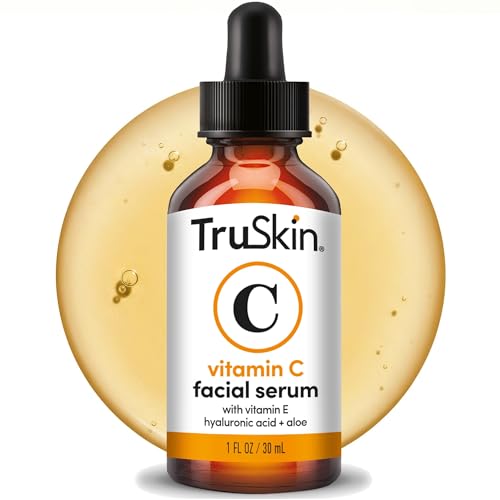
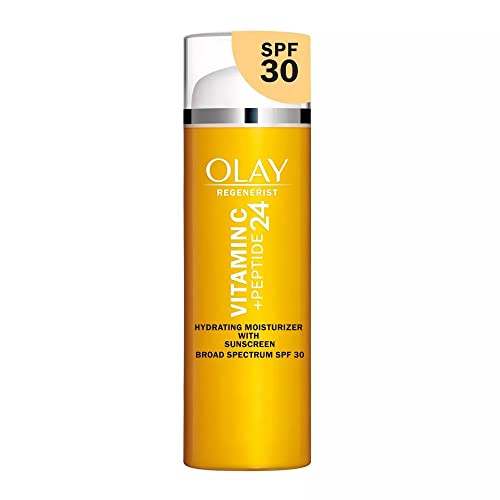
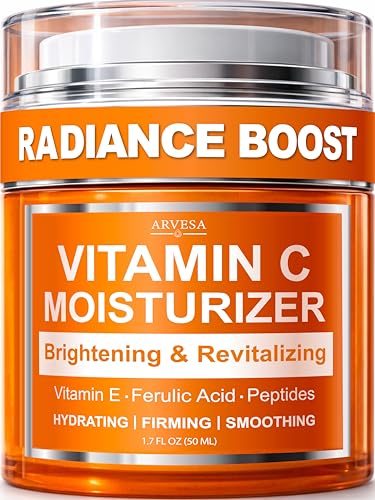
- Pure vitamin C paired with salicylic acid targets uneven tone and dullness, while hyaluronic acid adds hydration, making it suitable for sensitive and combination skin types.
- Best placed in an AM routine under SPF; avoid layering with other exfoliating acids, as salicylic acid is already present in the formula.
- Vitamin C: Antioxidant that helps visibly reduce wrinkles and boost radiance.
- Hyaluronic Acid: Draws moisture into skin to support hydration and plumpness.
- Salicylic Acid: Supports skin clarity and may improve the appearance of uneven tone.
Frequently asked questions
Is azelaic acid stronger than vitamin C?
At over-the-counter strengths, no. Prescription azelaic acid (15–20%) is stronger than most OTC vitamin C in terms of clinical effect. Over-the-counter azelaic at 10% and vitamin C at 10–15% L-ascorbic are roughly comparable — they just hit different aspects of pigmentation.
Which one is safer for sensitive skin?
Azelaic acid, by a meaningful margin. The molecule is unusually well-tolerated. Vitamin C, particularly L-ascorbic at 15%+, can sting and irritate sensitive skin, especially during the first 2–3 weeks.
Can I use azelaic acid every day?
Yes. Twice-daily is fine. Most users do AM and PM. See our full guide to how often to use azelaic acid for the ramp-up schedule.
Does combining azelaic acid and vitamin C destroy either of them?
No. Unlike vitamin C + copper peptide (which oxidizes the copper), azelaic acid and vitamin C are chemically compatible. The only reason to space them is application comfort, not chemical conflict.
Authoritative sources
Both ingredients have substantial dermatology literature. Primary sources for the claims in this comparison:
- Azelaic acid — Wikipedia on chemistry, indications, and history
- Vitamin C (ascorbic acid) — Wikipedia overview
- Tyrosinase — Wikipedia on the enzyme both ingredients inhibit
- AAD — hyperpigmentation overview and treatment principles
- NIH PubMed Central — review of azelaic acid mechanisms
- NIH PubMed Central — topical vitamin C in dermatology
Related reading
- Can you use azelaic acid with vitamin C? — the dedicated Q&A
- Best vitamin C serum — picks for the AM step
- Best skincare for hyperpigmentation — the broader routine





Write Your Review
No reviews yet. Be the first to share your experience!