

TL;DR: Azelaic acid is a gentle anti-inflammatory + tyrosinase-inhibiting acid that targets redness, rosacea, and post-inflammatory pigmentation without exfoliating. Glycolic acid is the most potent over-the-counter AHA — it exfoliates aggressively and brightens but can irritate sensitive skin. They solve different problems and pair well at different times of day.
Both ingredients show up under the umbrella term “acid” in skincare marketing, which causes a lot of consumer confusion. Their mechanisms, ideal users, and irritation profiles are almost opposites. The right choice depends entirely on what your skin is actually dealing with.

The hero pick — quality of formulation and dose justifying the price.
Side-by-side at a glance
| Azelaic Acid | Glycolic Acid | |
| Type | Dicarboxylic acid (from grains) | Alpha hydroxy acid (AHA) |
| Primary action | Anti-inflammatory + tyrosinase inhibition | Surface exfoliation + collagen stimulation |
| Best for | Rosacea, acne, PIH, redness | Texture, dullness, sun-damage, fine lines |
| Skin types | All — including sensitive | Normal-to-oily, mature; risky for sensitive |
| Strength OTC | 10% | 5–20% |
| Irritation risk | Very low | Moderate-to-high (esp. at 7%+) |
| Use frequency | Twice daily | 2–3 times weekly |
| Combine with | Niacinamide, vit C, retinoid, HA | Hydrators, niacinamide; gently with vit C |
| Avoid with | AHA/BHA in same step | Retinoid same step, BHA same step |
| Pregnancy-safe | ✓ Yes | ✓ Yes (low doses) |
Consistency over twelve weeks is what produces visible results.
How each one actually works
Azelaic acid — anti-inflammatory, not exfoliating
Despite the “acid” in the name, azelaic acid does not exfoliate the way an AHA does. It inhibits an enzyme called tyrosinase in melanocytes that are over-producing pigment (the cells active around acne breakouts or rosacea inflammation), down-regulates inflammation, and has mild antibacterial activity against the bacteria implicated in inflammatory acne. It does not break down the bonds between dead skin cells.
Glycolic acid — surface exfoliation
Glycolic acid is the smallest AHA molecule, which means it penetrates the stratum corneum quickly and dissolves the protein bonds (corneodesmosomes) holding dead cells together. The result is faster cell turnover, smoother surface texture, and over weeks, fade of surface pigmentation and improved collagen synthesis at higher concentrations.
When to pick which
Pick azelaic acid if:
- Your skin is sensitive, rosacea-prone, or flushes from most actives.
- Your pigmentation came from acne (PIH) or rosacea flares.
- You have active breakouts and want one ingredient that handles both inflammation and tone.
- You’re pregnant — both are considered safe, but azelaic has the cleanest pregnancy track record.
Pick glycolic acid if:
- Your concerns are texture, dullness, fine lines, or sun-driven dark spots.
- Your skin tolerates actives well and you want a faster-acting brightener.
- You’re a normal-to-oily type with a thicker stratum corneum (mature sun-damaged skin specifically benefits).
Can you use them together?
Yes, but not in the same step. The reason is pH: glycolic works best below pH 4, azelaic is stable around pH 4–5. Stacking wet-on-wet shifts local pH and reduces effectiveness of both. The clean way to layer:
- AM: Azelaic acid → moisturizer → SPF
- PM: Glycolic acid (2–3x weekly) → moisturizer (no retinoid that night)
Or alternate evenings — azelaic Mon/Wed/Fri, glycolic Tue/Thu. Skin tolerates this pattern better than daily stacking.
Product picks at a glance

Pros
- Convenient pre-soaked pads eliminate measuring steps.
- Three active ingredients address multiple concerns simultaneously.
- Centella provides soothing support alongside exfoliation.
Cons
- Combining azelaic and glycolic acid may irritate sensitive skin.
- No pH level disclosed for the formula.
Pros
- Convenient pre-soaked pads eliminate measuring steps.
- Three active ingredients address multiple concerns simultaneously.
- Centella provides soothing support alongside exfoliation.
Cons
- Combining azelaic and glycolic acid may irritate sensitive skin.
- No pH level disclosed for the formula.
- Pre-soaked pads combine 10% azelaic acid, glycolic acid, and centella extract to help reduce acne and redness on acne-prone skin.
- Gentle toner pad format works well in evening routines; pair with hydrating serums afterward and avoid layering additional acids on the same night.
- Azelaic Acid 10%: Helps reduce visible acne and calm redness on affected areas.
- Glycolic Acid: Gently exfoliates surface cells to refine pore appearance and texture.
- Centella Extract: Soothes irritation and supports skin comfort during the exfoliation process.

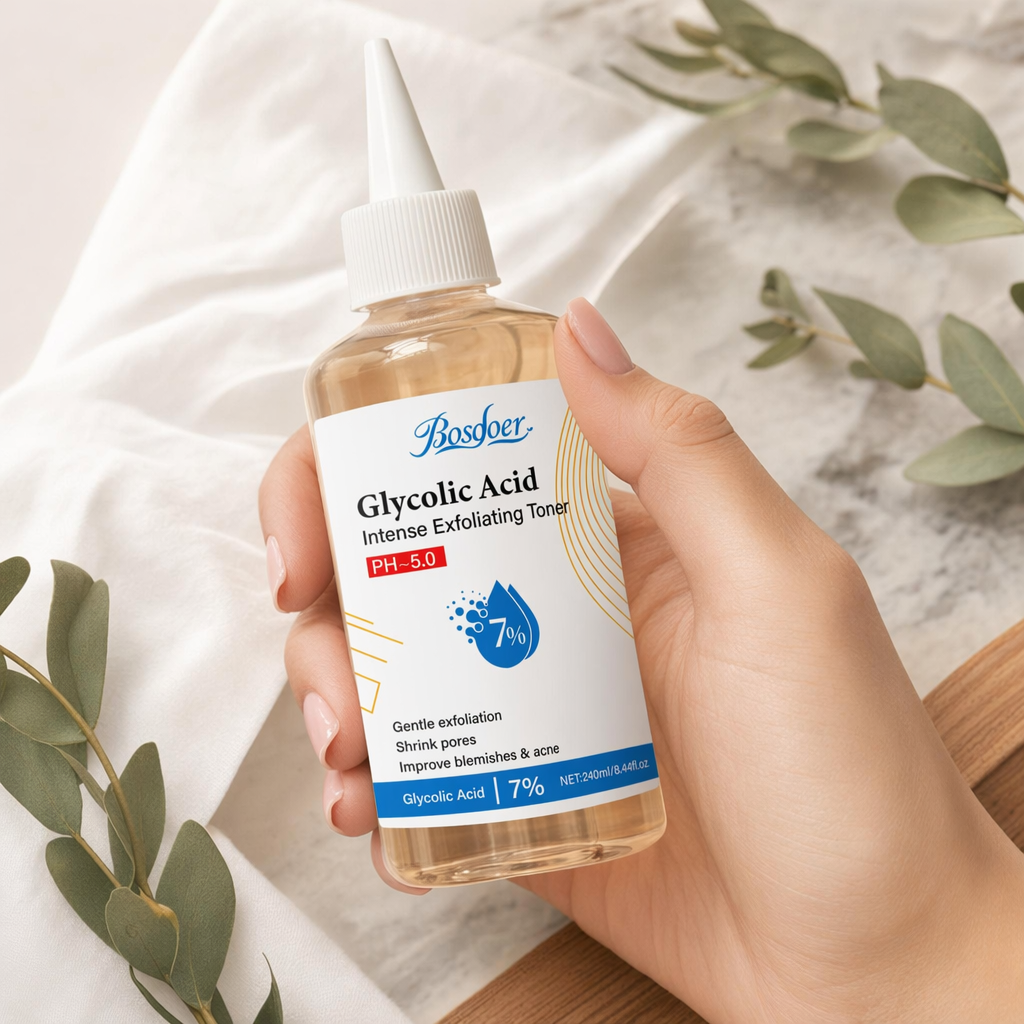
The Ordinary Glycolic Acid 7% Exfoliating Toner - Brightens, Smooths & Evens Skin Tone for Radiant Complexion
Pros
- Effectively brightens and evens skin tone
- Improves texture and reduces fine lines
- Gentle for daily use once tolerance is built
- Clean, alcohol-free and vegan formula
- High customer satisfaction from real users
Cons
- Not suitable for sensitive or compromised skin
- Increases sun sensitivity, requiring sunscreen
- Cannot be combined with other direct acids in same routine
The Ordinary Glycolic Acid 7% Exfoliating Toner is a potent water-based AHA solution designed for those looking to exfoliate dead skin cells, revealing brighter and more even skin tone. It targets texture issues and fine lines, making it perfect for normal to tolerant skin types in a PM routine.
Standout features include its 7% glycolic acid concentration that delivers visible smoothing and brightening with regular use, starting 2-3 times weekly for beginners. The alcohol-free, silicone-free formula feels lightweight and absorbs quickly, promoting a radiant complexion without greasiness. Real-world performance shines in reducing dullness and uneven tone over time.
Build quality is top-notch with a simple, effective suspension that ensures stability and ease of application via cotton pad. It pairs well with the brand's other exfoliators but requires alternating with retinoids or other acids to avoid irritation.
Drawbacks include unsuitability for sensitive skin and heightened sun sensitivity, so daily SPF is essential. Patch testing is advised for newcomers.
Verdict: A must-have for affordable, results-driven exfoliation that transforms skin texture and tone with consistent use.
Apply once daily in your PM routine after cleansing, using a cotton pad to swipe over face and neck. Start with 2-3 times per week if new to AHAs, gradually increasing as tolerance builds.
Avoid using with other direct acids or strong retinoids in the same routine; alternate or split AM/PM. Always follow with moisturizer and use sunscreen daily due to increased sun sensitivity.
Not recommended for sensitive, peeling, or compromised skin. Perform a patch test first if concerned about reactions.
Format: Water-based toner. Targets: Skin texture. Suited to: All skin types except sensitive. When to use: Night. Alcohol-free: Yes. Oil-free: Yes. Silicone-free: Yes. Vegan: Yes. Cruelty-free: Yes.

Pros
- High 10% azelaic acid concentration at an accessible price.
- Suitable for sensitive skin with patch-test guidance included.
- Layered actives: niacinamide, vitamin C, and coffee seed extract.
Cons
- Texture and finish not specified in available product data.
- Tolerance-building required, limiting immediate twice-daily use.

Pros
- High-strength AHA blend targets texture and uneven tone.
- Sodium hyaluronate prevents post-peel tightness.
- Fragrance-free, straightforward weekly PM placement.
Cons
- High acid concentration requires careful frequency management.
- 30 ml size may not last extended use cycles.
Frequently asked questions
Which one is stronger?
They are not comparable on a “strength” axis because they do different jobs. Glycolic exfoliates more aggressively (so it feels stronger). Azelaic has stronger anti-inflammatory action. Choose by what your skin needs, not by perceived potency.
Which is safer for darker skin tones?
Azelaic acid. Glycolic can trigger post-inflammatory hyperpigmentation (PIH) in deeper skin tones if used too aggressively. Azelaic’s anti-inflammatory action actually reduces PIH risk.
Can I use azelaic acid daily but glycolic only weekly?
Yes — that is the standard split. Azelaic twice daily; glycolic 1–3 times per week depending on tolerance.
Which one for melasma?
Azelaic acid is the dermatology recommendation for melasma. It targets the over-active melanocytes melasma involves without irritating the surrounding skin. Glycolic can help fade surface pigmentation but does not address the underlying hyperactivity the way azelaic does.
Related reading
- Azelaic acid vs vitamin C — the other azelaic comparison
- AHA vs BHA — where glycolic fits in the broader acid family
- How often to use azelaic acid
- Best skincare for hyperpigmentation
Authoritative sources
Primary references for the claims in this comparison:





Write Your Review
No reviews yet. Be the first to share your experience!