Retinol is off the table during pregnancy, but that doesn’t mean your skincare routine has to stall for nine months. Plenty of expecting parents want to keep firming, smoothing, and brightening without the risk that comes with vitamin A derivatives. The good news is that bakuchiol, peptides, and hyaluronic acid can pick up a lot of that slack. They’re gentler, better studied for sensitive skin, and easier to fold into a simple morning-and-night routine. Below you’ll find five pregnancy-friendly serums and oils that skip retinol entirely while still targeting fine lines, dullness, and loss of bounce. If you want more on ingredient safety, our pregnancy-safe skincare guide walks through what to avoid and why.
Quick answer: Bakuchiol is the closest plant-based stand-in for retinol and it’s widely considered pregnancy-friendly. Cetaphil Healthy Renew uses peptides for firming, while Beekman 1802, Good Molecules, and Nano Recipe lean on bakuchiol. Always confirm with your OB before adding anything new.



How We Evaluated These Pregnancy-Safe Serums
We started by ruling out anything containing retinol, retinal, or prescription vitamin A, since those are the ingredients most OBs ask patients to pause. From there we looked for formulas built around bakuchiol, peptides, or hyaluronic acid, the three actives with the strongest track record for gentle anti-aging. We prioritized products that are fragrance-light or fragrance-free, since sensitivity often spikes during pregnancy. Texture mattered too: a serum that’s sticky or heavy tends to get skipped, so we favored fast-absorbing oils and lightweight liquids. We also weighed value, ingredient transparency, and how easy each one is to layer under moisturizer or SPF. None of this replaces medical advice, so treat these as starting points and confirm with your provider first.
Cetaphil Healthy Renew Anti-Aging Face Serum — Best For Sensitive Skin
If your skin flares at the first sign of anything active, Cetaphil’s retinol-free serum is a calm place to start. It leans on peptides rather than bakuchiol, which makes it a smart pick for people who react to plant extracts or just want the mildest option on this list. The 1oz bottle is fragrance-conscious and formulated with the same barrier-friendly philosophy Cetaphil is known for, so it won’t leave you tight or stinging. Peptides support firmness and elasticity over time, so you’re playing a slower game here than you would with retinol, but it’s a steady one. It absorbs cleanly and layers well under moisturizer. The main trade-off is patience: results build gradually, and if you want dramatic resurfacing you won’t get it here. For everyday maintenance during pregnancy, though, it’s hard to beat on gentleness.
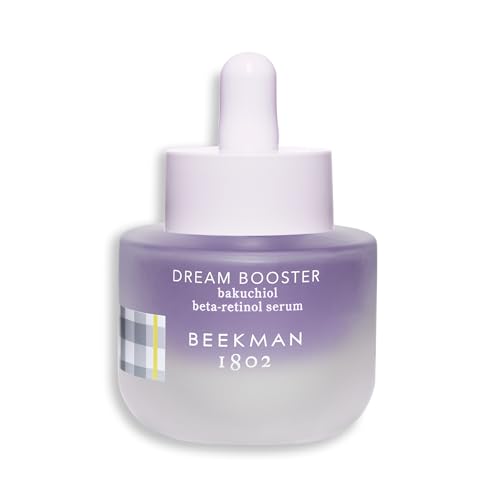
Beekman 1802 Dream Booster Bakuchiol Face Serum — Best For Nighttime Repair
Beekman 1802’s Dream Booster is built for the overnight shift, when skin does most of its recovery work. Bakuchiol is the headliner, and it’s the ingredient most often cited as a retinol substitute because it nudges cell turnover without the irritation. At 0.5 fl oz the bottle is compact, but a little goes a long way since the serum is concentrated. The brand pairs its signature goat milk with bakuchiol, which adds a soothing, nourishing layer that helps offset any dryness. You’ll notice a smoother surface and a bit more glow after a few weeks of consistent use. It’s a touch richer than a plain water-based serum, so oily types may prefer to reserve it for evenings only. If you’re after a treatment-style step that still feels kind to reactive skin, this one earns its spot.
Burt’s Bees Renewal Intensive Firming Serum — Best For Everyday Firming
Burt’s Bees pairs a natural retinol alternative with hyaluronic acid, so you get firming and hydration in one step. That combination is what makes it a solid daily driver: the bakuchiol-style active works on tone and texture while the hyaluronic acid plumps and holds moisture. It’s a wallet-friendly option compared to a lot of specialty serums, which matters when you’re stocking up on other pregnancy essentials too. The formula feels light and sinks in without residue, so it plays nicely under SPF in the morning. People with very dry skin might want a richer moisturizer on top, since the serum itself is more about actives than deep nourishment. For consistent, no-drama firming that doesn’t cost a fortune, it’s an easy recommendation.
Good Molecules Bakuchiol Oil Blend — Best For Oily Skin
It sounds counterintuitive, but a well-chosen facial oil can actually help balance oily and combination skin, and Good Molecules built this 12 ml blend with that in mind. Bakuchiol delivers the retinol-alternative benefits while the lightweight oil base absorbs fast instead of sitting greasy on the surface. Because it’s an oil, you’ll want to apply it as the last step at night or mix a drop into your moisturizer. The dropper makes it easy to control exactly how much you use, so you can keep things minimal. The price point is genuinely low, which makes it a low-risk way to try bakuchiol for the first time. The main caveat is the small size: at 12 ml it won’t last as long as a full serum bottle, so heavy users may go through it quickly.
Nano Recipe Korean Bakuchiol 10,000ppm Concentrate — Best For Customizing Your Routine
Nano Recipe takes a different approach: instead of a ready-to-use serum, it’s a high-strength bakuchiol concentrate you add to products you already own. Two drops mixed into your moisturizer or serum instantly turn your existing step into a bakuchiol treatment, which is clever if you don’t want to overhaul a routine that’s already working. The 10,000ppm concentration is potent, so you’re getting a meaningful dose without buying yet another bottle. This flexibility is the whole appeal, and it makes the concentrate stretch across many uses. That said, it does ask more of you: you have to remember to add it, and beginners who want a grab-and-go product may find the mixing step fiddly. For anyone who likes tinkering with their skincare, though, it’s a genuinely fun and economical option.
How to Choose a Pregnancy-Safe Retinol Alternative
Confirm the active fits your comfort level. Bakuchiol is the closest functional match to retinol and it’s widely regarded as pregnancy-friendly, but peptides and hyaluronic acid are even gentler if you’re extra cautious. If your skin is reactive or you’re in your first trimester and feeling careful, a peptide serum like Cetaphil’s is a lower-stakes entry point. Bakuchiol picks make sense once you know your skin tolerates plant actives well. There’s no single right answer here, so match the ingredient to how adventurous you feel.
Match the texture to your skin type. Oily and combination skin usually does best with fast-absorbing liquids or light oils, which is where Good Molecules and Burt’s Bees shine. Drier skin tends to appreciate the richer, more nourishing feel of Beekman 1802. If you can’t decide, a lightweight serum layered under your usual moisturizer is a safe default that works for most people. Pay attention to how your skin feels an hour after applying: tightness means you need more moisture, greasiness means you need less.
Introduce one product at a time. Pregnancy can make skin unpredictable, so resist the urge to swap everything at once. Add a single new serum, try a small amount first on your inner arm or jaw, and give it a few days before deciding it works for you. This slow rollout makes it easy to spot what your skin loves and what it doesn’t. And whatever you pick, run it past your OB or dermatologist, because they know your history and can flag anything specific to your pregnancy.
Frequently Asked Questions
Is bakuchiol actually safe during pregnancy?
Bakuchiol is a plant-derived compound that mimics some of retinol’s benefits without being a vitamin A derivative, and it’s generally considered pregnancy-friendly by many dermatologists. That said, there aren’t large-scale pregnancy studies on it, so most experts take a cautious stance. The practical move is to check with your OB before you start. If they give the green light, bakuchiol is one of the better-researched gentle options you’ll find for maintaining firmness and glow.
Why do I have to stop using retinol while pregnant?
Retinol and prescription retinoids are vitamin A derivatives, and high doses of vitamin A have been linked to birth risks. Because topical absorption is hard to measure precisely, doctors typically recommend pausing all retinoids as a precaution. It’s not worth the gamble when gentler alternatives exist. Once you’ve finished pregnancy and any breastfeeding your provider flags, you can usually reintroduce retinol, but always confirm the timing with them first.
Can I use these serums while breastfeeding too?
Many people continue bakuchiol and peptide serums while nursing, and they’re often considered safer than retinol during that phase as well. Still, the guidance varies, and some actives cross into breast milk more than others. Your best bet is to bring the exact product and its ingredient list to your provider and ask directly. They’ll weigh your situation and give you a clearer answer than any general rule can.
How long until I see results from a retinol alternative?
Give it patience. Bakuchiol and peptides work more gradually than retinol, so most people notice smoother texture and a bit more radiance around the four-to-eight week mark with consistent use. Firming and fine-line improvements take longer, often several months. If you’re expecting overnight change, you’ll be disappointed, but steady daily use pays off. Snapping a before photo helps you track progress that’s easy to miss day to day.
Do I still need sunscreen with these products?
Absolutely, and arguably more than ever. None of these serums replace SPF, and skin can become more sensitive to sun during pregnancy, which raises the risk of melasma and dark patches. Apply a broad-spectrum mineral sunscreen every morning as your final daytime step. It’s the single most effective anti-aging habit you can keep, pregnant or not, and it protects the results your serum is working toward.
Bottom Line
There’s no reason to hit pause on caring for your skin just because retinol is off-limits for now. Bakuchiol picks like Beekman 1802, Good Molecules, and Nano Recipe give you a retinol-style boost with a gentler profile, while Cetaphil’s peptide serum and Burt’s Bees’ hyaluronic blend keep things extra low-key. Match the texture to your skin type, add one product at a time, and don’t skip your morning SPF. Above all, loop in your OB or dermatologist before you start, since they know what’s right for your pregnancy. Pick the one that fits your routine and you’ll keep your glow going.