Hormonal breakouts don’t play by the same rules as regular acne. They flare along the jaw and chin, they cycle with your period, and they laugh at the spot treatments that used to work in your twenties. Retinoids are one of the few ingredients that actually push back, because they speed up cell turnover and keep pores from clogging in the first place. But not every retinol is worth your money, and the wrong one can leave you flaky and frustrated. We pulled together five options that balance real strength with skin comfort, from adapalene gels to overnight patches. If you’re also dealing with congestion, our guide to the best cleansers for acne-prone skin pairs nicely with anything here. Here’s what we’d reach for and why.
Quick answer: Adapalene gels like La Roche-Posay Effaclar and Differin are the strongest over-the-counter retinoids for hormonal acne, since adapalene targets the clogged pores that fuel jawline breakouts. For gentler routines, an AcneFree retinol serum or overnight hydrocolloid patches from Rael offer lower-irritation ways in.



Pros
- Retinol, hyaluronic acid, and niacinamide work synergistically for texture and tone.
- Oil-free formulation suits oily and acne-prone skin without clogging.
- Affordable entry point for retinol users new to active exfoliation.
- Compact 1-ounce size allows testing before committing to larger bottles.
Cons
- Retinol concentration not specified; may be lower-strength than professional formulas.
- No texture or scent details provided; potential irritant profile unclear for sensitive skin.
- Requires pairing with sunscreen during day; retinol is evening-only active.
How We Evaluated These Retinol Picks for Hormonal Acne
We focused on formulas that address the specific way hormonal acne behaves: deep, cystic bumps that recur in the same spots. Adapalene rose to the top because it’s the one retinoid the FDA cleared for over-the-counter acne use, and it’s less irritating than older prescription options at comparable strength. We weighed concentration, so you know whether you’re getting a true 0.1% adapalene or a milder cosmetic retinol. We looked at supporting ingredients like niacinamide and hyaluronic acid that calm redness and offset dryness. We considered format too, since a gel, a serum, and an overnight patch each suit different routines and skin types. Price and value mattered, and so did how sensitive skin tends to react. Nothing here requires a prescription, and each pick has a track record with people fighting the same cyclical breakouts you are.
La Roche-Posay Effaclar Adapalene Gel 0.1% Acne Treatment, 1.6oz — Best For Cystic Jawline Breakouts
The La Roche-Posay Effaclar Adapalene Gel 0.1% is a full-strength adapalene at the same concentration as prescription Differin, and it’s our top choice for the deep, painful cysts that define hormonal acne. Adapalene works inside the pore to normalize how skin cells shed, which is exactly what you need when breakouts keep resurfacing along the jaw and chin. The 1.6oz tube is generous, so a pea-sized nightly amount lasts months. La Roche-Posay’s thermal spring water base makes it a touch more soothing than bare-bones versions, though it’s still a retinoid, so expect some purging and dryness in the first few weeks. You’ll want a good moisturizer alongside it. If your acne runs deep and stubborn, this is the workhorse. It won’t clear things overnight, but give it eight to twelve weeks and the results are hard to argue with.
Differin Acne Retinoid Treatment Gel, 0.1% Adapalene, 45g Pump — Best For Everyday Prevention
Differin Acne Retinoid Treatment Gel practically kicked off the OTC adapalene era, and the 45g pump is a smart upgrade over the old tube. The pump doses consistently and stays hygienic, which matters when you’re using something every single night. At 0.1% adapalene, it’s therapeutically identical to the prescription version people paid a fortune for not long ago. What makes it great for hormonal acne is prevention: it keeps new comedones from forming, so over time you get fewer of those recurring cycle-linked bumps. It’s fragrance-free and sits well under moisturizer. The trade-off is the classic retinoid adjustment period, and some folks find the gel a little drying on cheeks. Start every other night, then ramp up. For the price, the value here is genuinely tough to beat, and it’s the pick we recommend most often to first-time retinoid users.
Rael Miracle Retinol PM Spot Cover Hydrocolloid Acne Pimple Patches (72 Ct) — Best For Overnight Active Zits
Rael Miracle Retinol PM Spot Cover patches take a different angle, and they’re brilliant for the individual monster that pops up before an event. Each hydrocolloid patch draws out gunk from an active whitehead while a touch of retinol works on the spot overnight. You get 72 in a box, so they’re an easy grab-and-go fix rather than a full routine. Because they’re targeted, they won’t prevent breakouts across your whole jaw the way a gel does, so think of these as a complement, not a replacement. They’re low-irritation and great for sensitive or reactive skin since the active stays put under the patch instead of spreading. They also physically stop you from picking, which alone earns them a spot in the lineup. Keep a sheet on your nightstand.
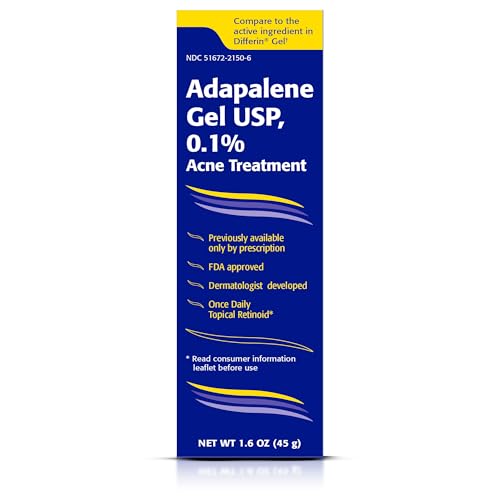
TARO Adapalene 0.1% USP Gel — Best For Budget Prescription-Strength
TARO Adapalene 0.1% USP Gel delivers the same clinical-grade adapalene as the name brands, usually at a friendlier price. It’s paraben-free and formulated with sensitive, retinoid-prone skin in mind, which is reassuring when hormonal acne already has your face inflamed. The USP designation means it meets pharmaceutical purity standards, so you’re not sacrificing quality to save money. Performance-wise it does what adapalene does: unclogs pores, smooths texture, and steadily reduces the frequency of new breakouts. The formula is fairly no-frills, so there’s less in the way of calming extras compared to La Roche-Posay, and that means pairing it with a solid moisturizer is non-negotiable. If you know adapalene works for you and you just want the active without the markup, this is a smart, unglamorous pick that gets the job done month after month.
AcneFree Retinol Blemish Mark Resurfacing Serum with Hyaluronic Acid, and Niacinamide — Best For Sensitive Skin and Marks
AcneFree Retinol Blemish Mark Resurfacing Serum is the gentlest entry here, and it’s built for people whose skin can’t handle full adapalene yet. It pairs a cosmetic-grade retinol with hyaluronic acid for hydration and niacinamide to calm redness and fade the dark marks hormonal acne leaves behind. That combination makes it a strong choice if post-breakout discoloration bothers you as much as the pimples themselves. The serum texture layers easily under moisturizer and doesn’t feel heavy. Because the retinol is milder than adapalene, it’s less likely to trigger a rough purge, which is a relief for reactive skin. The flip side is that it won’t hit as hard on deep cystic acne, so if your breakouts are severe, treat this as a supportive step rather than your main event. For mild-to-moderate hormonal acne and lingering spots, it’s a comfortable, well-rounded serum.
How to Use Retinol for Hormonal Acne Without Irritation
Start slow and build up. Retinoids reward patience. Begin with two or three nights a week, applying a pea-sized amount to dry skin, then work up to nightly over four to six weeks. Going too hard too fast is the number one reason people quit, because they end up red and peeling. Your skin needs time to adjust, and the acne often gets a little worse before it gets better as clogged pores clear out. That purge is normal, so don’t panic. Moisturize and protect. Every retinoid dries skin out, so pair yours with a fragrance-free moisturizer, morning and night. Apply the retinol first, let it settle, then seal it in. Sunscreen is non-negotiable during the day, since retinol makes skin more sun-sensitive and UV worsens the dark marks hormonal acne leaves. A broad-spectrum SPF 30 or higher, used daily, protects your progress and keeps new discoloration from setting in. Give it a full cycle or two. Hormonal acne moves with your body’s rhythm, so judge results over eight to twelve weeks, not days. It’s tempting to bail early, but consistency is what delivers. If you’re not seeing improvement after three months, or your skin stays inflamed no matter how gently you go, that’s your cue to loop in a dermatologist who can consider spironolactone or other prescription support.
Frequently Asked Questions
Does retinol actually help hormonal acne?
Yes, though indirectly. Retinol and its cousin adapalene speed up cell turnover and stop pores from clogging, which reduces the comedones and cysts that hormonal fluctuations trigger. They won’t change your hormones, so severe cases may still need something like spironolactone or birth control. But for many people, a consistent retinoid meaningfully cuts down how often and how badly they break out along the jaw and chin over a couple of months.
Is adapalene or retinol better for hormonal acne?
Adapalene is usually the stronger choice for acne specifically. It’s a third-generation retinoid that the FDA cleared for over-the-counter acne treatment, and it targets clogged pores more directly than cosmetic retinol while being less irritating than older prescription retinoids. Plain retinol is gentler and better for sensitive skin or fading marks, but if your goal is fewer breakouts, an adapalene gel like Differin or La Roche-Posay Effaclar tends to outperform it.
How long before I see results?
Plan on eight to twelve weeks for clear, visible improvement. You might notice smoother texture within a few weeks, but the real reduction in breakouts takes a full skin cycle or two. Many people also go through a purge in the first month, where existing congestion surfaces faster. It’s frustrating, but it’s a sign the product is working. Stay consistent, and don’t judge results before the three-month mark.
Can I use retinol if my skin is sensitive?
You can, but ease in carefully. Start with a milder retinol serum rather than full-strength adapalene, apply it two nights a week, and always follow with moisturizer. The AcneFree serum here is a gentler option that pairs retinol with soothing niacinamide and hydrating hyaluronic acid. Try a small amount first on your jaw before going all-in. If you stay red and flaky no matter how slow you go, check with a dermatologist.
Should I use retinol every night?
Eventually, yes, but not from day one. Build up gradually to avoid irritation. Most people do well starting at two or three nights a week, then increasing to nightly once their skin tolerates it comfortably, which usually takes four to six weeks. If you notice stinging, peeling, or redness, dial back the frequency for a bit. Nightly use is the goal because consistency drives results, but your skin sets the pace.
Bottom Line
For deep, cyclical hormonal breakouts, a true 0.1% adapalene gel is your best bet, and both La Roche-Posay Effaclar and Differin deliver prescription-strength results without a prescription. If budget matters, TARO’s adapalene gives you the same active for less. Sensitive skin or lingering dark marks are better served by AcneFree’s gentler retinol serum, while Rael’s overnight patches handle the occasional angry spot. Whatever you pick, go slow, moisturize hard, wear sunscreen, and give it a couple of months. Hormonal acne is stubborn, but a steady retinoid routine is one of the most reliable ways to finally get ahead of it.