Retinol fades hyperpigmentation, but not the way vitamin C or niacinamide does. Rather than inhibiting melanin production directly, retinol accelerates cell turnover, which speeds the shedding of pigmented surface cells and disperses melanin more evenly through the skin. That makes it especially effective for post-inflammatory hyperpigmentation, sun spots, and the general uneven tone that comes with aging. The strongest results come from pairing retinol’s turnover effect with a melanin-inhibiting ingredient like niacinamide, which is why many of the best formulas combine the two.
Our editors assessed these retinol products against retinol form and strength, complementary brightening ingredients, formulation quality, and aggregated verified-buyer feedback on dark spot fading over two to three months. Retinol increases sun sensitivity and hyperpigmentation worsens with UV, so daily SPF is essential alongside any retinol used for pigmentation. If you’re new to retinol, easing in with a gentle retinol cream for face before moving to higher strengths prevents the irritation that can trigger more PIH. These five deliver on pigmentation specifically.
Quick answer: CeraVe Resurfacing Retinol with niacinamide is the best value combination for dark spots. MEDITHERAPY’s retinaldehyde booster is a stronger K-beauty option. celimax Vita A Retinal Shot is the concentrated retinaldehyde pick. The Ordinary Retinol 1% is the high-strength choice for experienced users. Good Molecules Gentle Retinol Cream is the beginner-friendly night cream.

Pros
- Encapsulated retinol minimizes irritation risk for retinoid beginners
- Ceramide blend supports barrier repair during resurfacing
- Non-comedogenic formulation safe for acne-prone complexions
Cons
- Retinol concentration not disclosed on product listing
- May require gradual introduction to avoid sensitivity
- Encapsulated retinol works with niacinamide and licorice root extract to help visibly reduce post-inflammatory hyperpigmentation and refine pore appearance on normal to oily, acne-prone skin without overwhelming sensitivity thresholds.
- Serum texture absorbs quickly for PM application after cleansing, pairs well with CeraVe moisturizers but avoid layering with additional retinoids or strong acids in the same routine.
- Encapsulated Retinol: Time-release delivery helps visibly smooth texture and reduce post-acne marks with lower irritation potential.
- Niacinamide: Calms inflammation, supports barrier function, and helps visibly improve uneven tone and pore appearance.
- Licorice Root Extract: Botanical ingredient helps brighten the look of post-inflammatory hyperpigmentation over time.
- Ceramides 1, 3, 6-II: Lipid complex helps restore and maintain the skin barrier during retinoid resurfacing.

Pros
- Generous size allows full face and body application
- Daily-use formula avoids typical retinoid irritation phase
- Beginner-accessible entry point for retinal actives
Cons
- No reviews available to confirm gentleness claims
- Retinal concentration and supporting ingredients not disclosed
Pros
- Generous size allows full face and body application
- Daily-use formula avoids typical retinoid irritation phase
- Beginner-accessible entry point for retinal actives
Cons
- No reviews available to confirm gentleness claims
- Retinal concentration and supporting ingredients not disclosed
- Retinal, a direct precursor to retinoic acid, works faster than retinol to help visibly refine rough texture and improve the appearance of discoloration across all skin types including sensitive.
- Brand recommends layering after a hyaluronic acid serum and before a squalane moisturizer for AM and PM use, positioning it as a daily-tolerance formula.
- Retinal (Retinaldehyde): Converts to retinoic acid faster than retinol, supporting surface renewal and even tone.
- Micro-particle delivery system: Engineered for pore-level absorption to improve efficacy and minimize irritation potential.
- Hyaluronic Acid (recommended pairing): Draws moisture into skin when layered before retinal to support barrier comfort.

Pros
- High-strength retinal concentration in targeted booster format
- Matrixyl peptide enhances anti-aging benefits beyond retinal alone
- Lightweight texture layers easily under moisturizer
Cons
- Night-use only formula requires strict sunscreen compliance
- May cause temporary yellow cast on skin
- The 0.1% retinal works with refined micro-particles 16 times thinner than pores to help visibly reduce wrinkle depth and pore size, suited for oily to combination skin building retinoid tolerance.
- Lightweight booster texture absorbs quickly without residue, applied at night after toner and before moisturizer, ideally paired with niacinamide cream to buffer potential irritation.
- Retinal 0.1%: Advanced retinoid form that may improve visible firmness and texture faster than retinol.
- Matrixyl 3000: Peptide complex that supports collagen appearance and helps address fine lines.
- A-Shot Micro-Particles: Refined delivery system designed to enhance retinal penetration into pores for targeted results.

Pros
- Potent 1% retinol concentration for advanced users
- Squalane provides lightweight hydration and nourishment
- Straightforward formula ideal for targeted retinoid routines
Cons
- Not suitable for retinol beginners or sensitive skin
- Requires refrigeration after opening for stability
Pros
- Potent 1% retinol concentration for advanced users
- Squalane provides lightweight hydration and nourishment
- Straightforward formula ideal for targeted retinoid routines
Cons
- Not suitable for retinol beginners or sensitive skin
- Requires refrigeration after opening for stability
- Retinol 1% works to visibly reduce fine lines and smooth uneven texture by supporting collagen production, while squalane offsets potential dryness, making this suitable for normal to combination skin with retinol experience.
- Lightweight oil-serum texture absorbs quickly and is applied in the evening only, requiring daily SPF and avoiding use with other retinoids or direct acids in the same routine.
- Retinol 1%: High-strength vitamin A derivative that helps visibly improve fine lines and skin texture over time.
- Squalane: Plant-derived emollient that conditions skin and helps buffer potential irritation from retinol.
Pros
- Cream base buffers retinol for reduced irritation
- Fragrance-free formula suits reactive skin types
- Accessible entry point for retinol beginners
Cons
- Retinol concentration and percentage not disclosed
- No independent review data available for verification
Pros
- Cream base buffers retinol for reduced irritation
- Fragrance-free formula suits reactive skin types
- Accessible entry point for retinol beginners
Cons
- Retinol concentration and percentage not disclosed
- No independent review data available for verification
- Retinol in a soothing cream base helps visibly reduce fine lines while supporting plumper-looking skin, designed to minimize the dryness and flaking common with stronger formulations, making it suitable for all skin types including sensitive.
- Cream texture absorbs for nighttime use after cleansing, pair with a gentle hydrating serum underneath and always apply broad-spectrum SPF 30 or higher during the day when using retinol products.
- Retinol: Supports skin cell turnover to help visibly soften fine lines and improve texture over time.
- Cream Base Emollients: Buffer retinol delivery to minimize irritation, dryness, and flaking common with stronger formulations.
- Soothing Agents: Help calm skin during retinol acclimation, reducing redness and sensitivity in formula design.
How We Evaluated These Serums
Retinol addresses hyperpigmentation through turnover: by speeding the rate at which skin cells cycle, it moves pigmented cells to the surface and off faster, and it helps distribute melanin more evenly. We prioritized formulas that combine retinol with melanin-focused ingredients, especially niacinamide, which blocks the transfer of melanin to skin cells and works synergistically with retinol’s turnover effect. Formulas pairing both mechanisms fade pigmentation faster than retinol alone.
We looked at the retinoid form (retinol vs. retinaldehyde, which is a step closer to active retinoic acid and works faster) and concentration, matching strength to experience level since irritation from too-strong retinol can trigger more post-inflammatory hyperpigmentation, defeating the purpose. Verified-buyer feedback from users specifically describing dark spots, melasma, or post-acne marks carried the most weight, with attention to realistic timelines: pigmentation fades gradually over months, not weeks. Tolerability and barrier support factored in throughout.
CeraVe Resurfacing Retinol Serum — Best Value Combination
CeraVe’s Resurfacing Retinol Serum pairs retinol with niacinamide and ceramides, which makes it the best-value pigmentation formula on the list. The niacinamide directly inhibits melanin transfer while the retinol accelerates turnover, hitting hyperpigmentation from two angles in one affordable product. The ceramides support the barrier, offsetting retinol’s drying effect and keeping the skin healthy enough to fade evenly. It’s marketed for post-acne marks and pore refinement, and buyer feedback on PIH fading is consistently strong over consistent use. For most people starting a retinol-for-pigmentation routine, this dual-mechanism formula is the smart, budget-friendly entry.
MEDITHERAPY Retinal Skin Booster Serum — Best Stronger K-Beauty Option
MEDITHERAPY’s booster uses retinaldehyde (retinal) rather than retinol, alongside niacinamide and cica. Retinaldehyde is one conversion step closer to active retinoic acid than retinol, which means it works faster while remaining gentler than prescription tretinoin. The niacinamide adds melanin-blocking action, and the cica soothes to offset irritation. At 5.07 fl oz, the generous size supports the sustained use pigmentation fading requires. For people who’ve plateaued on regular retinol and want a stronger retinoid without a prescription, this Korean formula bridges the gap while keeping tolerability in mind.
celimax The Vita A Retinal Shot — Best Concentrated Retinaldehyde
celimax’s Vita A Retinal Shot is a concentrated retinaldehyde booster in a small 0.51 fl oz format designed to be added into a routine or layered for a targeted retinoid boost. Like MEDITHERAPY’s formula, it uses the faster-acting retinal form, but in a more concentrated, booster-style application. For experienced retinoid users who want to intensify their routine’s pigmentation-fading power, the concentrated format lets you dial up the retinoid strength strategically. The tightening booster positioning also targets the firmness and texture improvements that come alongside retinal’s turnover effect. It’s the pick for advanced users optimizing an existing routine.
The Ordinary Retinol 1% in Squalane — Best High-Strength Option
The Ordinary’s Retinol 1% in squalane is the highest-strength retinol on the list, intended for experienced users whose skin has already adapted to lower concentrations. At 1%, it delivers strong turnover acceleration for stubborn pigmentation, in a squalane base that cushions the delivery to reduce (but not eliminate) irritation. This is not a beginner product: jumping to 1% without building tolerance causes the irritation that can trigger more PIH. For someone who’s worked up from lower strengths and wants maximum retinol potency for persistent dark spots, this is the potent, no-frills choice at The Ordinary’s characteristic value.
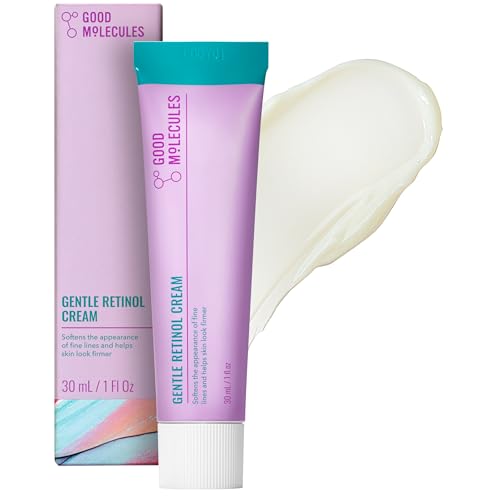
Good Molecules Gentle Retinol Cream — Best for Beginners
Good Molecules’ Gentle Retinol Cream is formulated as an accessible night cream for people new to retinol who want to address pigmentation without the harsh introduction stronger products bring. The cream base delivers retinol in a hydrating, gentle formulation that minimizes the flaking and redness that discourage beginners. Starting gentle matters for pigmentation specifically, since irritation-triggered inflammation can create new dark spots. For anyone beginning their retinol journey with hyperpigmentation as the goal, this low-irritation night cream lets skin adapt while still delivering the turnover benefit. It’s the sensible starting point before graduating to stronger formulas.
How to Use Retinol for Hyperpigmentation
Pair it with a melanin inhibitor. Retinol speeds turnover, but combining it with niacinamide or vitamin C (which block melanin production and transfer) fades pigmentation faster than retinol alone. Use retinol at night and vitamin C in the morning, or choose a formula like CeraVe’s that includes niacinamide with the retinol.
SPF is mandatory, not optional. Retinol increases sun sensitivity, and UV exposure directly re-triggers the melanin production you’re trying to reduce. Skipping SPF while using retinol for pigmentation is counterproductive: you accelerate turnover at night and re-darken the spots during the day. Daily broad-spectrum SPF 30+ is the foundation of any pigmentation routine.
Introduce it slowly to avoid making pigmentation worse. Too-strong retinol causes irritation, and inflammation can trigger new post-inflammatory hyperpigmentation, especially on darker skin tones. Start with a low concentration two to three nights a week, build up gradually, and don’t rush to higher strengths. Patience prevents the irritation that undermines the goal.
Frequently Asked Questions
Does retinol fade hyperpigmentation?
Yes. Retinol fades hyperpigmentation by accelerating cell turnover, which sheds pigmented surface cells faster and distributes melanin more evenly. It’s especially effective for post-inflammatory hyperpigmentation and sun spots. Pairing it with a melanin inhibitor like niacinamide produces faster results than retinol alone.
How long does retinol take to fade dark spots?
Expect gradual fading over 8 to 12 weeks of consistent use, with more significant improvement at three to six months. Deeper or older pigmentation takes longer. Retinol works on skin’s natural cycle, so patience and daily SPF are essential to seeing results.
Is retinol or vitamin C better for hyperpigmentation?
They work differently and are best used together. Vitamin C inhibits melanin production and is a morning antioxidant; retinol accelerates turnover and works at night. Using both (vitamin C AM, retinol PM) targets pigmentation from complementary angles and outperforms either alone.
Can retinol make hyperpigmentation worse?
If it causes significant irritation, the resulting inflammation can trigger new post-inflammatory hyperpigmentation, particularly on darker skin. This is why slow introduction matters. Used gently and built up gradually, retinol fades pigmentation; used too aggressively, the irritation can backfire.
Should I use retinol or retinaldehyde for dark spots?
Retinaldehyde (retinal) works faster than retinol because it’s one conversion step closer to active retinoic acid, while remaining gentler than prescription tretinoin. For faster results, retinal is stronger; for a gentler start, retinol is easier to tolerate. Both fade pigmentation effectively over time.
Bottom Line
CeraVe’s Resurfacing Retinol with niacinamide is the best-value pigmentation formula, hitting dark spots from two mechanisms at once. MEDITHERAPY and celimax offer the faster-acting retinaldehyde form for those wanting more strength. The Ordinary Retinol 1% is the high-potency choice for experienced users with stubborn spots. Good Molecules Gentle Retinol Cream is the beginner-friendly entry that avoids irritation-triggered pigmentation. Whichever you choose, pair it with daily SPF and a melanin inhibitor, introduce it slowly, and give it three months to show what it can do.